







How Retail Stores Use RFID Tags for Inventory Management?
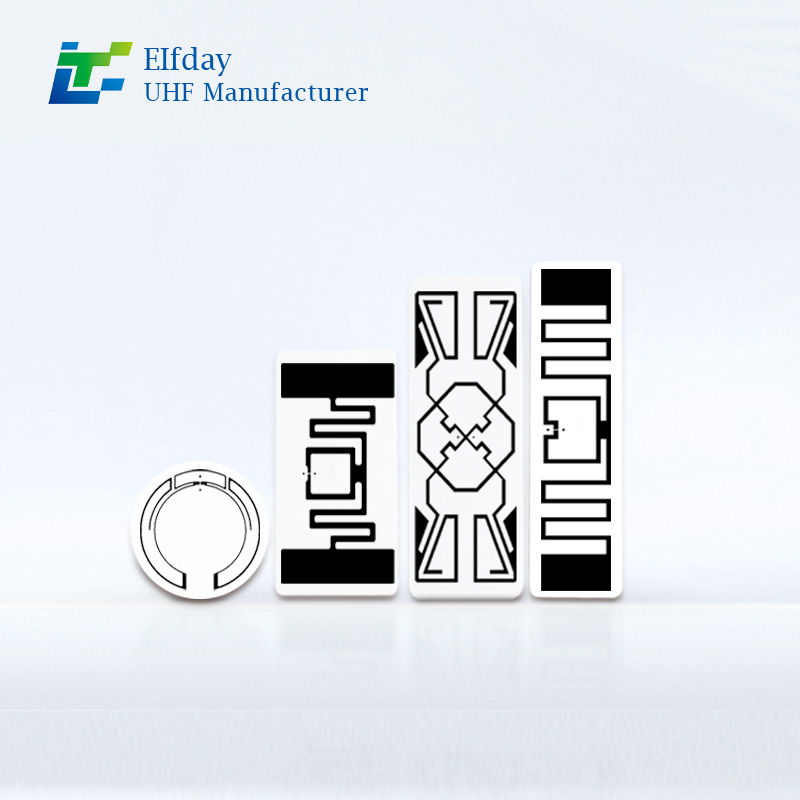
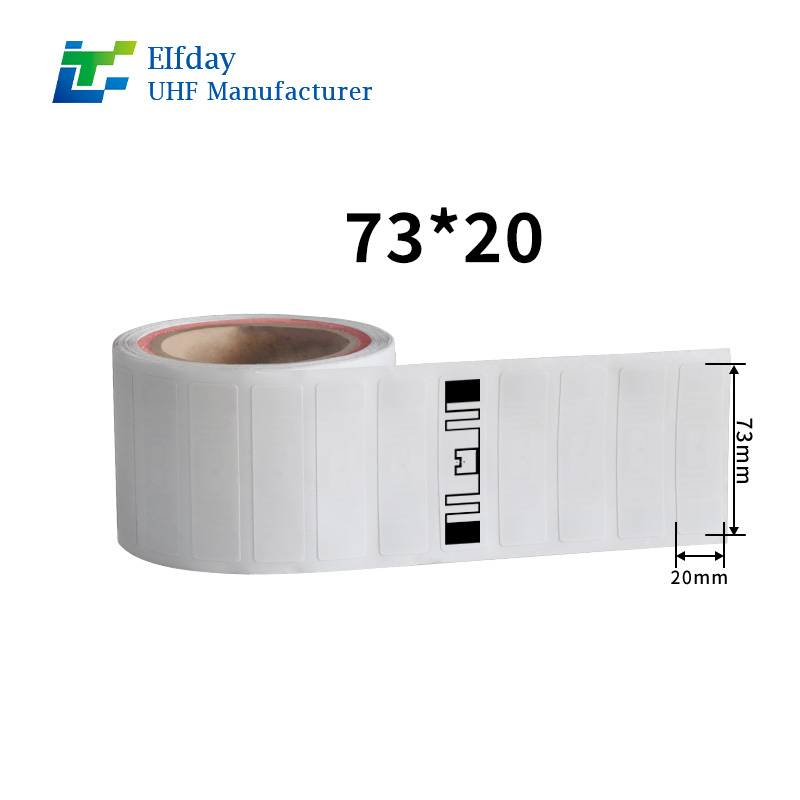
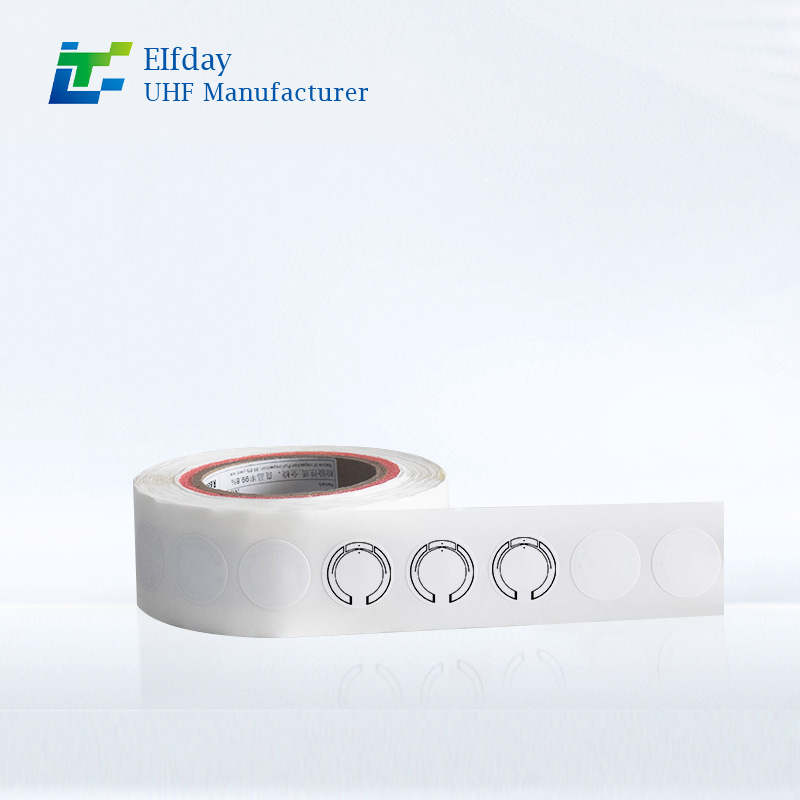
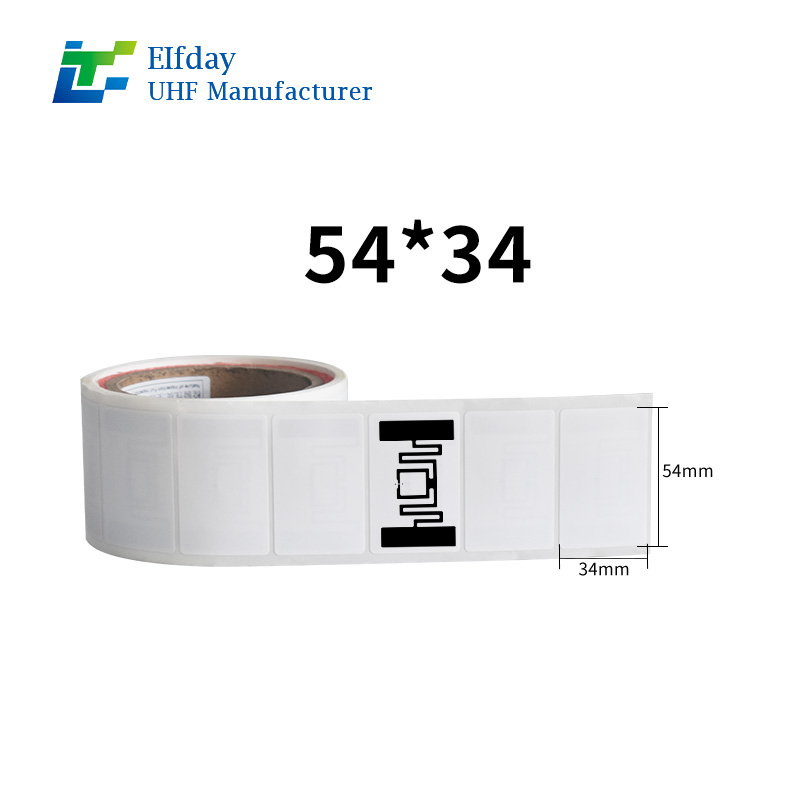
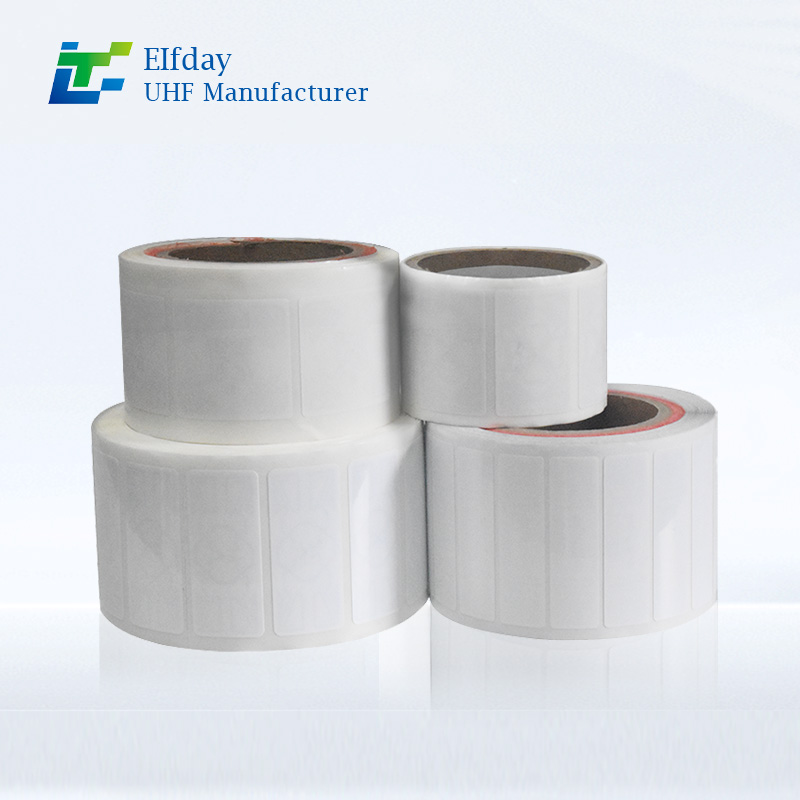
With RFID tags now available at just $0.019 per unit, retail stores are finding more accessible ways to revolutionize their inventory management systems. This affordable technology has become a game-changer for retailers struggling with outdated, time-consuming inventory processes—replacing manual counts and barcode scanning with faster, more accurate tracking.
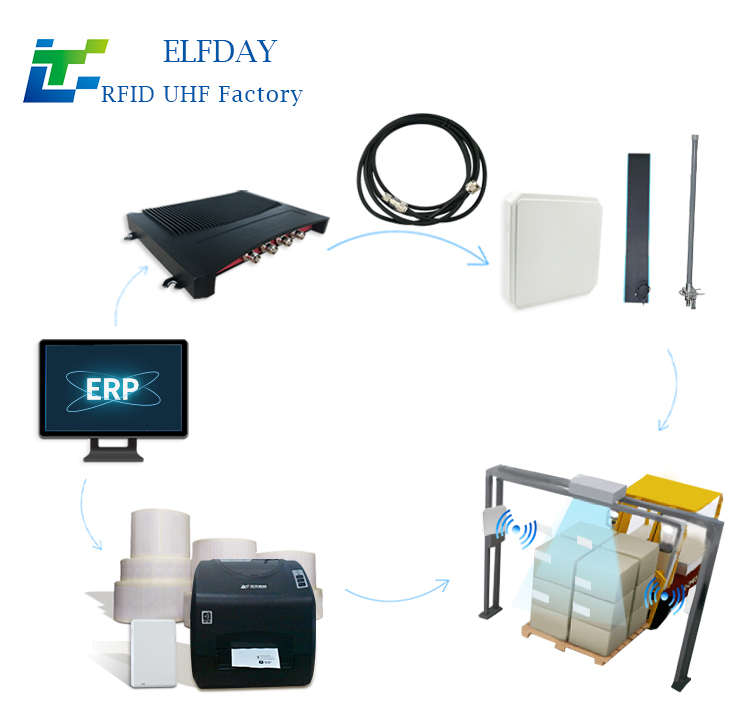
One of the biggest advantages of RFID tags is their ability to provide real-time inventory visibility. Unlike traditional barcode scanning that requires line-of-sight, an RFID tag can be read in bulk and from a distance. This means staff can scan an entire shelf, bin, or even a delivery cart of products in seconds, rather than one item at a time. Retailers no longer have to wait for after-hours inventory checks; they can pull up accurate stock levels at any moment, ensuring they never oversell or run out of high-demand items unexpectedly.
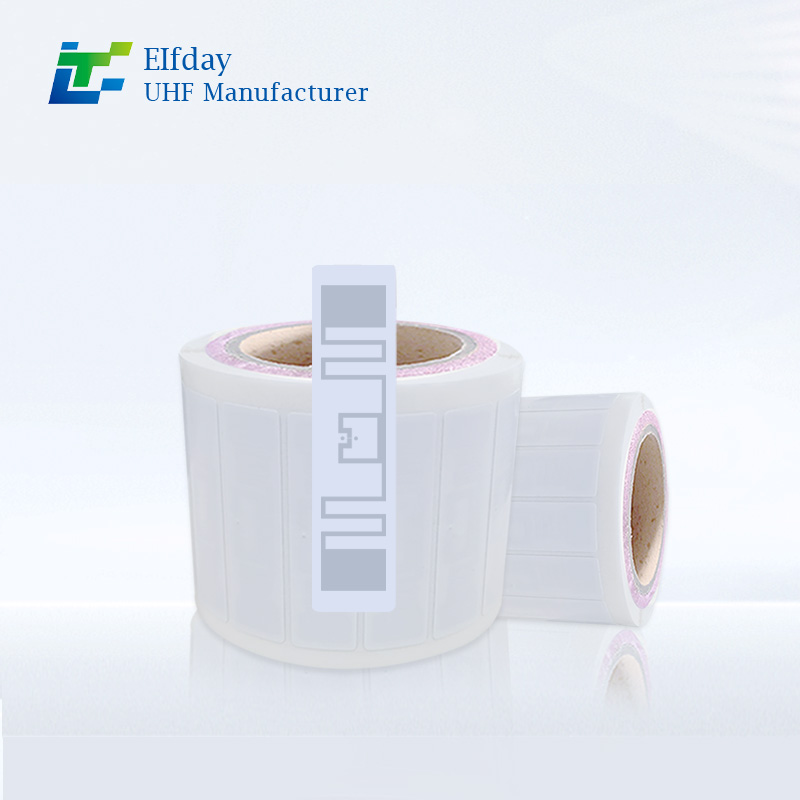
RFID tags also drastically reduce human error. Manual inventory counts are prone to mistakes—missed items, duplicate entries, or misread labels—that can lead to stock discrepancies and lost sales. Since RFID tags transmit data automatically to a central system, there’s little room for human mistake. This accuracy helps retailers optimize their stock levels: they can identify slow-moving products earlier and adjust orders, cutting down on excess inventory and waste.
Beyond inventory counts, RFID tags improve the overall customer experience. When staff can quickly locate products using real-time data from RFID tags, they reduce customer wait times and increase satisfaction. This efficiency also extends to returns and exchanges, as RFID tags make it easier to verify and restock returned items quickly.
If your retail store is looking to streamline inventory management, reduce waste, and boost operational efficiency, RFID tags could be the solution you need. Don’t hesitate to reach out to our team for a consultation—we’re ready to help you understand how to integrate RFID tags into your existing systems, and we even offer free, tailored solutions to fit your specific needs.