












Museum Archive Management Using RFID Book Tags: Precision Meets Preservation
Managing priceless historical documents, rare manuscripts, and fragile archival materials presents unique challenges for museums. Traditional inventory methods – manual logging, barcode scanning – are often intrusive, time-consuming, and risk damaging delicate items. This is where RFID book tag technology offers a transformative solution for modern archive stewardship.
The Challenge of Fragile Heritage
Curators face constant pressure: ensure item security, enable researcher access, and meticulously track location and condition – all while minimizing physical handling. Hours spent locating a single misplaced folio or conducting annual inventories divert resources from core conservation work. Manual errors compound these inefficiencies.
RFID Book Tags: The Gentle Guardian
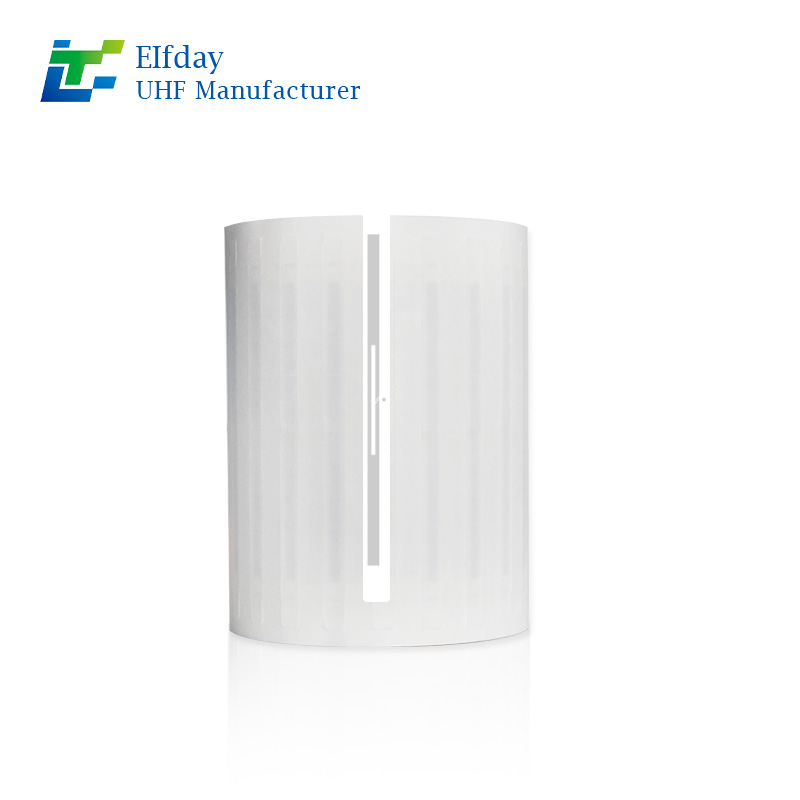
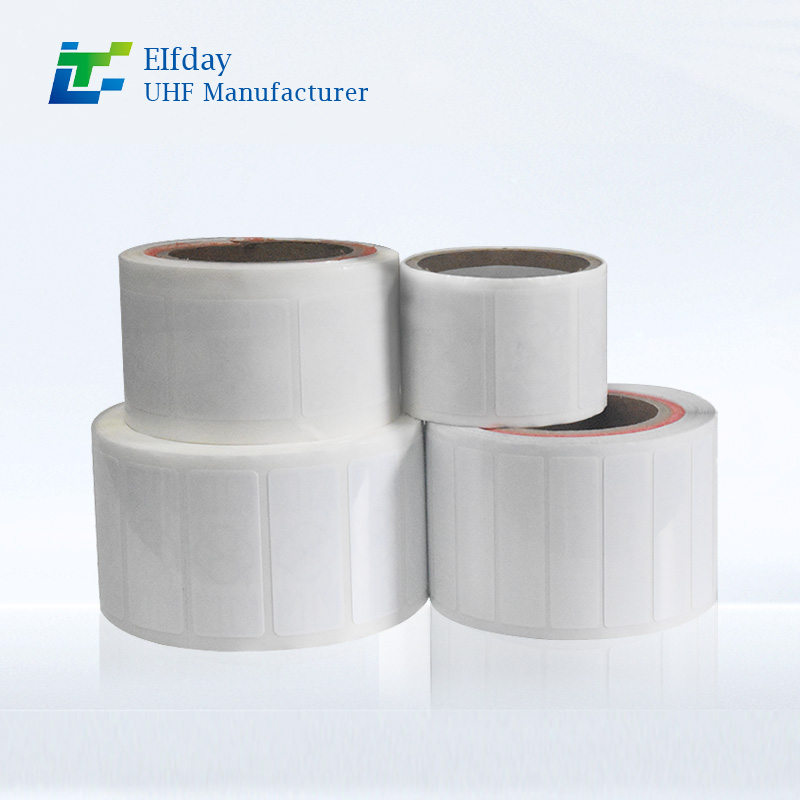
Unlike bulky barcodes requiring line-of-sight scanning, discreet RFID book tags embedded within acid-free enclosures or book spines enable contactless identification. A simple wave of a handheld reader near a shelf or storage box instantly captures data from multiple items simultaneously, even through protective materials. This drastically reduces the need to physically touch or move fragile artefacts.
Key Benefits for Museum Archives:
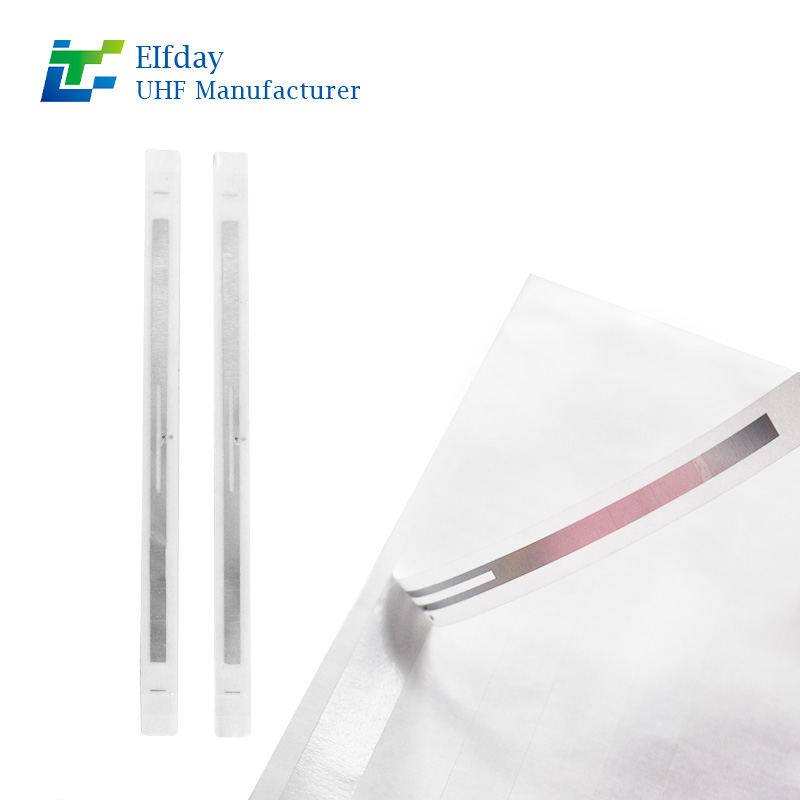
Non-Invasive Tracking: Locate specific manuscripts or boxes in seconds without disturbing adjacent items or removing them from secure, climate-controlled storage. RFID book tags work reliably within archival sleeves, folders, or custom casings.
Rapid Inventory & Audits: Complete comprehensive collection audits in a fraction of the traditional time. Verify the presence and location of thousands of items efficiently, minimizing light exposure and handling risks.
Enhanced Security: Integrate RFID book tag systems with archive room access controls. Unauthorized removal attempts trigger alerts. Know precisely what leaves a secure area and when.
Detailed Item Histories: Link each unique RFID book tag ID to a digital record containing provenance, conservation notes, handling restrictions, and loan history. Streamline research requests and condition reporting.
Preservation Focus: By drastically reducing physical handling during routine checks and searches, RFID technology directly contributes to the long-term preservation of sensitive materials like vellum, aged paper, or parchment.
Implementation Considerations:
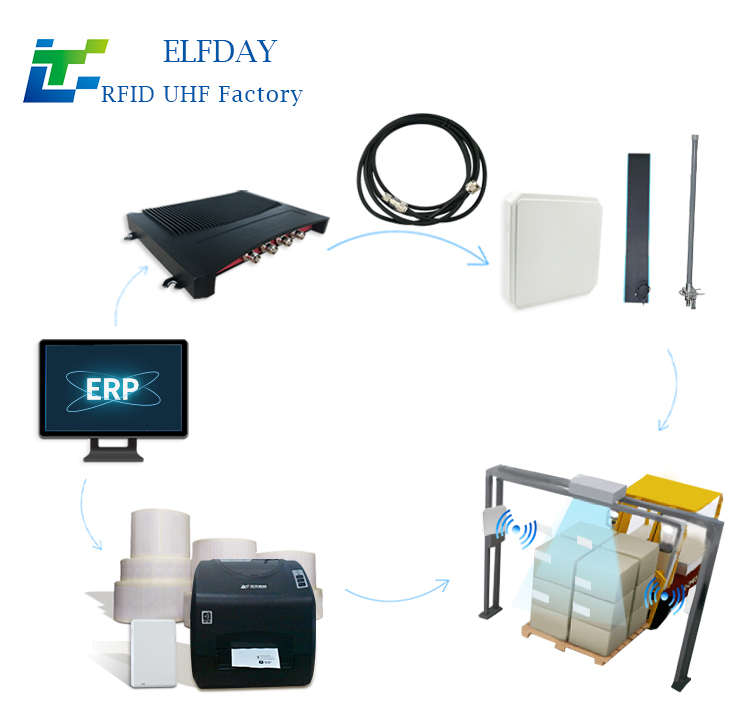
Successful integration requires careful planning. Tags must be archivally safe – inert, non-abrasive, and applied without damaging items. Choosing the right frequency (often HF for close-range precision in metal-free environments) and reader infrastructure (handheld, fixed points, or mobile carts) is crucial. Data security protocols for the linked database are paramount.
Beyond Basic Tracking:
Forward-thinking archives use RFID book tag data to analyze collection usage patterns, optimize storage layouts based on retrieval frequency, and plan conservation workflows proactively. It empowers curators with actionable insights while safeguarding the physical integrity of the collection.
The Future of Archival Stewardship is Intelligent
RFID book tag technology isn't just about replacing barcodes; it's about enabling a smarter, gentler, and more secure approach to managing humanity's written heritage. By minimizing handling risks and maximizing operational efficiency, museums can dedicate more resources to their core mission: preserving history for generations to come.
Ready to explore how RFID book tags can safeguard your irreplaceable collection?
→ Contact us for a confidential consultation on tailored archive solutions.