







How RFID Technology Streamlines Inventory Management for Retailers
In today's fast-paced retail world, managing inventory efficiently is crucial for businesses of all sizes. Whether you're a small store or a large retail chain, maintaining accurate stock levels and minimizing errors can directly impact profitability and customer satisfaction. Enter RFID technology, a game-changer for inventory management.
What is RFID Technology?
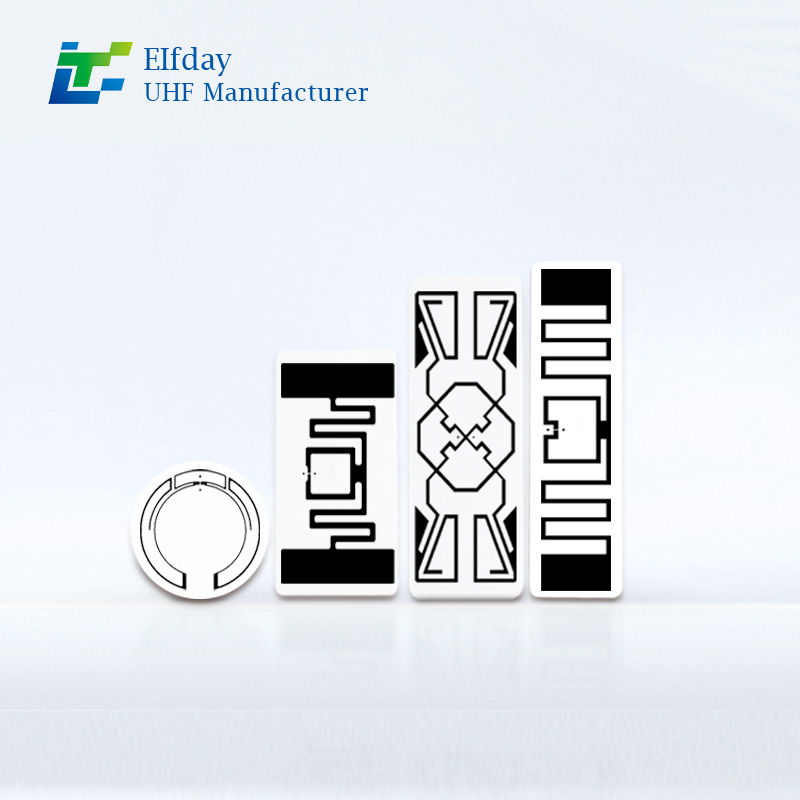
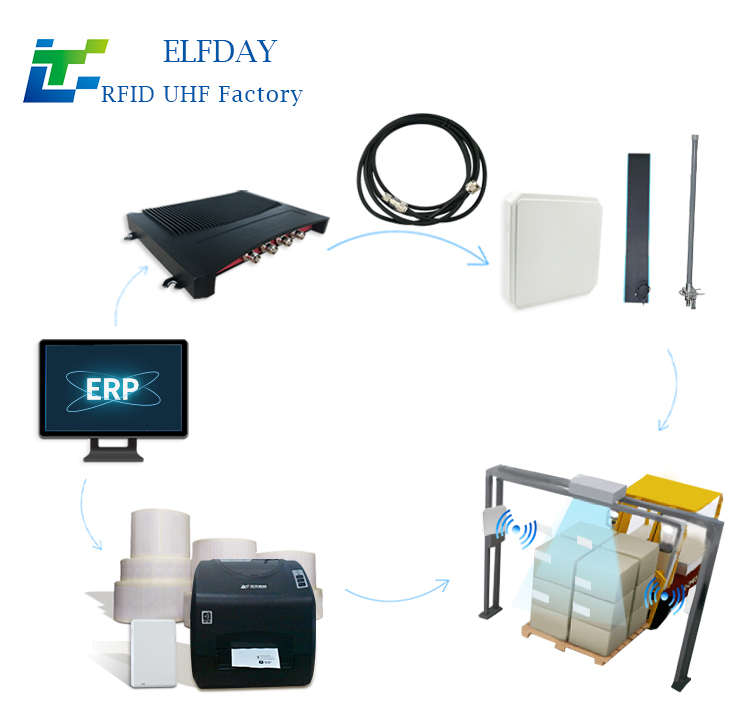
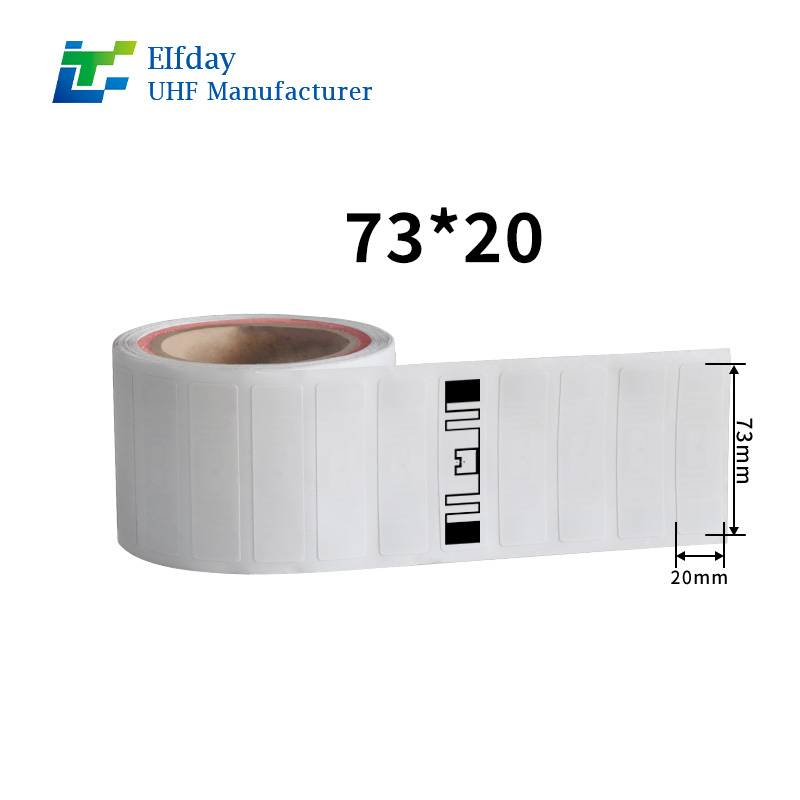
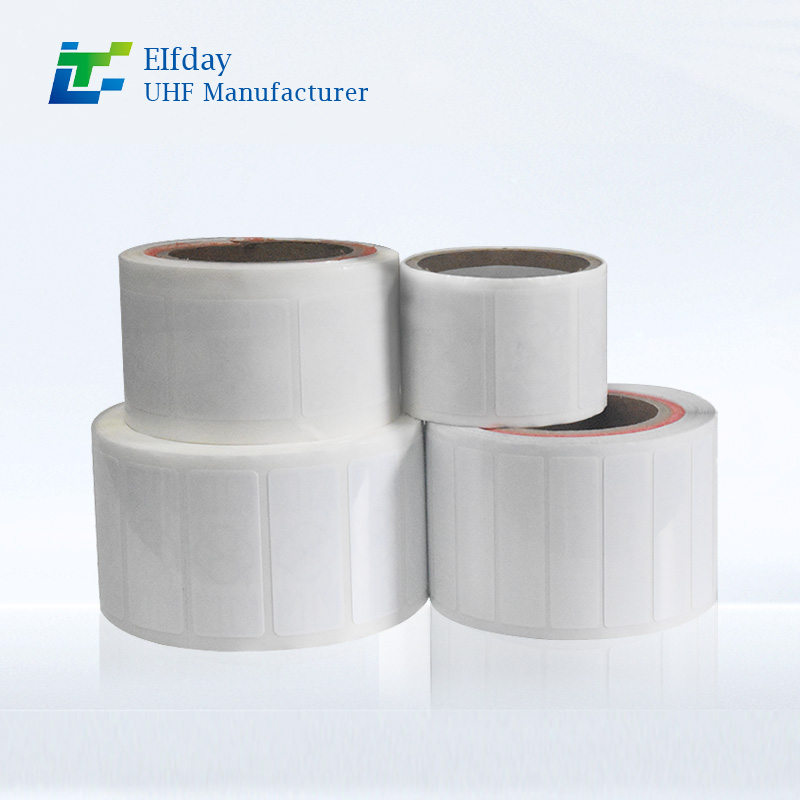
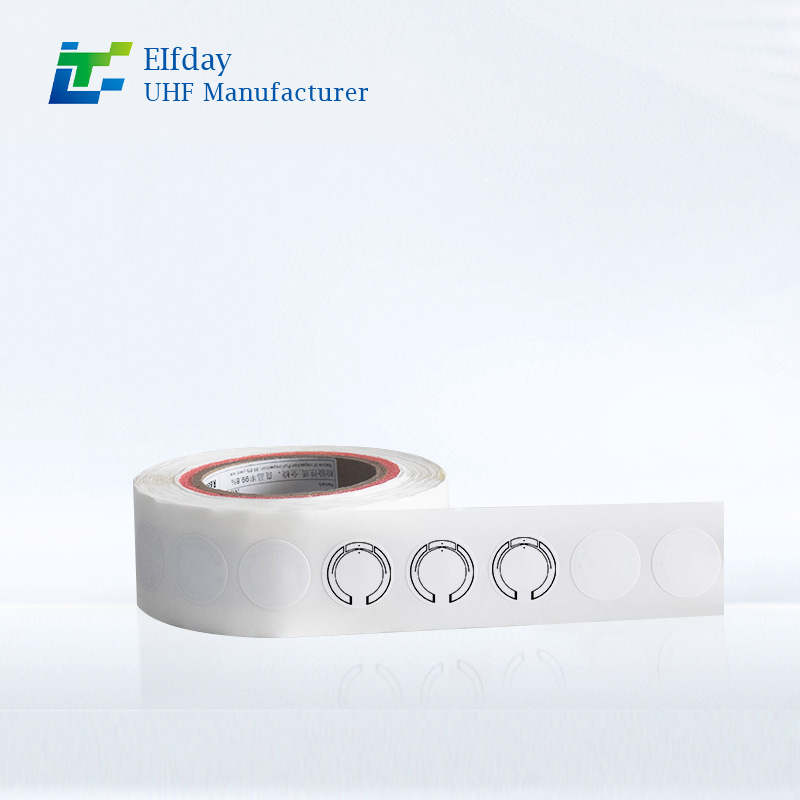
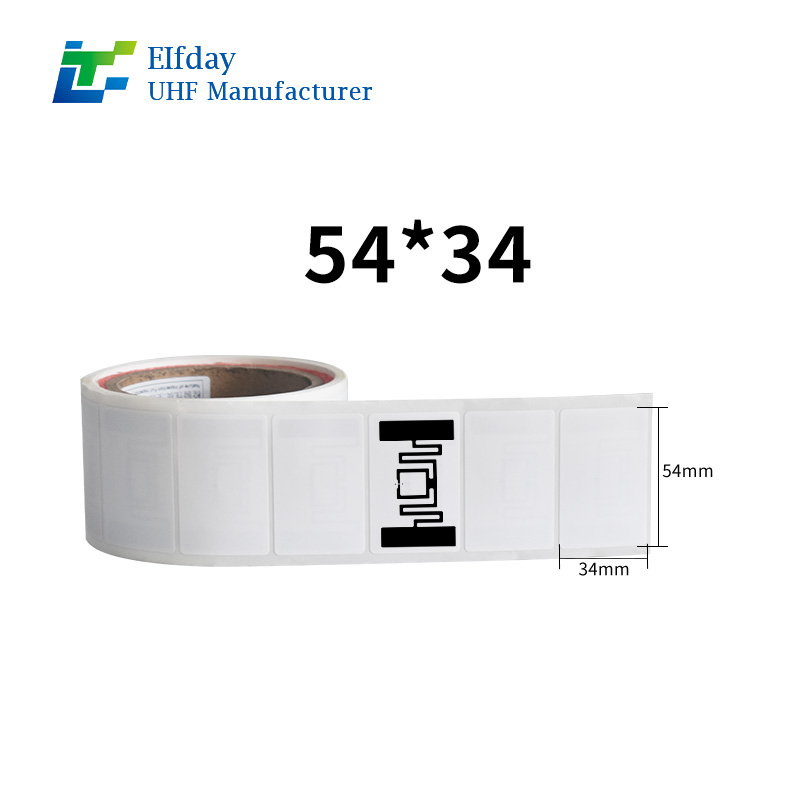
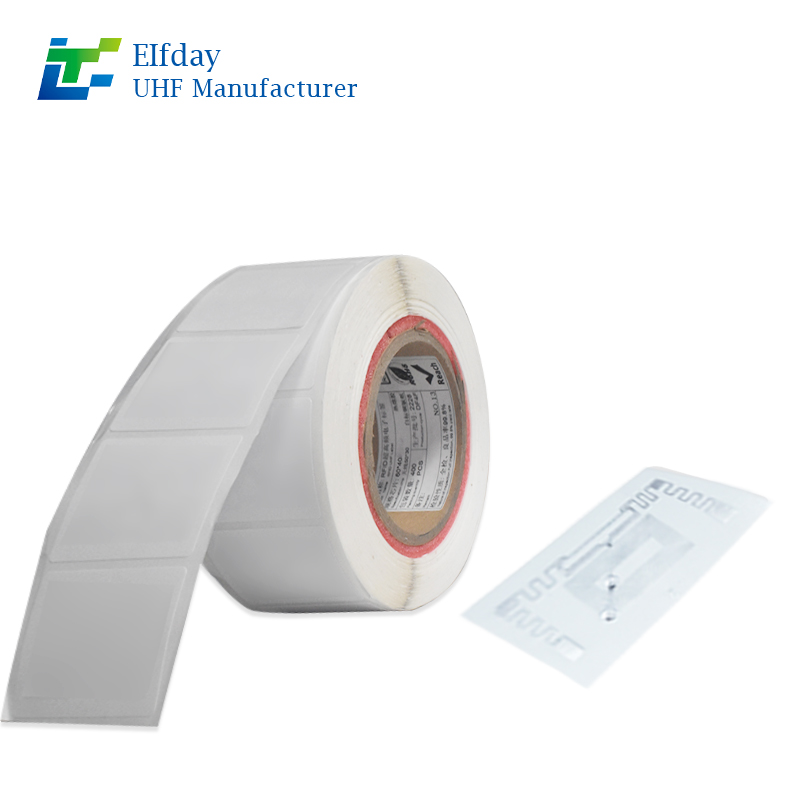
RFID (Radio Frequency Identification) is a wireless communication technology that uses electromagnetic fields to identify and track objects. RFID tags are small, embedded devices that contain a unique identifier (ID). These tags can be attached to inventory items and read by RFID readers, which transmit data about the location and quantity of those items in real-time. Unlike traditional barcode systems, RFID does not require direct line-of-sight to read the tags, making it far more efficient in environments like retail stores and warehouses.
How RFID Technology Helps Retailers Streamline Inventory Management
1. Improved Inventory Accuracy
One of the most significant challenges in inventory management is maintaining accuracy. Human error, misplaced items, and stock discrepancies are common problems that lead to overstocking, stockouts, and lost sales.
RFID technology significantly improves inventory accuracy by automating the data collection process. With RFID tags attached to products, retailers can instantly and accurately track the movement of each item. The data is sent to the inventory management system in real-time, eliminating the need for manual stocktaking and reducing the likelihood of errors. This leads to more accurate stock counts, helping retailers avoid costly stockouts or overstock situations.
2. Faster Stocktaking and Replenishment
Traditionally, inventory counts involve manual scanning of each item with a barcode scanner, which can take hours, if not days, depending on the size of the store or warehouse. This process is not only time-consuming but also prone to mistakes.
RFID tags allow for quick, efficient stocktaking. By using handheld RFID readers or even fixed RFID systems at entry points, retailers can scan entire shelves or storage areas in a fraction of the time. This means inventory can be checked regularly, with minimal disruption to operations. Additionally, RFID can provide real-time data on low stock levels, enabling faster replenishment to avoid out-of-stock scenarios.
3. Real-Time Visibility and Control
RFID technology provides real-time visibility into the inventory’s status, location, and movement. This allows retailers to monitor stock levels continuously, whether on the sales floor or in the backroom. Retailers can track when and where products are moving, which items are popular, and which are stagnant, providing actionable insights for better decision-making.
This level of transparency improves control over the inventory, reducing the risk of theft or loss. Additionally, retailers can use the data to optimize stock placement on the sales floor, ensuring that high-demand products are always easily accessible to customers.
4. Reduced Labor Costs
Manual inventory management is labor-intensive. Retailers often need a team of employees to conduct physical stock counts, which can be expensive and disruptive. RFID technology automates this process, reducing the number of staff needed for inventory checks and other related tasks.
By cutting down on manual labor, retailers can reallocate resources to other areas of the business, such as customer service or product promotion, ultimately enhancing overall store efficiency. Furthermore, RFID tags improve inventory tracking accuracy, reducing the time spent correcting errors or locating missing items.
5. Enhanced Customer Experience
Customer satisfaction is at the heart of retail success. When inventory is mismanaged, it can lead to frustration for both employees and customers. Overstocking can create clutter, while stockouts can result in lost sales and disappointed customers.
RFID technology helps ensure that products are always in the right place at the right time, reducing instances of stockouts and out-of-stock items. This not only improves the efficiency of the store but also helps to maintain customer loyalty by providing a seamless shopping experience. Additionally, RFID-enabled systems can be used to support features like self-checkout or personalized offers, further enhancing customer engagement.
6. Advanced Analytics for Smarter Business Decisions
RFID tags collect a wealth of data about inventory movement, sales trends, and product performance. Retailers can use this data to analyze stock turnover rates, identify slow-moving products, and optimize supply chain operations. These insights allow businesses to make smarter, data-driven decisions, such as adjusting stock levels, planning promotions, or optimizing the product mix.
By leveraging RFID data analytics, retailers can improve forecasting accuracy, reduce waste, and increase profitability.
The Future of Retail Inventory Management
The use of RFID tags for inventory management is rapidly becoming an essential tool for retailers who want to stay competitive in today’s retail environment. With benefits such as improved accuracy, faster stocktaking, real-time visibility, reduced labor costs, and better customer experiences, RFID technology is a powerful asset for businesses of all sizes.
As RFID technology continues to evolve and become more affordable, it is expected that more and more retailers will adopt RFID systems to streamline their inventory management processes. By embracing this technology, retailers can not only enhance operational efficiency but also create a more seamless, efficient, and customer-friendly shopping experience.
If you're looking to improve your inventory management system, now is the time to explore RFID tags and see how they can transform your business operations.