







Unlock the Future of Retail Inventory Management with RFID Technology
In today’s fast-paced retail world, inventory accuracy and real-time tracking are essential for staying competitive. Traditional inventory methods are often prone to errors, lead to stockouts, or create overstock situations. Fortunately, RFID (Radio Frequency Identification) technology is transforming the way retailers manage their inventory, offering a smarter, more efficient solution.
What is RFID for Retail Inventory?
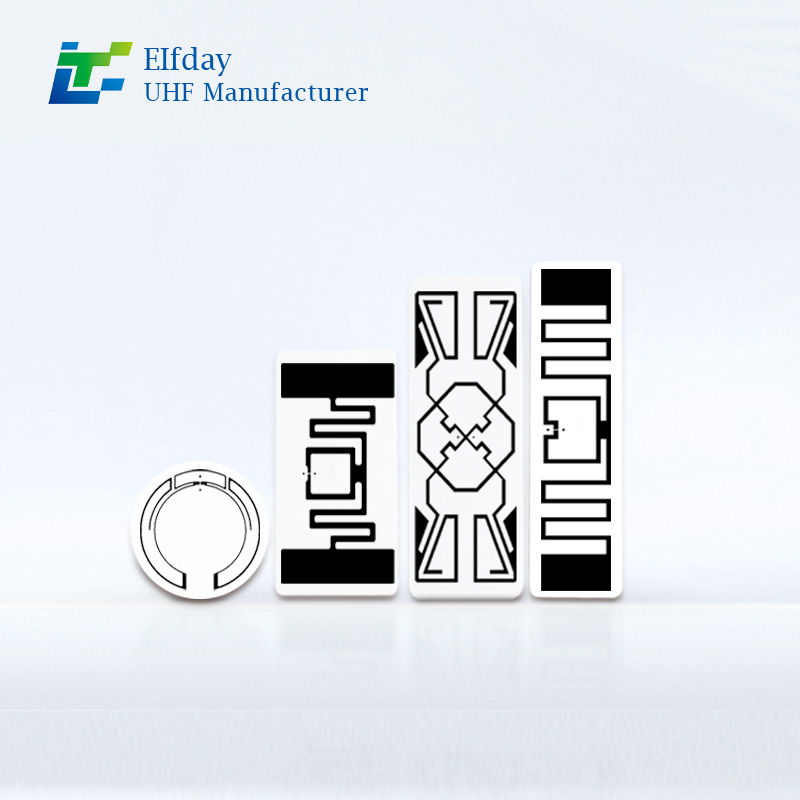
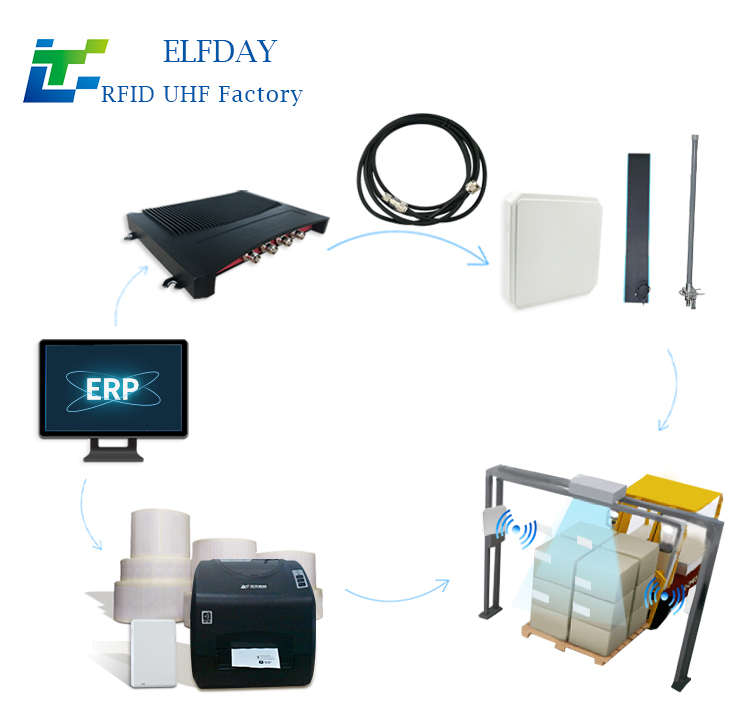
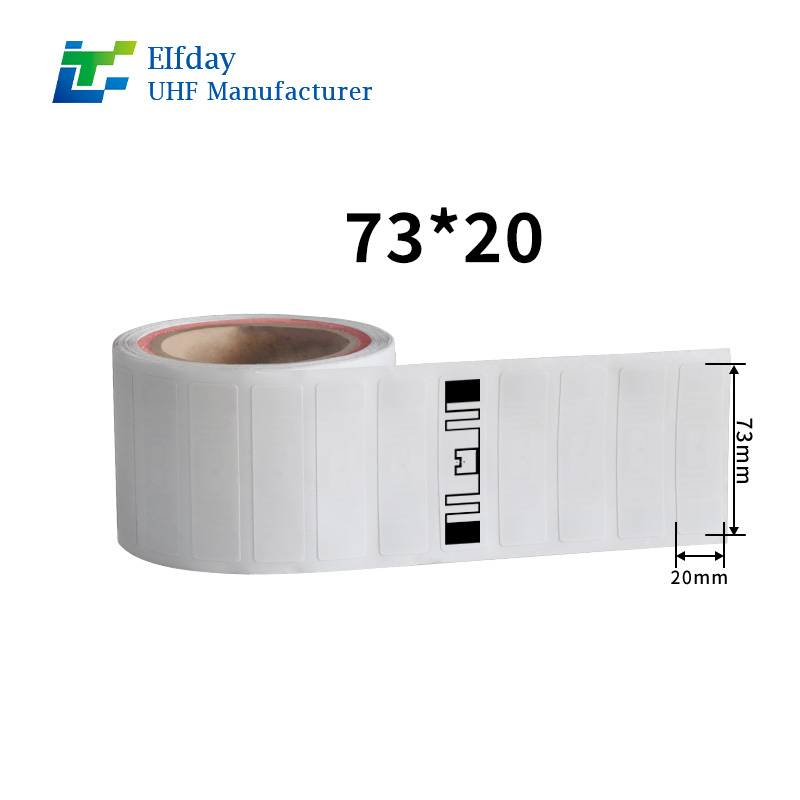
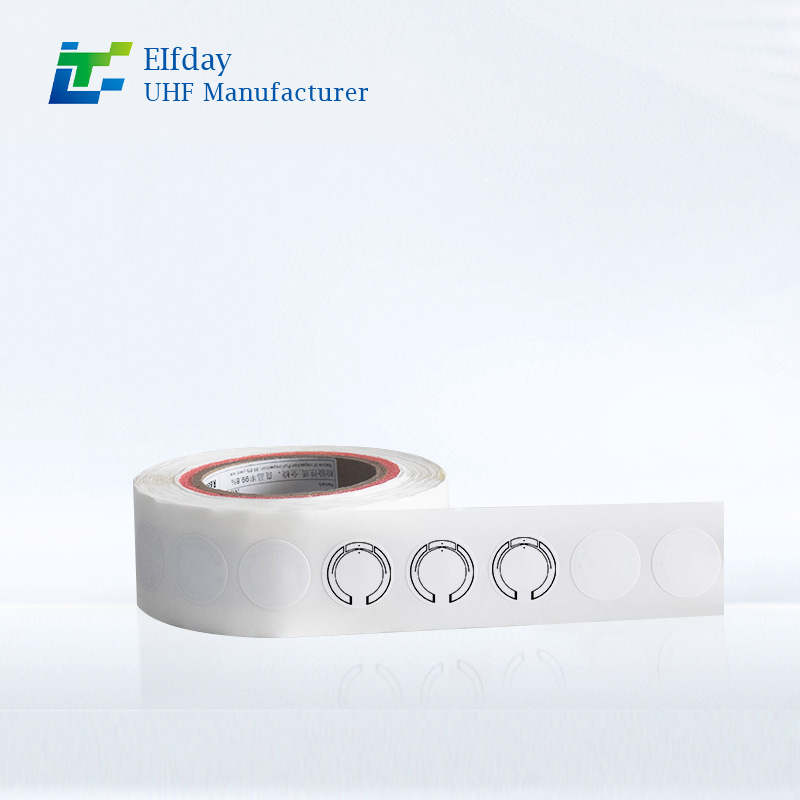
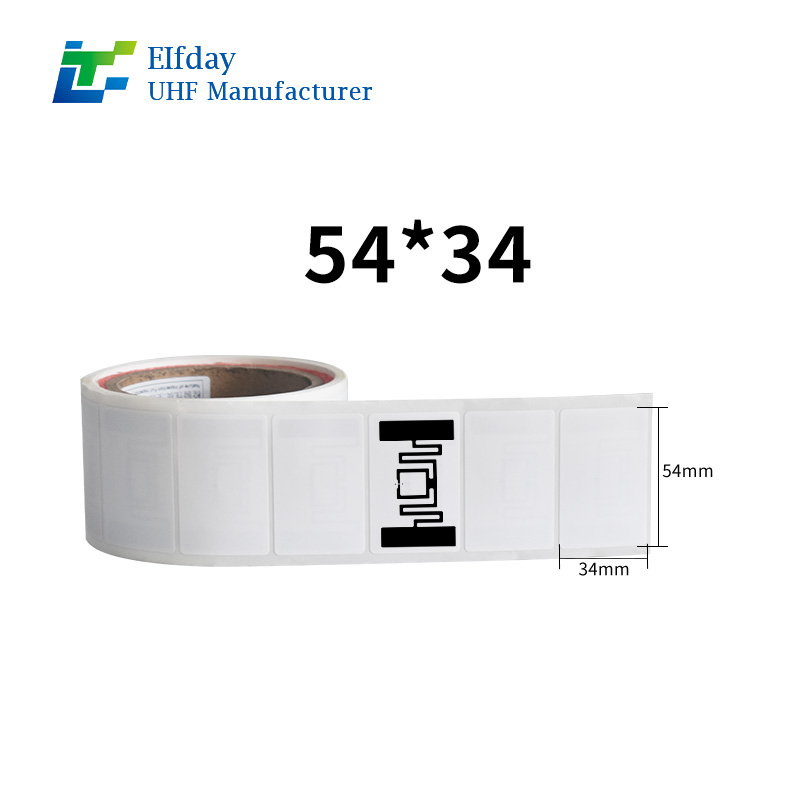
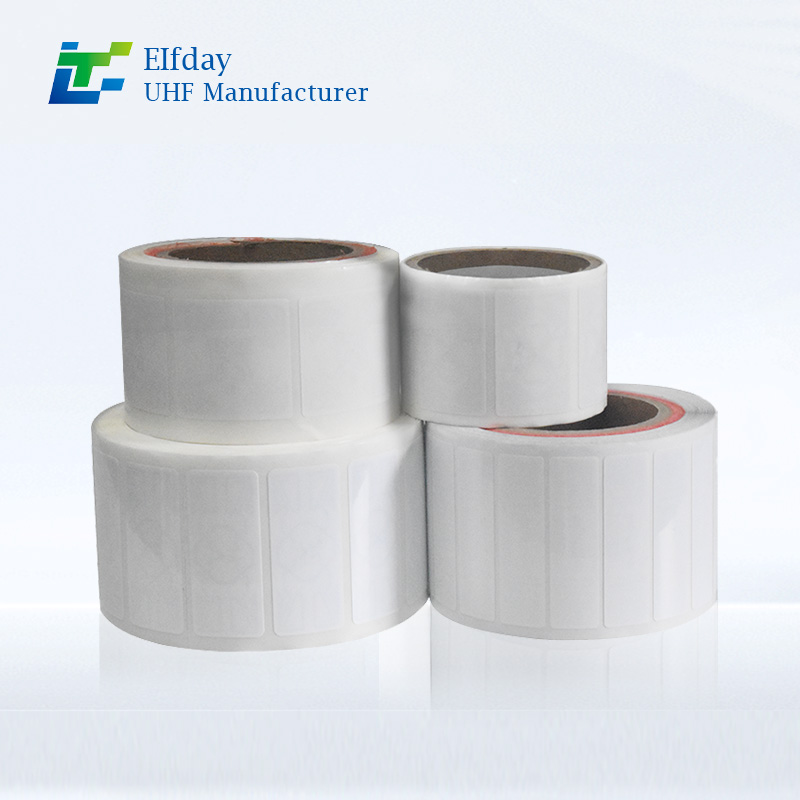
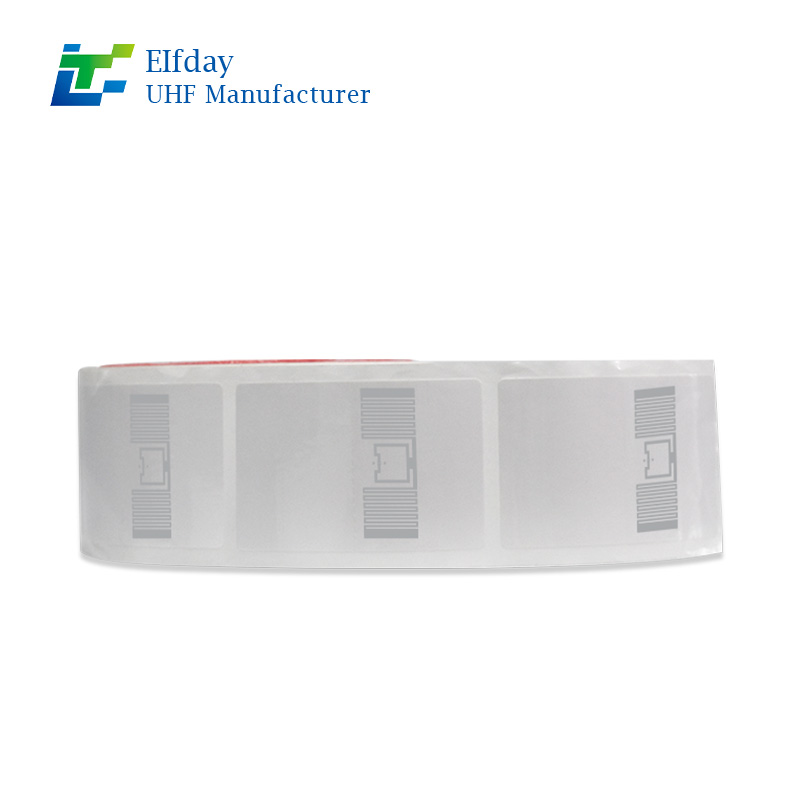
RFID for retail inventory involves using RFID tags and readers to track products in real-time, from the warehouse to the store floor. Unlike barcode scanning, RFID allows for hands-free, automated tracking of items, reducing human error and enhancing efficiency. RFID tags are attached to products, and RFID readers scan them using radio waves, providing instant access to product information.
The Benefits of RFID for Retail Inventory
Improved Inventory Accuracy
With RFID, retailers can achieve a level of accuracy that manual inventory systems simply can’t match. Real-time data ensures that store owners and managers always know what products are in stock, what’s out of stock, and what’s on order. This level of accuracy helps reduce shrinkage and inventory discrepancies.
Faster Stocktaking and Replenishment
Gone are the days of labor-intensive stock counts. RFID technology automates inventory counts, drastically reducing the time required for stocktaking. This means retailers can quickly replenish shelves, ensuring customers never encounter out-of-stock items.
Better Customer Experience
Real-time inventory data ensures that items are always available when customers want them. By preventing stockouts, retailers can offer a seamless shopping experience both online and in-store. RFID also allows for better in-store navigation and personalized experiences based on available stock.
Increased Operational Efficiency
RFID significantly reduces the time and labor costs associated with manual inventory management. This increased efficiency allows store employees to focus on other important tasks, such as customer service and sales.
Enhanced Supply Chain Visibility
With RFID, retailers gain greater visibility across their entire supply chain. From the supplier to the distribution center to the store, RFID allows for better tracking and monitoring of products, helping to prevent delays and improve order fulfillment.
How RFID Improves Retail Inventory Accuracy and Efficiency
RFID tags provide a wealth of data, allowing retailers to track not just product quantities, but also location, movement, and even condition. By integrating RFID with your existing inventory management system, you gain a unified view of your stock levels, enabling faster and more informed decision-making.
RFID in Action: Real-World Examples
Major retailers, including Walmart, Target, and Zara, have already embraced RFID technology to streamline their inventory management. For example, Walmart’s use of RFID has led to improved stock accuracy, reduced out-of-stock instances, and greater efficiency in its supply chain.
Is RFID Right for Your Retail Business?
While RFID technology offers incredible benefits, it’s important to assess whether it’s the right solution for your retail business. If you’re struggling with inventory inaccuracy, frequent stockouts, or long stocktaking times, RFID could be the game-changer you’ve been looking for.
Embrace the Future of Retail with RFID
RFID for retail inventory is more than just a trend—it’s the future of retail inventory management. By adopting RFID technology, retailers can improve accuracy, reduce costs, and enhance the customer experience. As consumer demands grow and the retail landscape becomes increasingly competitive, staying ahead with innovative solutions like RFID is crucial for long-term success.