








How RFID Technology Can Increase Jewelry Store Profitability
In the ever-evolving world of retail, jewelry stores are continually seeking innovative ways to boost profitability, streamline operations, and enhance customer experience. One game-changing technology that's transforming the jewelry retail industry is RFID (Radio Frequency Identification). RFID tags, specifically designed for jewelry, offer a host of advantages that can significantly impact a store's bottom line. In this article, we’ll explore how RFID technology can increase jewelry store profitability while providing valuable insights for both store owners and customers.
1. Improved Inventory Management
One of the most critical challenges in managing a jewelry store is keeping track of inventory. Traditional manual tracking methods are time-consuming, prone to errors, and often result in stock discrepancies. With RFID tags for jewelry, store owners can automate inventory management and track each item in real-time. RFID-enabled systems allow jewelry pieces to be quickly scanned and identified, ensuring accurate inventory counts without the need for manual stocktakes.
This enhanced efficiency reduces the risk of overstocking or stockouts, leading to more consistent sales and fewer lost opportunities. Additionally, RFID technology helps prevent theft by allowing store staff to quickly detect missing or misplaced items. The result is a smoother operation, improved stock control, and ultimately, a more profitable business.
2. Enhanced Customer Experience
RFID technology not only benefits store owners but also plays a pivotal role in enhancing the customer experience. When customers enter a jewelry store, they are often overwhelmed by the vast range of products available. RFID tags for jewelry enable store associates to offer personalized and efficient service by instantly retrieving detailed information about a product, such as price, material, and stock availability. This helps customers make informed purchasing decisions with minimal effort.
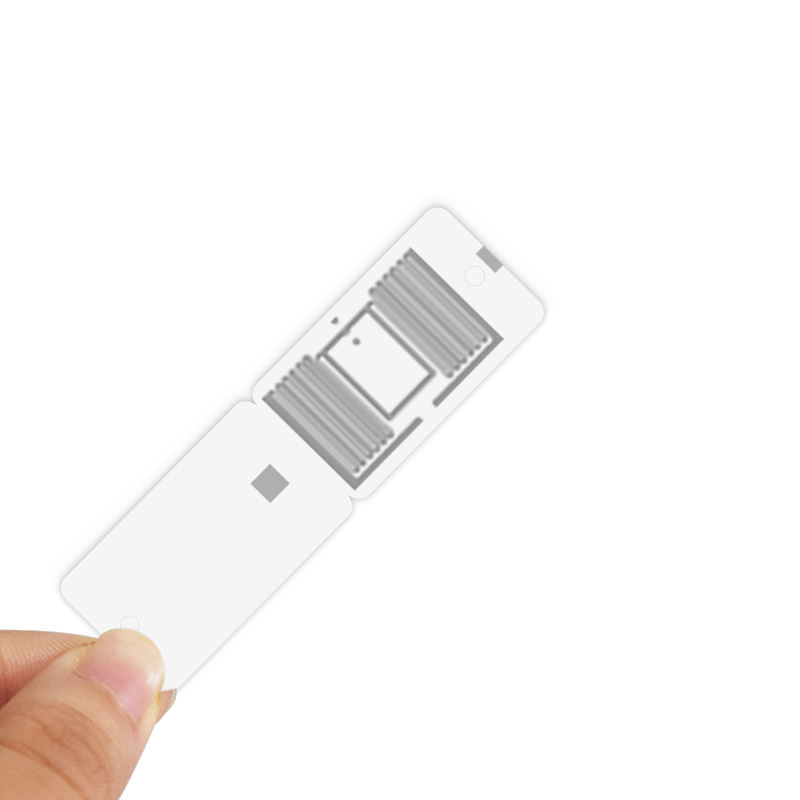
Moreover, RFID can be integrated with interactive displays and digital signage, providing customers with access to more information about jewelry items they are interested in. This level of convenience and personalization can lead to increased customer satisfaction, repeat visits, and higher sales, contributing directly to higher profitability.
3. Faster Checkout Process
The checkout process can often be a bottleneck in retail environments, especially in jewelry stores where items can be small, delicate, and varied. RFID tags for jewelry make this process quicker and more efficient by eliminating the need for manual scanning or entering information into a point-of-sale (POS) system. Instead, jewelry pieces with RFID tags can be automatically detected and processed, reducing wait times for customers.
By speeding up the checkout process, stores can handle more customers in less time, leading to higher sales volume and improved overall profitability. Moreover, with fewer human errors, stores can provide a more accurate and smooth transaction experience, which builds customer trust and loyalty.
4. Cost Savings on Loss Prevention
Loss prevention is a top priority for jewelry stores, and RFID technology plays a crucial role in safeguarding merchandise. RFID tags provide real-time tracking and monitoring of jewelry items, enabling stores to quickly identify and address theft or misplaced goods. This proactive approach to loss prevention can significantly reduce shrinkage rates, ultimately contributing to higher profitability.
In addition to reducing theft, RFID technology can also help stores manage returns and exchanges more effectively. By tracking items with RFID tags, stores can ensure that only authentic products are returned, minimizing fraud and potential losses.
5. Data-Driven Insights for Smarter Business Decisions
RFID technology provides stores with valuable data that can be used to optimize operations and boost profitability. By analyzing RFID-tagged inventory, store owners can gain insights into sales trends, customer preferences, and stock levels. This data can inform purchasing decisions, promotional strategies, and product placements, helping to increase sales and drive profitability.
For example, RFID data might reveal which jewelry items are selling faster and which are underperforming. Armed with this knowledge, store owners can adjust their inventory and marketing efforts to capitalize on high-demand products while phasing out slow-moving stock. This strategic approach ensures that the store is always in tune with market trends and customer demands, leading to better profitability.
Incorporating RFID technology into your jewelry store's operations offers a wide range of benefits that can significantly impact profitability. From improving inventory management and enhancing the customer experience to speeding up the checkout process and preventing loss, RFID tags for jewelry are a powerful tool for optimizing store performance. By embracing this innovative technology, jewelry store owners can create a more efficient, customer-friendly environment that drives sales, boosts profitability, and ensures long-term business success.
If you’re looking to stay ahead of the competition and increase your store’s profitability, now is the perfect time to consider integrating RFID technology into your jewelry store operations. With RFID tags for jewelry, you’ll unlock new opportunities for growth and efficiency, setting your store up for success in the future.