








How to Choose the Best UHF RFID Tags for Your Business
In today’s fast-paced world, businesses are constantly looking for ways to streamline operations, improve inventory management, and enhance security. One of the most effective technologies in achieving these goals is UHF RFID tags. These tags play a crucial role in asset tracking, inventory management, and retail operations. But how do you choose the best UHF RFID tags for your business? In this article, we’ll guide you through the key factors to consider when selecting UHF RFID tags, helping you make an informed decision that supports both your operational needs and business growth.
What are UHF RFID Tags?
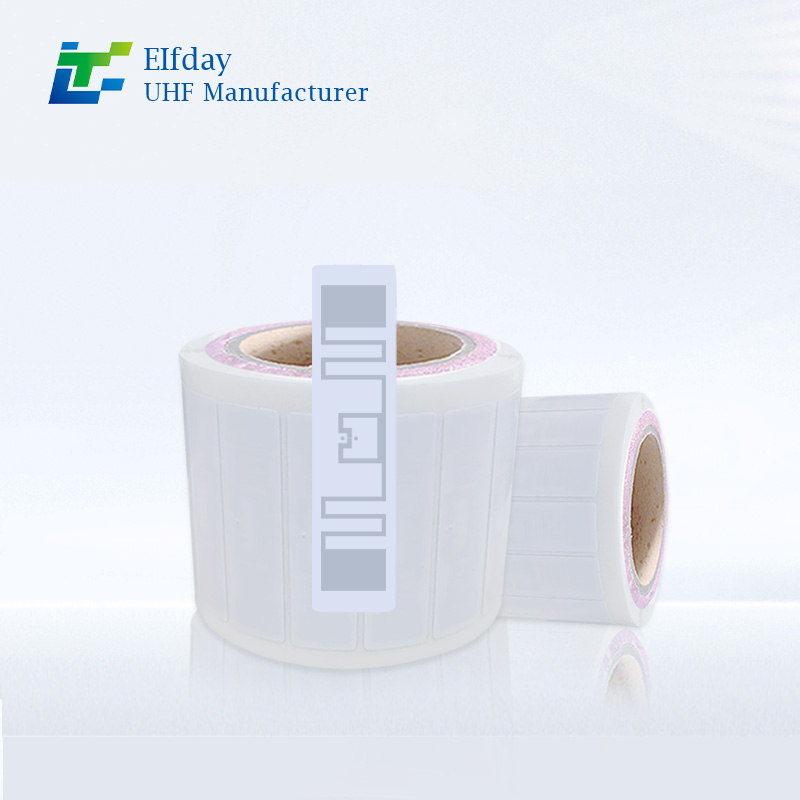
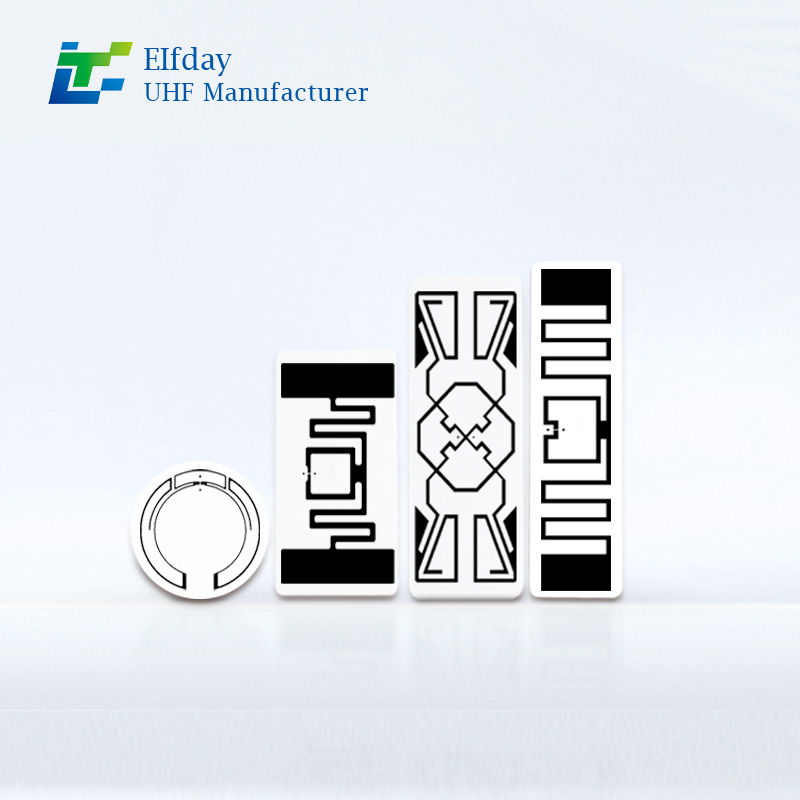
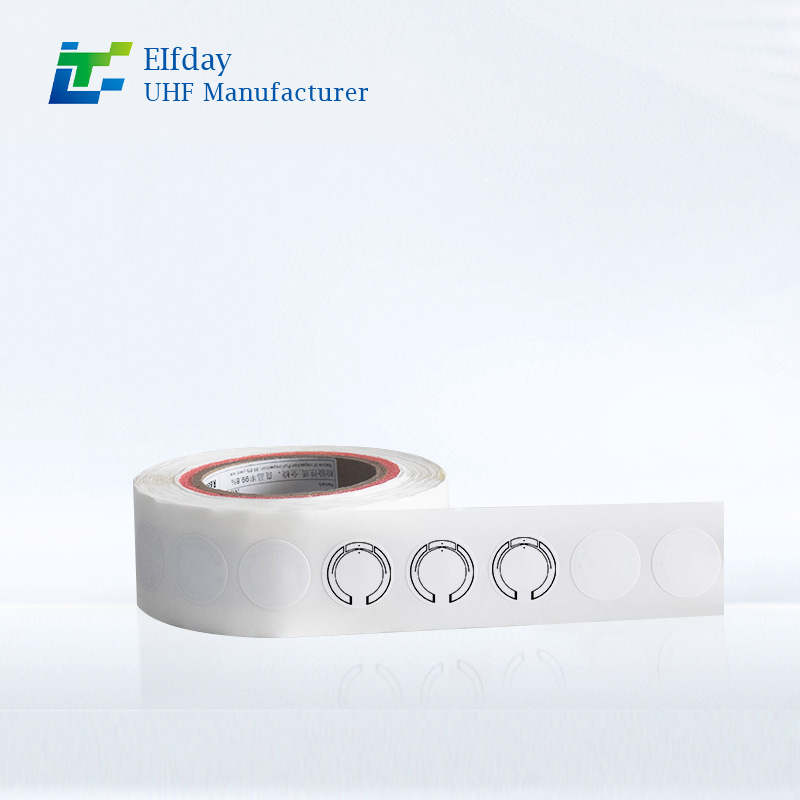
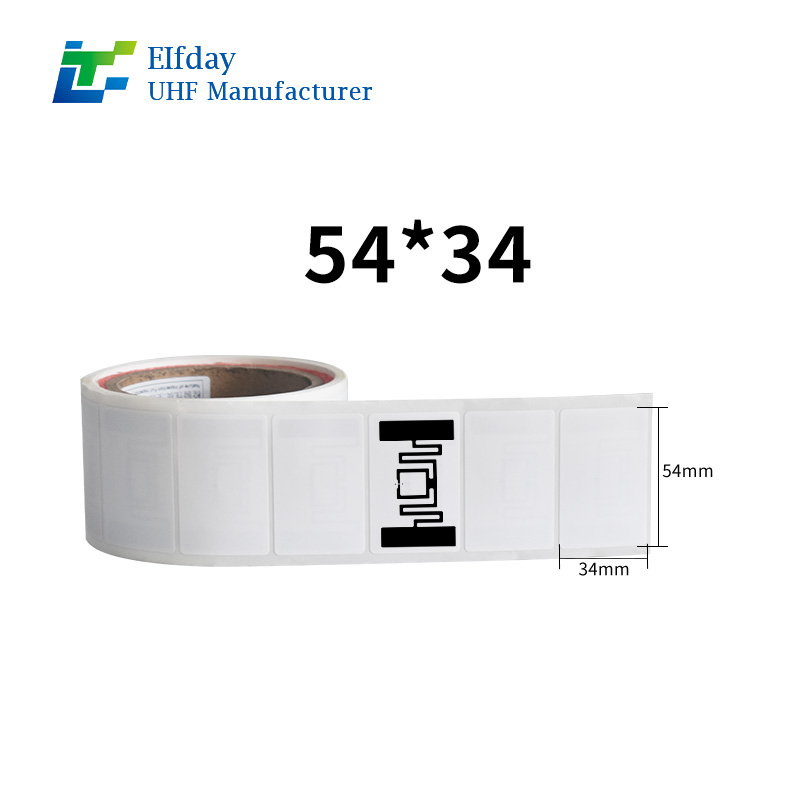
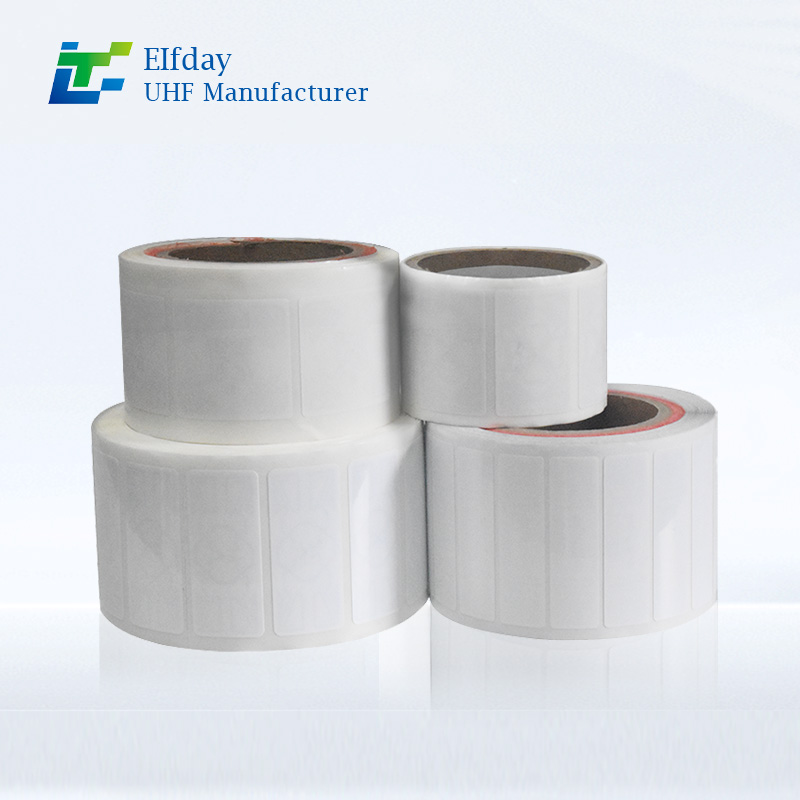
UHF RFID tags (Ultra High Frequency Radio Frequency Identification tags) are devices that use radio waves to identify and track objects. Unlike traditional barcodes or manual tracking methods, UHF RFID tags can be read from a distance and without direct line of sight, making them incredibly efficient for large-scale operations. They are widely used in supply chain management, retail, asset tracking, and other industries.
Key Factors to Consider When Choosing UHF RFID Tags
Choosing the right UHF RFID tags for your business involves several important factors. Let’s break down what to look for when making your decision.
1. Range and Readability
The reading range of UHF RFID tags is one of the most important considerations. Depending on your business needs, you may require tags that can be read from a short distance (1-2 meters) or long-range tags that can be read from 10 meters or more. The ability to read tags from a distance without direct line of sight can significantly improve efficiency, especially in environments like warehouses or large retail stores.
For businesses dealing with large volumes of inventory or assets, investing in long-range UHF RFID tags can make a big difference in operational efficiency.
2. Tag Material and Durability
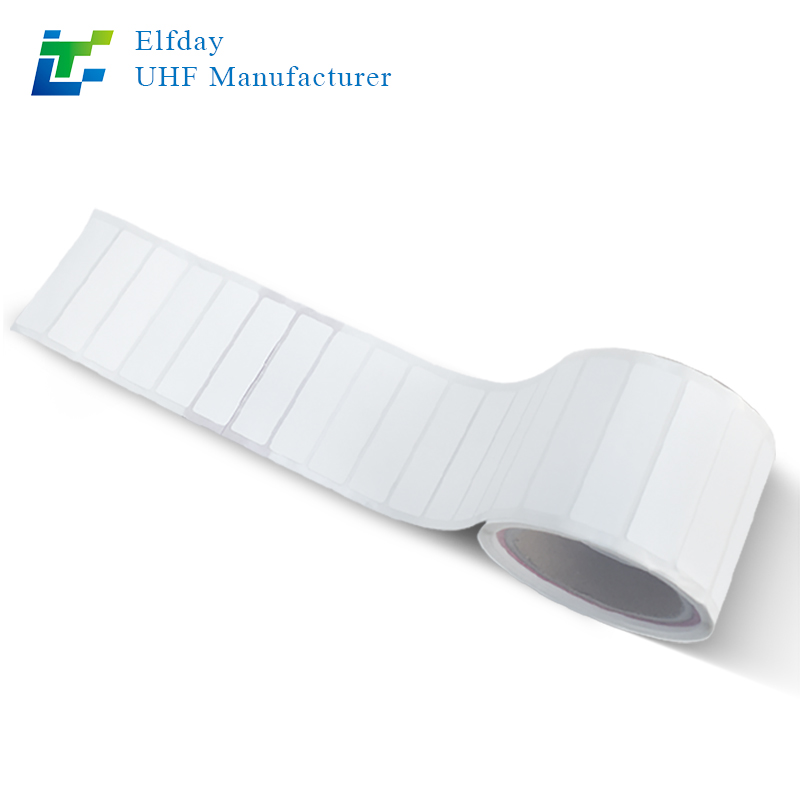
UHF RFID tags come in various materials and forms, including paper, plastic, and metal. The choice of material will depend on the environment in which the tags will be used. For instance:
Paper RFID tags are ideal for retail and short-term use.
Plastic RFID tags offer better durability and are suited for long-term asset tracking.
Metal RFID tags are designed for use in harsh environments, such as industrial or outdoor settings, as they can withstand extreme temperatures, moisture, and rough handling.
Choosing the right material ensures that the tags perform optimally in your specific environment, leading to fewer errors and lower operational costs.
3. Memory Capacity
UHF RFID tags can have different memory capacities, ranging from simple read-only tags to more advanced ones with rewritable memory. If your business requires storing detailed information on each tag, such as product details, serial numbers, or location data, you’ll need a tag with a larger memory capacity.
Advanced UHF RFID tags with more memory can provide added flexibility in tracking and managing assets, offering better integration with your existing systems.
4. Compatibility with RFID Readers
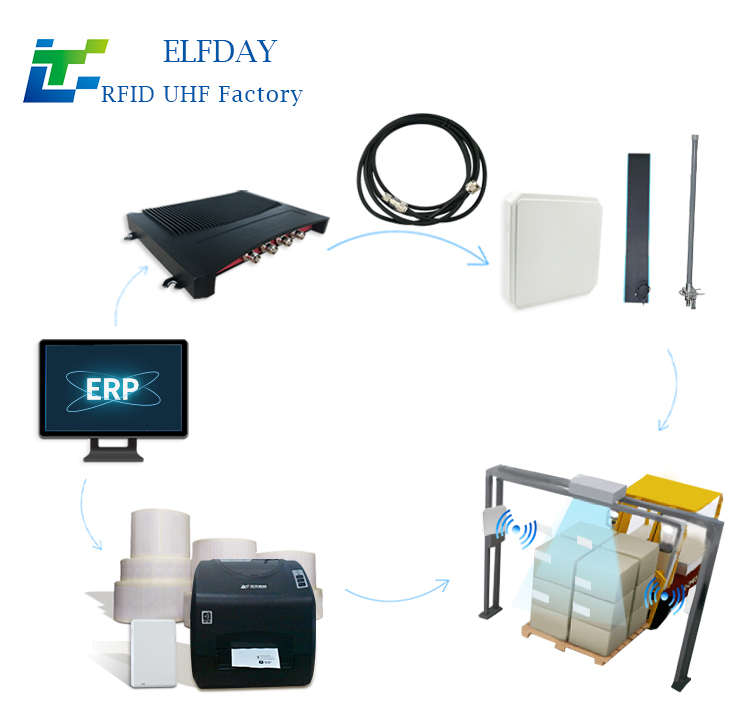
Not all RFID readers are compatible with every UHF RFID tag. Before purchasing your tags, ensure they are compatible with your current or planned RFID readers. UHF RFID tags operate on specific frequencies, and the reader must support the same frequency range for optimal performance.
Check whether the tags are compatible with the RFID hardware you intend to use to avoid additional costs in upgrading or replacing your systems.
5. Cost and Volume
Cost is always a significant consideration when purchasing UHF RFID tags. However, the price of the tag should be weighed against its long-term benefits. Higher-quality tags may cost more upfront but could save you money over time due to better durability and performance.
If you need a large volume of tags for a high-volume business, look for suppliers who offer bulk discounts or customizable options that meet your specific needs. The total cost of ownership can be much lower when you make the right investment upfront.
6. Security Features
Security is a growing concern for businesses using RFID technology. Some UHF RFID tags come with encryption and security features that prevent unauthorized access to the information stored on the tag. If your business involves sensitive data or high-value assets, you might want to opt for RFID tags with enhanced security capabilities.
For example, some RFID tags offer features like password protection or the ability to disable tags after use, ensuring that your data remains secure and your assets are protected.
Why UHF RFID Tags Can Revolutionize Your Business
By investing in the right UHF RFID tags, your business can experience numerous benefits, including:
Improved inventory accuracy: RFID technology minimizes the errors associated with manual inventory management, saving time and reducing losses.
Faster asset tracking: UHF RFID tags allow you to locate assets quickly, improving operational efficiency and reducing downtime.
Better customer experience: With real-time data, your business can offer faster service, optimize stock levels, and ensure that products are always available for customers.
Cost savings: Reducing manual labor and operational inefficiencies means your business can save on costs in the long run.
Choosing the best UHF RFID tags for your business is crucial for optimizing operations, improving inventory management, and boosting overall productivity. When selecting tags, consider factors like range, durability, memory capacity, compatibility, cost, and security features. With the right UHF RFID tags in place, you can future-proof your business and stay ahead of the competition in today’s fast-paced market.
If you’re ready to take your business to the next level, invest in high-quality UHF RFID tags today and experience the difference they can make.