








How to Integrate UHF RFID Tags with Existing Systems
Integrating UHF RFID tags with your existing systems can significantly enhance your asset tracking, inventory management, and overall operational efficiency. In this guide, we’ll explore the benefits of UHF RFID tags, how to seamlessly integrate them with your current infrastructure, and why this is a smart investment for the future.
What are UHF RFID Tags?
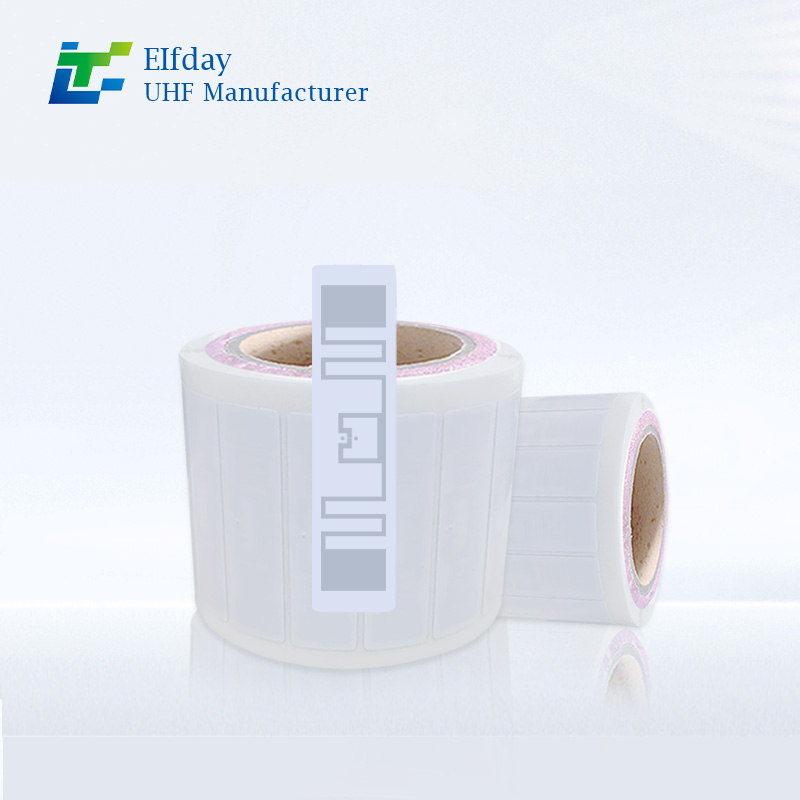
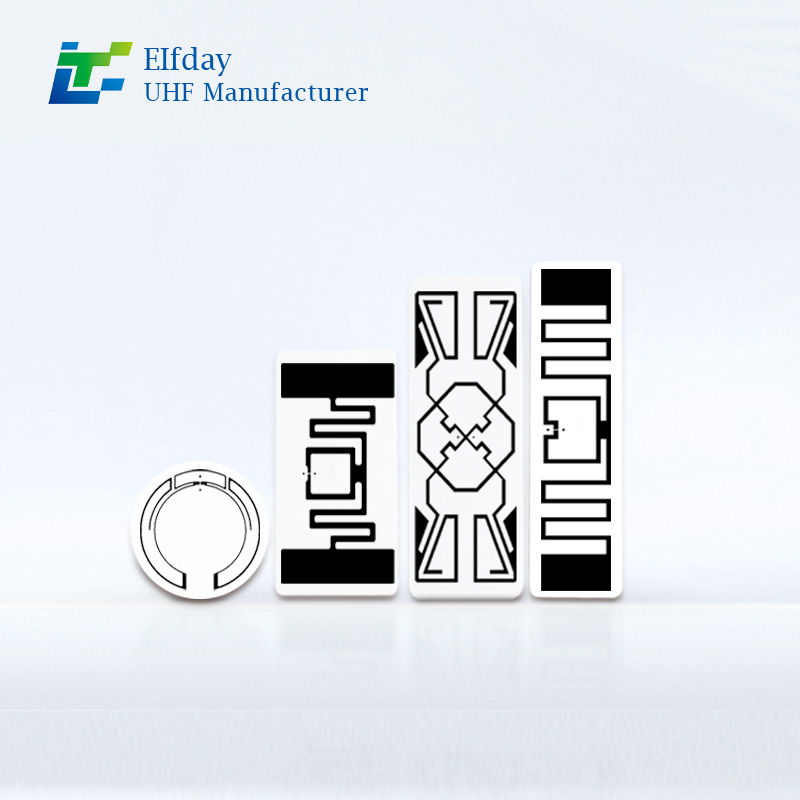
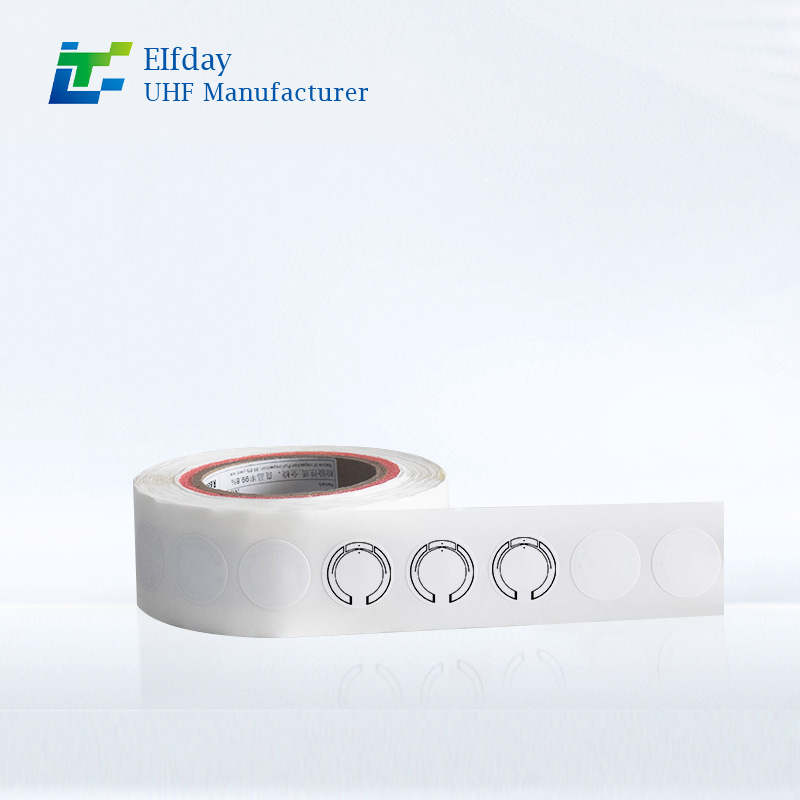
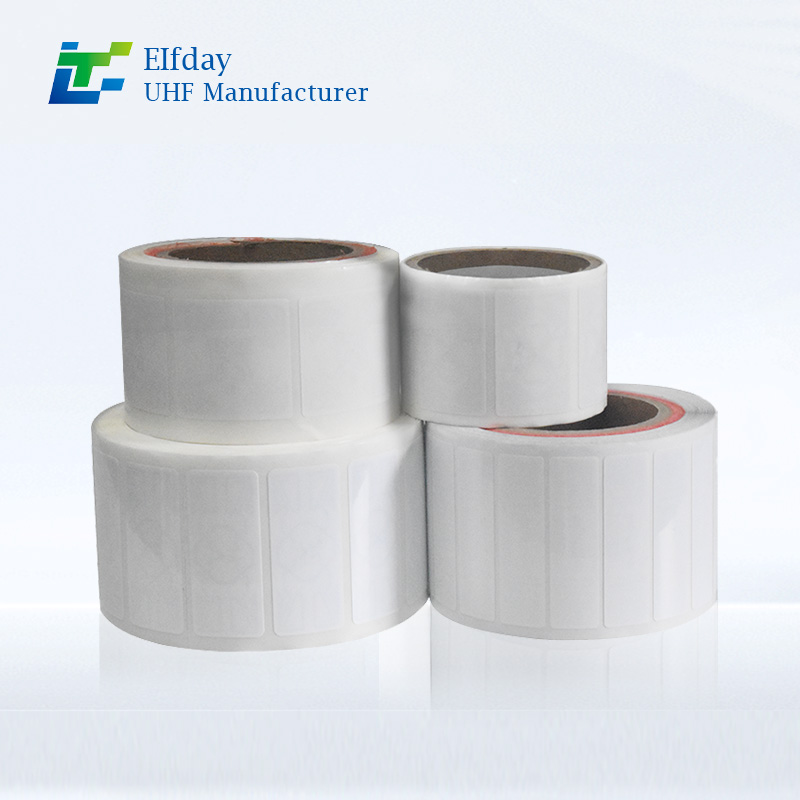
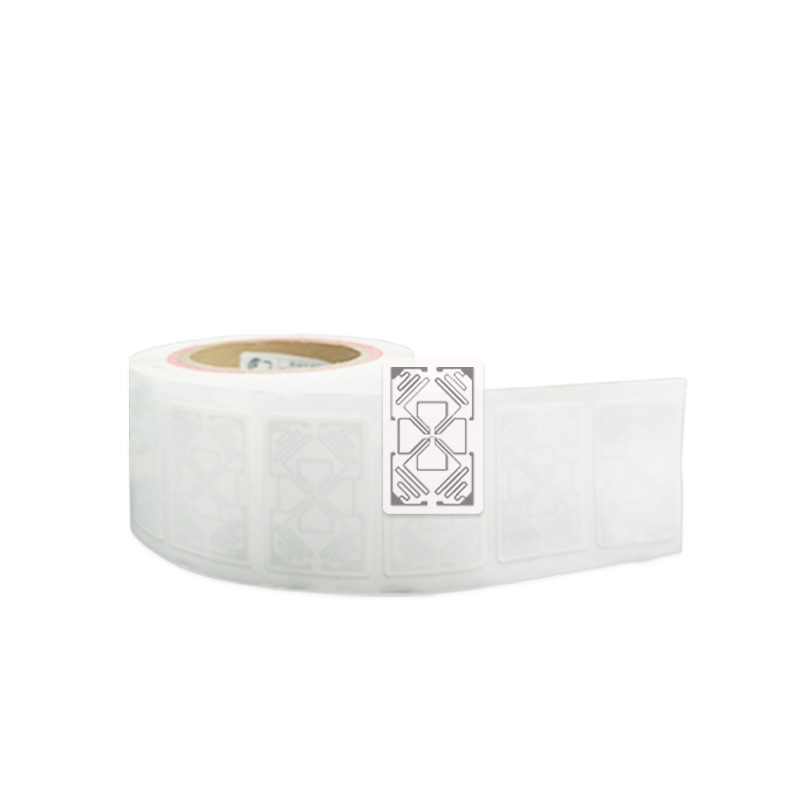
UHF (Ultra High Frequency) RFID tags are advanced tracking devices that use radio waves to transmit information over long distances. They are commonly used in industries ranging from retail to logistics, providing real-time data on inventory, equipment, and assets. UHF RFID tags are a powerful solution for businesses looking to streamline their operations, improve accuracy, and reduce human errors.
Why Integrating UHF RFID Tags Makes Sense
Before diving into the technical steps, it’s essential to understand why integrating UHF RFID tags into your existing systems can be a game-changer for your business:
Improved Efficiency: UHF RFID tags offer faster and more accurate asset tracking than traditional barcode systems. This results in fewer mistakes and quicker identification of goods.
Cost Savings: Automating the tracking of inventory and assets reduces labor costs, minimizes errors, and helps you avoid costly stockouts or overstock situations.
Real-Time Data: UHF RFID systems provide instant data on the location, condition, and movement of assets, giving you better control and visibility over your inventory.
Scalability: Whether you’re running a small operation or a global enterprise, UHF RFID technology can scale to meet your needs.
Step-by-Step Process for Integrating UHF RFID Tags
1. Assess Your Current Systems
Before you integrate UHF RFID tags, it’s crucial to assess your existing systems. Take an inventory of your current hardware, software, and workflow processes. This helps ensure the integration will be smooth and compatible with your existing infrastructure.
2. Choose the Right UHF RFID Tags
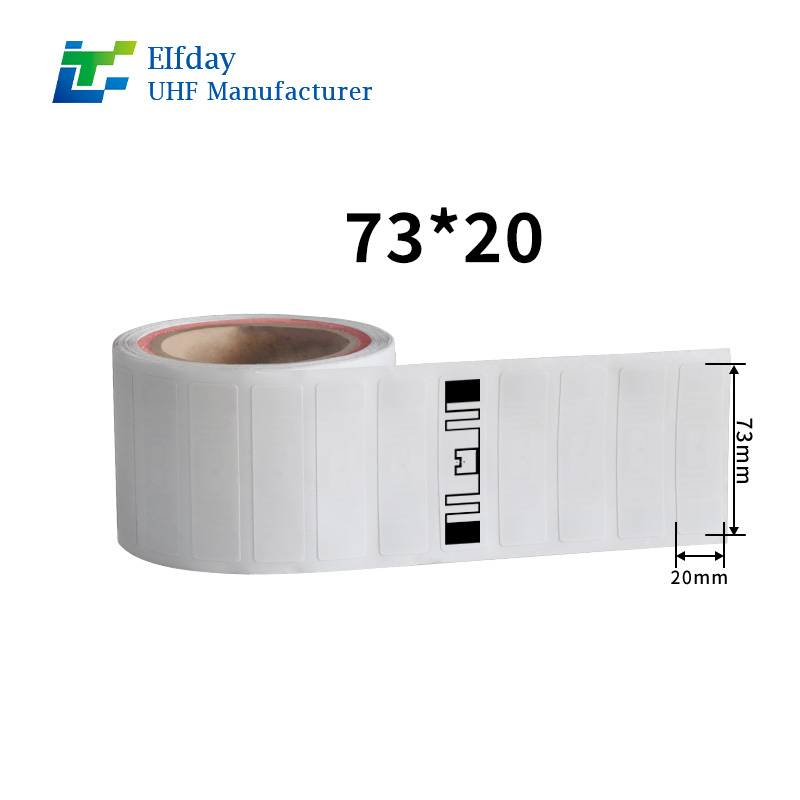
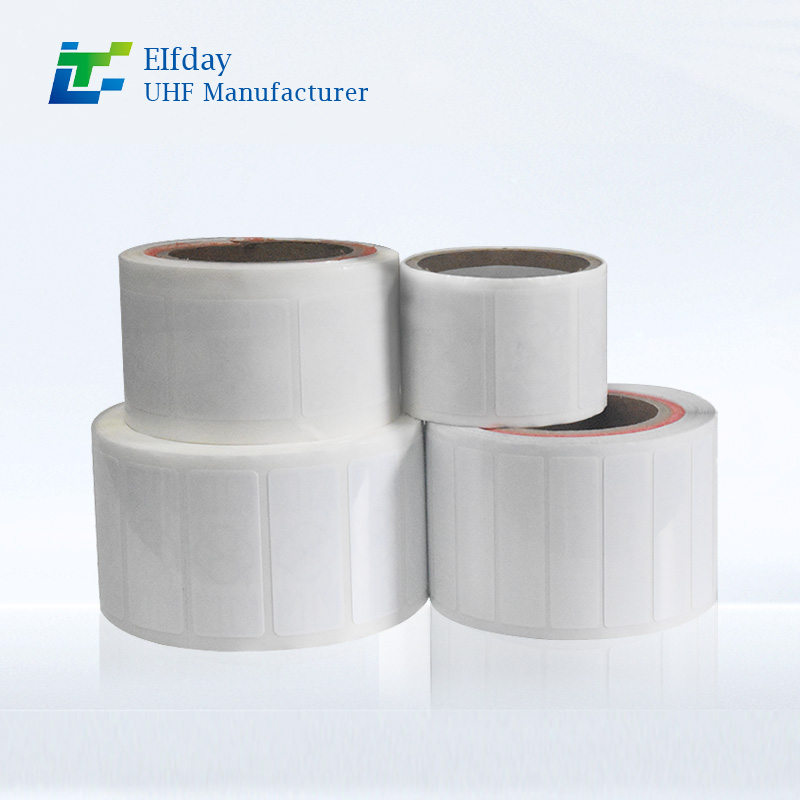
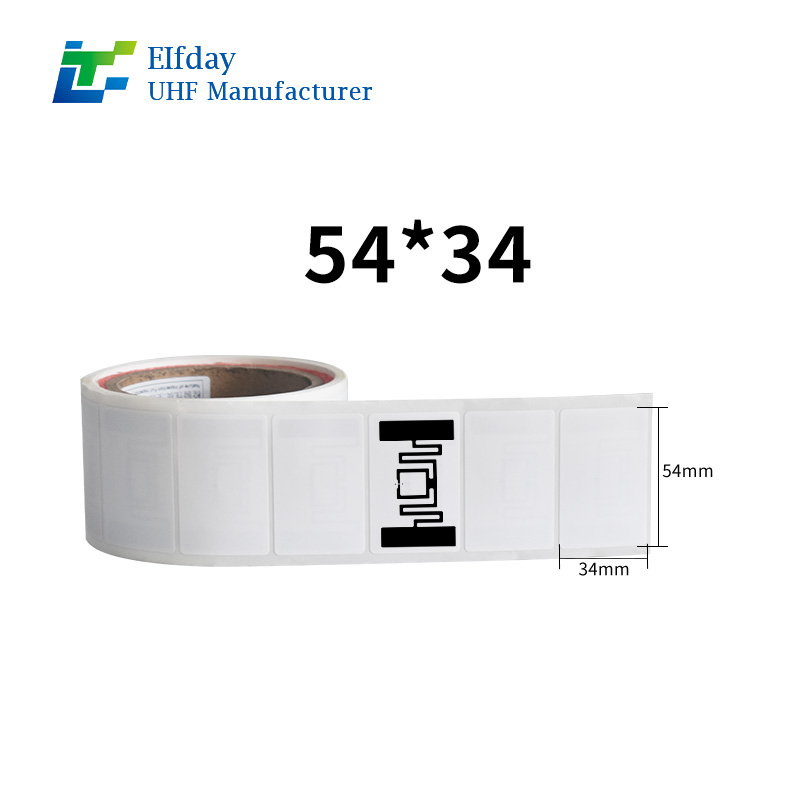
The type of UHF RFID tags you choose will depend on your specific needs. There are various tag forms, such as passive, active, and semi-passive RFID tags, each offering different benefits. Be sure to select the one that best aligns with your application, whether it’s for asset tracking, inventory management, or supply chain visibility.
3. Install RFID Readers
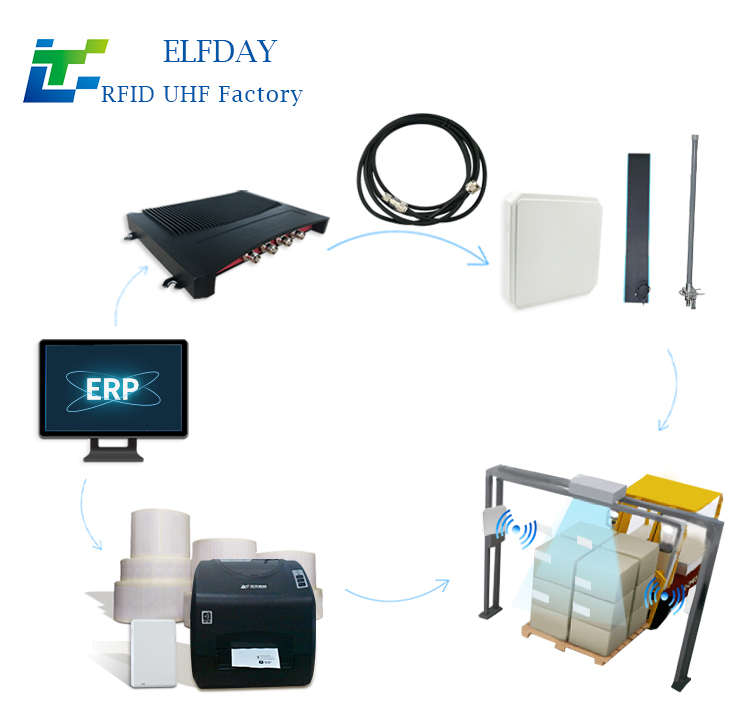
Once you have the UHF RFID tags ready, the next step is installing RFID readers. These devices are responsible for detecting and reading the information stored on the RFID tags. Ensure that you place RFID readers at key entry/exit points or in locations where asset movement is crucial for your operations.
4. Integrate with Your Software
Integrating UHF RFID tags with your existing management systems requires specialized software that can process the RFID data. Most modern Enterprise Resource Planning (ERP) and Warehouse Management Systems (WMS) are RFID-compatible. If your system is not yet RFID-enabled, you’ll need to integrate middleware that can interpret and translate RFID signals into actionable data.
5. Test and Optimize the System
After installation, it’s vital to thoroughly test your RFID system. Ensure that the tags are being read correctly, and that data is seamlessly flowing into your management software. Test different scenarios such as asset movement, stock counting, and condition tracking to make sure the system operates as expected.
6. Train Your Staff
Training your employees on how to use the RFID system is essential. The smoother the transition, the quicker you’ll see results. Provide hands-on training sessions and manuals to ensure everyone is familiar with the new system.
Benefits of UHF RFID Tag Integration
Enhanced Accuracy: With UHF RFID tags, human errors in manual inventory tracking are drastically reduced. Automated tracking ensures that all items are accounted for without the risk of data entry mistakes.
Faster Processes: UHF RFID tags can be read from several feet away, eliminating the need for direct line-of-sight scanning like barcode systems. This speed boosts the overall efficiency of your operations.
Real-Time Monitoring: Integration allows you to monitor assets in real time, helping you make informed decisions and streamline supply chain management.
Future-Proofing Your Business: By adopting RFID technology, you position your business for future advancements in automation and data analytics. As the technology continues to evolve, your business can easily adapt without significant overhauls.
Invest in UHF RFID Tags Today
Integrating UHF RFID tags into your current systems doesn’t just improve operational efficiency – it opens doors to a more data-driven, scalable future. Whether you’re in logistics, retail, healthcare, or manufacturing, RFID technology can help you stay ahead of the curve. By following the steps outlined above, you can integrate RFID tags into your operations and unlock their full potential.
Don't miss out on the benefits of UHF RFID tags. Make the smart choice and invest in UHF RFID technology today.