








How to Test UHF RFID Tags Before Buying
When you’re looking to invest in UHF RFID tags, whether for inventory management, asset tracking, or supply chain optimization, it’s crucial to ensure that you’re getting high-quality products. Poorly functioning RFID tags can lead to lost data, inefficiency, and increased operational costs. In this guide, we’ll explore how to test UHF RFID tags before buying them, ensuring you make the best investment for your needs.
Why Testing UHF RFID Tags Is Important
Testing UHF RFID tags before making a purchase is essential for several reasons:
Compatibility: Not all RFID tags work seamlessly with every RFID reader or system.
Read Range: You’ll want to ensure that the tags can be read at the appropriate distances for your specific application.
Durability: If you need UHF RFID tags for outdoor use or harsh environments, testing durability is key to ensuring long-term performance.
Tag Performance: Variations in read/write speed, reliability, and accuracy can drastically impact your system’s overall efficiency.
By testing the tags beforehand, you save time and money and avoid potential headaches down the road.
Steps to Test UHF RFID Tags Before Buying
1. Test with Your RFID Reader
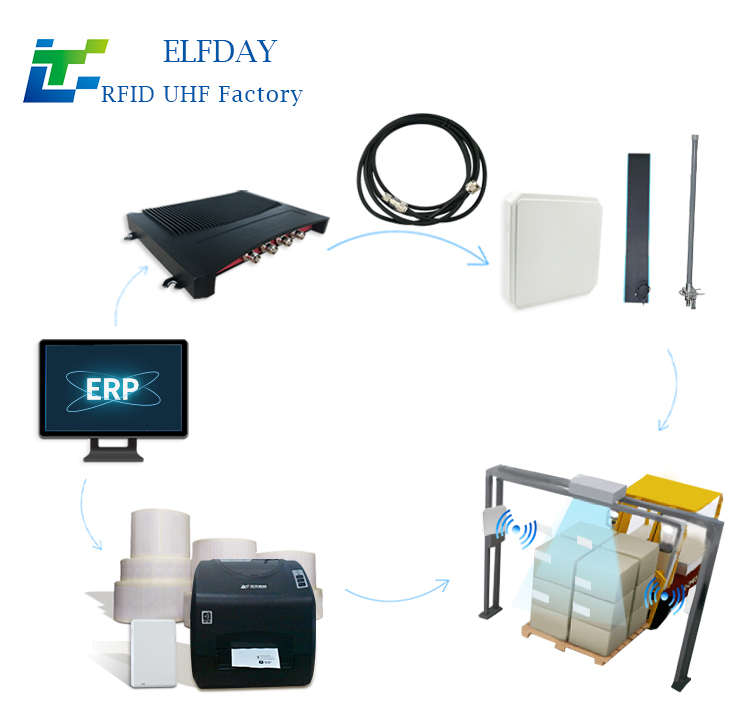
Before purchasing UHF RFID tags, it’s essential to test them with the specific RFID reader you plan to use. Compatibility is key to ensuring smooth performance. Here’s how:
Read Range Test: Place the RFID tag at different distances from the reader and test the range at which the tag can still be successfully read. This is particularly important for applications where items are stored in large spaces.
Signal Strength: Ensure the reader’s signal strength is adequate to capture the tag’s signal at various angles, heights, and distances.
Multiple Tag Handling: If your application involves reading multiple tags at once, test how well the RFID system performs with multiple tags in the field of view.
2. Check Durability and Environmental Suitability
Depending on your intended use, you may need UHF RFID tags that can withstand tough conditions. Here’s how to test their durability:
Temperature Resistance: Test the tags under different temperature conditions. Some UHF RFID tags are designed for high heat or cold environments.
Moisture and Chemical Resistance: If your RFID system will be used in warehouses, factories, or outdoor environments, check how the tags perform when exposed to moisture, chemicals, or dust.
Physical Impact Test: Subject the tag to physical stress (e.g., drops or crushing) to assess its robustness. If the tag is going to be attached to equipment or assets, you need to ensure it can endure wear and tear.
3. Evaluate Read/Write Performance
Not all UHF RFID tags are created equal when it comes to read/write capabilities. Here’s what you should test:
Read Speed: Test how quickly the RFID tag responds to the reader. Slow tags can hinder your operations.
Write Speed: If your application involves writing data to the tags (such as adding asset information), make sure that the write functionality is fast and reliable.
Reliability: Perform multiple read/write operations to test consistency. The tags should work equally well after multiple interactions.
4. Test Tag Size and Form Factor
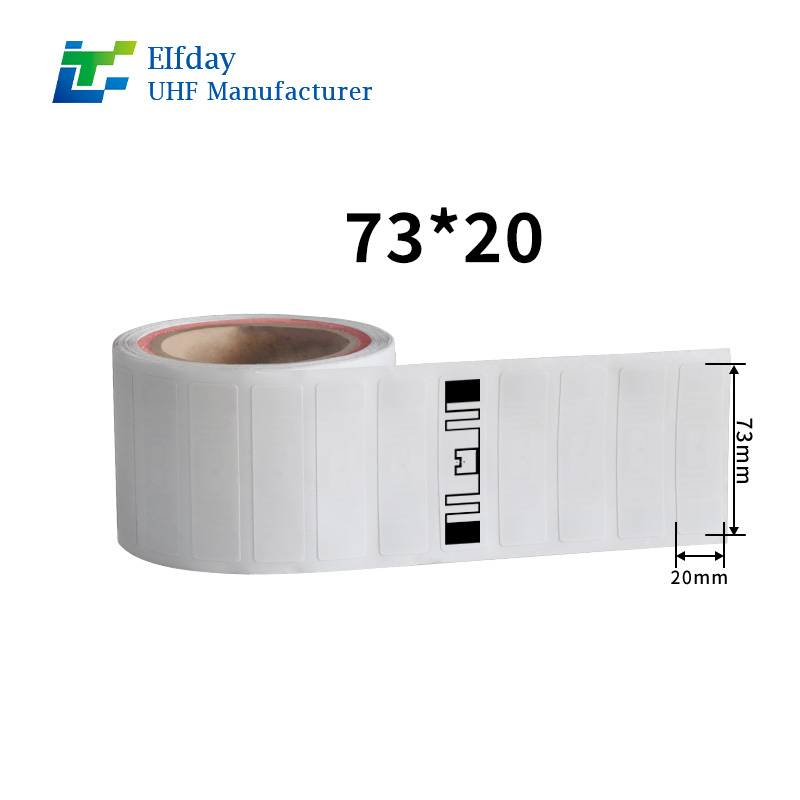
The physical size and shape of a UHF RFID tag are important considerations depending on your application. Consider the following:
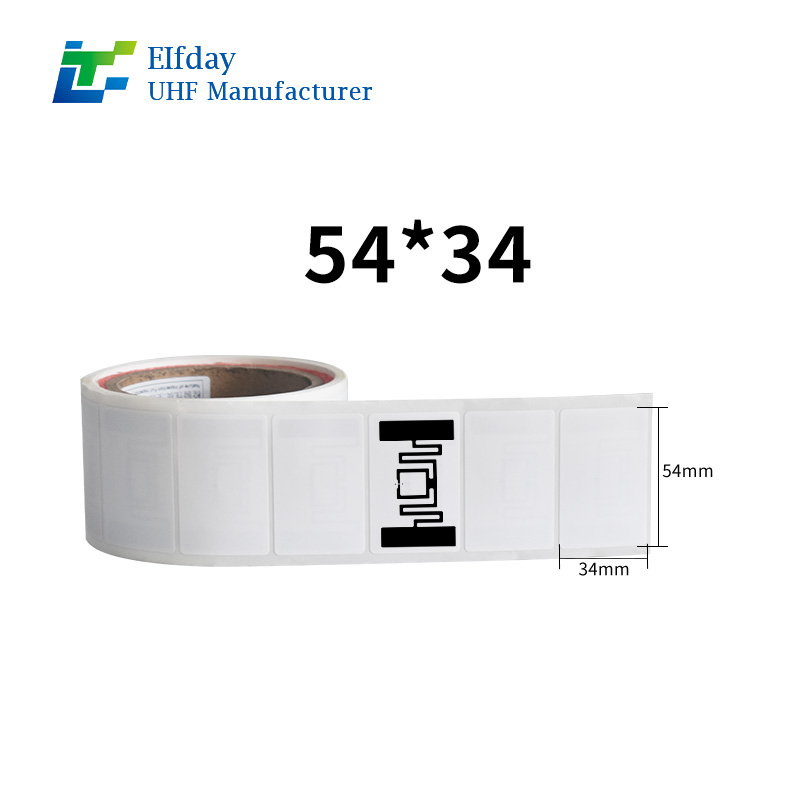
Size Compatibility: Ensure the tag fits in the intended space on the asset or product.
Attachment Method: Check whether the tag can be easily attached (via adhesive, screws, or other methods) to your asset without damaging it.
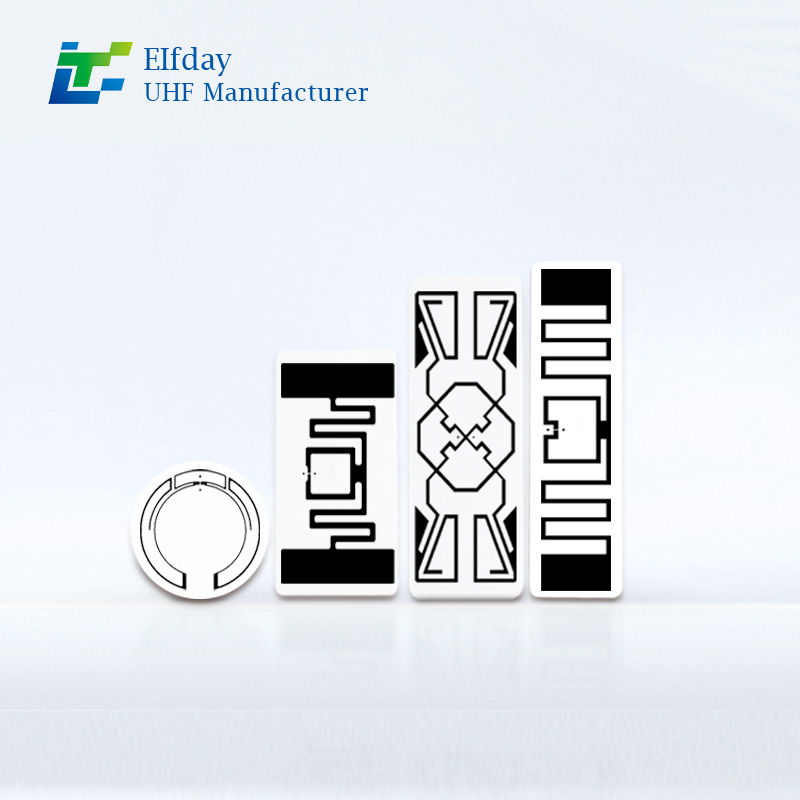
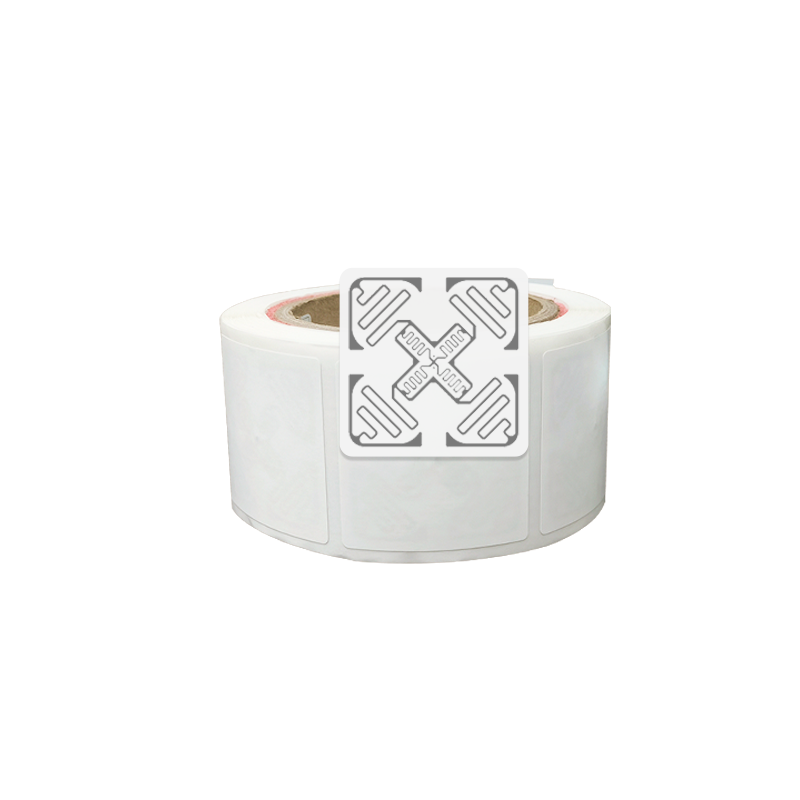
Form Factor: Test different forms (e.g., rigid, flexible, or adhesive-backed tags) to see which one works best for your use case.
5. Assess Pricing and Manufacturer Reputation
Price is a critical factor when selecting UHF RFID tags, but you should also consider the reputation of the manufacturer. Some manufacturers offer a higher-quality product at a slightly higher price, while others may offer cheaper, lower-quality options. Look for:
Warranty and Return Policy: A good manufacturer should offer a warranty and clear return policy in case the tags don’t perform as expected.
Customer Reviews: Check online reviews and user feedback for insight into the manufacturer’s quality and customer service.
Choose Wisely for Optimal RFID Performance
Testing UHF RFID tags before buying is the only way to ensure they meet your operational needs. Whether you need tags for inventory management, asset tracking, or product authentication, proper testing will help you avoid problems and maximize the effectiveness of your system.
When purchasing UHF RFID tags, remember to focus on compatibility, durability, read/write performance, and tag form factor. With these steps, you’ll ensure that your investment in RFID technology leads to smooth operations and long-term success.
Ready to get the best UHF RFID tags for your business? Contact us today for a free consultation and explore a wide selection of high-quality RFID tags that meet your specific needs.