








Why UHF RFID Labels Outperform Barcodes in Fast-Paced Environments
In today's fast-paced business world, efficiency and accuracy are more important than ever. For businesses in industries like logistics, manufacturing, retail, and healthcare, tracking and managing inventory can be a complex task. Traditional barcode systems have been the go-to solution for decades, but with the rise of UHF RFID technology, businesses now have a more powerful alternative. If you’re looking for a modern solution to boost your business operations, UHF RFID etikets (tags) could be the key to gaining a competitive edge.
What Are UHF RFID Labels and Why Are They Important?
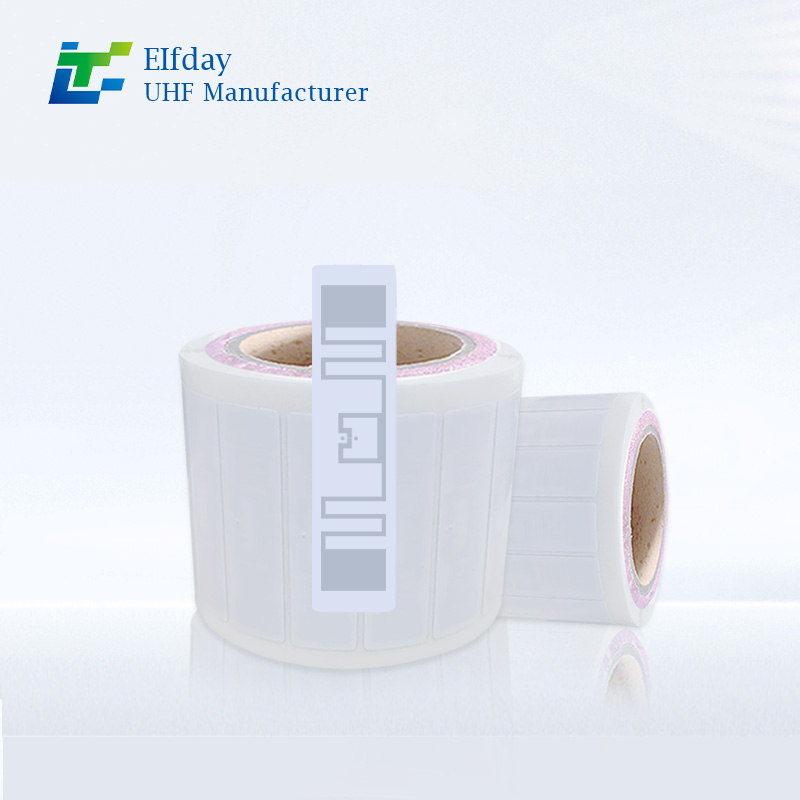
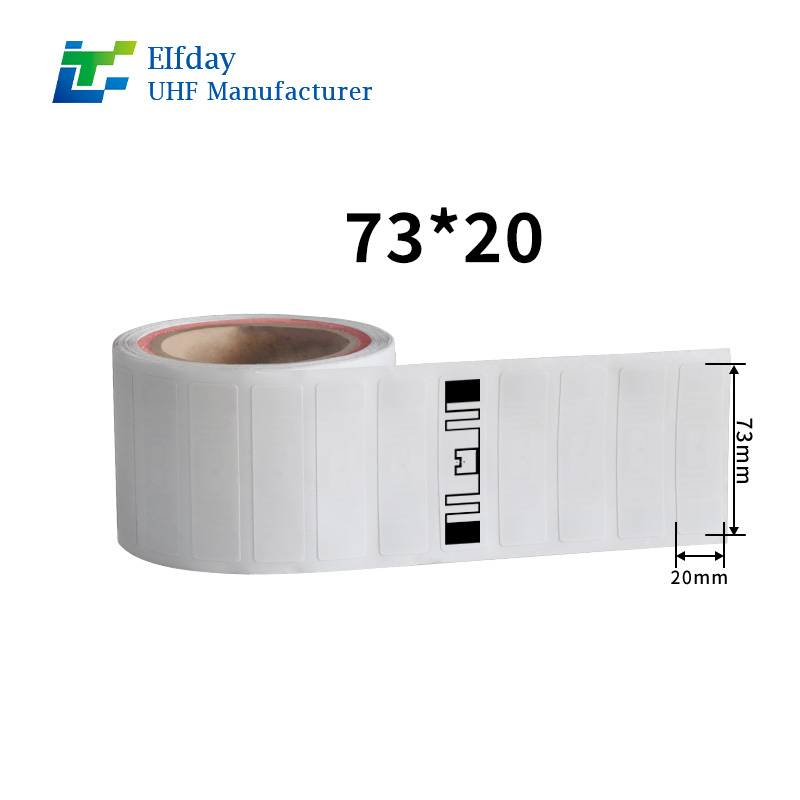
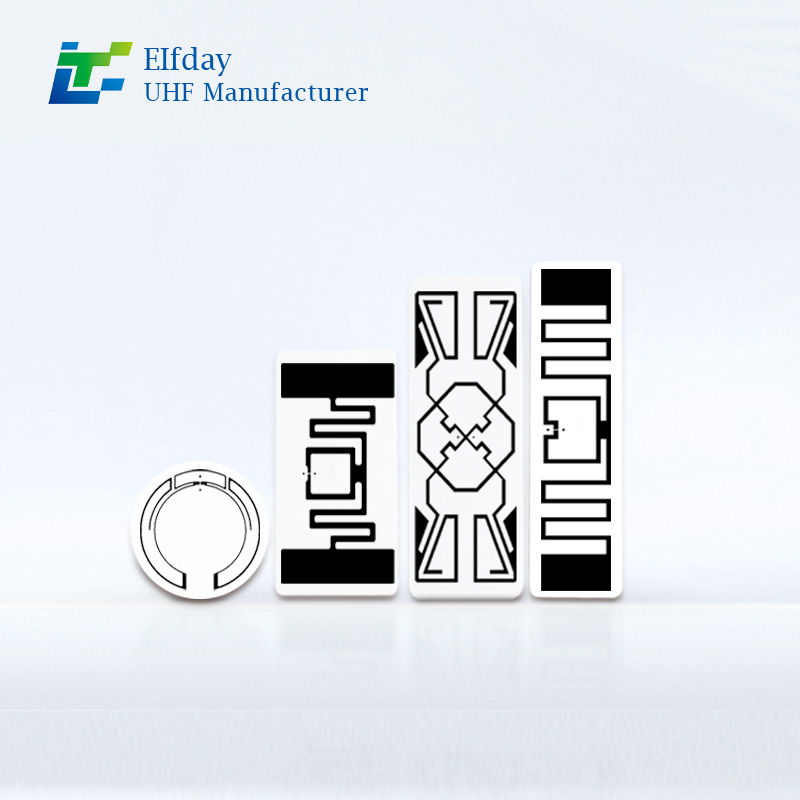
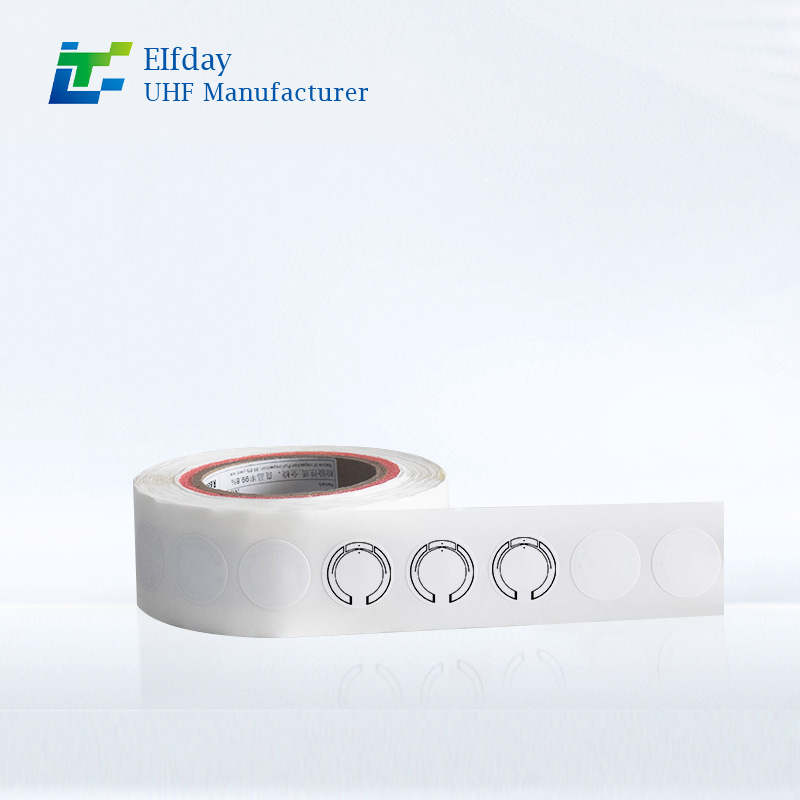
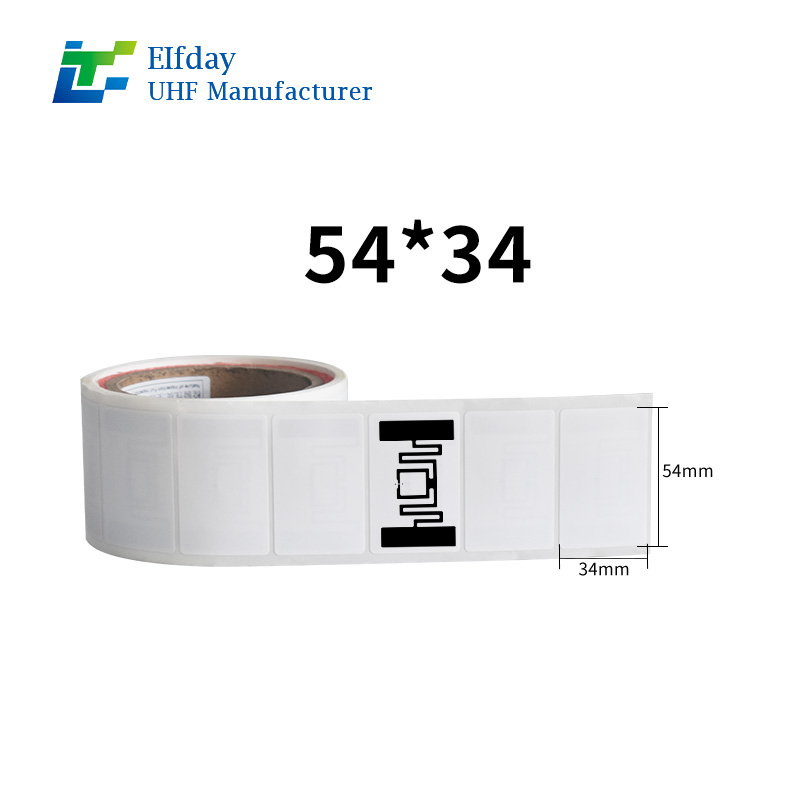
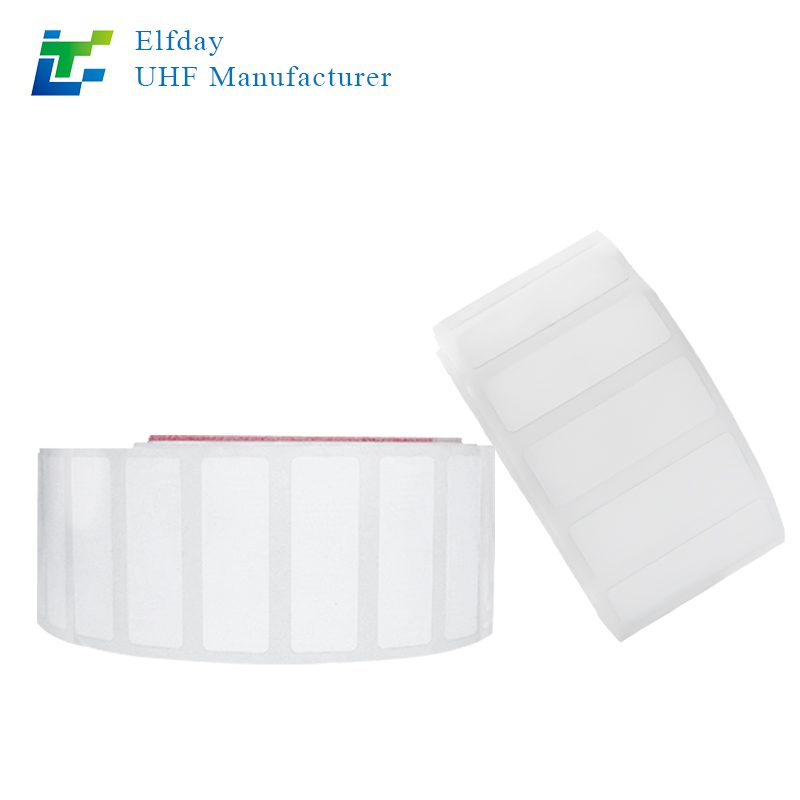
UHF RFID (Ultra High Frequency Radio Frequency Identification) labels, also known as RFID etikets, are smart tags that use radio waves to automatically identify and track objects. Unlike traditional barcodes, which require a direct line of sight to be scanned, UHF RFID etikets can be read from a distance, even if they are obscured by other objects.
This advanced technology offers several advantages over traditional barcodes, especially in high-speed, high-volume environments. Let's explore why UHF RFID etikets are quickly becoming the preferred choice for businesses looking to streamline their operations and improve tracking accuracy.
1. Faster Scanning and Data Collection
One of the biggest advantages of UHF RFID etikets over barcodes is the speed at which they can be scanned. While barcodes require a direct line of sight and must be manually scanned one at a time, UHF RFID etikets can be read from several feet away and in bulk. This makes them ideal for fast-paced environments where time is crucial, such as warehouses, logistics centers, and retail stores.
In fast-paced operations, the speed of RFID scanning means less downtime and fewer bottlenecks. Employees no longer need to manually scan individual barcodes, which can improve workflow efficiency and boost productivity.
2. Greater Range and Versatility
Another key benefit of UHF RFID etikets is their long read range. While barcodes typically require a close-range scanner, UHF RFID etikets can be read from distances of up to several meters, depending on the reader and the environment. This increased range allows for more flexibility and can reduce the need for physical interaction with each product or item.
Whether you’re managing inventory in a warehouse or monitoring assets across a large campus, UHF RFID etikets can provide real-time tracking without the need for direct engagement with every item. This is particularly useful in dynamic environments where products or assets are constantly moving.
3. Improved Accuracy and Reduced Errors
One of the challenges with barcodes is that they can easily become damaged, smeared, or otherwise unreadable, leading to errors in tracking and inventory management. UHF RFID etikets, on the other hand, are more durable and can still be read even when they’re damaged or dirty. This makes them much more reliable for long-term use in harsh environments.
Moreover, RFID technology eliminates the possibility of human error during the scanning process. Since RFID etikets can be read automatically and remotely, the chances of incorrectly scanning an item or missing one entirely are significantly reduced.
4. Increased Security and Anti-Theft Benefits
UHF RFID etikets provide an added layer of security that barcodes simply cannot offer. Since the RFID tag can contain unique identification data that is harder to replicate or counterfeit, it is more difficult for thieves to tamper with products.
In environments like retail stores or warehouses, the ability to track the movement of items in real-time can help prevent theft or loss. Additionally, many UHF RFID etikets come with encryption features that ensure sensitive information is protected, which is crucial for industries like healthcare and pharmaceuticals.
5. Cost-Effective Over Time
While UHF RFID etikets may come with a higher initial cost compared to barcodes, the long-term savings and efficiency gains are significant. In high-volume, fast-paced environments, the improved speed, accuracy, and durability of RFID etikets can lead to reduced labor costs and less product loss, making them a more cost-effective solution in the long run.
Furthermore, RFID technology often integrates seamlessly with other business systems, allowing for real-time data collection and analysis, which can help businesses make smarter decisions about inventory management, procurement, and sales.
6. Seamless Integration with Modern Technology
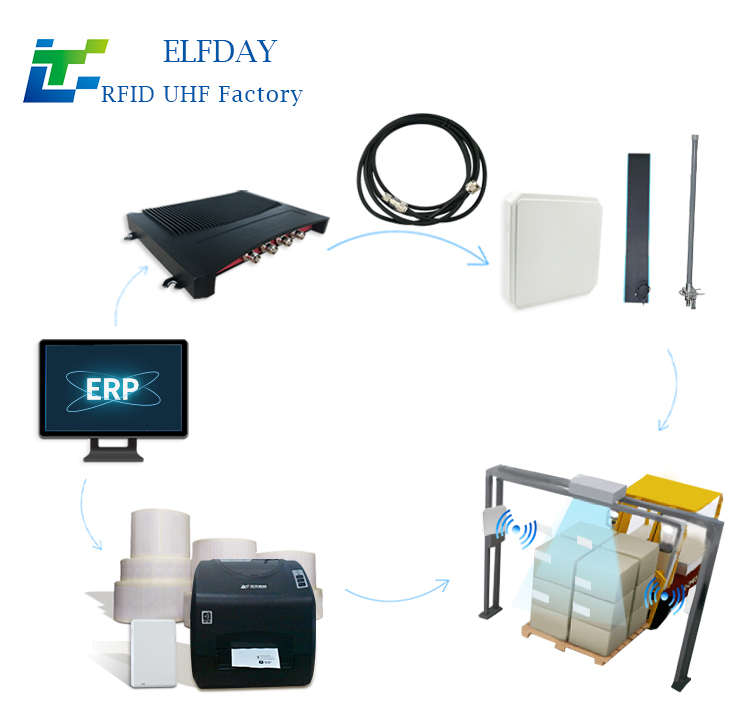
UHF RFID etikets can be easily integrated with other modern technologies, such as cloud-based inventory management systems, predictive analytics tools, and Internet of Things (IoT) devices. This makes it easier for businesses to automate their operations and gain insights into their processes.
With real-time data collection, companies can optimize inventory levels, reduce stockouts, and improve overall operational efficiency. As the demand for seamless, automated operations continues to rise, UHF RFID etikets provide a future-proof solution that helps businesses stay ahead of the curve.
Why Switch to UHF RFID Etiikets?
In conclusion, UHF RFID etikets offer several advantages over traditional barcodes, especially in fast-paced environments. From faster scanning and greater range to improved accuracy and enhanced security, UHF RFID technology provides businesses with the tools they need to improve efficiency, reduce costs, and stay competitive in an increasingly dynamic market.
If you’re looking to take your business to the next level and streamline your operations, investing in UHF RFID etikets is a smart move. Not only will you benefit from faster, more accurate inventory management, but you’ll also be setting your business up for long-term success in the age of automation.
Ready to make the switch? Explore our range of UHF RFID etikets today and discover how our cutting-edge technology can transform your business.