








How to Ensure Optimal Read Range with UHF RFID Labels in Metal-Rich Environments
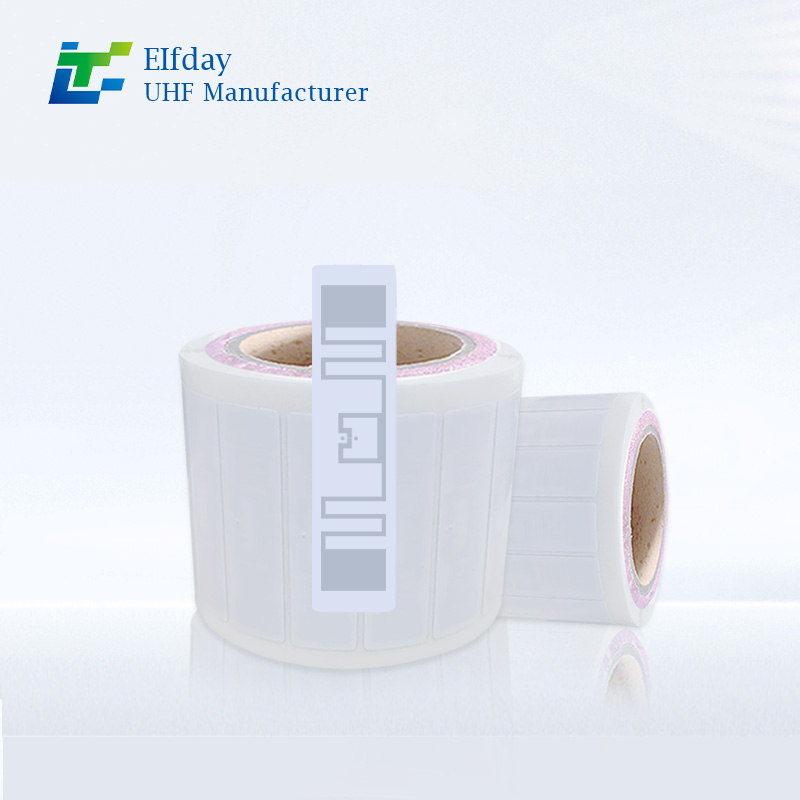
When it comes to tracking assets in metal-rich environments, such as warehouses, manufacturing plants, and industrial sites, ensuring the optimal performance of your UHF RFID labels is crucial. One of the primary challenges in these settings is achieving a reliable read range for your RFID tags. Metals can interfere with RFID signals, often diminishing the read range and performance of UHF RFID labels. In this article, we will explore effective strategies to ensure that your UHF RFID etikets deliver maximum efficiency even in challenging metal environments.
1. Choose the Right UHF RFID Label for Metal Surfaces
The first step in ensuring the optimal performance of your UHF RFID etikets in metal-rich environments is selecting the right type of RFID label. Standard RFID labels may not perform well when placed on metal surfaces because metal can absorb or reflect RFID signals. To combat this, look for metal-friendly RFID labels, which are specifically designed to work in environments where metals might interfere with standard RFID signals.
Key Features to Look for:
Metal-Backed RFID Labels: These labels have a special backing that prevents interference from metal surfaces.
Specialized Adhesives: Certain adhesives are designed to hold the RFID tag securely in place, even on challenging metal surfaces, without compromising signal strength.
2. Implement RFID Antennas and Readers Designed for Metal
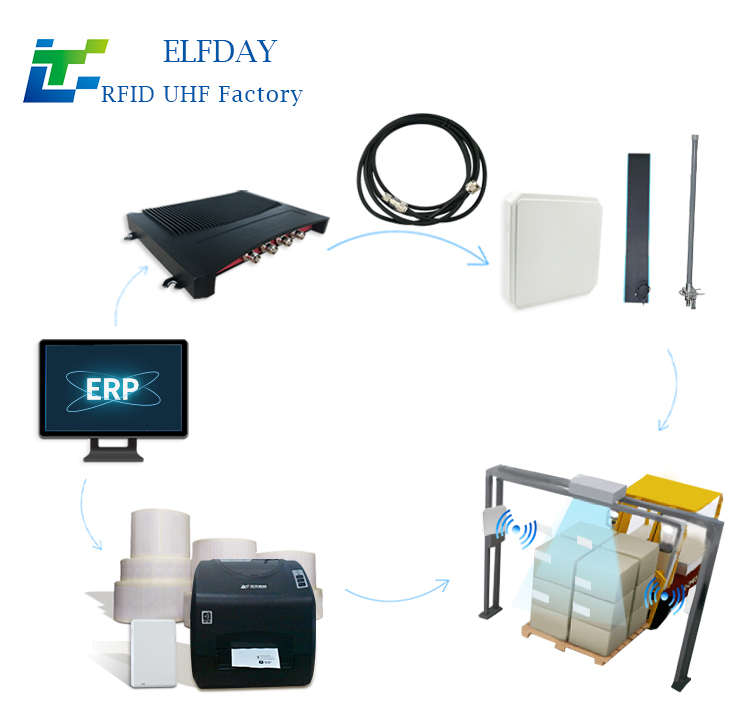
In metal-rich environments, the type of RFID reader and antenna you use can significantly impact the performance of your UHF RFID etikets. It's important to choose antennas and readers that are designed for high-interference environments. These devices are engineered to emit signals that can overcome the challenges posed by metal surfaces.
Tips for Optimal Setup:
Use Circular Polarization: Circularly polarized antennas tend to work better in environments with lots of metal because they help reduce signal interference.
Place Antennas Strategically: Proper placement of antennas ensures that the read range of UHF RFID etikets is maximized. Antennas should be positioned to avoid direct metal reflections, which can distort the signal.
3. Consider Using RFID Tags with Higher Power Output
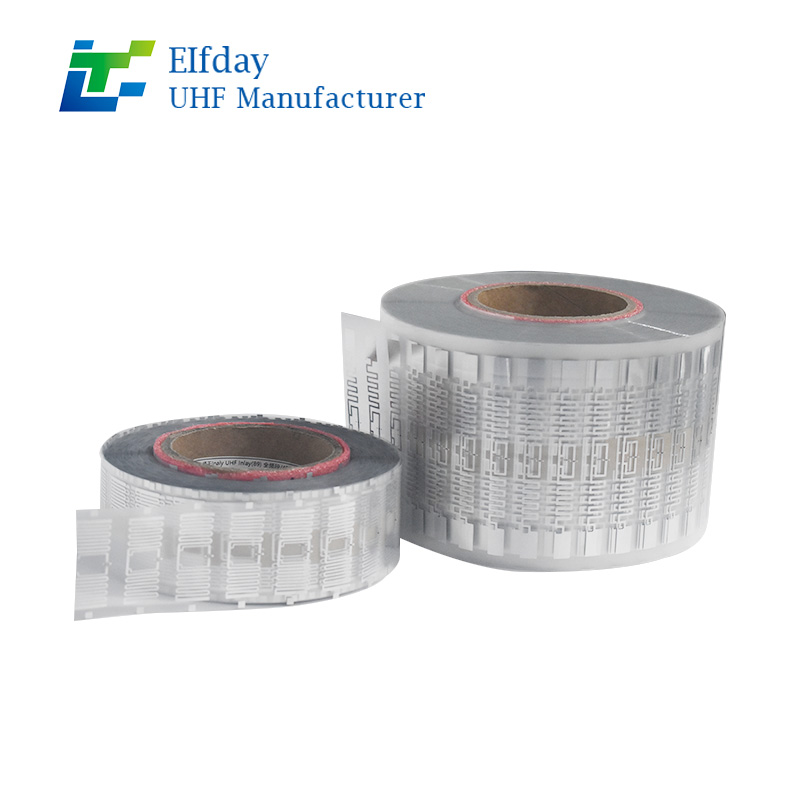
Some UHF RFID etikets have higher power output capabilities, which can help extend the read range. In metal-rich environments, where signal loss is common, selecting high-power RFID labels ensures that the signal reaches the RFID reader without degradation.
4. Perform Regular Site Surveys and Testing
Regularly testing the performance of your UHF RFID etikets is essential to ensuring their optimal performance. A site survey will help identify any areas where metal interference might be stronger, allowing you to adjust your RFID system accordingly.
Steps for Testing:
Conduct Read Range Tests: Test the read range of your RFID tags in different locations within the facility.
Monitor Signal Strength: Use software to track the strength and reliability of your RFID signal over time, and adjust your system as needed.
5. Use Tags with Advanced Features for Metal Environments
There are many UHF RFID etikets available that feature advanced technology to enhance their performance in metal environments. For example, RFID tags with dual-frequency capabilities or multi-tag reading technology can be highly effective in improving read range and accuracy in areas with metal interference.
6. Leverage the Benefits of UHF RFID Technology
UHF RFID technology is inherently more effective over longer distances compared to other RFID types, which makes it ideal for metal-rich environments where other technologies might fail. By using high-quality UHF RFID etikets and pairing them with the right reader and antenna setup, you can maintain excellent performance in your metal-heavy asset tracking system.
7. Consider Environmental Factors
Lastly, consider the physical and environmental conditions of your facility when selecting and deploying UHF RFID etikets. High temperatures, humidity, and extreme weather conditions can all impact the performance of RFID labels. Make sure to choose labels that are rated for these conditions, especially if your metal-rich environment is subjected to harsh conditions.
Why You Should Choose UHF RFID Etikets for Your Metal-Rich Environment
Choosing the right UHF RFID etikets for your metal-rich environment ensures that your asset tracking system remains accurate, efficient, and reliable. By considering factors such as tag selection, antenna placement, testing, and environmental considerations, you can significantly enhance the performance of your RFID system. Whether you're tracking inventory, equipment, or personnel in challenging conditions, UHF RFID technology offers a scalable, cost-effective solution that guarantees optimal performance in metal-heavy environments.
Don’t let metal interference limit your asset tracking potential. Invest in high-quality UHF RFID etikets designed for these environments and watch your operational efficiency soar!