






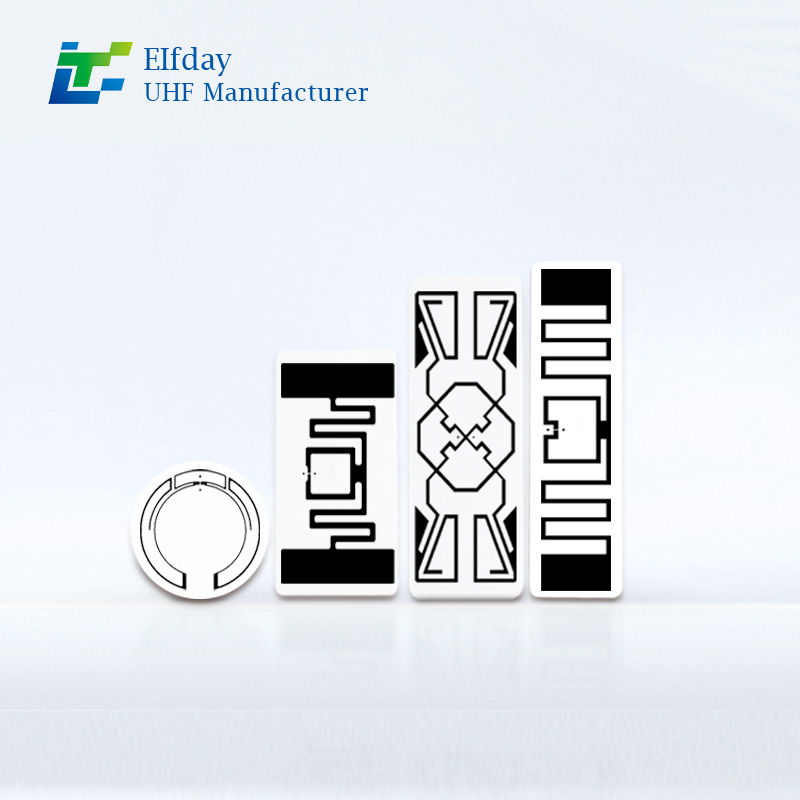


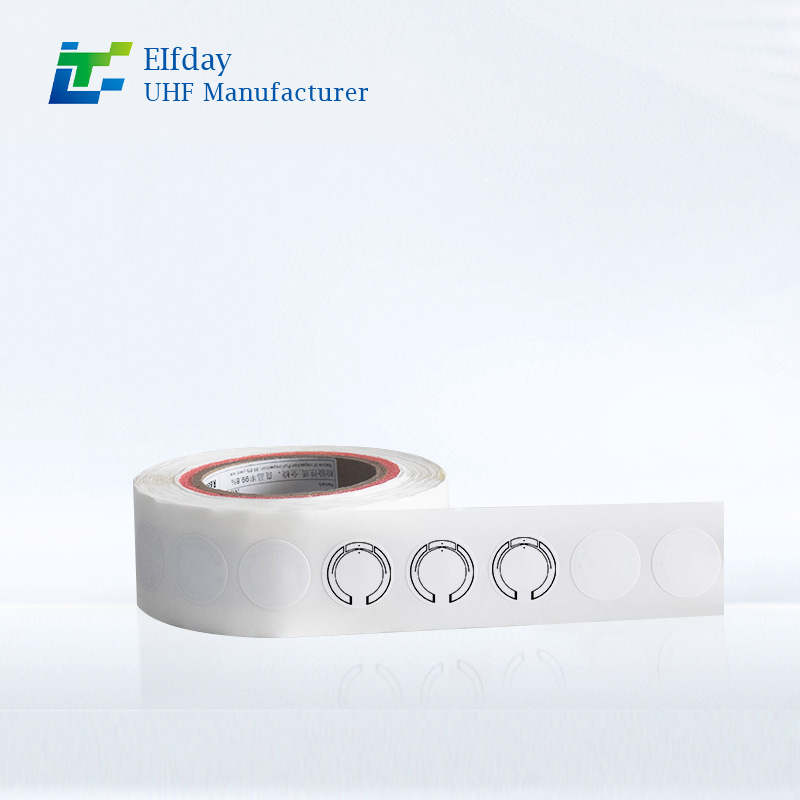
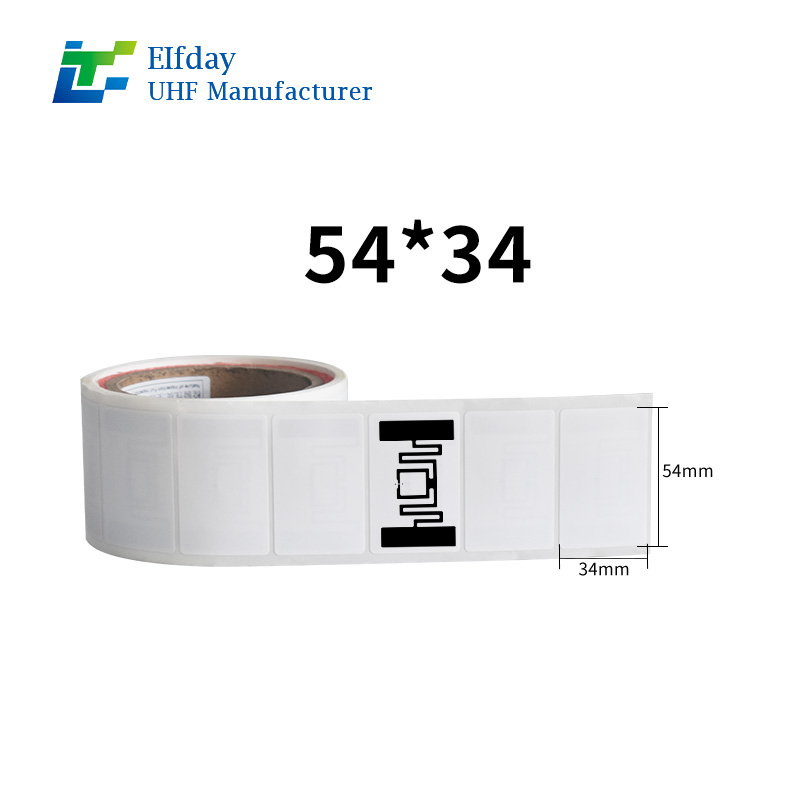
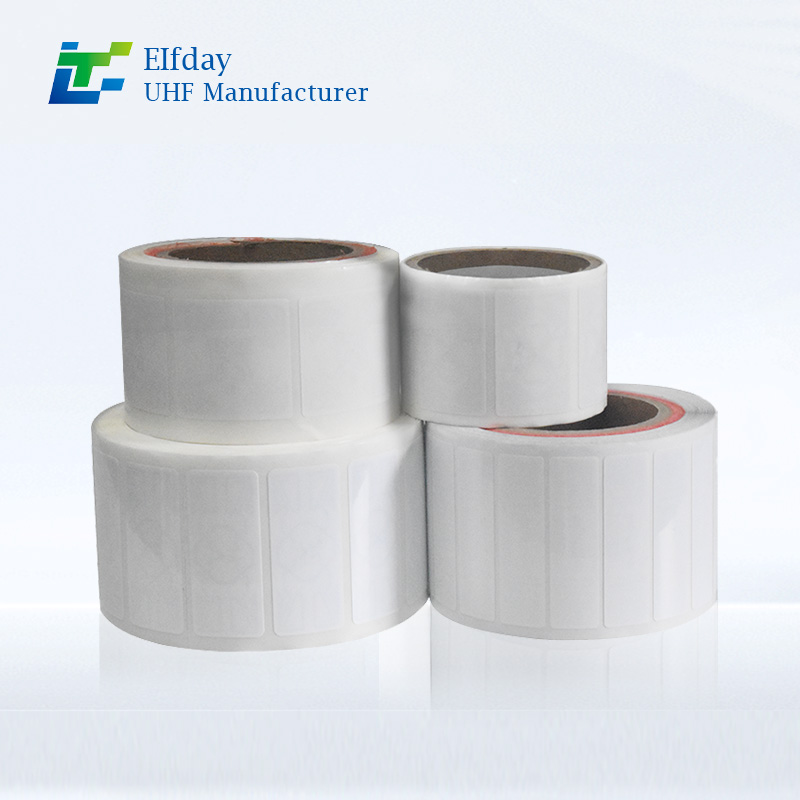
Transforming Supply Chain Visibility with UHF RFID Tags
In an era where instant gratification is the norm, the supply chain is the silent engine that powers customer satisfaction. Yet, for many businesses, this engine runs on outdated data. Despite significant investments in digital transformation, a staggering number of companies still face "blind spots" once their goods leave the warehouse dock.
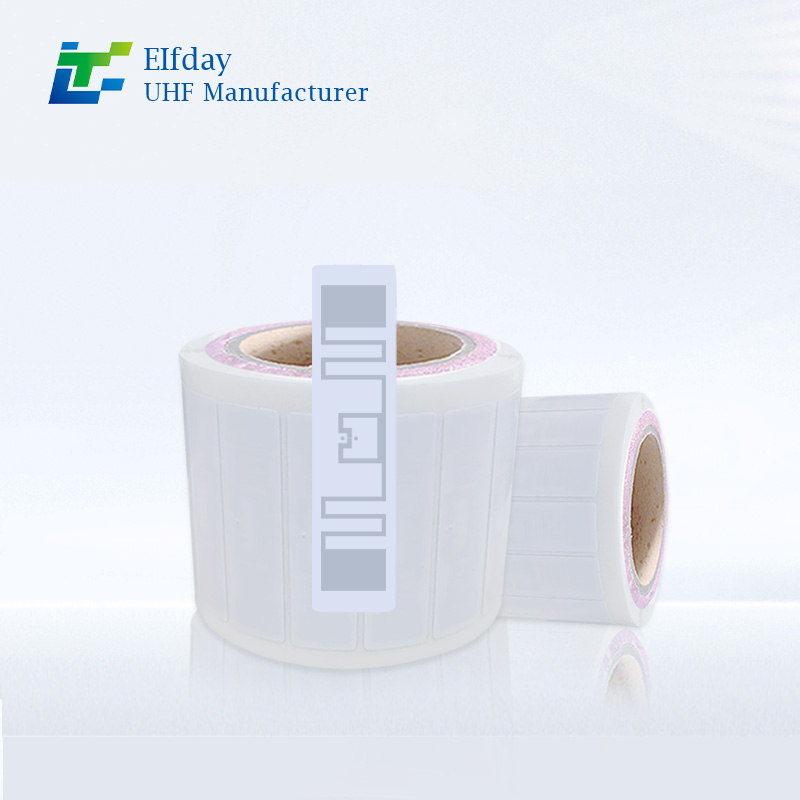
To achieve true end-to-end visibility, businesses are moving beyond barcodes and manual scans. At the heart of this transformation is a powerful piece of technology: the UHF RFID tag. By 2030, adopter spending on this technology is expected to surpass $10 billion, driven by its unparalleled ability to provide real-time data from the point of manufacture to the point of sale .
Here is how deploying the right UHF RFID tag can revolutionize your supply chain transparency and drive a significant return on investment.
Beyond Line-of-Sight: The Clarity of Real-Time Data
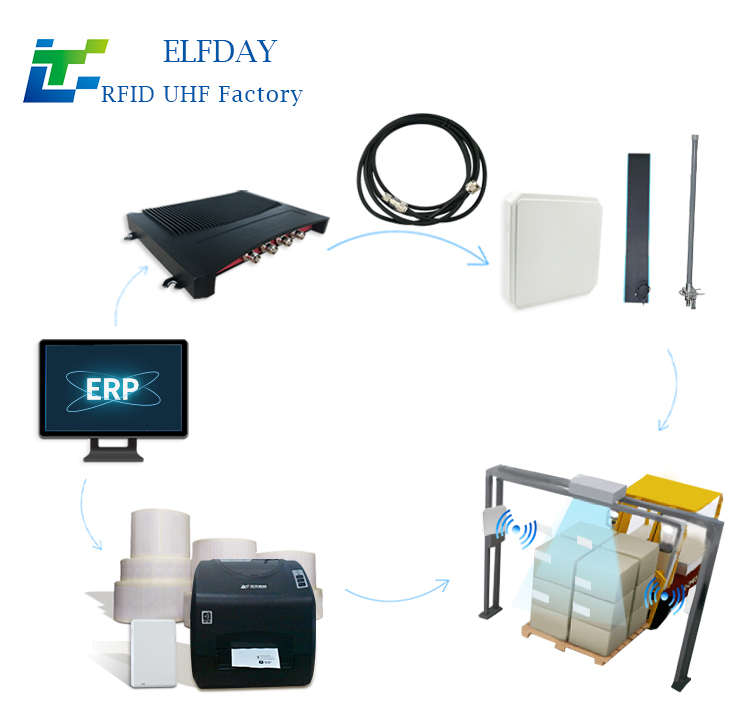
Traditional tracking methods, such as barcodes, require a direct line of sight. This creates bottlenecks and introduces human error. A UHF RFID tag, however, communicates via radio waves. Whether the item is in a sealed box, stacked on a pallet, or buried in the back of a truck, it can be read instantly.
This capability is the foundation of a truly visible supply chain. Modern AI-driven systems can take the raw data from these tags and cleanse it of "noise"—such as stray reads or signal interference—providing businesses with near 100% inventory accuracy . This clarity transforms chaos into a synchronized flow of information, allowing managers to see exactly what is in transit, in stock, or lost.
Revolutionizing Efficiency from Warehouse to Checkout
The impact of deploying high-quality UHF RFID solutions is felt immediately on the ground floor. In fast-paced logistics and retail environments, speed is currency.
Unmatched Inventory Speed
Consider the manual effort of cycle counting. With a handheld reader, a single employee can capture hundreds of items per second. In the fixings industry, where small parts and high volumes dominate, RFID-enabled shelves can trigger autonomous replenishment the moment a bin is empty, preventing costly downtime . Retailers using these tags have slashed inventory labor by up to 70% .
Eliminating Errors and Theft
Shrinkage and mispicks erode profits. By integrating UHF RFID tag data with portal gates at dock doors, businesses can automatically verify shipment accuracy. If a high-value item leaves a secure zone unexpectedly, the system flags it instantly as an anomaly . This level of oversight secures assets and ensures that customers receive exactly what they ordered.
Future-Proofing Your Investment with Smart Technology
The technology behind the UHF RFID tag is not standing still. To maximize the value of your supply chain data, it is crucial to look at the hardware that captures it.
The Rise of Mobile Reading
The industry is on the cusp of a major shift. With major chip manufacturers like Qualcomm set to embed UHF RFID reading capabilities into consumer smartphones by 2026-2027, the way we interact with tagged items will change forever . Investing in tags that are pre-optimized for this mobile-ready future ensures that your supply chain data can be accessed not just by specialized handhelds, but by standard mobile devices, bridging the gap between physical inventory and digital interaction.
AI-Ready Hardware
Data is only as good as the hardware that captures it. Next-generation UHF RFID tag inlays, often based on advanced chips like the Impinj E710 series, are designed to feed AI and Machine Learning models with high-quality data . These tags offer superior sensitivity on challenging surfaces (like metal or liquid) and high read rates, ensuring the data pipeline is robust enough for predictive analytics. This allows businesses to move from reactive tracking to forecasting demand and predicting maintenance needs.
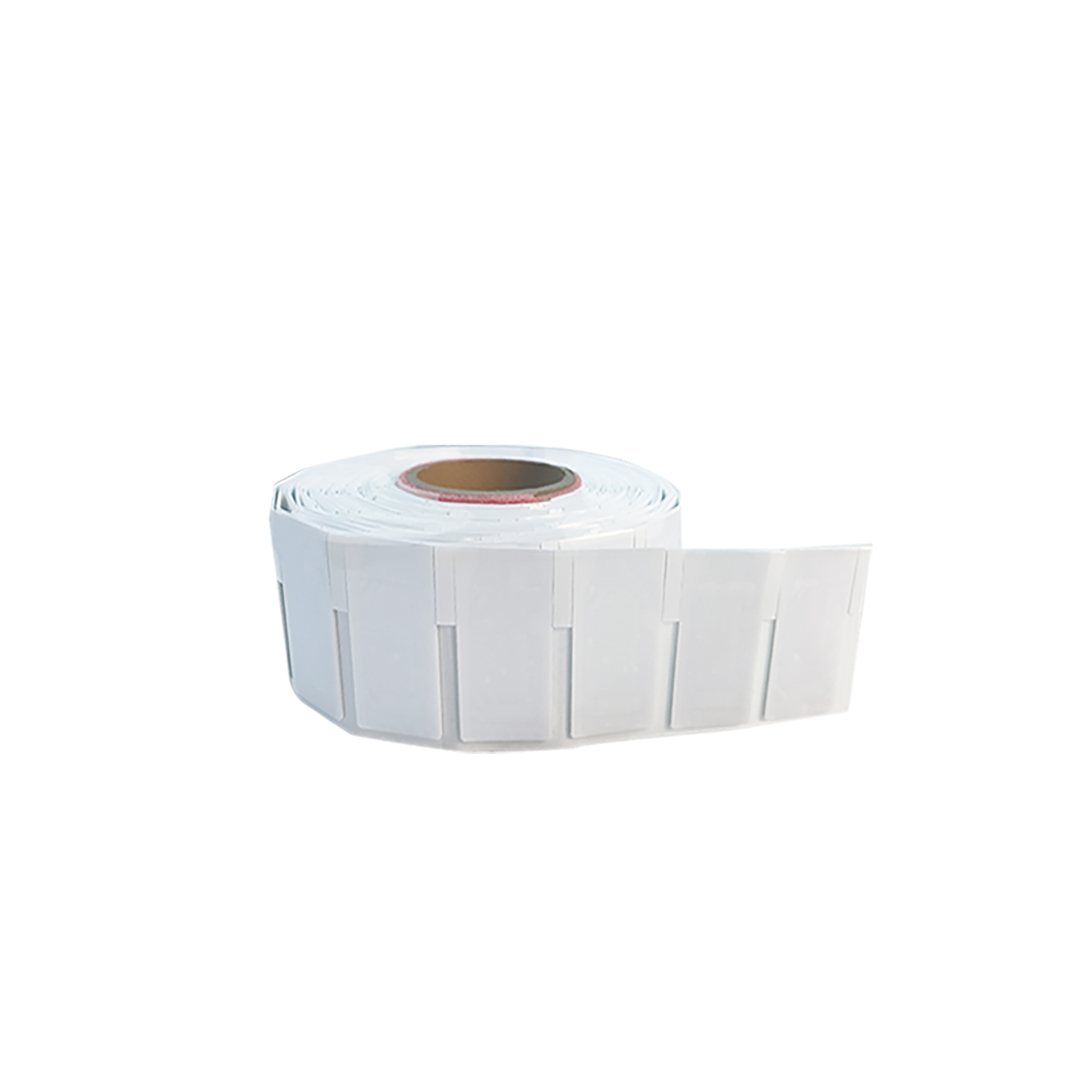
Strategic Sourcing: Getting the Right Tag for the Job
To achieve this level of visibility, selecting the right supplier is as critical as the technology itself. The global manufacturing ecosystem, particularly hubs in Shenzhen and Xuzhou, offers immense scale, with unit prices for standard passive UHF RFID tag models dropping below $0.019 at high volumes .
However, the cheapest option is rarely the most cost-effective. A strategic sourcing approach requires evaluating:
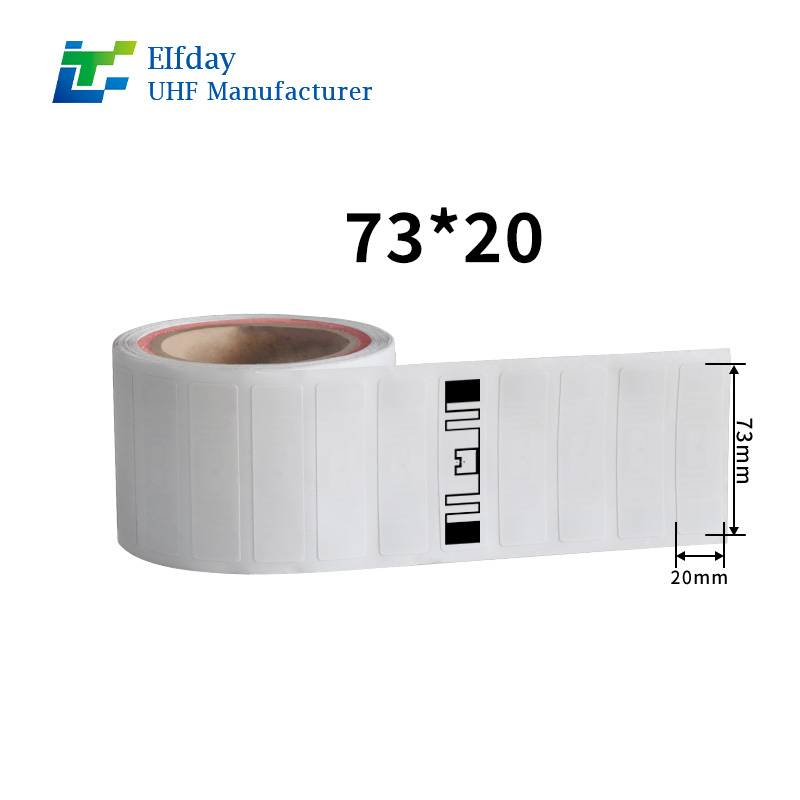
Application Fit: Will the tag be used on metal, inside tires, or on cardboard? Specialized environments require engineered solutions, such as high-temperature resistant labels or embeddable tire tags that last the lifecycle of the product .
Technical Compliance: Ensure the tags comply with ISO18000-6C (EPC Gen2) standards and match the frequency requirements (860–960 MHz) of your operational region .
Supplier Reliability: Look beyond the price list. Check on-time delivery rates and, crucially, request physical samples. Testing a UHF RFID tag in your actual environment—on your conveyors, through your portals—is the only way to guarantee performance .
Visibility as a Competitive Advantage
The data is undeniable. The global market for UHF RFID Tag inlays is projected to hit nearly $21.2 billion by 2032, driven by mandates from retail giants like Walmart and logistics leaders like UPS . These companies are not adopting RFID for the sake of technology; they are doing it because a visible supply chain is a profitable supply chain.
By implementing a robust UHF RFID tag strategy, you gain more than just data—you gain the ability to promise accuracy, deliver transparency, and build trust in your brand. Whether you are looking to cut inventory labor, eliminate counterfeiting, or meet stringent compliance standards like the EU Digital Product Passport, the UHF RFID tag is the key to unlocking a smarter, more visible future for your supply chain.