








How the Apparel Industry Benefits from UHF RFID Technology
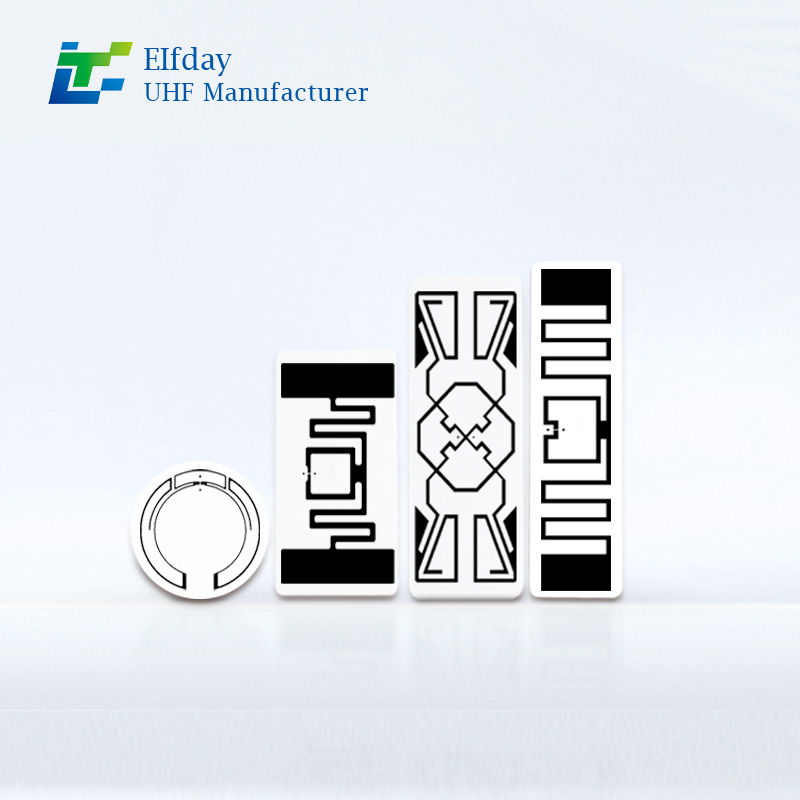
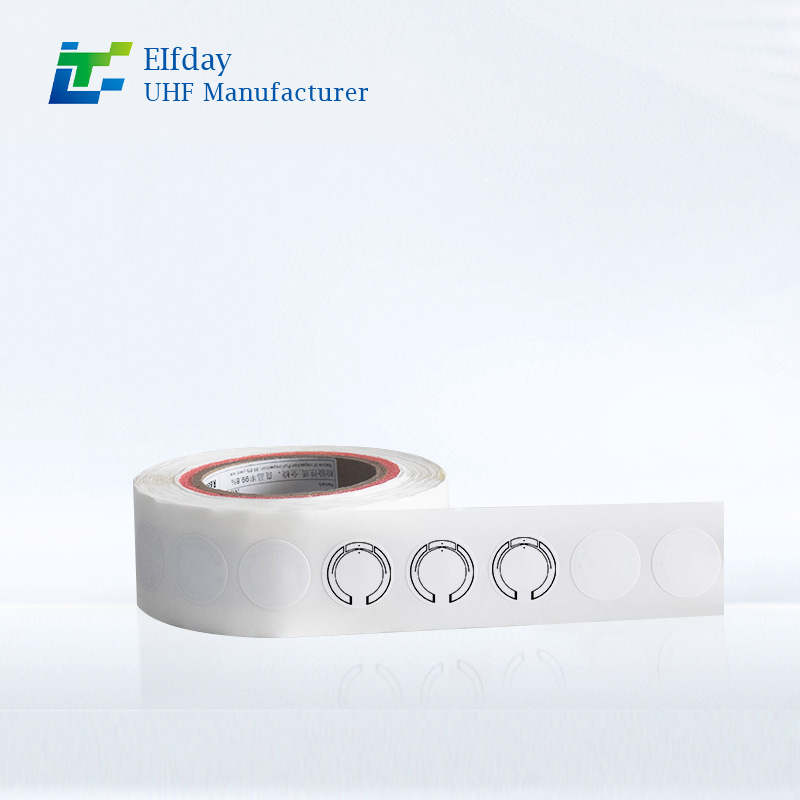
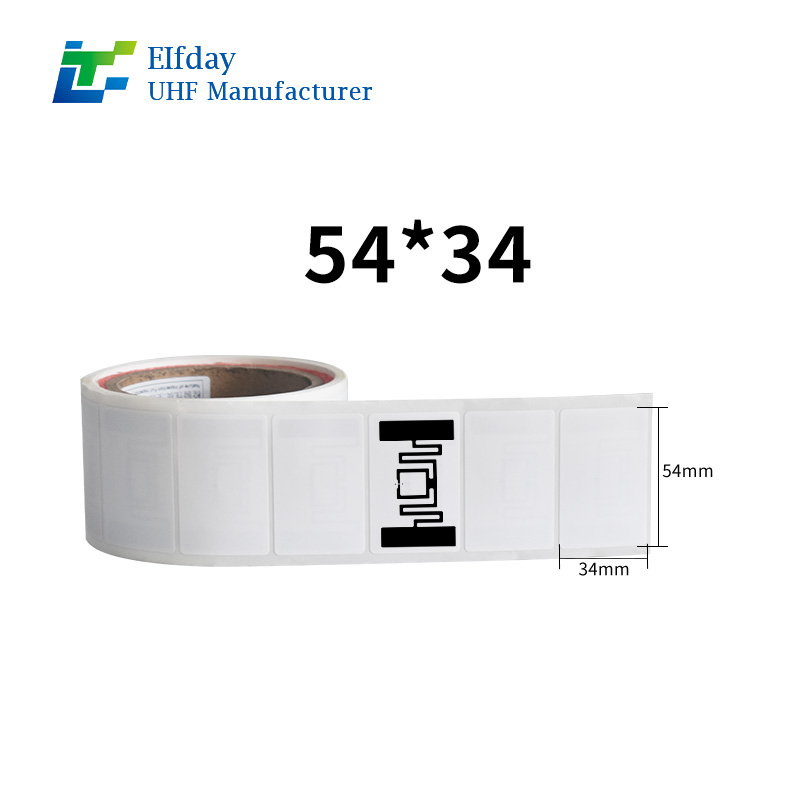
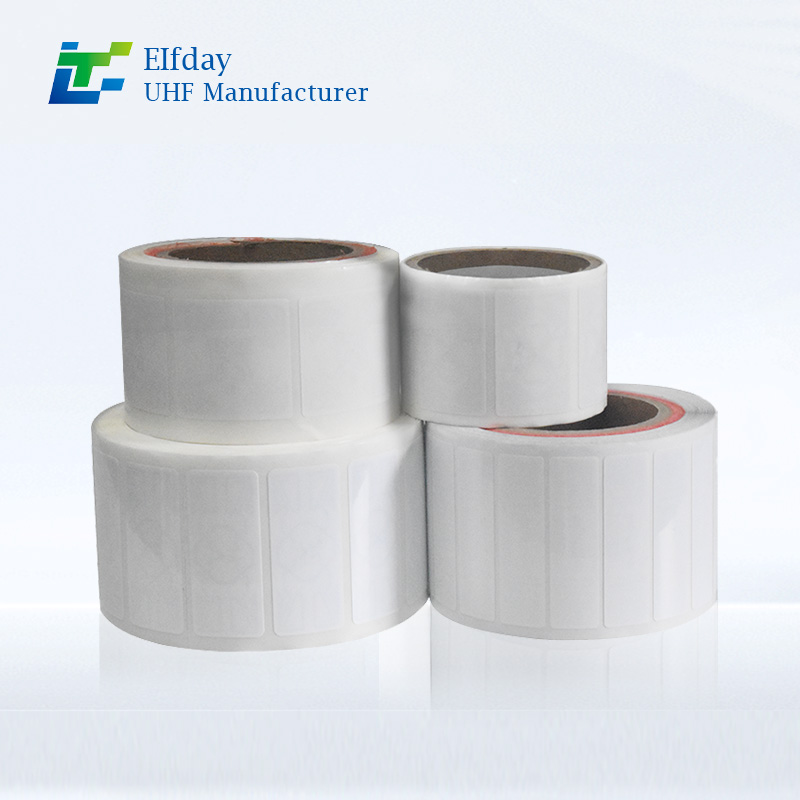
In the fast-paced world of fashion and retail, the difference between profit and loss often comes down to efficiency. For years, apparel brands struggled with inventory inaccuracy, lost sales due to out-of-stocks, and the cumbersome process of manual counting. Enter UHF RFID tag technology. Often discussed in logistics circles, the uhf rfid tag has evolved from a simple tracking tool into a comprehensive solution for business intelligence and customer experience.
If you are looking to modernize your apparel operations, understanding the power of the humble uhf rfid tag is your first step toward future-proofing your brand.
What Makes UHF RFID Different?
Unlike traditional barcodes that require line-of-sight scanning, UHF (Ultra-High Frequency) RFID uses radio waves to communicate between a tag and a reader. A standard uhf rfid tag can be read from a distance of up to 10 meters (32.8 feet) and does not require direct visibility . This means you can walk into a stock room with a handheld reader and count hundreds of items in seconds without opening a single box.
But the benefits go far beyond just counting faster.
1. Inventory Accuracy: The "Single Source of Truth"
In retail, "phantom inventory" (stock that the system says you have, but you don't) is a major revenue killer. When you attach a durable uhf rfid tag to each garment, you create a digital twin for that physical item.
Near-Perfect Accuracy: RFID systems regularly achieve inventory accuracy rates of 95% to 99% . This accuracy ensures that if a customer sees a product online, it is actually available on the shelf for pickup.
Speed: Major retailers like Zara have demonstrated that store inventory counts that once took a team a month to complete can now be done by one person in under an hour .
2. Transforming the Customer Experience
Today’s shoppers expect magic. They want to know immediately if a different size is available, or they want to check out without waiting in line. A uhf rfid tag makes these interactions seamless.
Smart Fitting Rooms: When a customer brings items into a fitting room equipped with an RFID reader, the screen can automatically show the items they are holding, suggest complementary accessories, or allow them to request a different size without getting dressed again .

Instant Checkout: RFID-enabled checkout counters allow customers to simply place a shopping basket on the counter. The reader instantly captures every uhf rfid tag in the basket, processing the transaction 3x faster than manual scanning . This reduces queues and friction at the point of sale.
3. Loss Prevention and Security
Shrinkage (loss from theft or administrative error) is a persistent challenge in apparel. UHF RFID acts as a silent sentinel.
Theft Detection: RFID gates at store exits can detect active tags that haven't been deactivated, alerting staff to potential theft.
Fraud Reduction: For high-value returns, RFID can verify if the item being returned actually originated from that store, reducing the risk of fraudulent returns using old receipts .
4. Supply Chain Transparency and Sustainability
Modern consumers, particularly Gen Z, demand to know where their clothes come from. Is it sustainable? Was it ethically made? The data journey of a uhf rfid tag can answer these questions.
With the upcoming EU regulations on Digital Product Passports (DPP) , RFID is poised to become mandatory in the fashion sector. A uhf rfid tag can store or link to data regarding the garment's composition, recyclability, and repair instructions . This level of transparency builds brand trust and supports a circular economy.
5. Omnichannel Fulfillment
The line between online and physical stores is blurred. "Buy Online, Pick up In-Store" (BOPIS) is a standard expectation. However, this only works if the inventory data is real-time.
When every item has a uhf rfid tag, the system knows exactly which specific red dress in size small is sitting on the sales floor versus the one still in the back room. This allows stores to fulfill online orders from the nearest location instantly, reducing shipping times and costs .
Why Now is the Time to Invest in UHF RFID Tags
The global market for UHF RFID clothing hang tags is projected to grow significantly, driven by falling hardware costs and increasing software integration . The price of a single uhf rfid tag has dropped to near-negligible levels (often under $0.10), making the return on investment (ROI) undeniable .
Key Considerations When Sourcing Tags
If you are ready to integrate this technology, not all tags are created equal. You need to consider:
Material: For apparel, lightweight copperplate paper or PET tags are common, but for items that go through laundry (like uniforms), you need a durable, encapsulated tag .
Frequency: Ensure your tags comply with global standards (ISO18000-6C / EPC Gen2) to work with standard readers .
Customization: Look for suppliers who offer laser engraving or custom printing to maintain your brand aesthetic on the hang tag .
UHF RFID is no longer a "nice-to-have" technology for the apparel industry; it is a competitive necessity. Whether it is ensuring a size large is on the rack when the customer wants it, or providing the data needed to prove your sustainability claims, the uhf rfid tag is the invisible thread stitching together the future of fashion.
Ready to transform your inventory management?
Explore our range of high-performance uhf rfid tag solutions designed specifically for the apparel industry. [Contact us today] to request a sample and see the difference real-time visibility can make.