








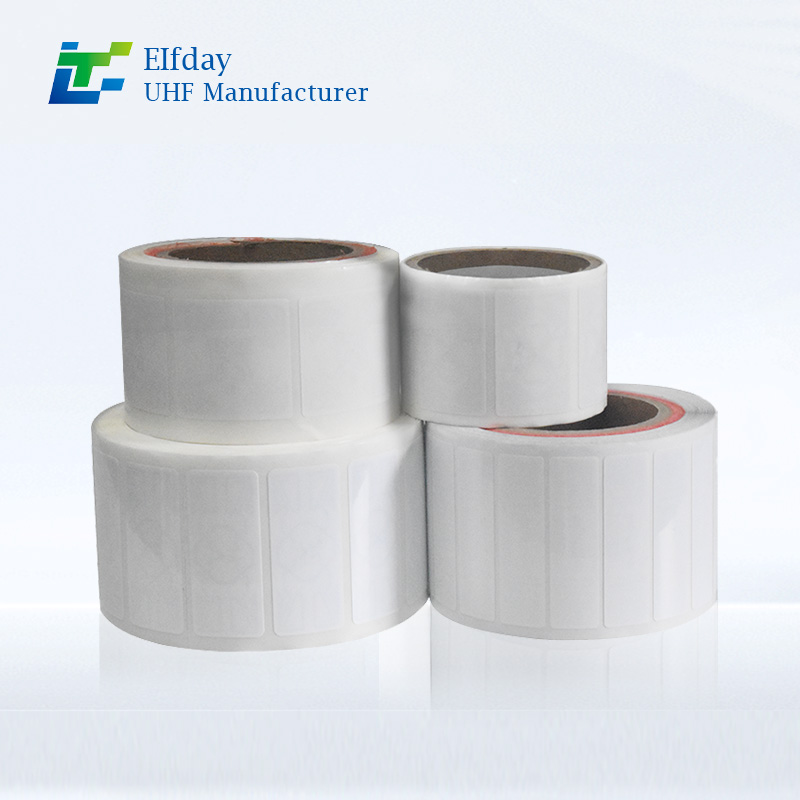
The Science Behind Windshield-Friendly Car RFID Tags
Imagine driving through a parking gate without rolling down your window, or watching a toll booth debit your account automatically as you cruise past at highway speeds. That small sticker on your windshield—often overlooked—is performing a technological miracle in milliseconds. But what makes a car RFID tag work reliably through glass? Why do some work perfectly while others fail at the worst possible moment?
Welcome to the fascinating science of windshield-friendly RFID technology. Understanding what happens behind that sticker might just change how you think about vehicle access forever.
The Invisible Conversation: How Your Car RFID Tag Communicates
At its core, every car RFID tag engages in a silent, invisible conversation dozens of times per day. When your vehicle approaches a reader—whether at a gated community, toll plaza, or corporate parking structure—radio frequency waves bridge the gap between tag and reader in milliseconds .
The Physics of Passive RFID
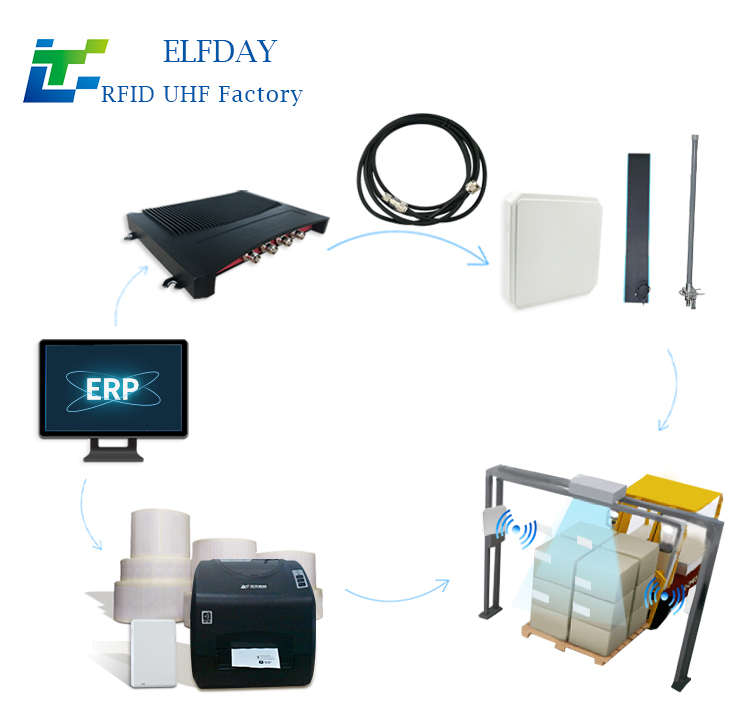
Most windshield tags are passive devices, meaning they contain no battery. Instead, they harvest energy from the reader's signal itself. Here's what happens in the fraction of a second you approach a gate:
The reader constantly broadcasts a radio frequency signal across the access point
Your car RFID tag absorbs that energy through its internal antenna
That harvested power awakens the microchip, which responds by transmitting its unique identifier
The reader captures this response and verifies your credentials with the backend system
The gate opens—all before your foot touches the brake
This entire sequence typically completes in under 100 milliseconds. To put that in perspective, you've barely begun to process what you're seeing while the system has already identified you, checked your authorization, and granted access.
The Critical Role of Frequency
Not all car RFID tag systems operate alike. The vast majority of modern vehicle access systems use Ultra High Frequency (UHF) technology, typically operating between 860-960 MHz depending on your region . UHF offers distinct advantages for vehicle applications:
Read range of 3-15 meters, allowing identification well before arrival
Ability to read through non-metallic materials like glass
High-speed reading compatible with moving vehicles
Simultaneous multi-tag reading preventing errors in high-traffic situations
This frequency choice isn't accidental. Lower frequencies (like 125 KHz LF or 13.56 MHz HF) lack the range needed for seamless vehicle access. Higher frequencies face interference challenges. UHF strikes the perfect balance—powerful enough to penetrate your windshield yet precise enough to read only the intended vehicle.
The Glass Challenge: Engineering Tags That Work Through Windshields
Here's where the science gets genuinely interesting. Your windshield isn't simply a transparent barrier—it's a complex, multi-layered assembly specifically designed to protect you. And that design creates fascinating challenges for radio frequency communication.
What's Actually in Your Windshield?
Modern windshields consist of:
Two layers of tempered glass (outer and inner)
A polyvinyl butyral (PVB) laminate layer sandwiched between them for safety
Sometimes, metallic coatings for UV protection or defrosting elements
Each of these layers affects radio waves differently. Glass itself is reasonably RF-friendly, allowing signals to pass with minimal attenuation. However, that PVB layer and any metallic coatings can dramatically impact performance.
The Metal Problem
Metal represents the nemesis of RFID communication. Radio waves reflect off metal surfaces, creating interference patterns that can cancel out signals entirely. This creates a fascinating engineering challenge: your car RFID tag must be mounted inside the vehicle (for weather protection and tamper resistance), yet communicate through a structure that may contain metal elements .
The engineers' solution involves several clever approaches:
Antenna Design Specialization
Windshield-friendly tags use antennas specifically tuned for through-glass communication. Unlike general-purpose RFID tags, these antennas account for the dielectric properties of glass—essentially, they're designed knowing exactly what material will sit between tag and reader .
Placement Optimization
Proper placement requires keeping the tag at least 2 inches away from any metal—including the windshield frame and any metallic coatings . This is why professional installers measure carefully rather than just sticking tags anywhere.
Impedance Matching
The tag's internal circuitry must match the impedance of the antenna when mounted on glass. If you took the same tag and stuck it on metal, its performance would change dramatically. It's precisely tuned for its intended surface.
Temperature and Environmental Considerations
Your windshield experiences extreme temperature variations—from sub-freezing winter mornings to scorching summer afternoons where glass temperatures can exceed 160°F (70°C). Quality car RFID tags must maintain adhesive integrity and electronic performance across this entire range .
The best tags use:
Automotive-grade acrylic adhesives that withstand thermal cycling
Flexible substrates that expand and contract with the glass
Encapsulated electronics protected from moisture and UV degradation
The Installation Science: Getting It Right Matters
Understanding the science behind your car RFID tag is fascinating, but applying that knowledge during installation determines whether you'll enjoy seamless access or frustrating failures.
The Ideal Location
Based on extensive field testing and manufacturer recommendations, the optimal mounting location is behind your rearview mirror, on the inside of the windshield . This position offers several scientific advantages:
The rearview mirror blocks direct sunlight, reducing UV exposure and heat buildup that could degrade the tag over time

This area typically lacks metallic coatings found in some windshields' shaded bands
The position provides clear line-of-sight to most readers without obstruction
It's outside the wiper path, preventing mechanical stress
Alternative acceptable locations include the top left corner of the windscreen or, for vehicles with problematic windshields, the centre of the left headlamp (using specialized exterior-grade tags) .
The Installation Sequence That Works
Following proper procedure makes the difference between a tag that lasts years and one that fails in months:
Step 1: Prepare the Surface
Clean the chosen area thoroughly with isopropyl alcohol or specialized glass cleaner. This removes oils, silicones, and residues that prevent proper adhesive bonding . Don't touch the cleaned area with your fingers afterward—skin oils leave invisible residues that matter at the microscopic level.
Step 2: Temperature Matters
For optimal adhesion, both the windshield and the tag should be at moderate temperature—ideally between 50-90°F (10-32°C). Applying a tag to extremely cold glass prevents the adhesive from flowing properly, while extreme heat can cause premature curing .
Step 3: Apply with Precision
Peel the backing and position the tag carefully—you cannot reposition it later without compromising the adhesive . Once placed, apply firm pressure across the entire tag surface, working from center to edges to eliminate air bubbles.
Step 4: Let It Cure
While the tag will function immediately, full adhesive strength develops over 24-48 hours. Avoid cleaning that area or exposing the vehicle to automatic car washes during this period.
What About Tinted Windshields?
Many modern vehicles feature factory tinting or aftermarket window films. These can significantly impact RFID performance because many tints contain metallic particles that block radio waves .
If your vehicle has tinted windows:
Choose a clear or minimally tinted area for tag placement
Test the tag before final commitment if possible
Consider specialized tags designed for metallized glass applications
Be prepared that some high-performance tints may make through-glass RFID impossible, requiring alternative tag types or exterior mounting
Beyond Convenience: The Real-World Impact of Proper RFID Integration
Understanding the science transforms how you view that small windshield sticker. But the practical implications extend far beyond mere convenience.
Security Through Science
Modern car RFID tags incorporate sophisticated security features invisible to the naked eye. Each tag contains a unique, encrypted identifier that cannot be duplicated through simple copying . Unlike magnetic stripe cards or basic proximity fobs, these tags resist cloning attempts.
Furthermore, quality windshield tags incorporate tamper-evident and tamper-proof designs. If someone attempts to remove a tag for transfer to another vehicle, the antenna fractures and the tag becomes permanently inoperable . This one-vehicle-per-tag approach prevents the sharing of access credentials and maintains security integrity.
Speed That Changes Behavior
The millisecond response times enabled by properly designed car RFID tags don't just feel convenient—they fundamentally change how facilities operate. Consider these real-world impacts:
Toll plazas process 3-5 times more vehicles per hour with RFID versus cash lanes
Parking facilities eliminate entry bottlenecks during morning rush periods
Security checkpoints maintain thorough screening while reducing wait times
Fleet operations gain real-time visibility without drivers lifting a finger
Data That Drives Decisions
Beyond access control, your car RFID tag generates valuable anonymized data that helps facility managers optimize operations. Aggregated traffic patterns reveal peak usage times, allowing for staff scheduling adjustments. Entry and exit logs document facility utilization, supporting expansion planning. For commercial fleets, this data transforms into powerful operational intelligence .
Choosing the Right Car RFID Tag: What the Science Tells Us
Not all windshield-friendly tags perform equally. Understanding the underlying technology helps you select the right product for your specific needs.
Key Performance Indicators
When evaluating car RFID tags, consider these scientifically-grounded factors:
Read Range
Typical windshield tags offer read ranges from 3-15 meters depending on design and reader capabilities . Consider your application: parking access might need only 3-5 meters, while high-speed tolling benefits from maximum range.
Durability Rating
Look for IP67 or higher ratings if your vehicles operate in demanding environments . This indicates complete protection against dust and temporary water immersion—essential for vehicles facing rain, snow, and car washes.
Temperature Tolerance
Quality tags specify operating temperature ranges. For most applications, -40°C to +85°C (-40°F to +185°F) provides adequate margin for global operation .
Memory and Features
Basic tags simply store an ID number. Advanced versions may include user-writable memory for storing vehicle information, maintenance records, or access permissions directly on the tag .
The Cost of Compromise
Inexpensive, uncertified car RFID tags might save money upfront but often cost more in the long run through:
Failed readings causing access delays and frustration
Premature adhesive failure requiring replacement
Security vulnerabilities from poor encryption implementation
Incompatibility with your existing reader infrastructure
Quality matters. The science behind reliable RFID operation demands precision manufacturing, rigorous testing, and adherence to international standards.
The Future: Where Windshield RFID Technology Is Headed
The science of car RFID tags continues evolving. Understanding emerging trends helps future-proof your investment.
Integration with Connected Vehicle Systems
Modern vehicles increasingly communicate with infrastructure through dedicated short-range communications and cellular networks. RFID isn't being replaced—it's being integrated. Future systems may use car RFID tags as backup identification methods when networks fail, ensuring uninterrupted access .
Enhanced Security Through Blockchain
Some manufacturers now explore blockchain-anchored tag authentication, creating immutable records of vehicle identity and access events . This approach could virtually eliminate cloning and counterfeiting risks.
Biometric Linking
Research continues into linking car RFID tags with biometric vehicle access systems. Your tag might soon serve as the first identification layer, with driver fingerprint or facial recognition providing secondary verification .
Sustainable Materials
Environmental concerns drive development of biodegradable and recyclable RFID tags that maintain performance while reducing waste . Early adopters already offer eco-friendly options for environmentally conscious fleets.
Making the Science Work for You
The car RFID tag on your windshield represents one of the most elegant applications of radio frequency technology in daily life. It's invisible when working correctly and immediately noticed when it fails—the hallmark of truly great engineering.
Whether you're managing a fleet of hundreds of vehicles, securing a residential community, or simply wanting hassle-free access for your personal car, understanding the science behind these remarkable devices helps you make better decisions.
Ready to Experience Flawless Vehicle Access?
Our premium car RFID tags incorporate everything discussed here: scientifically optimized antenna designs, automotive-grade materials, tamper-proof construction, and compatibility with all major UHF reader systems. Each tag undergoes rigorous testing to ensure it delivers exactly what the science promises—reliable, instant, secure identification every time your vehicle approaches a reader.
Browse our collection of windshield-friendly RFID tags to find the perfect match for your application. Need help determining which tag suits your specific vehicles and readers? Contact our technical team—we speak the language of RFID science and can guide you to the ideal solution.
Stop settling for access frustration. Start experiencing the science of seamless vehicle identification today.