








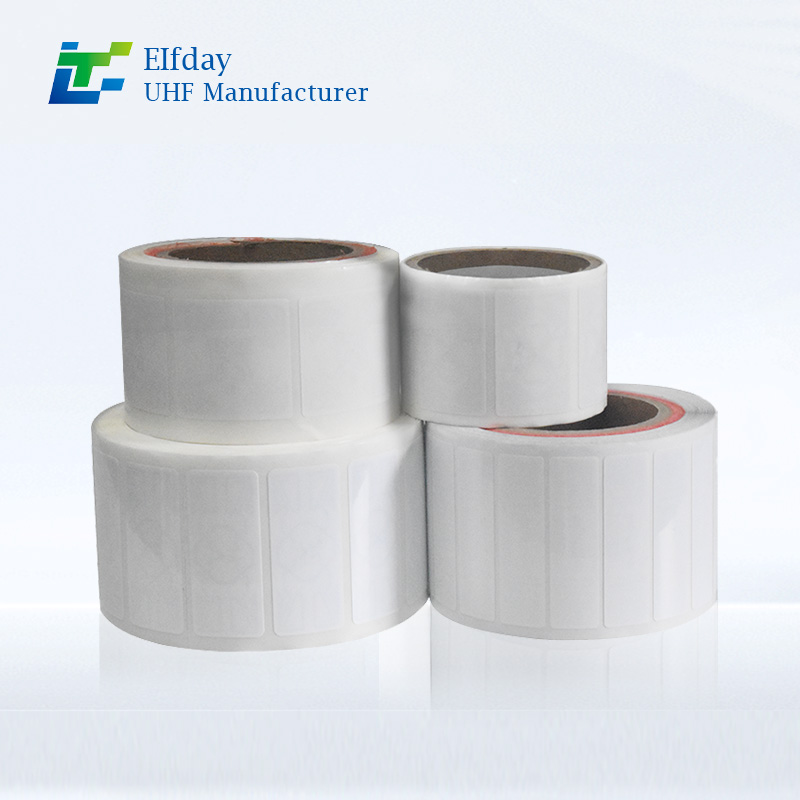
How to Choose the Right RFID Stickers for Inventory Management Systems
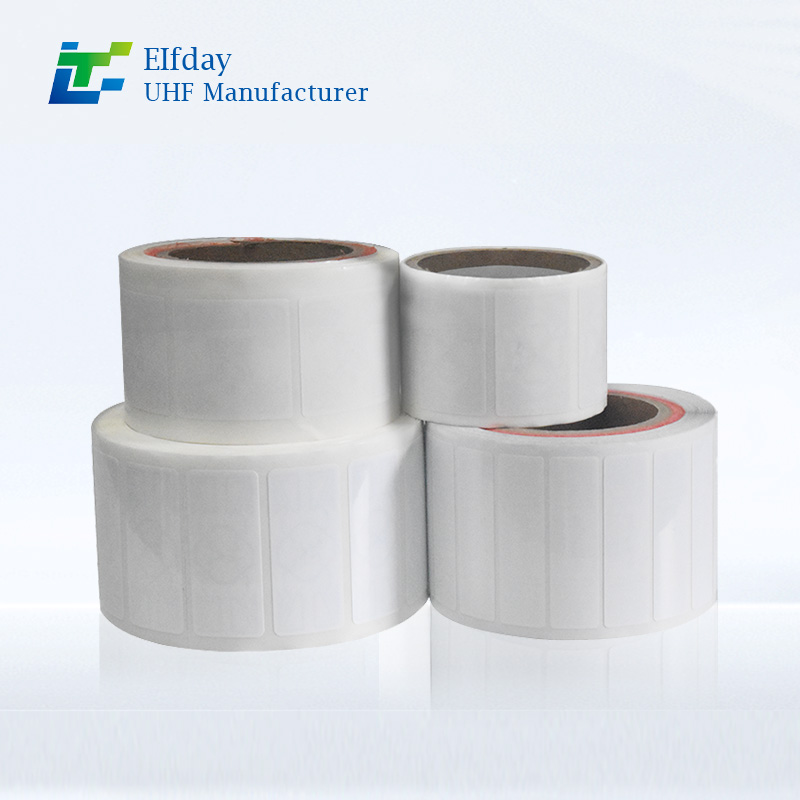
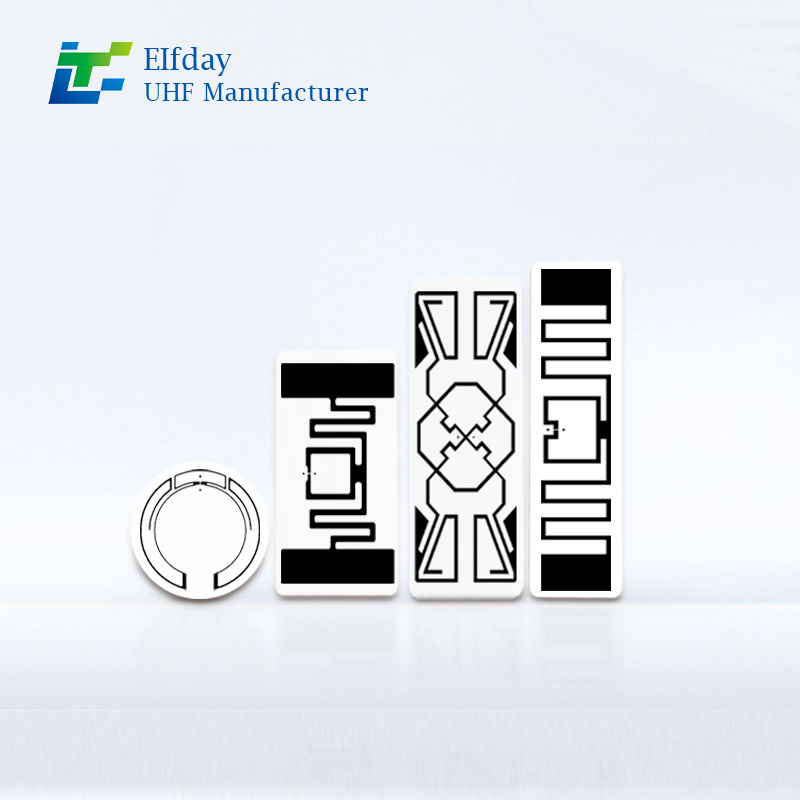
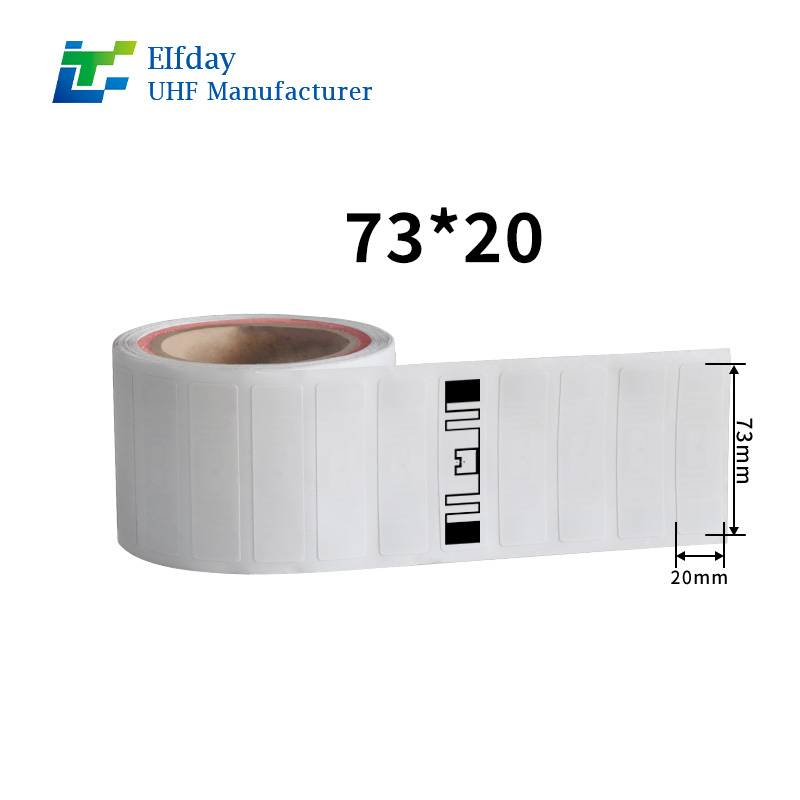
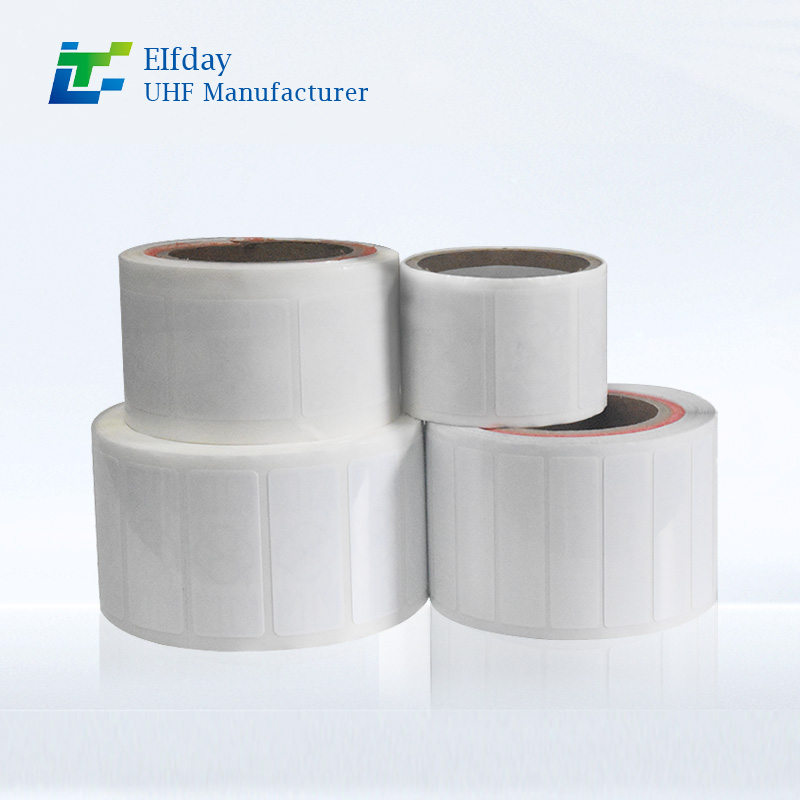
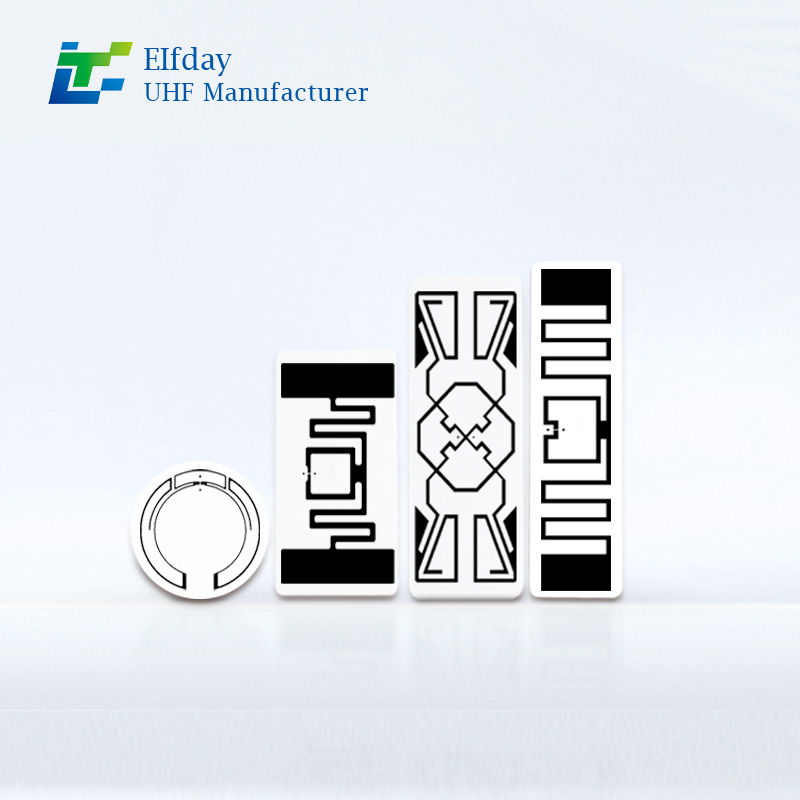
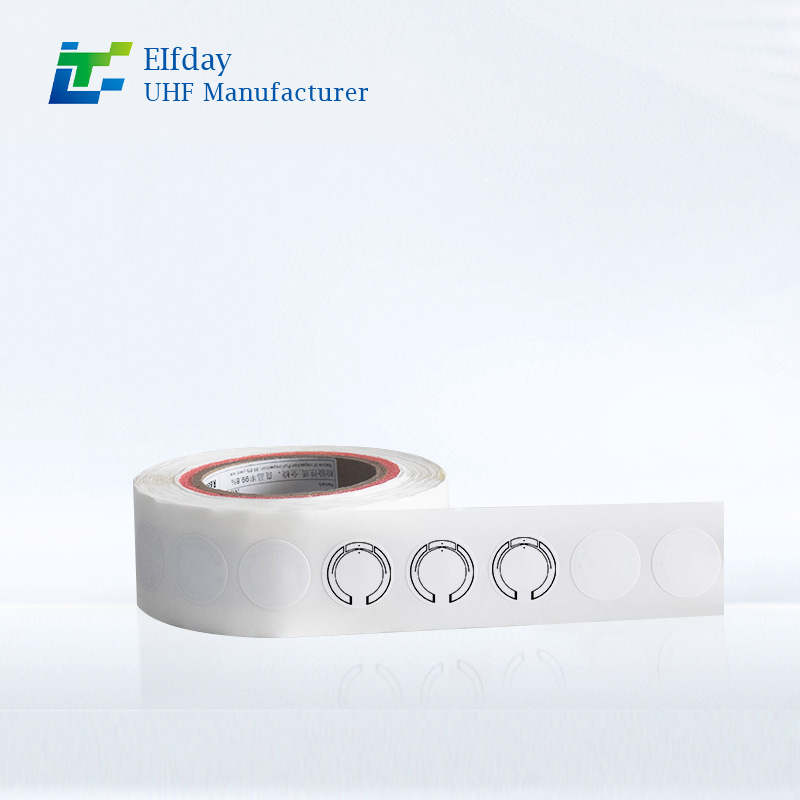
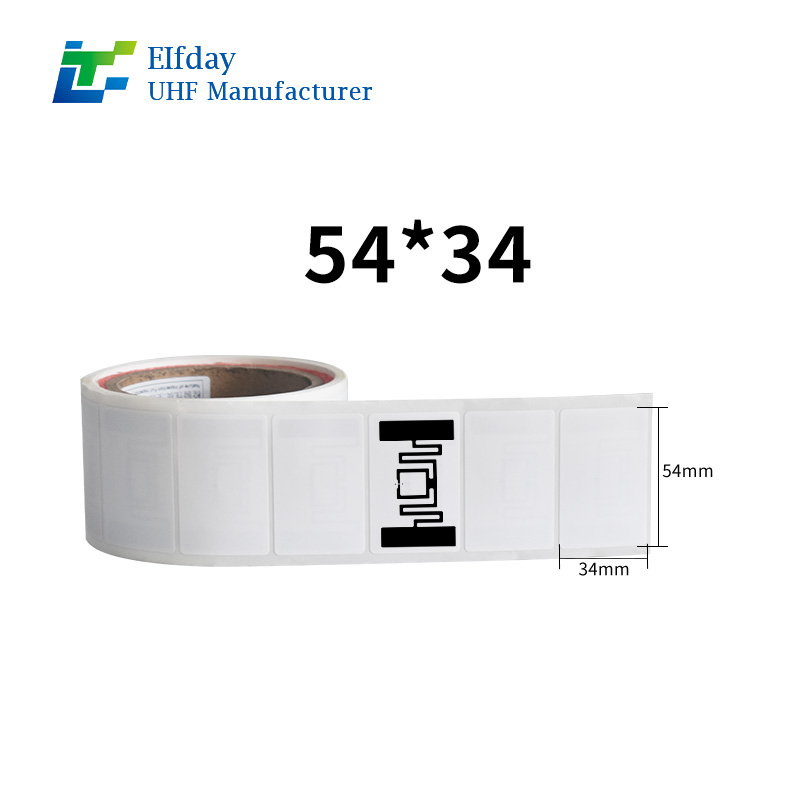
In the fast-paced world of supply chains and smart warehouses, achieving near-perfect inventory accuracy is no longer a luxury—it’s a necessity. As we move through 2025 and into 2026, businesses are rapidly moving away from manual clipboard-and-scan methods toward automated efficiency. At the heart of this transformation are RFID stickers for inventory. These small but powerful tools are the building blocks of modern Inventory Management Systems (IMS), offering real-time visibility that barcodes simply cannot match.
However, with a multitude of frequencies, materials, and functionalities on the market, selecting the correct sticker can be daunting. Choose wrong, and you face signal interference or sticker failure. Choose right, and you unlock a 99% inventory accuracy rate . This guide will walk you through every step of how to choose the right RFID stickers for inventory to ensure you maximize your return on investment and streamline your operations.
1. Understand the Core Technologies: Frequency and Power
Before diving into brands, you must understand the technical specs. Not all RFID stickers for inventory are created equal. They primarily differ by frequency and power source, which dictates read range and application.
Passive vs. Active: Which Do You Need?
Passive RFID Stickers: These are the most common choice for inventory management. They have no internal battery; they harvest energy from the RFID reader’s signal. They are cost-effective, smaller, and have a long lifespan. For tagging thousands of individual products in a retail store or warehouse, passive is the way to go .
Active RFID Stickers: These contain a battery and actively broadcast a signal. They offer read ranges up to 150 meters but are significantly more expensive. They are generally reserved for tracking high-value containers or assets in real-time across vast distances, rather than individual inventory items .
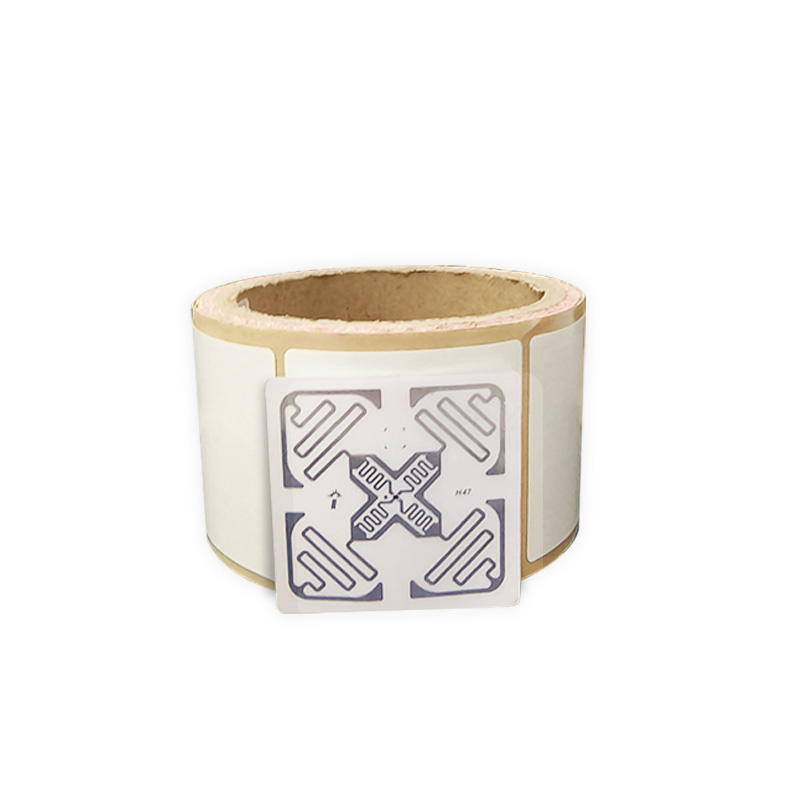
Choosing the Right Frequency
UHF (Ultra-High Frequency - 860-960 MHz): For 90% of inventory applications, UHF is the gold standard. It offers the best read range (up to 10 meters or more) and the ability to read hundreds of tags simultaneously. If you need to scan a whole pallet in seconds, you need UHF RFID stickers for inventory .
HF/NFC (High Frequency - 13.56 MHz): These have a shorter range (a few centimeters) and are often used for item-level authentication or payment. While useful, they are not practical for bulk warehouse receiving or massive cycle counts .
2. Material and Surface Compatibility: The "Stick" Factor
One of the most overlooked aspects of selecting RFID stickers for inventory is the surface to which they will be attached. A sticker that works perfectly on a cardboard box will fail miserably when stuck to a metal rack or a bottle of water. Radio waves behave differently depending on the material they are near.
The "Metal and Liquid" Problem
UHF radio waves are disrupted by water and reflected by metal. If you are tagging items with high water content (like beverages) or metal components, standard RFID stickers for inventory will appear "invisible" to readers.
For Metal Surfaces: You need "on-metal" or "mount-on-metal" RFID tags. These include a specialized spacer or ferrite layer that isolates the tag from the metal, allowing it to function properly .
For Liquids: Similar to metal, liquids absorb UHF signals. Look for tags specifically engineered with a dielectric layer to mitigate this interference.
Environmental Durability
Where will your inventory live?
Standard Paper/face stock: Suitable for indoor, dry environments like retail clothing racks.
Polymer or Synthetic Labels: If your inventory goes through a cold chain or sits in a warehouse that isn't climate-controlled, opt for synthetic materials (like polypropylene) that resist moisture and tearing.
High-Temperature or Chemical Resistance: For industrial applications, specialized RFID stickers for inventory can withstand extreme heat or harsh chemicals .
3. Read Range and Memory: Matching the Sticker to the Workflow
How you conduct your cycle counts dictates the read range you need.
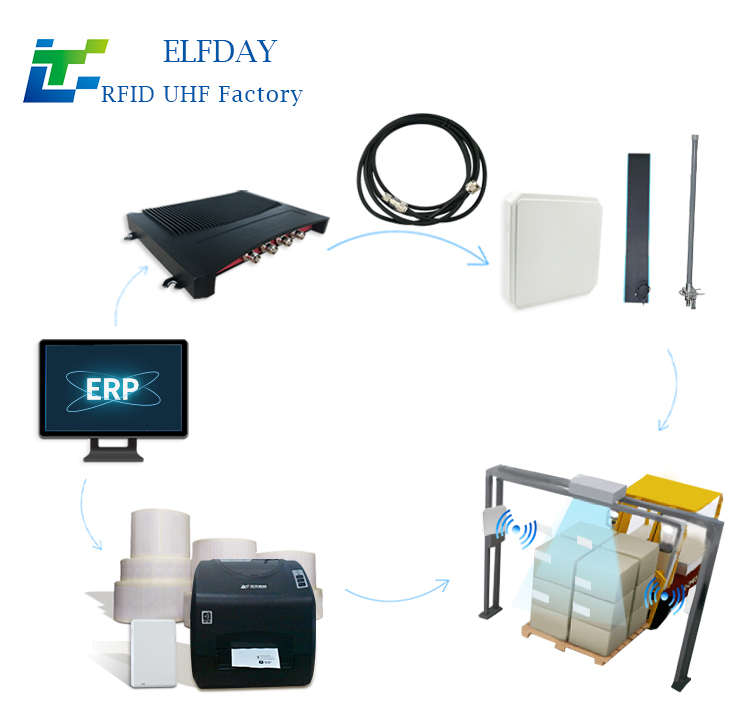
High-volume warehouse receiving: You need long-range UHF stickers (8-10 meters) so that forklifts with mounted readers can scan pallets as they pass through doorways .
Item-level point-of-sale: If you are tagging individual high-value items like electronics or apparel, you might prioritize anti-theft features (EAS) over extreme range.
Data Storage: Most RFID stickers for inventory carry a unique Electronic Product Code (EPC). However, some advanced "programmable" stickers allow you to write additional data directly to the tag, such as maintenance history or expiration dates, which is crucial for pharmaceutical or food logistics .
4. Cost vs. Value: Calculating Your ROI
It is tempting to buy the cheapest RFID stickers for inventory available, but this often leads to higher expenses down the line due to read failures and missed inventory. When evaluating cost, consider the "Cost-Per-Read" rather than just "Cost-Per-Tag."
According to industry benchmarks, while the initial investment in RFID hardware and tags might seem high, the labor savings are undeniable. A task that takes a team days to complete manually can be reduced to a single person working for a few hours . In fact, for large operations, the ROI on RFID implementation is typically seen within 12 to 24 months .
The Price Range:
Simple Passive UHF Tags: Can cost between $0.10 to $0.30 depending on volume.
Specialty Tags (On-Metal/High Temp): Can cost several dollars.
Pro Tip: Don't just look at the sticker price. Look at the read sensitivity. A slightly more expensive tag with a better chip (like an Impinj M730 or comparable) might read faster and more reliably, allowing you to use a lower-power reader and cover more ground, saving you money on infrastructure .
5. Check Manufacturer Reputation and Compliance
As the RFID market heads toward a projected value of $40 billion, the number of manufacturers has exploded . To ensure your RFID stickers for inventory work globally, you must ensure they comply with international standards.
GS1 Standards: Ensure your tags comply with GS1 UHF standards. This guarantees that your tags can be read by any standard reader in the supply chain, not just proprietary equipment .
Air Interface Protocols: Look for tags that conform to the EPCglobal Gen2v2 standard. This ensures interoperability.
Furthermore, work with manufacturers who offer samples for testing. A reputable supplier will encourage you to test the RFID stickers for inventory in your actual environment—on your actual products with your actual readers—before you commit to a massive order .
6. Case in Point: The Power of the Right Choice
Consider the case of a national tire retailer. Their inventory—tires—presents a unique challenge: curved, rubber surfaces that are high in carbon black and oils, which destroy standard adhesives and interfere with signals. They struggled with labels falling off, leading to inventory chaos.
By switching to a custom polypropylene RFID label engineered specifically for tire treads with an aggressive adhesive, they solved the problem. Now, staff can scan entire stacks of tires in seconds without line-of-sight, drastically improving accuracy and reducing labor. This highlights a critical lesson: when the RFID stickers for inventory are perfectly matched to the product, they become an engine of efficiency .
Similarly, Brazilian fashion retailer Renner demonstrated the power of scale. After tagging over 500 million items with RFID, they reduced out-of-stocks by a staggering 87% and now complete inventory counts in hours instead of days. This level of data precision—knowing exactly what is in the store, down to the last size and color—is the ultimate goal of choosing the right sticker .
The Future is Programmable and Precise
Choosing the right RFID stickers for inventory is a strategic decision that impacts your entire supply chain visibility. As we look toward the rest of 2026, the trend is moving toward programmable RFID stickers that allow for dynamic data updates and deeper integration with IoT platforms .
To make the right choice:
Assess your environment (metal, liquid, temperature).
Match the frequency (UHF for bulk inventory).
Calculate the total cost of ownership, not just the unit price.
Test rigorously with samples from reputable manufacturers.
By investing the time to select the perfect RFID stickers for inventory today, you are building the foundation for a smarter, more responsive, and highly profitable business tomorrow.
Ready to upgrade your inventory system?
Contact us today for a consultation and free sample pack of our industry-leading RFID stickers to see the difference quality makes in your warehouse.