








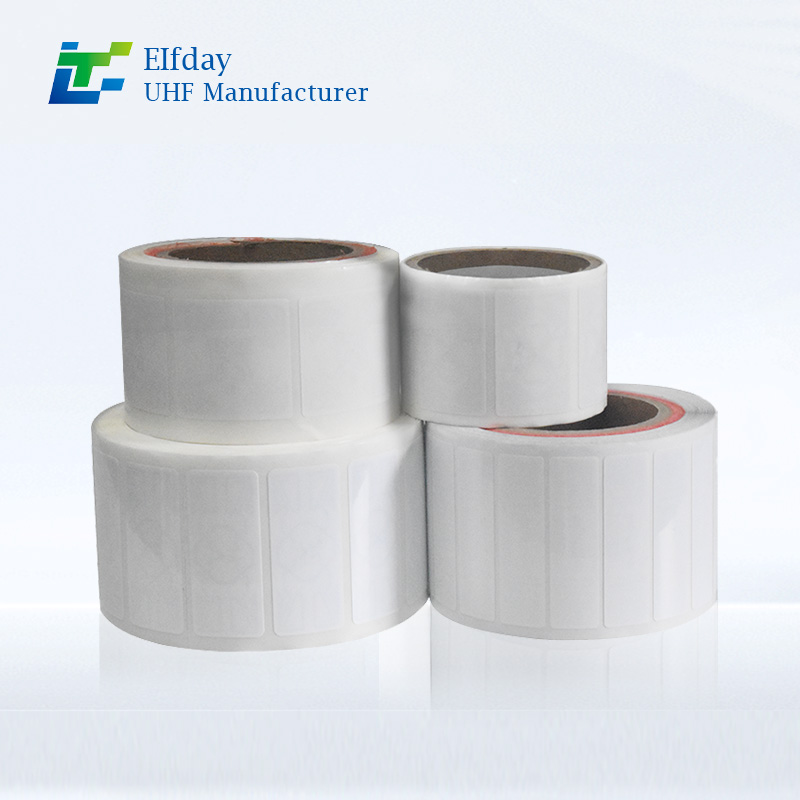
How to Track Temperature-Sensitive Meds Using RFID Tags for Pharmaceuticals
The pharmaceutical industry faces a monumental challenge: ensuring that life-saving medications remain potent from the manufacturing floor to the patient's hands. For temperature-sensitive drugs—such as vaccines, insulin, biologics, and specialty pharmaceuticals—even a brief deviation from required storage conditions can compromise efficacy, endanger patient safety, and result in significant financial losses .
Traditional monitoring methods, such as manual temperature logging or basic data loggers that require physical retrieval, leave dangerous gaps in visibility. Enter RFID tags for pharmaceuticals: a transformative technology that enables real-time, automated temperature tracking throughout the entire cold chain.
In this comprehensive guide, we'll explore how to implement RFID-enabled temperature monitoring for your pharmaceutical shipments, ensuring compliance, protecting product integrity, and ultimately safeguarding patients.
Why Temperature Monitoring Matters in Pharma
Before diving into the "how," it's essential to understand the stakes. The global pharmaceutical cold chain is responsible for transporting products worth billions of dollars annually, with a significant portion requiring strict temperature control between 2°C and 8°C—or even cryogenic conditions for certain therapies .
The Consequences of Temperature Excursions
When temperature-sensitive medications experience excursions outside their approved range:
Efficacy Loss: Proteins in biologics can denature, vaccines can lose potency, and insulin can degrade
Patient Risk: Patients receive sub-therapeutic doses or, worse, dangerous degradation byproducts
Financial Waste: The WHO estimates that up to 50% of vaccines are wasted globally due to temperature-related issues
Regulatory Non-Compliance: Regulatory bodies like the FDA (through DSCSA), EU FMD, and WHO require documented proof of temperature maintenance
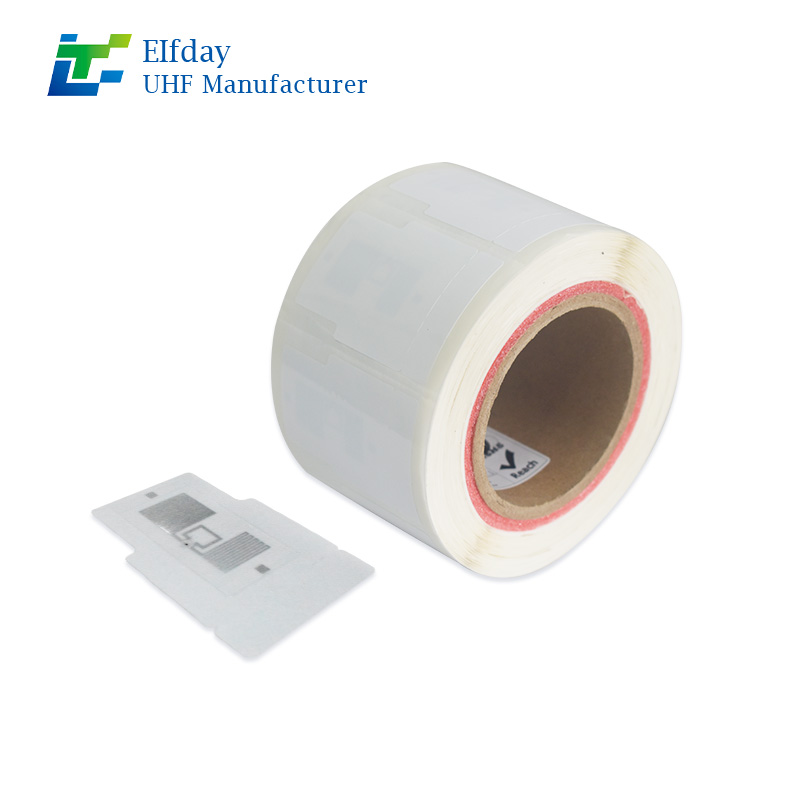
This is where RFID tags for pharmaceuticals provide a game-changing solution.
Understanding RFID Temperature Monitoring Technology
Not all RFID tags are created equal. For temperature monitoring, specialized tags incorporate sensors that capture thermal data throughout the supply chain journey.
Types of RFID Temperature Tags
| Tag Type | Power Source | Data Transmission | Best Use Case |
| Passive RFID Temperature Tags | Powered by reader signal | On-demand when scanned | Checkpoint-based monitoring, warehouse audits |
| Semi-Passive (BAP) Tags | Internal battery for sensing, passive for communication | On-demand with extended range | Pallet-level monitoring, longer journeys |
| Active RFID Temperature Tags | Internal battery for both sensing and transmission | Continuous real-time broadcast | High-value biologics, real-time alerting needs |
Key Features to Look For
When selecting RFID tags for pharmaceuticals for temperature monitoring, consider these critical specifications:
Temperature Accuracy and Range
High-quality pharmaceutical-grade tags offer accuracy of ±0.1°C to ±0.5°C . The operating range should cover your specific requirements—from ultra-cold freezers at -70°C to controlled room temperature conditions.
Data Logging Capacity
Tags like the CAEN RFID RT0005 can store thousands of temperature samples—up to 3,958 data points with configurable sampling intervals from 1 second to 18 hours . This ensures you never miss a critical excursion, even during extended shipments.
Memory and Security
Beyond temperature data, advanced tags provide user memory for storing batch numbers, expiration dates, and serialized identifiers—creating a complete electronic pedigree that travels with the product .
Durability and Certification
Look for IP67 or higher ratings to withstand cold chain environments, including condensation, washing, and freezing conditions .
Step-by-Step: Implementing RFID Temperature Tracking
Step 1: Define Your Monitoring Requirements
Begin by mapping your specific cold chain journey:
What products are you monitoring? Vaccines, biologics, clinical trial materials, or specialty pharmaceuticals each have unique requirements
What are your temperature thresholds? Define acceptable ranges, critical limits, and excursion duration tolerances
Where are the monitoring points? Manufacturing, warehousing, transportation, pharmacy storage, and bedside administration all present different monitoring needs
Step 2: Select the Appropriate RFID Tags for Pharmaceuticals
Based on your requirements, choose the right tag technology:
For Pallet-Level Monitoring
Semi-passive tags with long battery life (2-3 years) and extended read range (up to 100 meters) allow monitoring through insulated packaging and container walls .
For Case-Level Tracking
Cost-effective semi-passive tags balance functionality with economics, enabling broad deployment across multiple shipments.
For Item-Level Serialization
Emerging technologies now make item-level tagging economically viable for high-value pharmaceuticals, supporting DSCSA compliance and individual unit traceability.
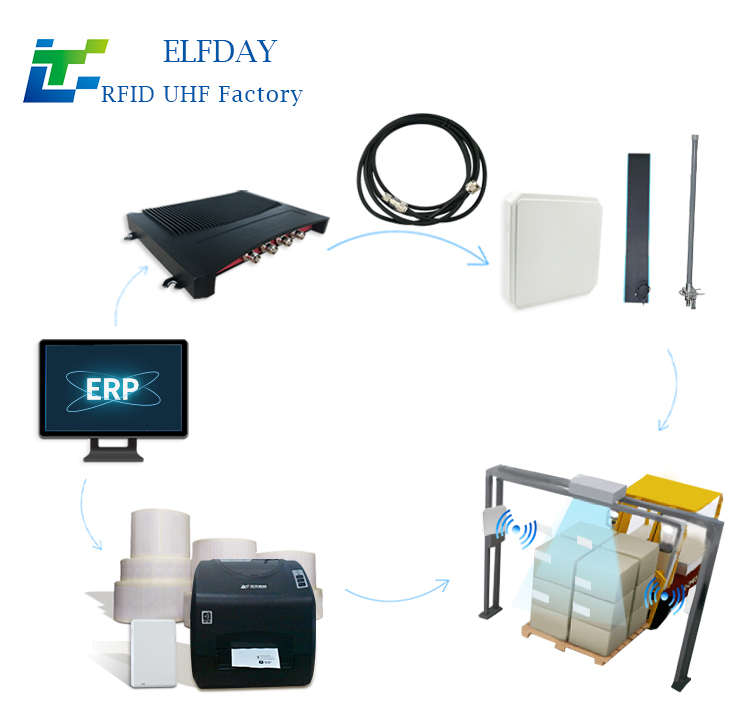
Step 3: Establish Reader Infrastructure
Effective temperature tracking requires strategically placed readers:
Fixed Portal Readers
Install at key checkpoints: manufacturing exits, warehouse doors, loading docks, and pharmacy receiving areas. These automatically capture temperature data as tagged products pass through .
Handheld Readers
Enable manual verification at any point—during put-away, order picking, or delivery confirmation.
Mobile Gateways
For in-transit visibility, equip vehicles with BLE gateways or RFID readers that collect temperature data continuously and transmit via cellular networks .
Step 4: Configure Alarms and Thresholds
Modern RFID tags for pharmaceuticals allow sophisticated alarm configuration:
Set high and low temperature thresholds for immediate excursion alerts
Define multiple temperature ranges for products with different requirements
Configure Mean Kinetic Temperature (MKT) calculations to assess cumulative thermal exposure
Enable shelf-life prediction based on time-temperature history
Step 5: Integrate with Your Software Ecosystem
Temperature data is only valuable when it drives action:
Cloud Integration
Platforms like GAO's cold chain monitoring system or FineLine's QCtrak app aggregate data from distributed sensors, providing centralized dashboards and fleet-wide visibility .
Enterprise System Connectivity
API connectors integrate temperature data with WMS, TMS, ERP, and quality management systems .
Automated Reporting
Generate audit-ready reports aligned with FDA 21 CFR Part 11, EU GDP, and WHO requirements .
Real-World Applications and Success Stories
Vaccine Distribution Cold Chain
Challenge: A Boston healthcare network needed to validate temperature compliance for vaccine lots across cold rooms, transport corridors, and multiple administration sites.
Solution: Deployment of BLE-enabled temperature beacons and RFID tags on insulated shipping containers provided continuous telemetry to a centralized management system. Real-time alerts enabled immediate corrective action when temperatures approached threshold limits .
Clinical Trial Material Tracking
Challenge: A North Carolina research organization required precise temperature monitoring for blood and tissue specimens transported between labs and mobile couriers.
Solution: RFID-enabled containers with temperature logging capabilities tracked every sample throughout its journey, aligning with NIH bio-transport documentation standards .
Biopharmaceutical Transport Oversight
Challenge: San Diego biologics manufacturers needed visibility into cryogenic container shipments and culture-media transport.
Solution: BLE gateway networks monitored shipments continuously, with edge analytics calculating thermal exposure windows to support QA procedures .
Compliance and Regulatory Benefits
Implementing RFID tags for pharmaceuticals directly supports regulatory compliance:
DSCSA Compliance
The Drug Supply Chain Security Act requires interoperable, electronic tracing of prescription drugs. RFID tags uniquely combine product identification with temperature history, creating a comprehensive digital thread .
FDA 21 CFR Part 11
Modern RFID systems support electronic signatures, audit trails, and validated data integrity—meeting FDA requirements for electronic records .
WHO and EU GDP Guidelines
Good Distribution Practices require documented evidence that products remain within labeled storage conditions. RFID-generated temperature logs provide this documentation automatically .
Calculating ROI: The Business Case for RFID Temperature Monitoring
Beyond compliance, RFID temperature tracking delivers measurable financial returns:
Reduced Product Loss
Early detection of temperature excursions enables corrective action before products are compromised. One major pharmaceutical distributor reported reducing cold chain losses by over 40% after implementing RFID monitoring.
Labor Efficiency
Automated data collection eliminates manual temperature checks and logbook maintenance. A single RFID read can capture temperature history for an entire pallet in seconds .
Optimized Inventory Management
With accurate temperature data, products that experience minor excursions (but remain within stability parameters) can be confidently used rather than discarded.
Brand Protection
Preventing compromised products from reaching patients protects your company's reputation and reduces liability risk.
Choosing the Right Partner
Successful implementation requires more than just tags—it demands a complete solution:
Technical Expertise
Look for providers with deep experience in pharmaceutical cold chains. Companies like GAO RFID, with four decades of innovation and engineering teams in New York and Toronto, offer the R&D investment and quality assurance procedures essential for regulated environments .
Proven Track Record
Request case studies in pharmaceutical applications. The most credible vendors can demonstrate success with vaccine distribution, clinical trials, and hospital pharmacy implementations .
Comprehensive Support
From initial pilot programs to enterprise-wide deployment, ensure your partner provides technical support, calibration services, and ongoing optimization assistance .
The Future of Pharmaceutical Temperature Monitoring
As we look toward 2026 and beyond, several trends are shaping the evolution of RFID tags for pharmaceuticals:
Integration with IoT and AI
Machine learning algorithms will predict potential excursions before they occur, analyzing patterns in temperature data to identify at-risk shipments .
Blockchain-Enabled Traceability
Combining RFID temperature data with blockchain creates immutable records that all supply chain partners can trust .
Sustainable Solutions
Eco-friendly tags with printed batteries and recyclable materials are reducing the environmental footprint of cold chain monitoring .
5G Connectivity
Next-generation cellular tags enable continuous global tracking without reliance on local reader infrastructure .
Take Control of Your Cold Chain Today
Temperature-sensitive pharmaceuticals demand nothing less than continuous, automated monitoring. RFID tags for pharmaceuticals provide the visibility, compliance documentation, and peace of mind that modern supply chains require.
By implementing RFID temperature tracking, you can:
Ensure patient safety through guaranteed product integrity
Achieve regulatory compliance with minimal manual effort
Reduce waste and improve operational efficiency
Protect your brand reputation and bottom line
The technology is proven, the ROI is clear, and the regulatory imperative is growing. Whether you're shipping vaccines across continents or managing hospital pharmacy inventories, RFID temperature monitoring is no longer optional—it's essential.
Ready to Transform Your Cold Chain?
Contact our team of pharmaceutical RFID specialists today. We'll help you design a customized temperature monitoring solution that meets your specific requirements, integrates with your existing systems, and delivers immediate value.
Request a consultation or schedule a pilot program to see how RFID tags for pharmaceuticals can protect your products and your patients.
A leading provider of RFID solutions for the pharmaceutical industry. With thousands of successful deployments worldwide, we help our customers achieve supply chain excellence through innovative technology and expert support.