








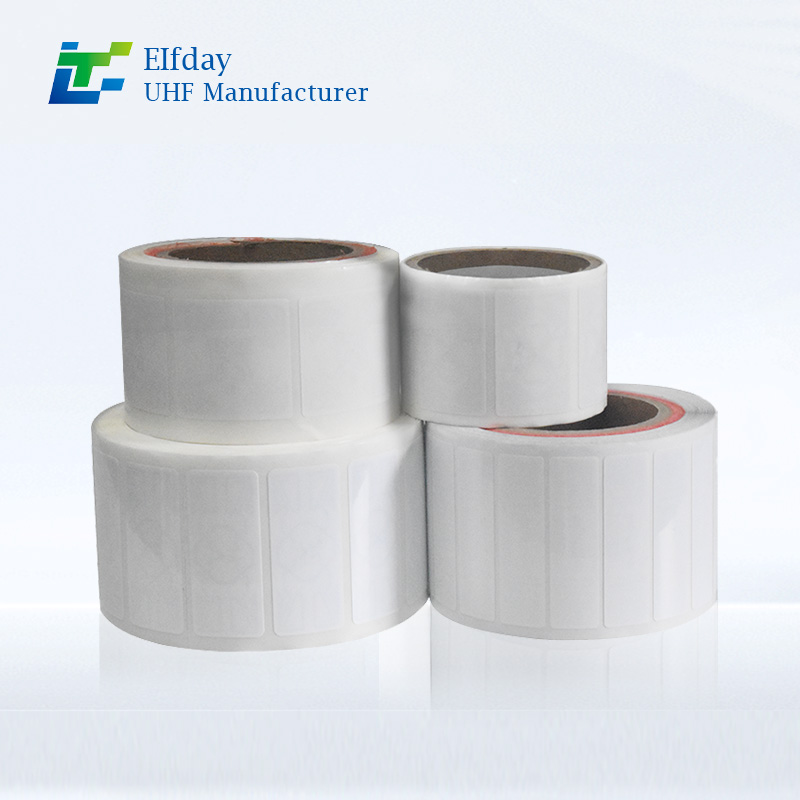
How to Ensure Patient Safety with Advanced RFID Tags for Pharmaceuticals
In an era where the global pharmaceutical supply chain is increasingly complex, the margin for error shrinks every day. Counterfeit drugs, medication errors, and inventory inefficiencies are not just logistical headaches—they are direct threats to patient safety. As regulatory bodies like the FDA (through the DSCSA) and the EU enforce stricter serialization laws, the industry is turning to a powerful technological solution.
Enter advanced RFID tags for pharmaceuticals. Once considered a simple tracking tool, modern RFID technology has evolved into a critical safeguard for patient health. In this article, we explore how smart labeling and RAIN RFID solutions are creating a safer, more transparent future for the pharmaceutical industry.
The High Stakes of Pharmaceutical Errors
Before diving into the technology, it is vital to understand what is at stake. The global RFID in pharmaceuticals market is expanding rapidly due to rising incidents of counterfeit drug trafficking and medication errors in hospitals .
Counterfeit Drugs: Fake or substandard medicines put millions at risk. RFID provides a forensic-level chain of custody that is nearly impossible to replicate fraudulently .
Expiration Mismanagement: Expired drugs can be ineffective or dangerous. Manual checks are prone to human error.
Manual Labor Burdens: Hospital staff often spend hours manually applying tags and checking inventories, time that could be spent on direct patient care .
By integrating RFID tags for pharmaceuticals, the industry can shift from reactive error management to proactive prevention.
Beyond Barcodes: Why RFID is the Gold Standard
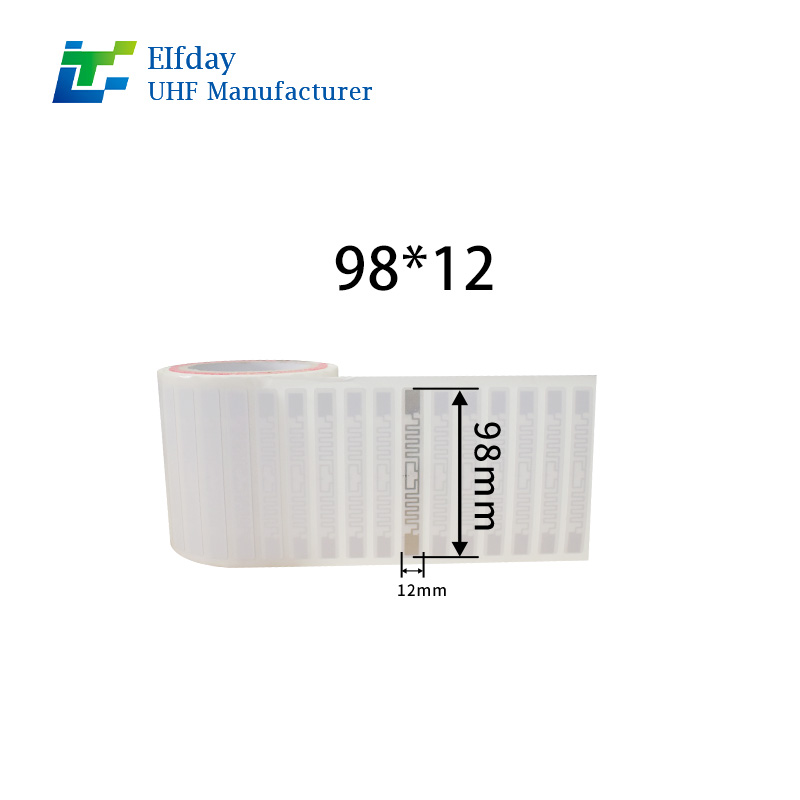
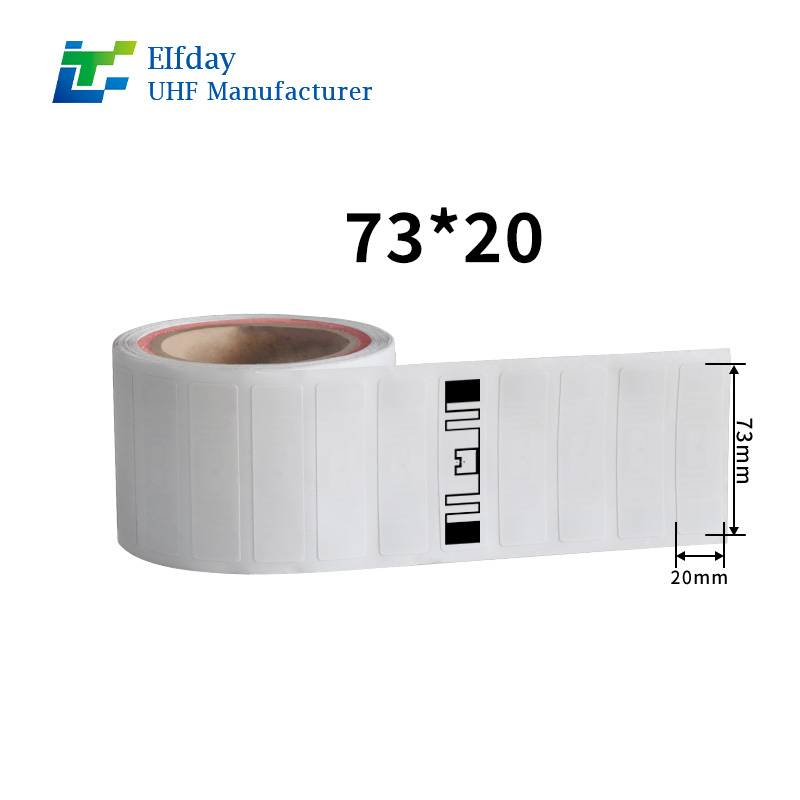
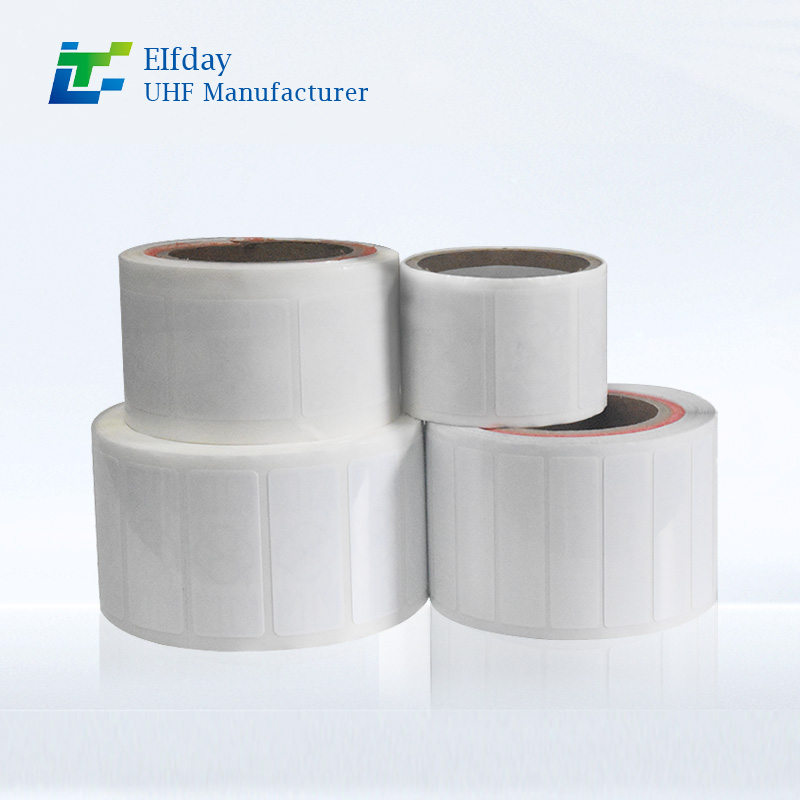
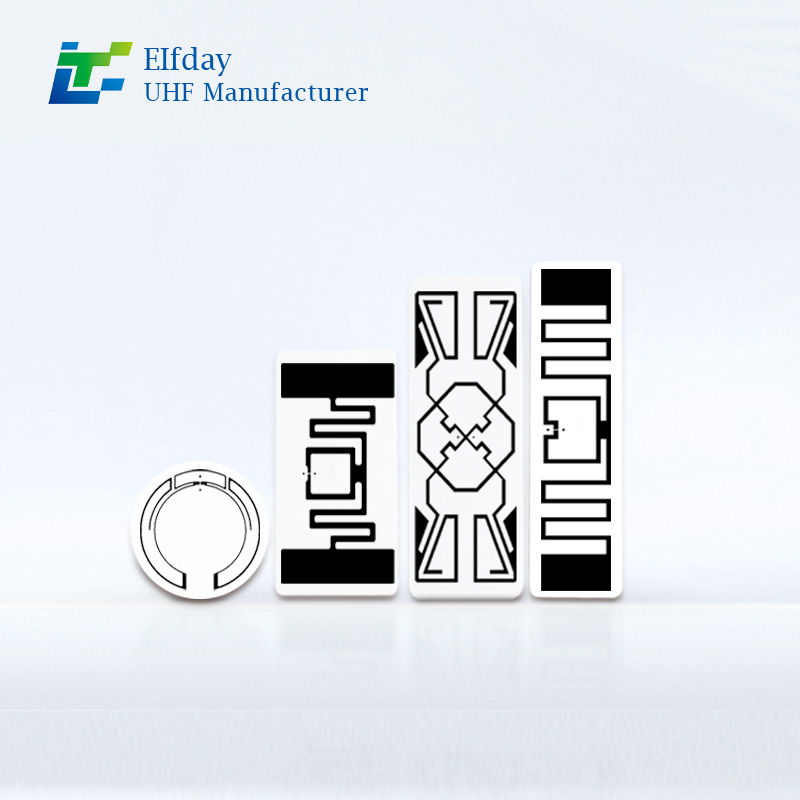
For decades, barcodes were the primary method of tracking drugs. However, barcodes require line-of-sight scanning and can only store limited data. RFID tags for pharmaceuticals offer a distinct advantage because they can be read in bulk, without direct visibility, and can store dynamic data .
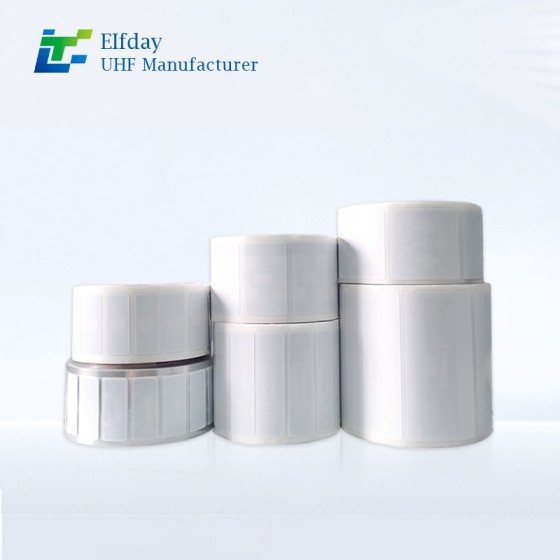
Modern advanced tags, such as those developed by Schreiner MediPharm or SAG, are engineered to withstand the harsh environments of pharmaceutical production. They feature "robust RFID structures" that protect the chip from mechanical stress, ensuring functionality even on small-radius containers like vials and syringes .
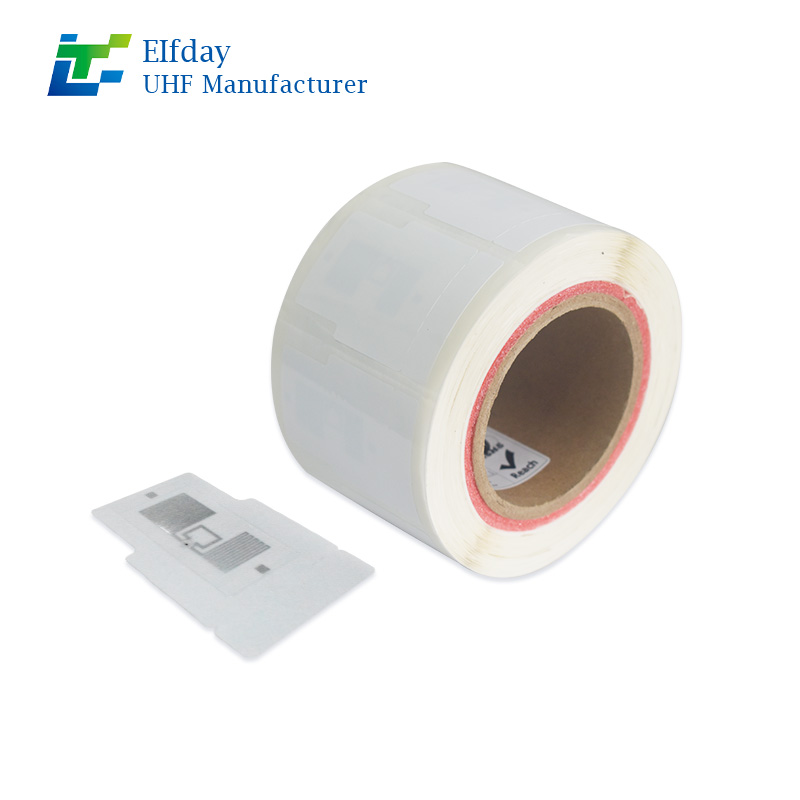
These labels do more than just say "what" the product is. They can communicate:
Batch numbers and expiration dates automatically.
Digital first-opening indicators to monitor container integrity .
Temperature exposure data for sensitive biologics.
Breaking Technological Barriers: The Liquid Challenge
One of the most significant historical challenges in this sector has been tagging liquid-filled medications. Water content in drugs interferes with radio frequencies, making traditional tags unreliable. However, recent breakthroughs have changed the game.
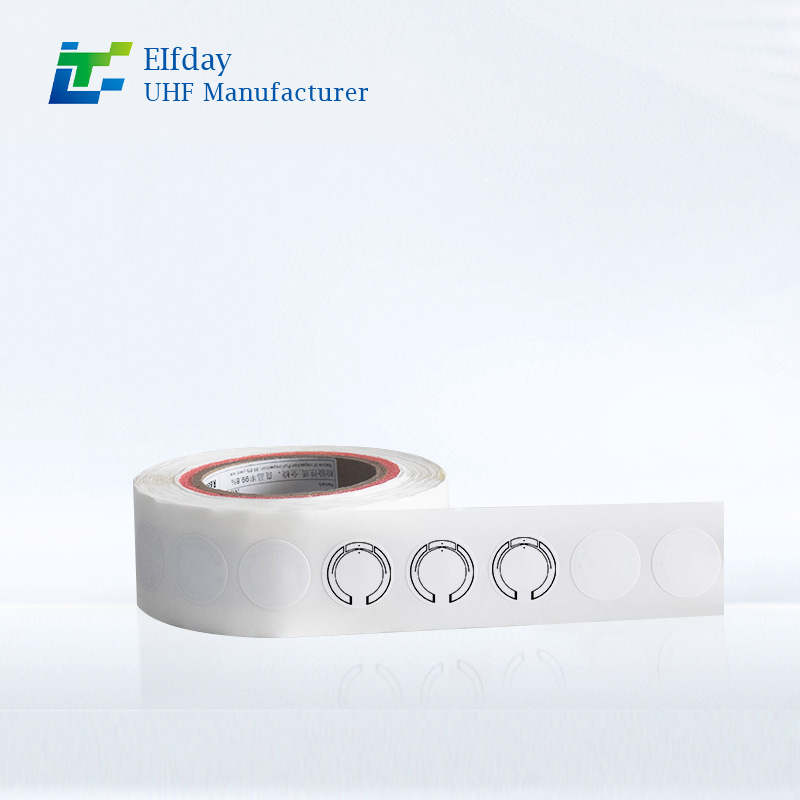
Companies like SAG have unveiled solutions such as the LiquidMate O label. This innovation uses a patent-pending antenna design that enables reliable item-level RFID tagging of liquid-filled injectable medications directly on glass vials . This is a monumental leap forward because it allows for "source tagging"—where the manufacturer applies the tag during production, relieving hospitals of the burden of manual application .
Similarly, Fresenius Kabi has pioneered the application of RAIN RFID labels at manufacturing speed. By embedding Impinj-powered tags into their labels for drugs like Diprivan (propofol), they ensure that every vial arrives at the hospital ready to be tracked immediately. This "pre-tagged" approach saves hospitals thousands of dollars in labor costs and eliminates the risk of tagging errors .
Real-World Impact: From Pharmacy to Bedside
How does this translate to patient safety? Let’s look at the workflow in a modern digitized hospital.
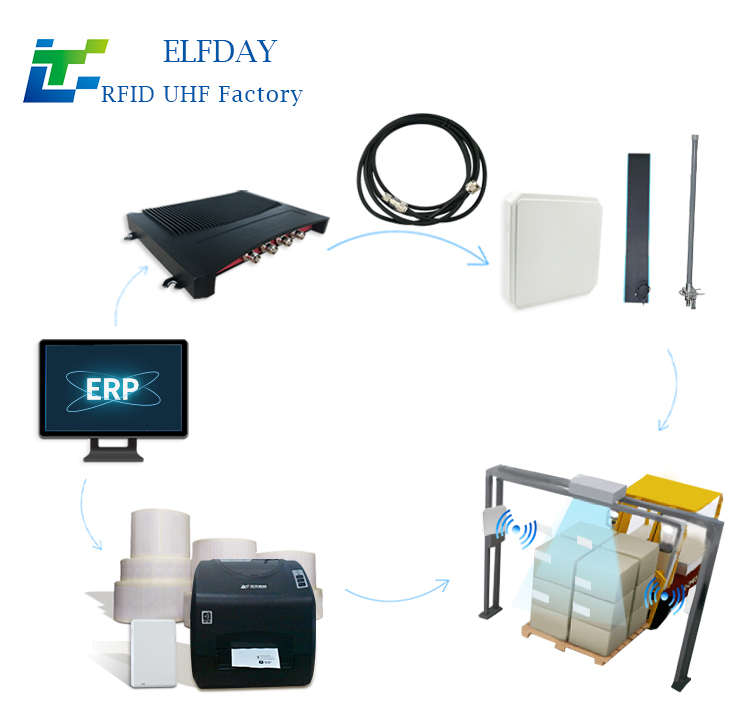
When a shipment arrives at a facility like Rady Children‘s Hospital, staff no longer need to manually scan each bottle. Instead, they use RFID scanning stations (like those from Bluesight’s KitCheck) to read an entire cart of medications in seconds. The system instantly flags expired drugs, identifies recalled items, and updates inventory levels in real-time .
This speed has a direct impact on the patient. In emergency rooms and operating rooms, having the right medication at the right time can be a matter of life and death. RFID tags for pharmaceuticals ensure that high-value, critical medications are always in stock and never out-of-date .
As Gwen Volpe, Senior Director at Fresenius Kabi, notes, these systems “augment and improve a historically barcode-driven workflow... eliminating manual entry of lot and expiration dates while accelerating the recall process” .
Regulatory Compliance and Market Growth
Adopting RFID tags for pharmaceuticals isn't just about efficiency; it‘s about compliance. RFID technology is increasingly central to meeting these standards because it enables serialization and aggregation tracking without line-of-sight issues .
This regulatory push is driving massive market growth. The global RFID in pharmaceuticals market is projected to grow from $4.86 billion in 2025 to $8.72 billion by 2033, with Asia-Pacific currently dominating the market share due to its vast manufacturing capabilities and fight against counterfeit trafficking .
Choosing the Right Solution for Your Supply Chain
If you are a pharmaceutical manufacturer or a large healthcare provider looking to invest, here are key features to look for in RFID tags for pharmaceuticals:
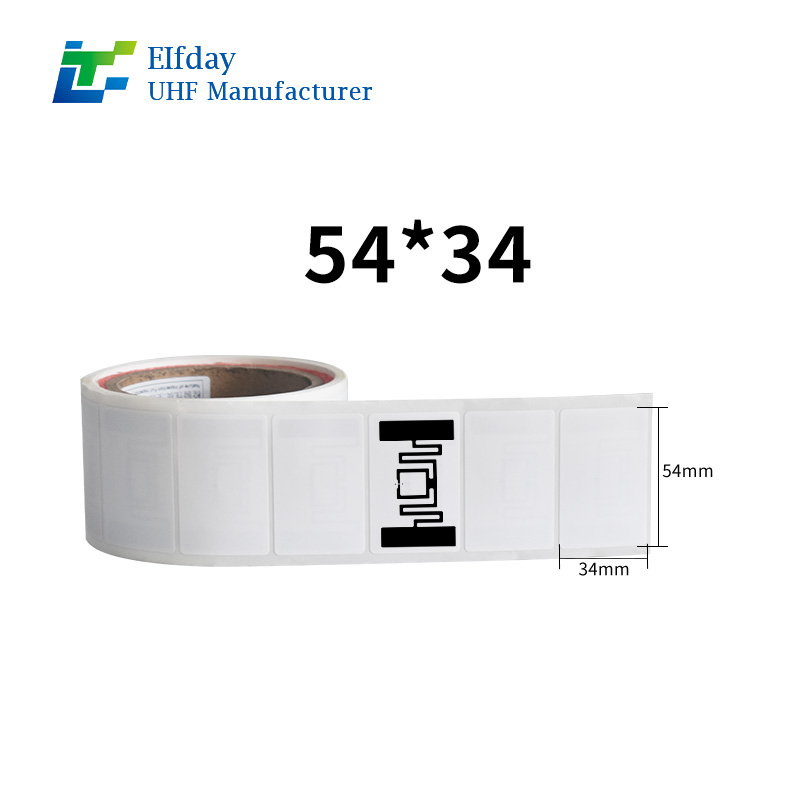
Durability: The tag must withstand high-speed production lines and curved surfaces.
Liquid Interference Resistance: Ensure the tag performs reliably on liquid-filled vials without requiring formulation-specific variants .
Data Standards Compliance: Look for tags aligned with GS1 standards (TIPP and TDS) to ensure interoperability across the supply chain .
Tamper-Evidence: Features like tamper-evident seals or digital opening indicators are crucial for security .
A Safer Dose, Delivered Confidently
The future of pharmaceuticals is smart, connected, and inherently safe. By leveraging advanced RFID tags for pharmaceuticals, stakeholders across the supply chain—from manufacturers in Asia to pharmacists in North America—can ensure that every dose delivered is authentic, unexpired, and accounted for.
Investing in RFID technology is no longer just a logistical upgrade; it is a commitment to patient safety and operational excellence.
Is your organization ready to enhance patient safety with smart tracking? [Contact our team] to discuss customized RFID solutions for your pharmaceutical inventory, or [download our whitepaper] on the future of DSCSA compliance.