










The Ultimate Guide to Enhancing Laboratory Safety with RFID Chemical Tags
In the modern laboratory, safety is non-negotiable. Yet, for many lab managers and safety officers, the daily reality involves chasing down missing reagent bottles, manually updating cluttered spreadsheets, and dreading the next compliance audit.
If you are still relying on hand-written logs or line-of-sight barcodes to manage your hazardous materials, you aren‘t just wasting time—you might be risking a serious safety incident. Enter RFID tags for chemicals. This technology is shifting laboratory management from reactive “human defense” to proactive “technical prevention” .
In this guide, we’ll explore how RFID technology works in lab environments, why it’s superior to traditional methods, and how it can transform your facility into a model of efficiency and safety.
What Are RFID Tags for Chemicals?
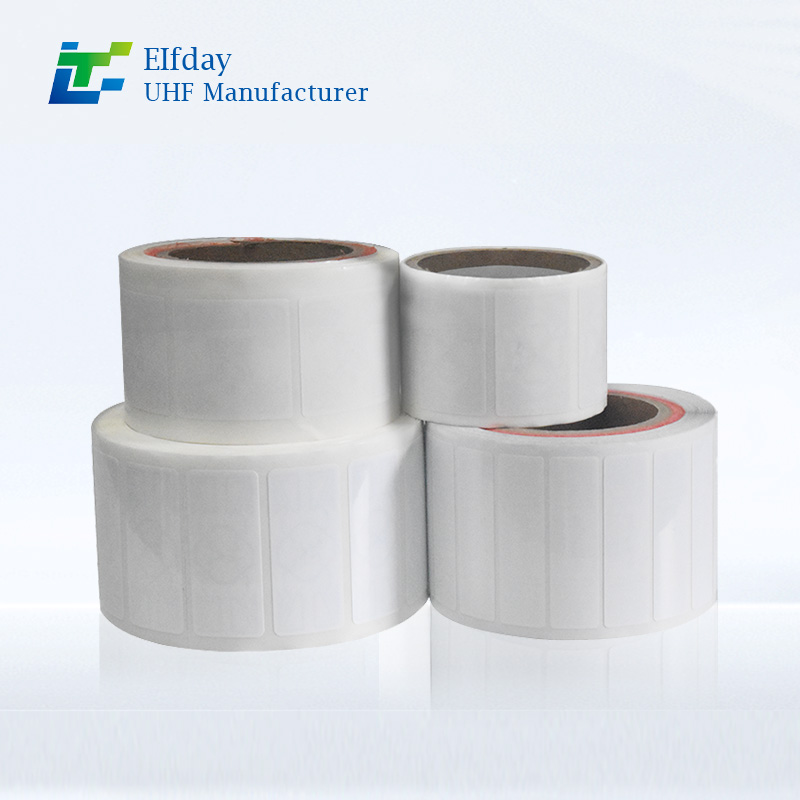
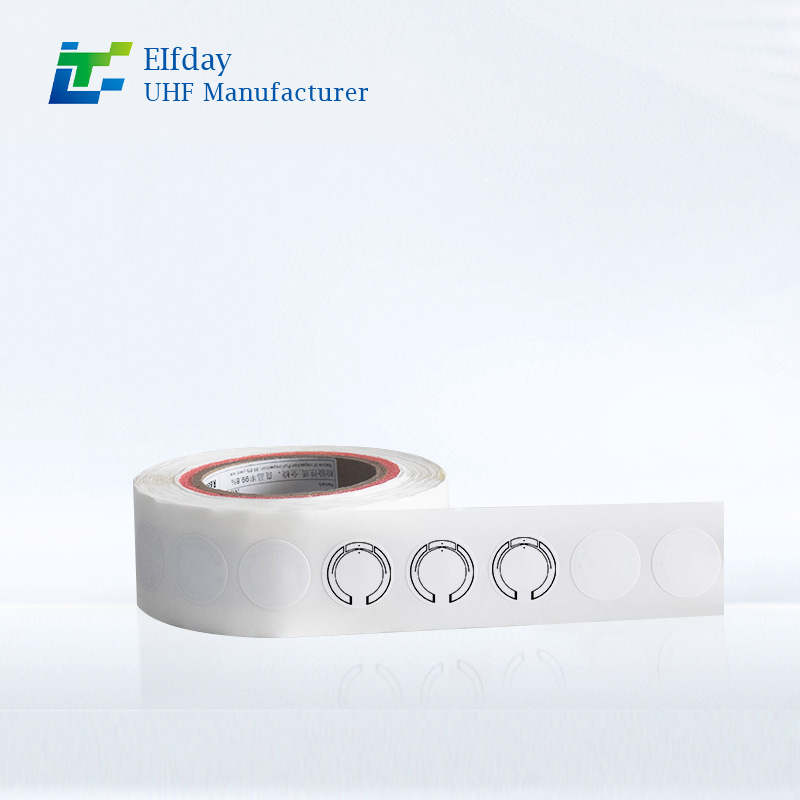
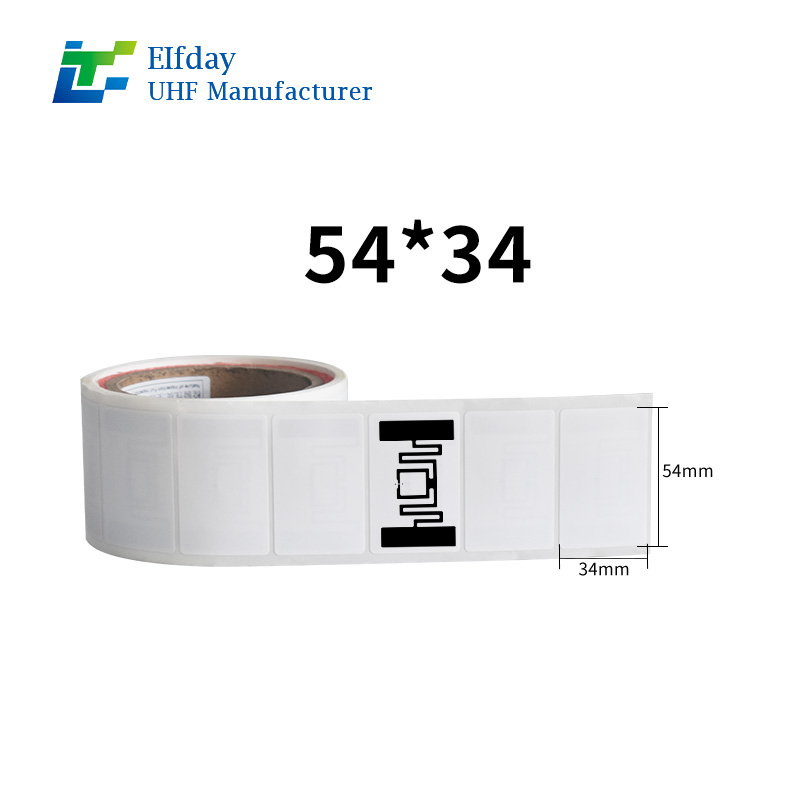
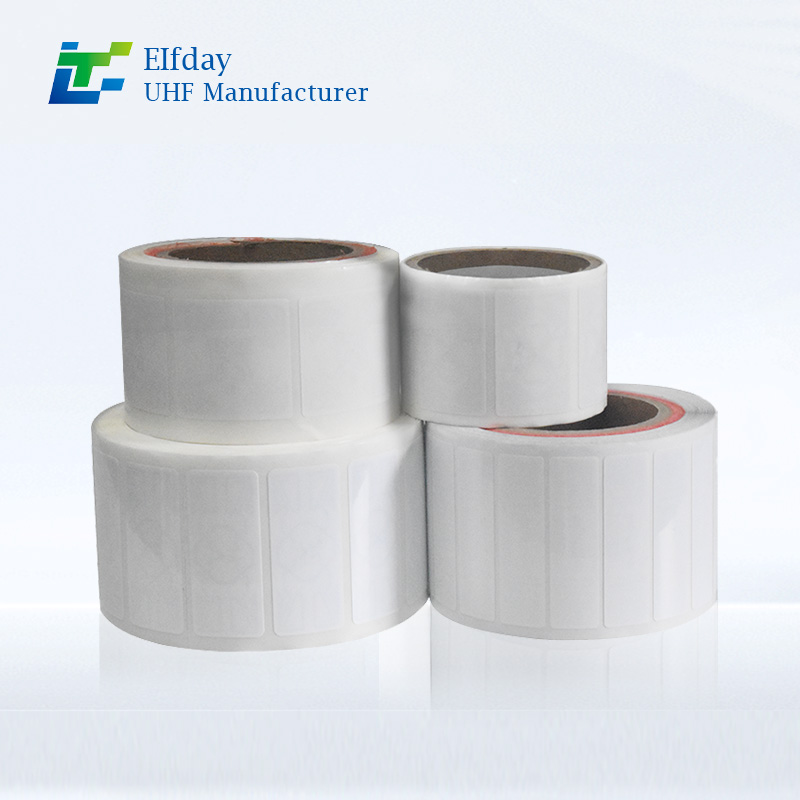
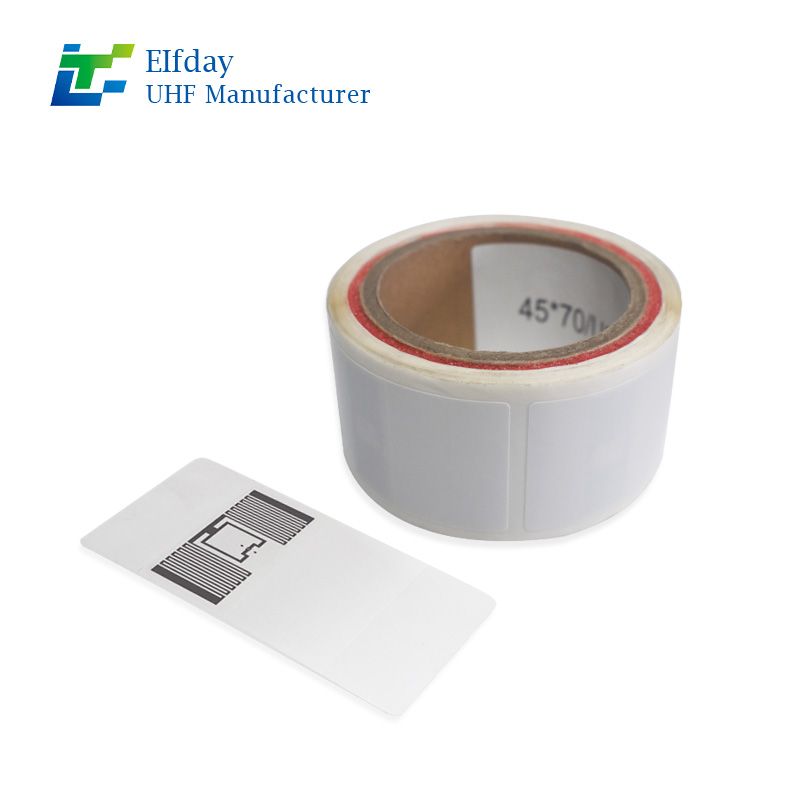
RFID tags for chemicals are specialized radio-frequency identification devices attached to chemical containers. Unlike traditional barcodes that require a direct line of sight, these tags use radio waves to transmit data to a reader . This allows a single technician to scan an entire shelf of reagents in seconds without opening a single cabinet door.
Depending on the environment, these tags come in various forms:
Flat Tags: Ideal for general glass and plastic containers .
Flag Tags: Specifically designed to stand off from metal surfaces to prevent signal interference .
Chemical-Resistant Tags: Built with materials like PPS or silicone to withstand exposure to acids, bases, and solvents .
Freezer Tags: Engineered to survive ultra-low temperatures (-20°C and below) .
The Critical Shortcomings of Barcode-Only Systems
For decades, barcodes have been the standard for inventory. However, they were designed for retail checkout lines, not complex laboratory environments.
Barcodes require line of sight. To take inventory, a staff member must physically handle each bottle, rotate it to find the barcode, and scan it. This is not only time-consuming but dangerous when dealing with volatile or radioactive materials .
Furthermore, barcodes are fragile. They fade under UV light and can be dissolved by solvent spills . In contrast, RFID tags for chemicals can be read through opaque boxes and plastic totes, and they are built to resist harsh chemical exposures .
How RFID Transforms Laboratory Safety
Implementing RFID technology creates a "digital life" for every chemical in your facility. Here is how it enhances safety across four key areas:
1. Automated Inventory and Rapid Reconciliation
Manual reconciliation of chemical inventories can take days or weeks. With RFID, a researcher can walk through the lab with a handheld reader or rely on fixed portal readers to capture every tagged item in seconds .
*Data shows that identifying items with RFID is 65% quicker than sight-reading labels and 52% faster than scanning barcodes* .
2. Enhanced Security and Access Control
RFID smart cabinets ensure that hazardous materials are only accessed by authorized personnel. Features include multi-factor authentication (fingerprint + ID card) and mandatory dual-signoff for controlled substances . The system automatically records exactly who took what, and when they returned it.
3. Real-Time Location Services (RTLS)
Where did that expensive vial of antibodies go? Instead of posting on a lab Slack channel, you can simply query the system. Advanced setups using UWB or BLE can locate a specific container within centimeters, drastically reducing the time spent searching .
4. The "Metal Problem" Solved
One historical barrier to adopting RFID tags for chemicals was the issue of metal containers, which block radio signals. Recent innovations have solved this. Researchers have found that "flag" tags or tags mounted on small 3D-printed brackets can increase read distance by 235% when attached to metal, making RFID viable for gas cylinders and metal solvent bottles .
Compliance: Staying Audit-Ready 24/7
For labs regulated by OSHA, DEA, or the FDA, documentation is everything. Manual logs are prone to human error—illegible handwriting, forgotten entries, or lost forms .
RFID systems automate compliance. They create an immutable, time-stamped digital audit trail for every chemical's journey from arrival to disposal .
Expiry Alerts: The system flags reagents that are about to expire, reducing waste and ensuring experiments aren't conducted with degraded materials .
Incompatible Storage Alerts: Smart systems can warn staff if they are placing an oxidizer next to a flammable solvent, preventing dangerous storage conditions .
Choosing the Right RFID Solution for Your Lab
Not all RFID tags for chemicals are created equal. To maximize your ROI and ensure safety, consider the following factors before purchasing:
Chemical Resistance
If your lab works with aggressive solvents or acids, you need tags with high IP ratings and specialized materials. Silicone housings or PPS shells are recommended for wet chemistry environments .
Surface Compatibility
Non-Metal Containers: Standard passive UHF tags work well.
Metal Containers: You must use "on-metal" or "flag" tags to ensure the signal is not detuned .
Temperature Tolerance
Standard tags may fail in -80°C freezers or autoclaves. Ensure your tags are rated for your specific storage conditions .
Integration Capabilities
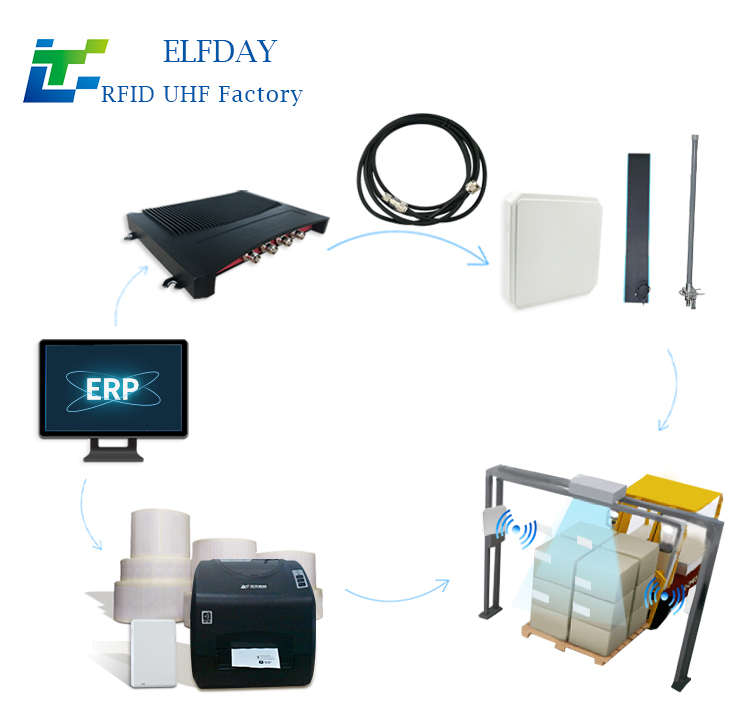
Your RFID system shouldn't exist in a silo. Look for solutions that offer APIs to integrate with your existing Laboratory Information Management System (LIMS) or Enterprise Resource Planning (ERP) software . Cloud-enabled platforms allow for global accessibility and centralized reporting across multiple sites .
The Financial Case: ROI of RFID
While the upfront cost of RFID tags for chemicals and readers may seem high, the return on investment is compelling.
Labor Savings: Reduce time spent on inventory counts by up to 85% .
Waste Reduction: Prevent duplicate purchasing by knowing exactly what stock is on hand. Proactive expiry alerts ensure you use what you have before it goes bad .
Theft/Misplacement Prevention: High-value reagents are tracked constantly, preventing loss .
The Future is Contactless Safety
The laboratory is the heart of scientific discovery, but it is also an environment of inherent risk. Moving from "human prevention" to "technical prevention" isn't just a trend—it is a responsibility .
By investing in high-quality RFID tags for chemicals, you are not just buying a tracking system; you are building a safety infrastructure. You are ensuring that when an auditor walks in, your records are perfect. When a researcher needs a chemical, they find it instantly. And when a hazardous spill occurs, you know exactly what was affected and who was involved.
Ready to upgrade your lab safety?
Don't let outdated tracking methods put your team at risk. Explore our range of chemical-resistant RFID tags for chemicals and readers today.