








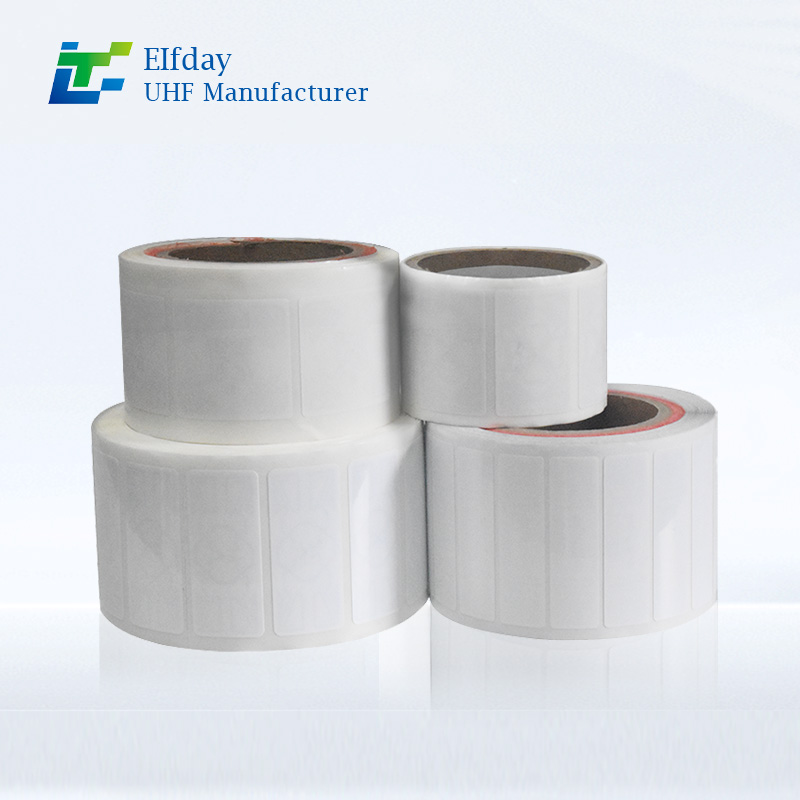
How RFID Tags for Pharmaceuticals Packaging Ensure Patient Safety and Compliance
Every year, the global pharmaceutical industry faces a silent crisis. While we often hear about groundbreaking drug discoveries, the journey from the manufacturing lab to the patient’s hands is fraught with risks—counterfeiting, temperature excursions, and simple human error. For a product that can mean the difference between life and death, "almost safe" is not safe enough.
This is where technology steps in to bridge the gap between production and protection. Among the most transformative tools available today are RFID tags for pharmaceuticals packaging. While the concept has been around for decades, recent advancements in miniaturization, read accuracy, and cost-effectiveness have pushed these tags from a "nice-to-have" to a critical infrastructure component for any serious pharmaceutical operation.
If you are a quality assurance manager, a supply chain director, or a packaging engineer, understanding how these tiny devices safeguard your business and your patients is essential. Let’s explore how RFID tags for pharmaceuticals packaging are redefining the standards of safety and regulatory compliance.
The High Stakes of Modern Pharma Logistics
To appreciate the value of the solution, one must first understand the magnitude of the problem. The pharmaceutical supply chain is one of the most complex logistical networks in the world. It involves multiple handoffs, varying climates, and strict regulatory checkpoints.
Consider the issue of counterfeit drugs. The World Health Organization estimates that one in ten medical products in low- and middle-income countries is substandard or falsified. But this isn't a problem limited to developing nations; sophisticated counterfeiters target high-value oncology drugs, hormones, and antibiotics in developed markets as well. When a counterfeit enters the supply chain, it doesn’t just represent a financial loss—it represents a direct threat to patient safety.
Then, there is the issue of the cold chain. Biologics, vaccines, and insulin are notoriously sensitive. A temperature excursion during transit that goes undetected can render an entire batch useless. Without real-time visibility, these compromised drugs might still end up on pharmacy shelves, putting patients at risk of ineffective treatment or adverse reactions.
Finally, there is the weight of regulation. Authorities like the FDA in the US (via the Drug Supply Chain Security Act, DSCSA) and the EMA in Europe are demanding unit-level traceability. The days of simply tracking a pallet are over. The industry is moving toward a mandate where every single box must be tracked, authenticated, and verified.
Moving Beyond Barcodes: The RFID Advantage
For years, the industry relied on barcodes and 2D data matrix codes. While these are excellent for line-of-sight scanning, they are labor-intensive. A warehouse worker must physically locate, aim, and scan each individual box. When dealing with thousands of units, this process is prone to bottlenecks and human fatigue.
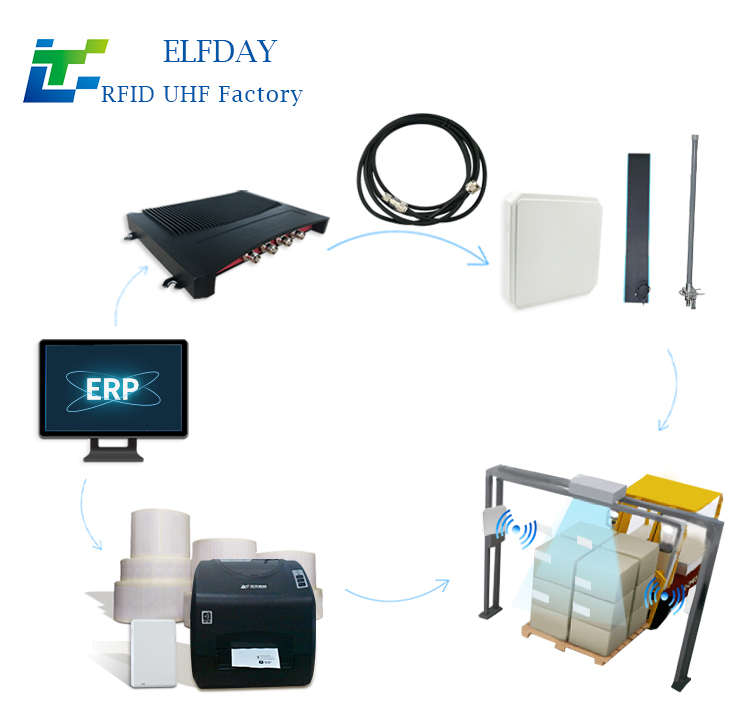
RFID tags for pharmaceuticals packaging offer a paradigm shift. They utilize radio frequency identification, allowing for bulk, non-line-of-sight reading. A worker can pass a pallet of 500 drug boxes through a portal and know the exact status and identity of every single unit in less than a second.
But the true genius of RFID tags for pharmaceuticals packaging lies not in speed alone, but in the data they carry and the transparency they provide.
Pillar 1: Fortifying Patient Safety
When we discuss patient safety in the context of packaging, we are discussing the prevention of three specific dangers: counterfeit ingestion, dispensing errors, and product degradation.
1. The End of Counterfeiting
One of the most powerful features of modern RFID tags for pharmaceuticals packaging is the cryptographic security they offer. Unlike a printed barcode, which can be easily copied and pasted onto a fake box, an RFID tag can contain a unique, unforgeable identifier. When a pharmacist scans the tag, the system doesn’t just read a number; it verifies that the tag is authentic and that the chain of custody is intact.
If a counterfeit product is introduced into the supply chain, it will fail this authentication check immediately. For a patient, this means that the drug they purchase is guaranteed to have originated from a verified manufacturer and has not been tampered with. This level of security builds immense trust between the manufacturer and the end consumer.
2. Eliminating the "Look-Alike" Risk
In a busy hospital pharmacy, the difference between a vial of a muscle relaxant and a vial of a potassium supplement can be a matter of life and death. While color-coding and labels help, human error still occurs. By embedding RFID tags for pharmaceuticals packaging, hospitals can implement "smart cabinets." When a nurse retrieves a medication, the cabinet knows exactly which drug is being taken.
If the wrong drug is picked up, an alert sounds immediately. This closed-loop system ensures that the right patient receives the right drug, at the right dose, at the right time. It automates safety, removing the margin for human error.
3. Protecting Drug Efficacy
For temperature-sensitive pharmaceuticals, the packaging itself becomes a data logger. Advanced versions of RFID tags for pharmaceuticals packaging are equipped with sensors that record temperature history. If a shipment of insulin was left on a hot tarmac for three hours, the tag records that excursion. Upon arrival, if the tag alerts the receiver that the temperature threshold was breached, the shipment can be rejected before it ever reaches a patient.
This ensures that the drug’s efficacy is preserved. Patients receive medication that works exactly as it was designed to, without the hidden risk of thermal degradation.
Pillar 2: Streamlining Regulatory Compliance
Navigating global pharmaceutical regulations is often described as walking through a minefield. One misstep results in fines, recalls, and reputational damage. RFID tags for pharmaceuticals packaging serve as a strategic asset in simplifying this complexity.
Meeting the DSCSA Requirements
In the United States, the DSCSA mandates a fully interoperable, electronic system to identify and trace certain prescription drugs as they are distributed. The goal is to build a system that can identify and remove counterfeit or otherwise illegitimate products from the supply chain.
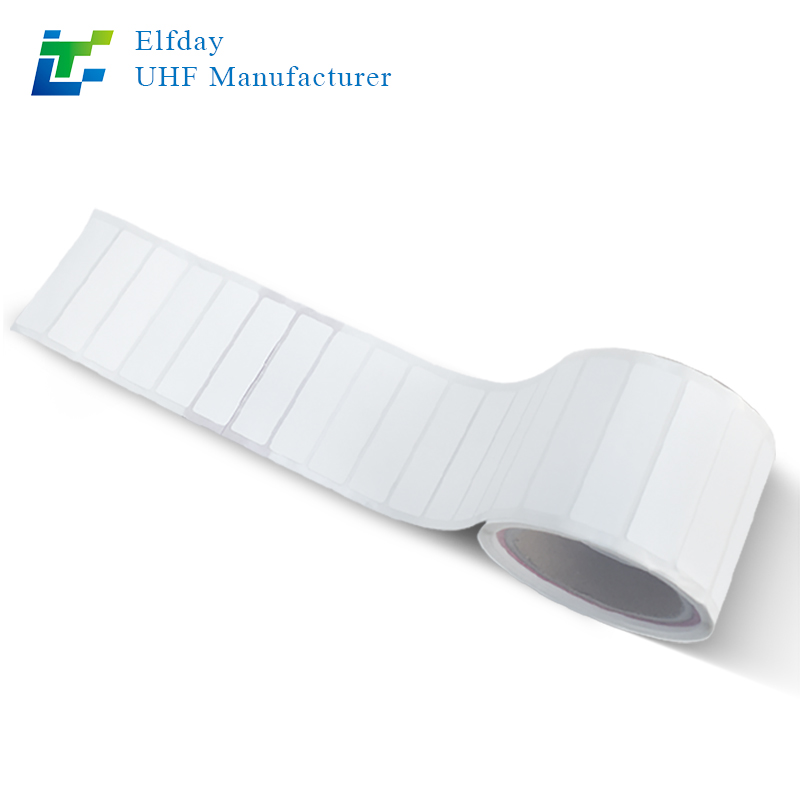
Implementing RFID tags for pharmaceuticals packaging is arguably the most efficient way to meet these requirements. Instead of manually aggregating data from multiple barcode scans, the RFID system automates the creation of the “pedigree”—the documented history of a drug’s journey from manufacturer to dispenser. When an inspector or trading partner requests verification, the data is instantly available, accurate, and unalterable.
Global Harmonization
For companies distributing globally, the challenge is even greater. The EU’s Falsified Medicines Directive (FMD) has its own set of requirements. Managing compliance across jurisdictions can be a logistical nightmare. A unified system based on RFID tags for pharmaceuticals packaging allows manufacturers to standardize their packaging operations. Whether a product is going to Chicago, Berlin, or Tokyo, the underlying technology provides the visibility required to satisfy local regulatory bodies without requiring complex, region-specific packaging variations.
Audit-Ready Operations
There is no such thing as a "surprise audit" that feels good. However, when your packaging is equipped with smart RFID technology, audits become a demonstration of efficiency rather than a stressful ordeal. Because the data is captured automatically throughout the supply chain, you can provide real-time evidence of compliance. You can prove exactly where a batch was, what temperature it experienced, and who handled it, all within a few clicks. This transparency not only satisfies regulators but also reduces the man-hours spent preparing audit documentation.
The Business Case: From Cost to Investment
One of the common hesitations regarding the adoption of RFID tags for pharmaceuticals packaging is the upfront cost. It is true that switching from barcodes to an RFID infrastructure requires an initial investment in tags, readers, and software integration.
However, viewing this strictly as a cost is a mistake. It is an investment in risk mitigation and operational efficiency.
Consider the cost of a single product recall. Recalls involve reverse logistics, disposal, regulatory fines, and legal fees. More damaging, however, is the reputational cost. If a recall occurs because your company could not verify the legitimacy of a product, or because a temperature issue went undetected, the loss of consumer trust can take years to rebuild.
RFID tags for pharmaceuticals packaging act as a shield against these catastrophic events. They provide the granular data needed to isolate issues quickly. If a recall is necessary, you can identify exactly which units were affected and which are safe, allowing you to pull only the specific items rather than an entire production lot. This precision saves millions of dollars and preserves brand integrity.
Furthermore, operational efficiency increases dramatically. Inventory counts that used to take a team of workers three days can be completed by one worker in two hours with a handheld RFID reader. This frees up labor for more valuable tasks and reduces the risk of stock-outs or overstocking.
How to Implement Without Disruption
If you are considering integrating RFID tags for pharmaceuticals packaging into your workflow, it is essential to approach it with a strategic plan to avoid operational disruption.
The first step is usually a pilot program. Choose a specific product line or a specific distribution channel. Work with a packaging partner who understands the nuances of embedding tags without compromising the integrity of the packaging material. The goal of the pilot is not just to test the hardware, but to train your staff on the new workflows and to fine-tune your middleware and software integrations.
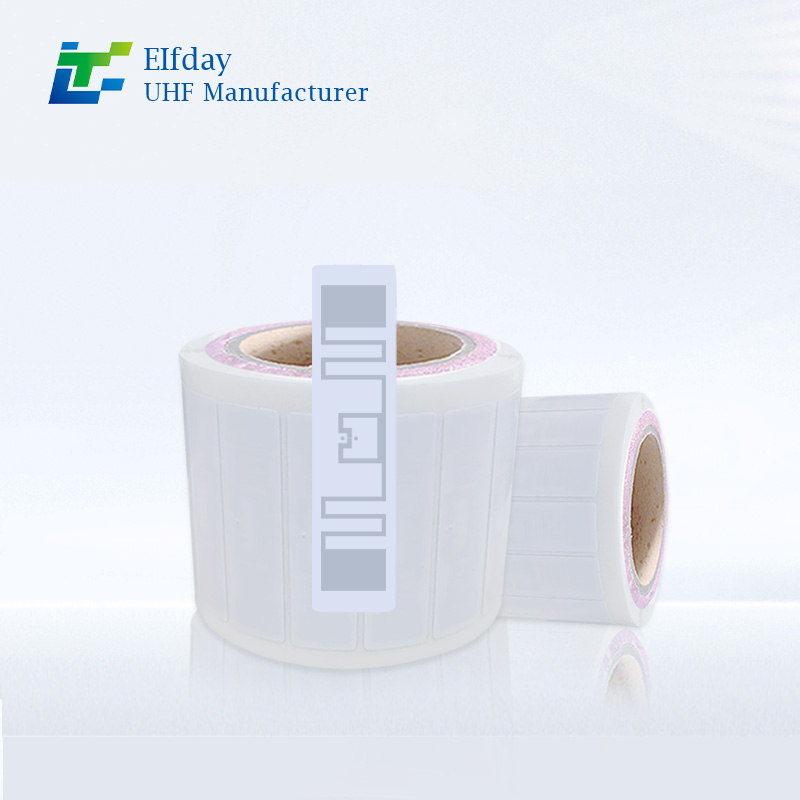
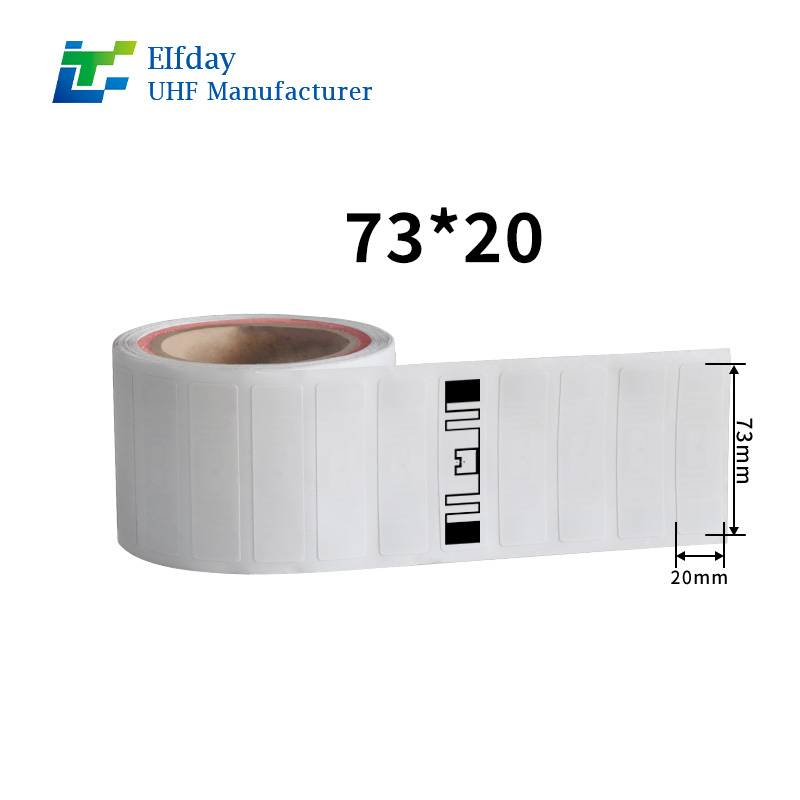
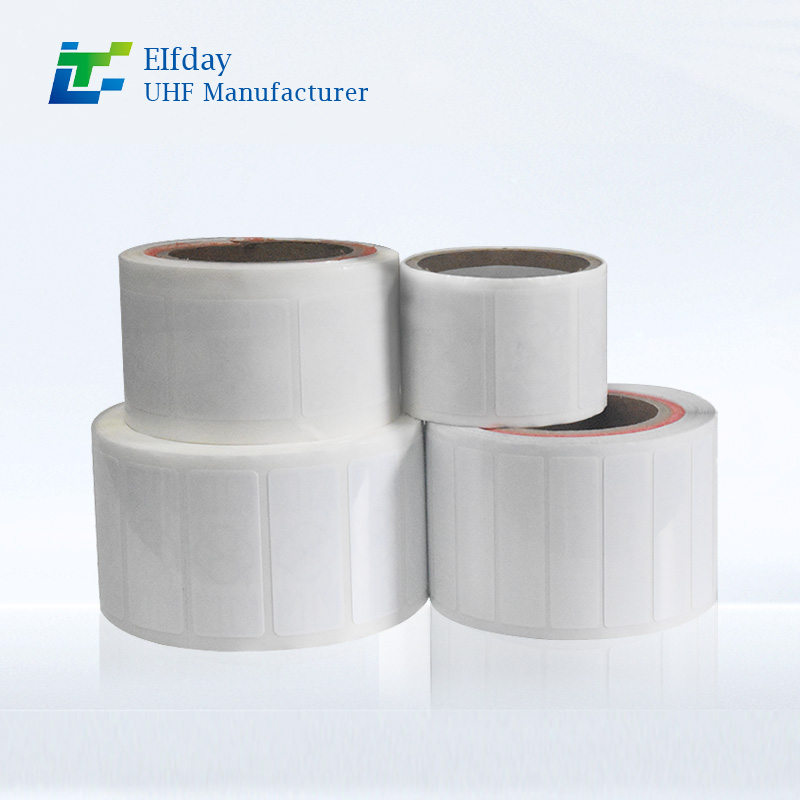
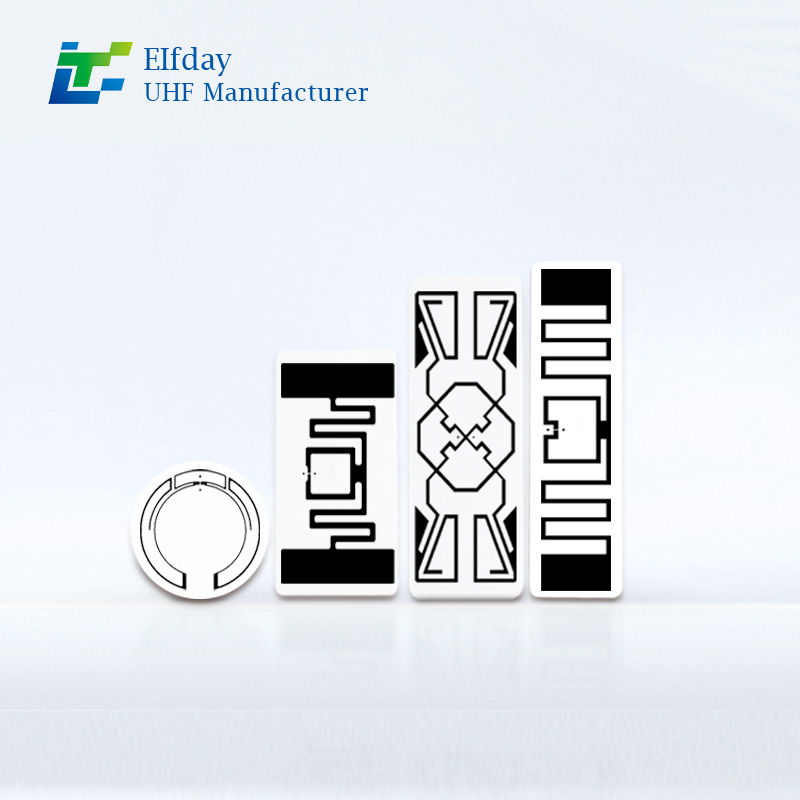
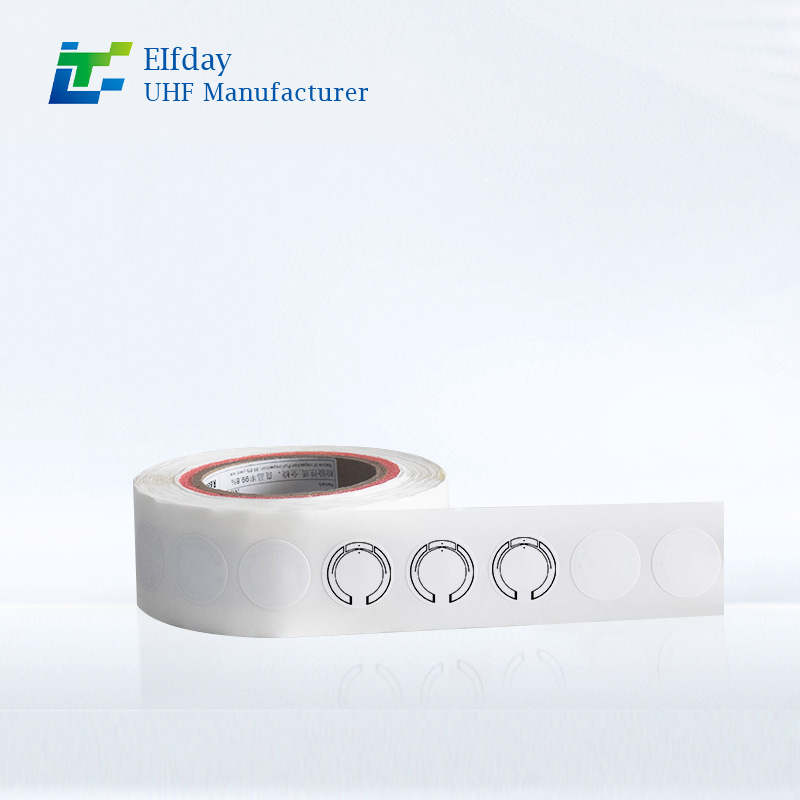
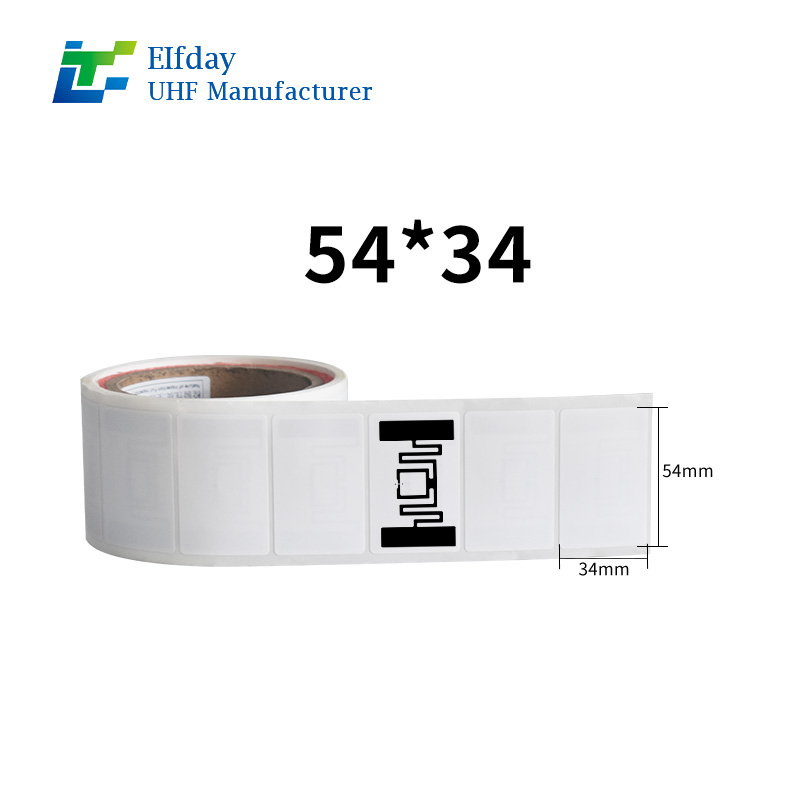
It is also critical to consider the form factor. Not all RFID tags for pharmaceuticals packaging are the same. For high-value biologics stored in metal cabinets, you may need on-metal tags. For liquid vials, you need tags that can handle dielectric interference. For blister packs, you need ultra-thin, flexible inlays that don't affect the printing on the packaging.
Working with a vendor who offers a consultative approach is key. They should be able to analyze your current packaging lines, your environmental challenges, and your data infrastructure to recommend the right tag specifications.
Looking Ahead
The role of RFID tags for pharmaceuticals packaging is only going to grow. As we move toward the Internet of Things (IoT) in healthcare, these tags will serve as the foundational layer of data that connects manufacturers, distributors, pharmacies, and even patients.
We are already seeing the emergence of "smart pills" and connected packaging that allows patients to tap their phone against their medication bottle to verify authenticity, access usage instructions, and set refill reminders. This patient-facing engagement is a powerful differentiator in a competitive market.
For manufacturers, the shift toward "serialization 2.0" is inevitable. The companies that adopt RFID tags for pharmaceuticals packaging early will set the standard for their industry verticals. They will be the ones who can promise—and prove—absolute safety.
In an industry where the stakes are measured in human lives, cutting corners is not an option. RFID tags for pharmaceuticals packaging represent more than just a technological upgrade; they represent a commitment to excellence, safety, and integrity.
For your organization, adopting this technology means protecting your patients from counterfeit drugs and dispensing errors. It means standing confidently in front of regulators with flawless, real-time traceability data. And it means streamlining your operations to be faster, more accurate, and ultimately more profitable.
The question is no longer whether the pharmaceutical industry will adopt RFID technology, but how quickly it will happen. By integrating RFID tags for pharmaceuticals packaging into your strategy today, you are not just solving the challenges of the present; you are future-proofing your business for the demands of tomorrow.
If you are ready to explore how smart packaging can transform your supply chain and safeguard your brand, look for a solution provider that understands the nuances of pharma-grade quality. The technology is ready. The business case is clear. The next step is yours to take.