








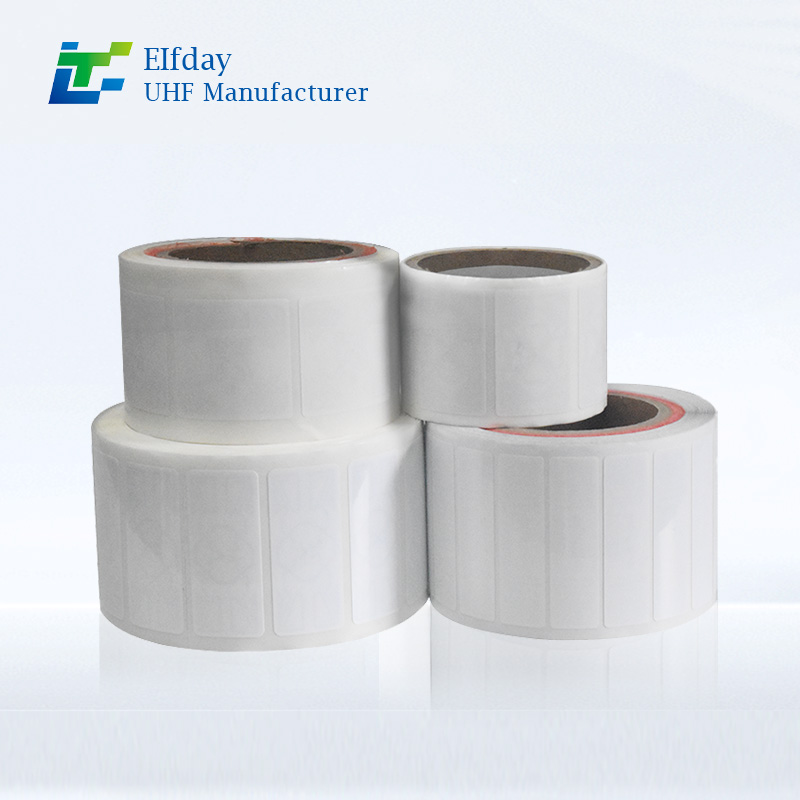
Streamlining Returns Management with RFID Tags for Pharmaceuticals Packaging
Returns management is often the forgotten stepchild of the pharmaceutical supply chain. Manufacturers invest heavily in outbound logistics—ensuring products leave the warehouse on time, travel through pristine conditions, and arrive at distributors with perfect documentation. But what happens when that product comes back?
In the pharmaceutical world, returns are rarely simple. Unlike a pair of shoes or an electronic gadget, a returned drug cannot simply be restocked without rigorous verification. The margin for error is nonexistent. A single misstep in the returns process can introduce counterfeit products back into legitimate inventory, compromise cold chain integrity, or result in costly regulatory violations.
For years, the industry has treated returns as a necessary administrative burden—slow, manual, and fraught with risk. But a shift is underway. By leveraging RFID tags for pharmaceuticals packaging, manufacturers are discovering that what was once a liability can be transformed into a streamlined, transparent, and even profitable operation.
The Unique Complexity of Pharma Returns
To understand why returns management has historically been so challenging, it helps to look at what happens when a product comes back. A pharmacy might return a shipment because it is approaching its expiration date. A hospital might return a batch because they over-ordered. A distributor might return a pallet because of a suspected temperature excursion during transit.
Each of these scenarios requires the manufacturer to answer a critical question before that product can ever touch the warehouse shelf again: Is this product safe?
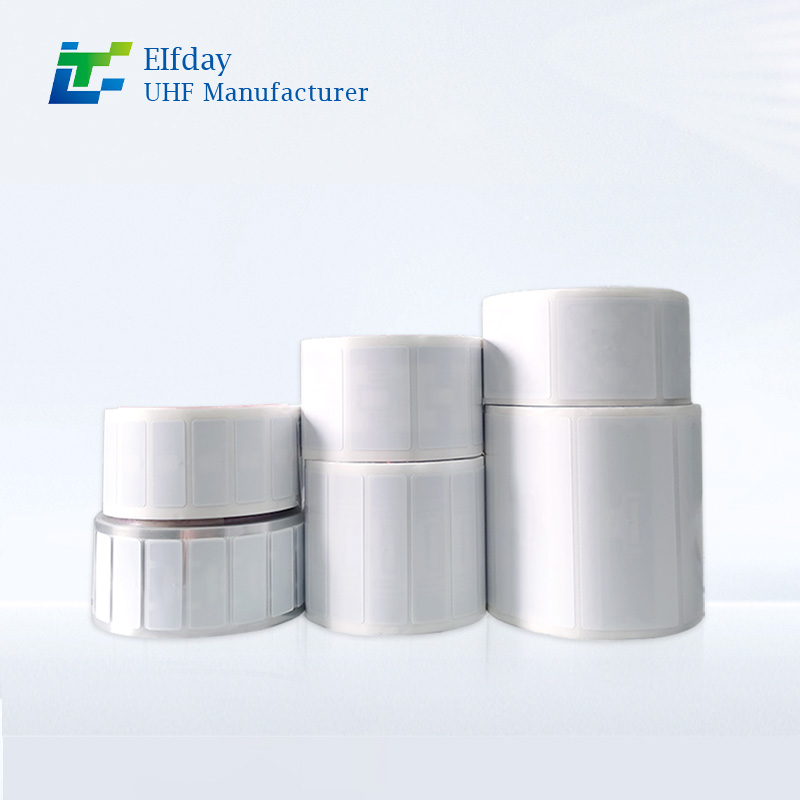
In a traditional barcode-based system, answering that question requires human intervention. A worker must scan each individual unit, cross-reference it against the original shipping data, visually inspect the packaging for tampering, and—in the case of temperature-sensitive drugs—attempt to piece together a historical record that may not even exist. It is slow, error-prone, and expensive.
But perhaps the greatest risk lies in what is not verified. Without the ability to authenticate every returning unit at a granular level, the door remains open for counterfeit products to re-enter the supply chain. A sophisticated counterfeiter knows that returns are often less scrutinized than outbound shipments. If a fraudulent product can slip back into a manufacturer’s legitimate inventory, it gains an authenticity that no barcode can disprove.
This is where RFID tags for pharmaceuticals packaging change the game entirely.
Instant Authentication at the Receiving Dock
Imagine a returns processing center where a pallet of returned pharmaceuticals arrives, and within seconds—not hours—the manufacturer knows exactly what is on that pallet, where it came from, and whether it is safe to restock.
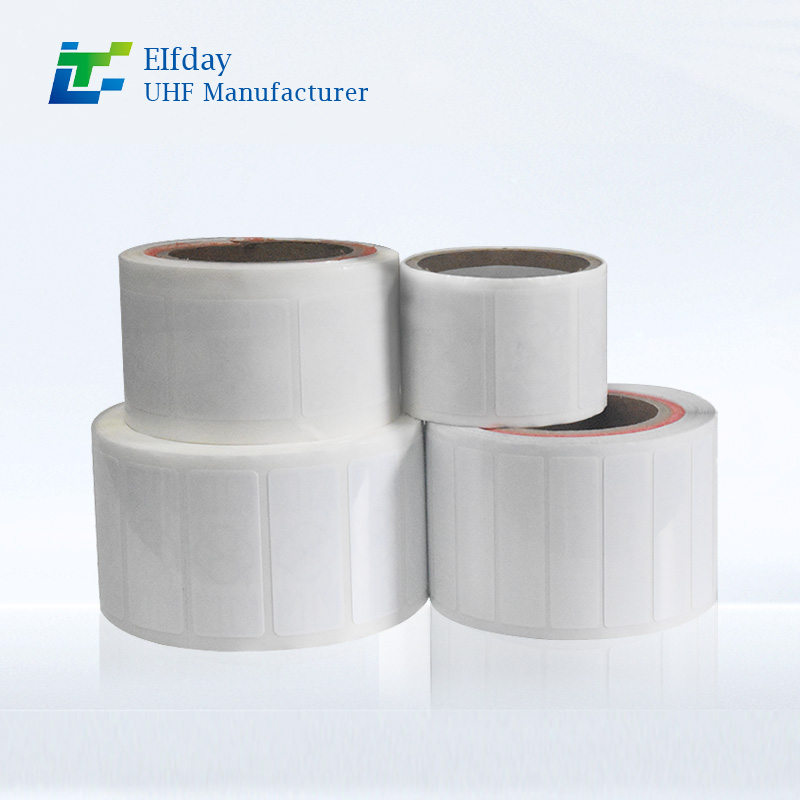
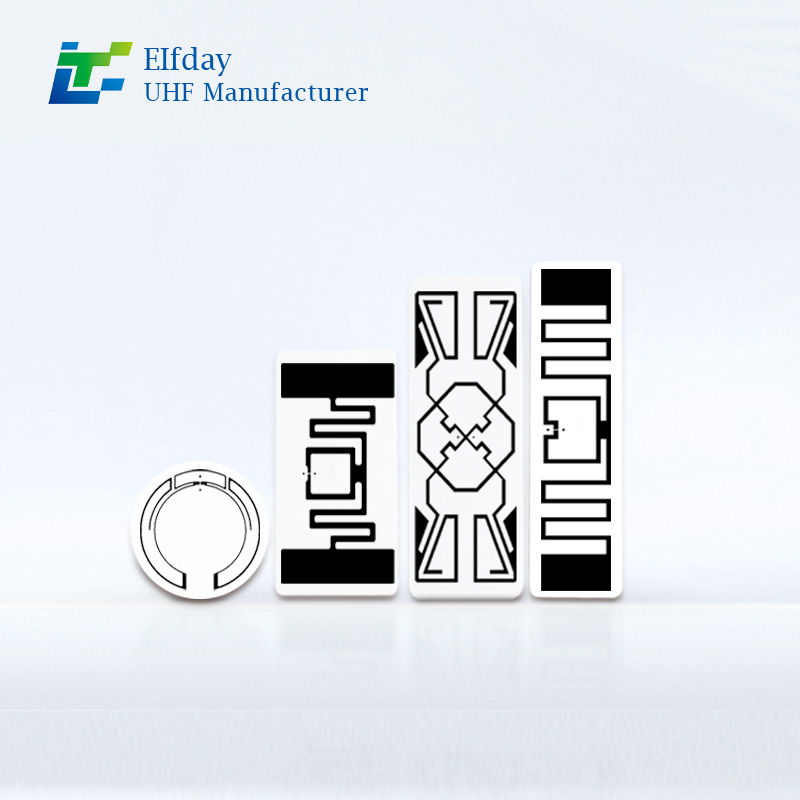
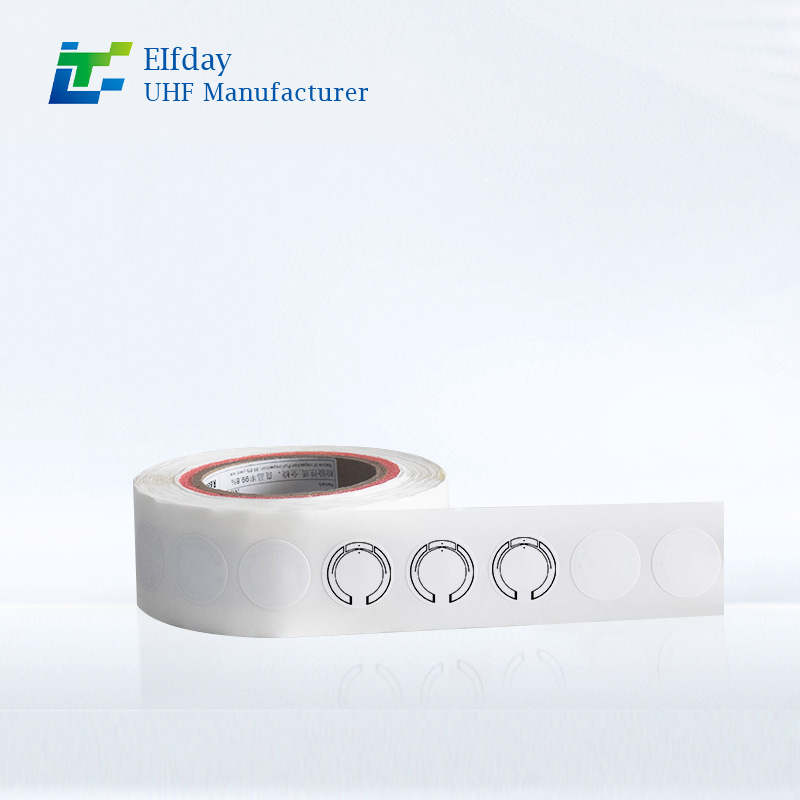
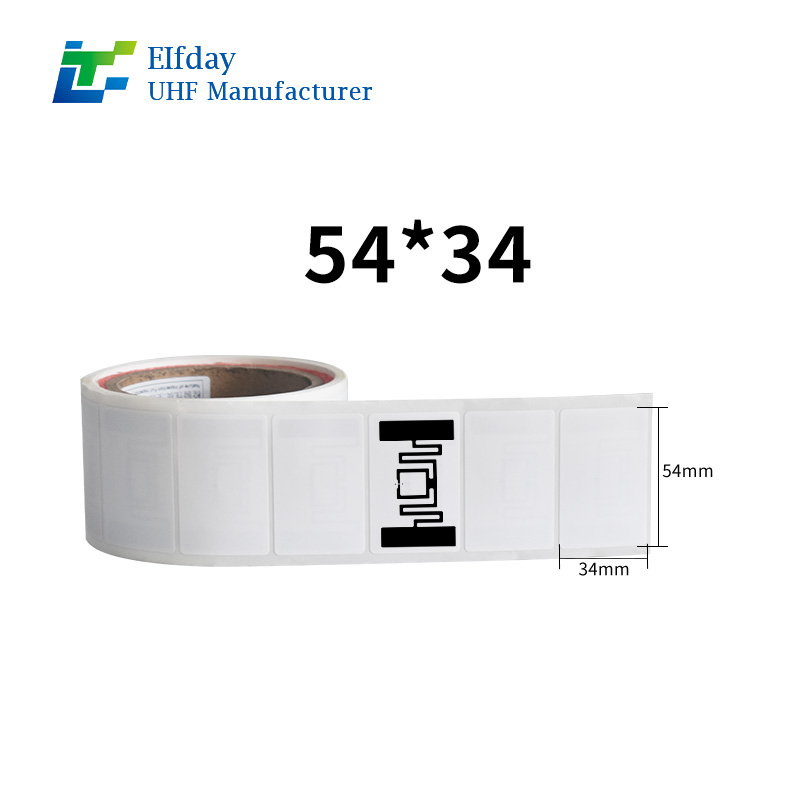
That is the reality when RFID tags for pharmaceuticals packaging are embedded at the unit level. As the pallet passes through an RFID portal, every tagged item is read simultaneously. The system automatically pulls up the unique history associated with each serial number: the original batch number, the date of manufacture, the complete chain of custody, and—critically—the temperature profile recorded during its journey.
For the returns manager, this means no more guesswork. A product that never left the required temperature range can be flagged for immediate restocking. A product that experienced a temperature excursion can be automatically routed to a quarantine zone for further evaluation or destruction. And a product whose tag cannot be authenticated? That unit is flagged as a potential counterfeit before it ever gets close to the legitimate inventory.
This level of automation does more than save time. It eliminates the human error that has historically plagued returns processes. When you are processing thousands of returned units, fatigue sets in. Scanners get missed. Tamper evidence gets overlooked. With RFID tags for pharmaceuticals packaging, the verification process is consistent, repeatable, and virtually instantaneous.
Protecting Cold Chain Integrity in Reverse Logistics
One of the most overlooked aspects of pharmaceutical returns is the cold chain. A product may have left the manufacturer under perfect conditions, traveled through a temperature-controlled distributor, and arrived at a hospital in pristine shape. But if that hospital returns the product weeks later, what happened to it in the interim?
Was it left on a loading dock in the summer heat? Was it stored in a warehouse refrigerator that failed? Without data, the manufacturer is forced to make a conservative assumption: treat the product as compromised and destroy it. This is not only wasteful but also costly.
When RFID tags for pharmaceuticals packaging are equipped with temperature sensors, that uncertainty disappears. The tag carries a record of every temperature event the product experienced from the moment it was packaged. When the product returns, that data is read instantly. The manufacturer can see with certainty whether the cold chain was maintained.
This capability transforms returns from a write-off scenario into a data-driven decision. Products that have remained within specifications can be safely returned to inventory. Products that have not can be properly disposed of. And the manufacturer retains a verifiable audit trail for every decision made, providing ironclad protection in the event of a regulatory inquiry.
Eliminating the Counterfeit Risk
Counterfeit pharmaceuticals represent one of the most persistent threats to patient safety and brand integrity. While manufacturers have made significant investments in securing their outbound supply chains, returns have historically represented a vulnerability.
A counterfeit product that successfully navigates the returns process becomes a ticking time bomb. It may end up in a pharmacy, then in a patient’s hands, with the manufacturer’s name on the box and a legitimate serial number in the system. By the time the fraud is discovered, the damage—to the patient and to the brand—is already done.
RFID tags for pharmaceuticals packaging provide a solution that is fundamentally more secure than traditional barcodes. Each tag contains a unique, cryptographically protected identifier that cannot be cloned or replicated. When a returned product is scanned, the system does not just read the serial number; it verifies that the tag is authentic and that its identifier matches the manufacturer’s records.
If a counterfeit product is returned, it will fail this authentication check immediately. It can be quarantined, investigated, and destroyed without ever entering the legitimate supply chain. For manufacturers, this capability is not just about operational efficiency—it is about protecting patients and preserving the trust that their brand represents.
Reducing Returns Processing Costs
Beyond safety and compliance, there is a compelling financial case for modernizing returns management. Traditional returns processing is labor-intensive. It requires dedicated staff, multiple touchpoints, and significant warehouse space for staging and inspection. Every minute spent manually verifying returned products is a minute of labor that could be deployed elsewhere.
When RFID tags for pharmaceuticals packaging are deployed, the economics of returns shift dramatically. Bulk reading eliminates the need for unit-by-unit scanning. Automated authentication reduces the need for specialized inspection personnel. And real-time data integration means that returned products can be routed to their final destination—whether restocking, repackaging, or destruction—without intermediate handling steps.
The result is a returns process that operates with a fraction of the labor and a fraction of the time. For manufacturers processing significant volumes of returns, the cost savings can be substantial. But perhaps more importantly, faster processing means that returned inventory can be made available for sale again more quickly, improving cash flow and reducing the capital tied up in non-performing assets.
Regulatory Alignment
Regulators around the world are paying increasing attention to the pharmaceutical supply chain in its entirety, including returns. The Drug Supply Chain Security Act in the United States, for example, requires that trading partners verify the product identifier for returned products before they can be further distributed. This verification must be documented and made available for inspection.
Meeting these requirements with a barcode-based system is possible but burdensome. It requires manual scanning, manual documentation, and careful record-keeping. With RFID tags for pharmaceuticals packaging, compliance becomes an automatic byproduct of the returns process. Every authentication event is logged, every decision is documented, and the complete audit trail is available at a moment’s notice.
For manufacturers operating across multiple jurisdictions—each with its own regulatory framework—this automation is invaluable. A returns system built on RFID can be configured to satisfy the specific requirements of the FDA, the EMA, and other global regulators without requiring separate processes for each market.
Building a Seamless Returns Workflow
Implementing RFID tags for pharmaceuticals packaging for returns management does not require rebuilding your entire operation from the ground up. The most successful deployments start with a clear understanding of the existing returns workflow and identify specific points where automation can deliver the greatest impact.
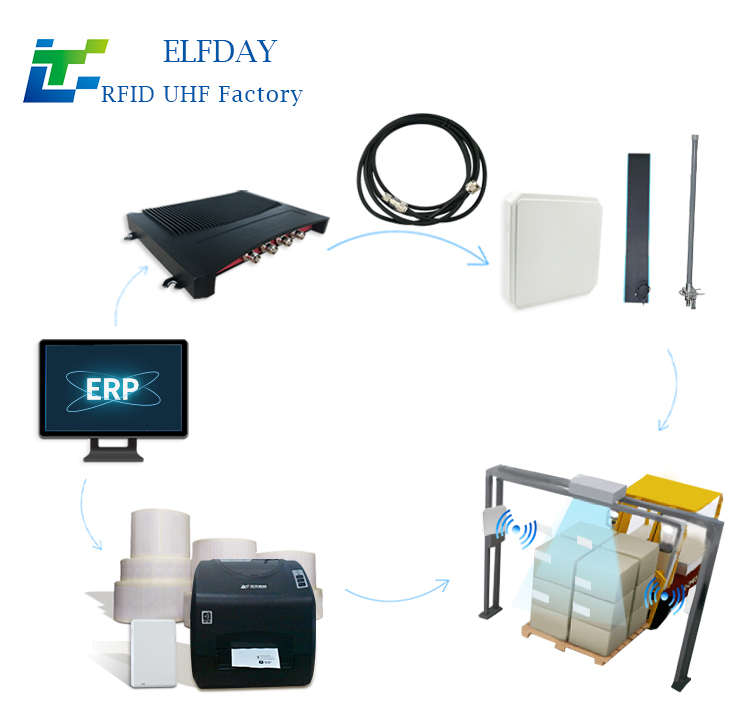
For many manufacturers, the receiving dock is the natural starting point. Installing RFID portals at returns intake allows for immediate, hands-free authentication of all incoming products. From there, integration with warehouse management systems enables automated routing based on the data captured: products requiring cold chain review go to one area, products flagged for counterfeiting investigation go to another, and products cleared for restocking go directly to inventory.
The key is ensuring that the tags used are selected for the specific demands of the returns environment. For products that may be returned weeks or months after shipment, the tag must maintain data integrity over time. For products that have been subjected to varied storage conditions, the tag must be durable enough to survive. And for products that will ultimately be disposed of, the tag must be compatible with environmental considerations.
Working with a packaging partner who understands these nuances is essential. The right partner will help you select the appropriate tag specifications for your product portfolio and integrate them into your packaging process without disrupting existing production lines.
The Strategic Advantage
There is a broader perspective worth considering. Returns management has traditionally been viewed as a cost center—something to be minimized and managed but never leveraged. That perspective is outdated.
When returns are managed with RFID tags for pharmaceuticals packaging, the process generates valuable data. Every returned product tells a story: why was it returned? Was it close to expiration? Did a distributor encounter handling challenges? Are certain products more prone to temperature excursions than others?
This data, when aggregated and analyzed, provides insights that can inform product development, improve packaging design, and strengthen distributor relationships. Manufacturers who embrace this capability gain a strategic advantage that extends far beyond the returns department. They gain visibility into the real-world performance of their products and the ability to continuously improve.
Returns management has long been one of the most challenging and overlooked aspects of the pharmaceutical supply chain. It has been slow, labor-intensive, and vulnerable to counterfeiting and compliance risks. But with the adoption of RFID tags for pharmaceuticals packaging, that is changing.
Today, manufacturers have the ability to process returns in seconds rather than hours. They can authenticate every returned unit with cryptographic certainty. They can verify cold chain integrity without guesswork. And they can maintain a complete, audit-ready record of every transaction.
The technology is proven. The business case is compelling. And for manufacturers who are ready to transform returns from a liability into an advantage, the path forward is clear.
If you are exploring how to modernize your returns management and protect your supply chain from the risks that returns have traditionally represented, now is the time to look closely at what RFID tags for pharmaceuticals packaging can do for your operation. The tools are available. The benefits are waiting to be captured. And your patients—and your bottom line—will be better for it.