








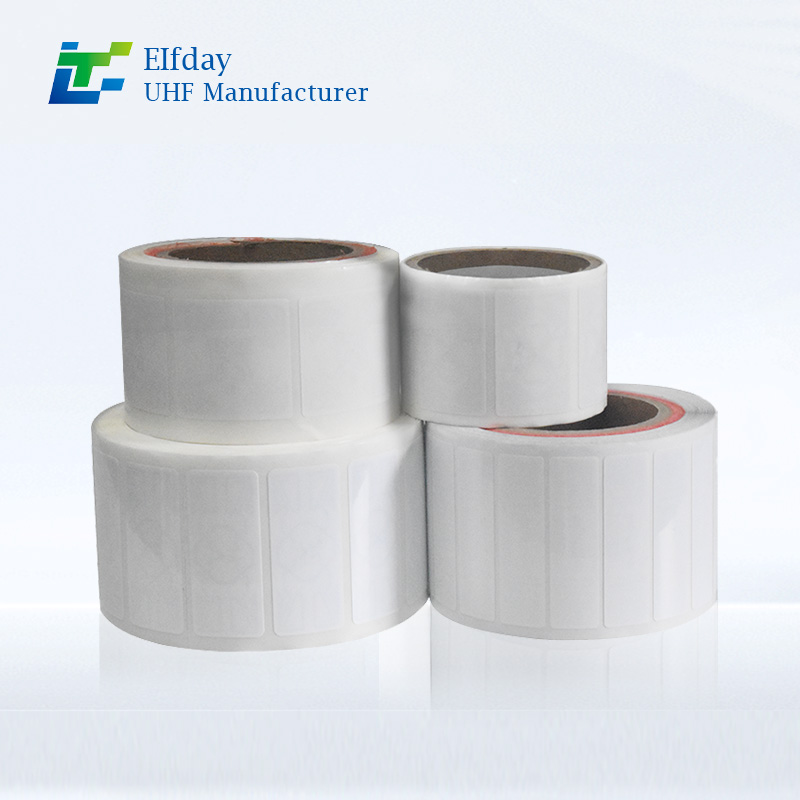
How to Ensure Food Safety Compliance Using RFID Tags for Food Tracking
In an era where consumers are more informed and regulatory bodies are more vigilant than ever, ensuring food safety compliance has moved from a backend operational concern to a top-level business imperative. A single recall due to contamination or mislabeling can not only result in massive financial losses but can permanently damage a brand’s reputation. For food manufacturers, distributors, and retailers, the question is no longer if they should invest in advanced tracking systems, but how to implement them effectively. The answer lies in leveraging RFID tags for food tracking—a technology that is reshaping the landscape of supply chain visibility and safety protocols.
The Limitations of Traditional Tracking Methods
To understand why the industry is shifting toward radio-frequency identification, it is essential to recognize the gaps left by traditional systems. Barcodes and manual logging have been the standard for decades, but they rely heavily on line-of-sight scanning and human intervention. If a shipment of fresh produce arrives at a distribution center and the barcode is smudged or the worker fails to scan a pallet, that data is lost. More critically, these traditional methods offer static data points. You know when a product arrived, but you have little insight into what happened to it during transit—was it exposed to temperatures outside the safe zone? Did it sit on a tarmac for hours longer than approved?
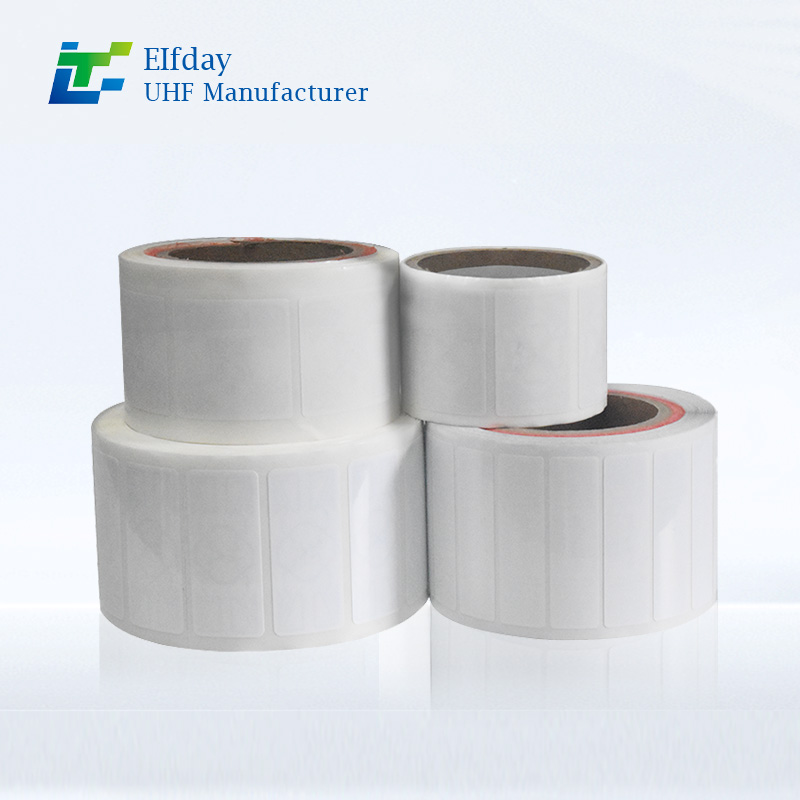
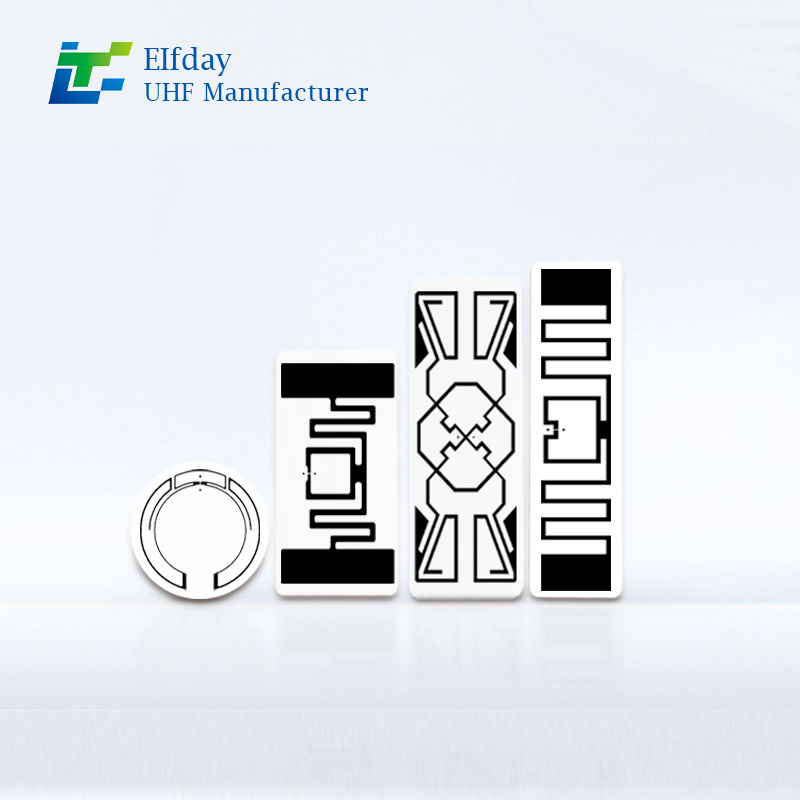
RFID tags for food tracking solve these problems by providing dynamic, real-time data without requiring manual scanning. Unlike barcodes, RFID tags can be read in bulk from a distance. This means an entire pallet of dairy products can be verified in seconds as it moves through a loading dock, with every individual item’s history automatically updated in the cloud.
How RFID Creates a Verifiable Chain of Custody
Food safety compliance hinges on one critical concept: traceability. When a health inspector or an auditor asks for proof of safety protocols, they are asking for a verifiable chain of custody. They want to know exactly where a product has been, at what temperature it was stored, and how long it spent in each phase of the supply chain.
Implementing RFID tags for food tracking allows businesses to establish this chain with absolute certainty. Modern RFID systems can be integrated with environmental sensors. For instance, a tag attached to a crate of salmon can record temperature fluctuations every fifteen minutes. If the temperature rises above the mandated threshold for more than thirty minutes, the system flags that specific crate before it ever reaches the retail floor. This level of precision is impossible with batch-level tracking or paper logs.
This capability directly supports compliance with major food safety regulations, such as the FDA’s Food Safety Modernization Act (FSMA) in the United States, which emphasizes preventive controls and rapid response. Under FSMA, the ability to perform a “trace forward” or “trace back” in hours rather than days is a key benchmark. With RFID, what used to take a team of workers three days to investigate can now be accomplished with a few clicks on a dashboard.
Reducing Waste and Preventing Recalls
One of the fastest ways to erode consumer trust is a widespread recall. When recalls occur due to poor tracking data, companies often have no choice but to destroy entire production lots “out of an abundance of caution.” This leads to staggering food waste and unnecessary financial loss. However, when RFID tags for food tracking are utilized, the scope of a recall can be narrowed with surgical precision.
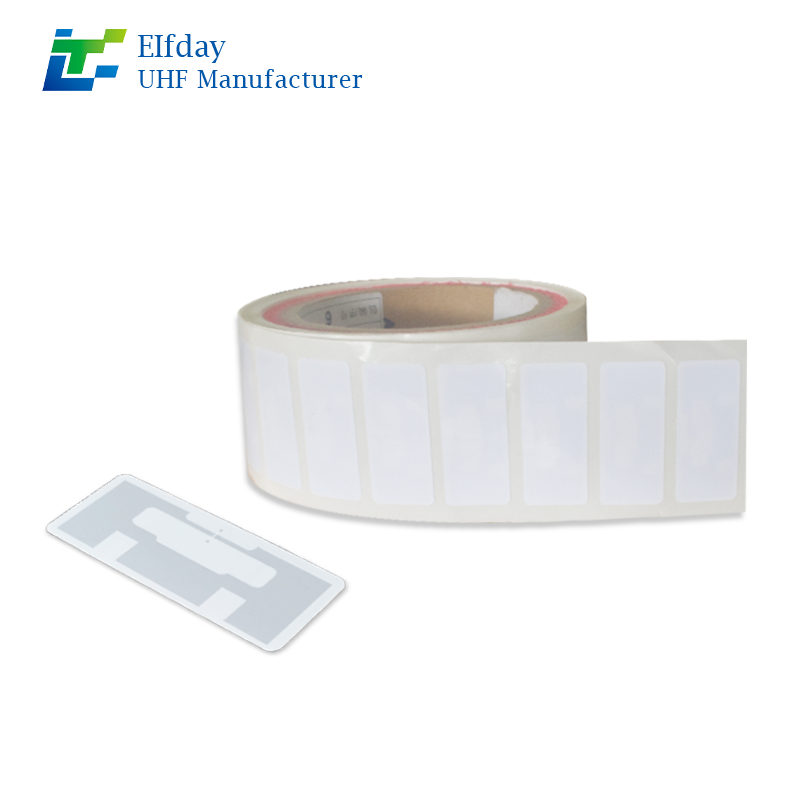
Imagine a scenario where a supplier discovers that a specific batch of raw materials was compromised. In a traditional environment, a manufacturer might have to recall every product made in the last 72 hours because they cannot isolate exactly which finished goods contained that batch. With RFID, the system knows precisely which cases received that raw material, which trucks they were loaded onto, and which stores received them. The recall becomes targeted, saving millions of dollars in lost inventory and protecting the brand’s reputation by showing regulators and the public that the company has complete control over its supply chain.
Enhancing Operational Efficiency and Margins
While safety is the primary driver, the operational benefits of RFID provide a compelling reason to adopt the technology. For businesses concerned about the investment, it is important to consider the return on investment through labor savings and shrinkage reduction.
Because RFID tags for food tracking enable bulk reading, receiving docks become exponentially faster. A truck that previously took an hour to unload and verify can be processed in fifteen minutes. This speed is critical for perishable goods where shelf life is measured in days. Faster turnaround times mean products reach the sales floor with more days remaining for the consumer, reducing spoilage write-offs.
Furthermore, RFID acts as a powerful deterrent against internal shrinkage and misplacement. In a busy cold storage warehouse, pallets are frequently moved. It is not uncommon for high-value items to be “lost” temporarily, only to be found after their expiration date has passed. With RFID readers placed at every chokepoint—doors, forklifts, and shelving units—the location of every tagged item is continuously tracked. This reduces the financial bleed caused by mismanagement and ensures that inventory rotation (First-Expired, First-Out) is enforced automatically, preventing expired products from ever being shipped.
Building Consumer Trust Through Transparency
Today’s consumers are demanding more than just a label; they want a story. They want to know that the organic berries they are buying for their children were handled safely from the farm to the store. While consumers may not see the backend technology, they feel its effects through fresher products and fewer safety incidents.
However, forward-thinking brands are taking transparency a step further by using the data collected from RFID tags for food tracking to power consumer-facing interfaces. Imagine a QR code on a package that allows a shopper to see the journey of that specific product—the farm it came from, the time it was harvested, and the temperature it was kept at during transport. This level of openness builds an emotional connection and justifies premium pricing. When consumers trust that a brand prioritizes safety and transparency, they become loyal, repeat customers.
Overcoming Implementation Challenges
For businesses hesitant to adopt RFID, the perceived complexity often stands as the biggest barrier. However, modern RFID systems are more scalable and user-friendly than ever before. You do not need to overhaul your entire operation overnight.
A successful strategy often begins with a pilot program. Identify a high-risk category—such as ready-to-eat meals, seafood, or dairy—and implement RFID tags for food tracking specifically for that product line. This allows your team to adapt to the new workflows and demonstrate ROI before scaling. Additionally, modern RFID tags are becoming increasingly cost-effective. As the technology has matured, the price per tag has dropped significantly, making it feasible even for lower-margin goods.
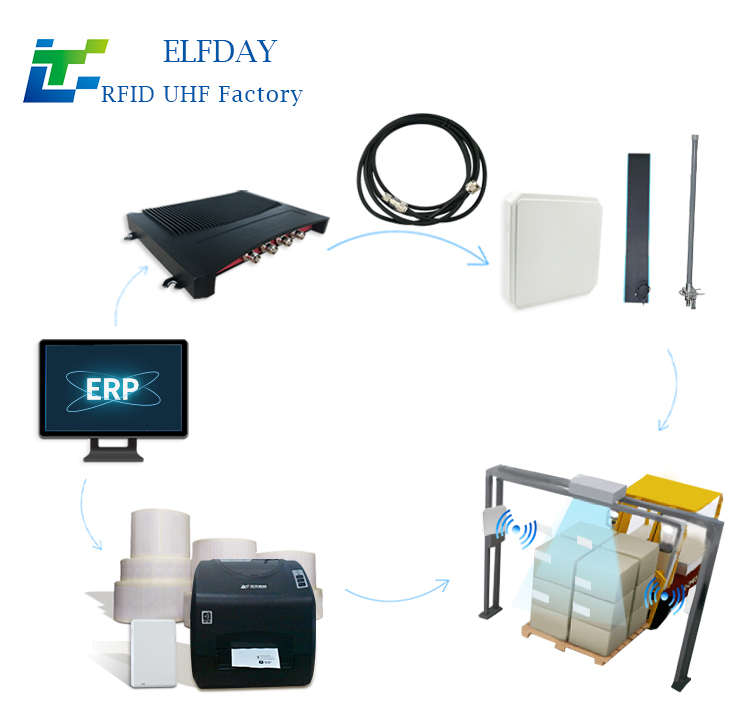
Integration with existing Warehouse Management Systems (WMS) and Enterprise Resource Planning (ERP) systems is also simpler than many anticipate. Leading RFID providers offer middleware that acts as a bridge, ensuring that the rich data collected by the tags flows seamlessly into the systems your team already uses. This means you gain enhanced visibility without sacrificing the tools your staff is comfortable with.
Future-Proofing Your Business
The regulatory environment surrounding food safety is only going to become stricter. Governments worldwide are moving toward digital traceability mandates. By adopting RFID now, you position your business as a leader rather than a follower. You avoid the scramble that will occur when mandates become deadlines, and you ensure that your operations are audit-ready at all times.
Moreover, the data generated by RFID tags for food tracking provides invaluable insights for continuous improvement. By analyzing the data collected over months, you can identify patterns of risk in your supply chain. Perhaps a particular carrier consistently shows temperature fluctuations, or a specific route leads to longer transit times. With this data, you can make strategic decisions that proactively improve safety and efficiency before problems arise.
Ensuring food safety compliance is not merely about avoiding fines or passing inspections; it is about protecting the integrity of your brand and the well-being of your customers. In a supply chain that is increasingly complex and globalized, relying on outdated tracking methods is a risk no business can afford to take.
By integrating RFID tags for food tracking into your operations, you gain the power of real-time visibility, unassailable traceability, and operational precision. You move from a reactive stance—scrambling to contain a recall—to a proactive stance, where potential hazards are identified and neutralized before they ever become threats. In a marketplace where safety and transparency are the ultimate currency, RFID technology is not just a tool for compliance; it is the foundation for sustainable growth and enduring consumer trust.