








Enhancing Patient Safety with Advanced RFID Tags for Healthcare Equipment
Every healthcare professional understands a simple truth: patient safety is never accidental. It is the result of meticulous protocols, well-trained staff, and, increasingly, the intelligent use of technology. Yet, in busy hospitals and clinics, one of the most persistent threats to safety is something surprisingly mundane—missing or misplaced medical equipment.
When a critical infusion pump cannot be found during an emergency, or a ventilator that was due for maintenance is accidentally used on a new patient, the risk to patient safety escalates instantly. These scenarios are not hypothetical. They happen daily in healthcare facilities around the world. Fortunately, a proven solution exists that is transforming how hospitals manage their assets while simultaneously elevating patient safety standards: RFID tags for healthcare equipment.
The Hidden Risks in Traditional Equipment Management
To understand why RFID tags for healthcare equipment have become indispensable, it helps to first look at the gaps in traditional systems. For decades, hospitals relied on manual logs, barcode scanning, and the sheer vigilance of their staff. While well-intentioned, these methods carry inherent risks.
Consider the last time a nurse had to walk three floors to find a specific model of a syringe pump. That delay—even ten minutes—can mean the difference between timely intervention and a critical delay in care. Similarly, equipment that is not properly tracked may end up in areas where it is not meant to be, leading to cross-contamination risks. When an infusion pump is used in an isolation room and then moved to a general ward without proper sterilization, the potential for spreading infection rises.
The core issue is visibility. Without real-time visibility, even the most diligent teams are flying blind. This is where RFID tags for healthcare equipment step in to close the visibility gap, providing a layer of safety that manual processes simply cannot match.
How RFID Technology Creates a Safer Environment
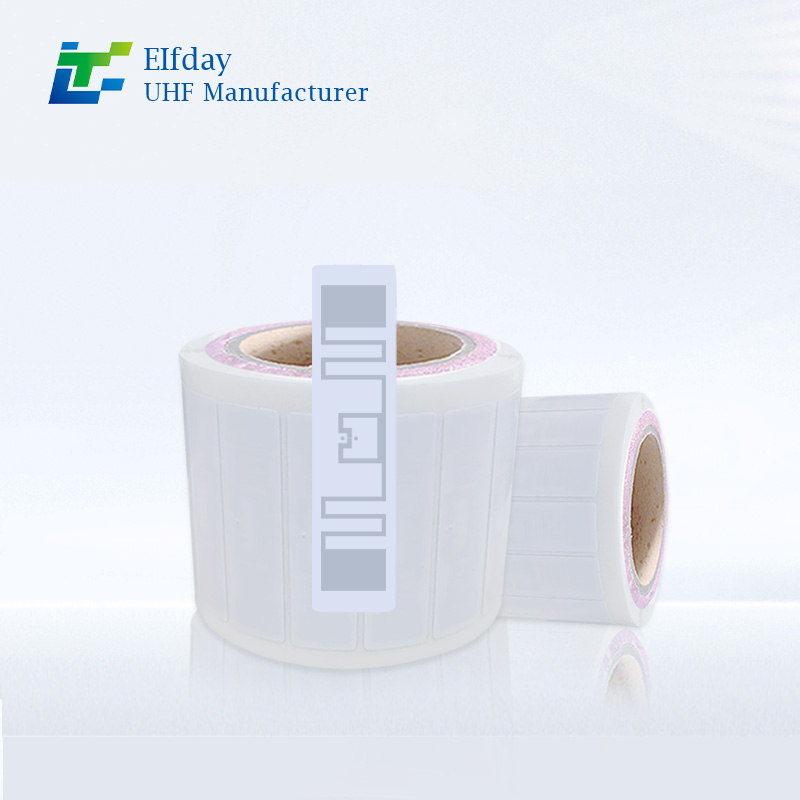
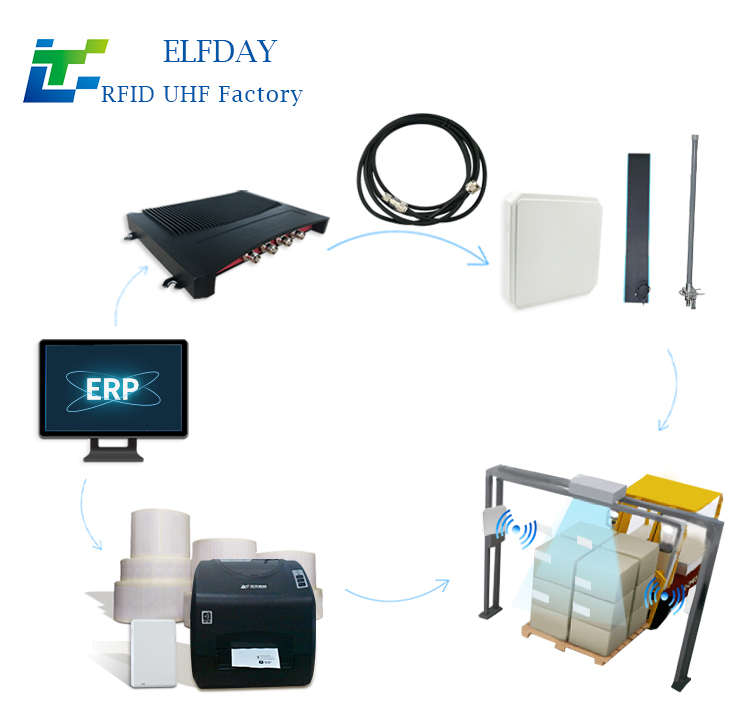
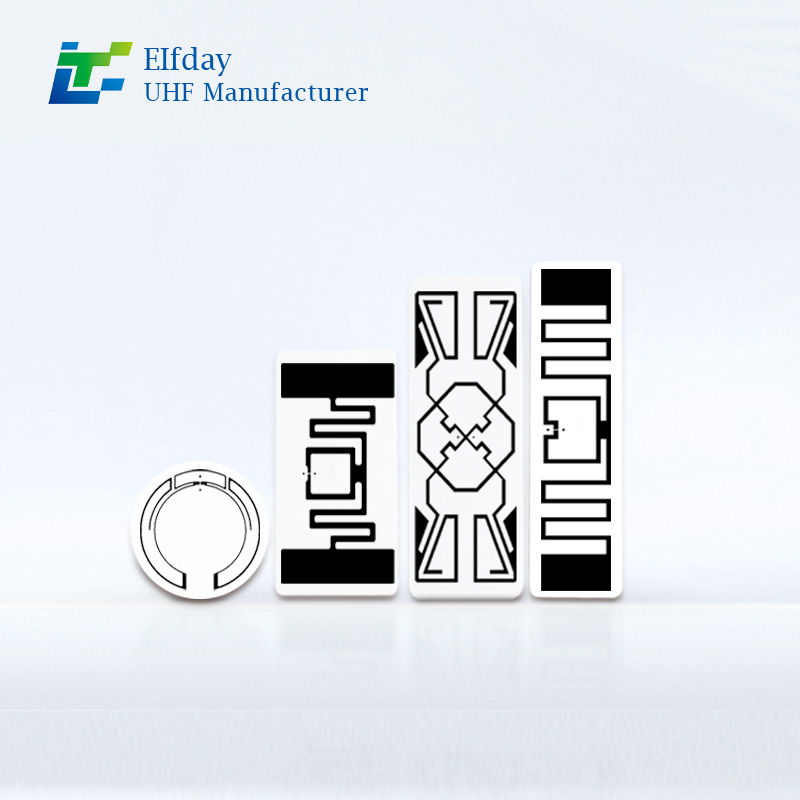
At its heart, RFID tags for healthcare equipment work by attaching a small, durable tag to each asset. These tags communicate with readers placed throughout a facility, creating a live map of where every piece of equipment is located, how long it has been in a particular area, and whether it has been properly cleaned or serviced.
But the real safety impact goes far beyond simple location tracking. When implemented correctly, this technology becomes a proactive guardian of patient well-being.
1. Ensuring the Right Equipment Is Always Available
One of the most direct ways RFID tags for healthcare equipment enhance patient safety is by ensuring that the right equipment is available at the point of care, every time. Imagine a post-operative unit where a patient unexpectedly requires a bilevel positive airway pressure machine. With RFID tracking, staff can instantly see not only which unit has a machine available but also whether that specific machine has been recently serviced and is ready for use.
This eliminates the frantic, time-wasting searches that often lead to staff borrowing equipment from other units—a practice that frequently results in delays and, worse, the use of untested or uncleaned devices. By reducing wait times for critical interventions, hospitals directly improve patient outcomes and reduce the stress on clinical staff.
2. Tracking Sterilization and Maintenance Status
In healthcare, the cleanliness of equipment is non-negotiable. Yet, tracking the sterilization status of hundreds of mobile devices has historically been a logistical challenge. RFID tags for healthcare equipment can be embedded with data about the last sterilization cycle, the date of the last preventive maintenance, and even the number of times the equipment has been used.
When a device enters a patient room, staff can have confidence that it has passed all necessary safety checks. If a piece of equipment is overdue for maintenance, the system can automatically flag it, preventing it from being used on a patient until it is cleared. This level of automated oversight drastically reduces the risk of equipment-related infections or mechanical failures during use.
3. Preventing Equipment Misplacement and Hoarding
A less visible but equally dangerous safety issue is equipment hoarding. In high-stress environments like intensive care units or emergency departments, staff sometimes hold onto rarely-used devices “just in case.” This creates artificial shortages elsewhere in the facility. A patient in another unit may need that same device, but because it is hidden in a storage closet or behind a nursing station, it remains unavailable.
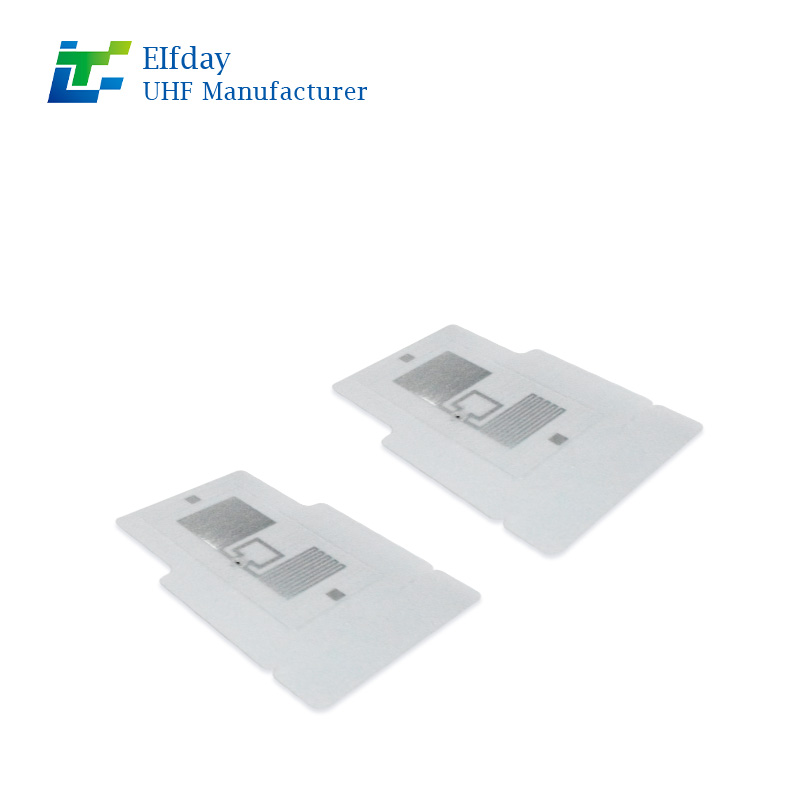
With real-time visibility provided by RFID tags for healthcare equipment, these hidden assets are brought back into the shared inventory. The system eliminates the need for defensive hoarding because staff can see, at a glance, that a device is nearby and will be delivered when needed. This ensures that care is equitable across the facility and that no patient is left waiting due to an invisible bottleneck.
4. Supporting Infection Control Protocols
Infection prevention has always been a cornerstone of patient safety, and recent global health challenges have only heightened the focus on it. RFID tags for healthcare equipment support infection control in two critical ways. First, they can monitor the movement of equipment between zones. If a device that was used in a contact isolation room is brought into a clean area without being sanitized, the system can send an alert, allowing staff to intervene before cross-contamination occurs.
Second, these tags enable automated cleaning compliance. Hospitals can set thresholds for how often high-touch equipment must be cleaned. The system then verifies whether those cleaning cycles are being completed before the equipment is redeployed. This creates a verifiable chain of custody for cleanliness, giving both clinicians and patients greater peace of mind.
Beyond Tracking: Data That Drives Safer Decisions
While the immediate benefit of RFID tags for healthcare equipment is operational efficiency, the long-term safety gains come from the data they generate. Every interaction with a tagged device becomes a data point. Over time, this data reveals patterns that would otherwise remain invisible.
For example, a hospital might discover through RFID data that certain types of equipment are consistently delayed in central sterilization, leading to bottlenecks on surgical floors. Armed with that information, they can reorganize workflows to ensure that sterile instruments reach the operating room on time. Similarly, data might show that certain units have disproportionately high rates of equipment loss, prompting a review of storage practices or staff training.
This shift from reactive problem-solving to proactive, data-driven decision-making is perhaps the most profound way that RFID tags for healthcare equipment contribute to a culture of safety. Instead of waiting for an adverse event to occur, healthcare leaders can anticipate risks and address them before they impact patients.
What to Look for in RFID Tags for a Clinical Environment
Not all RFID tags are created equal, especially when it comes to the demanding environment of a hospital. For those considering an investment in this technology, understanding the physical characteristics of the tags themselves is key to ensuring long-term reliability and safety.
The best RFID tags for healthcare equipment are designed to withstand the rigors of clinical use. They must be resistant to the harsh chemicals used in hospital-grade disinfectants, able to endure repeated autoclave cycles for sterilizable equipment, and robust enough to handle being dropped, bumped, or submerged. Tags that fail prematurely not only create gaps in visibility but can also become physical hazards if they detach from equipment.
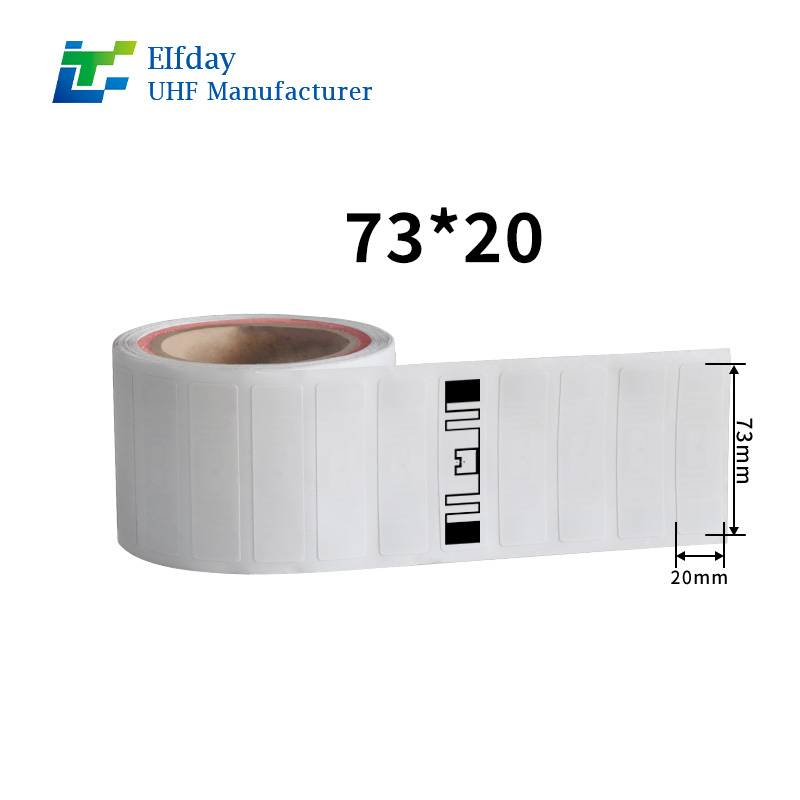
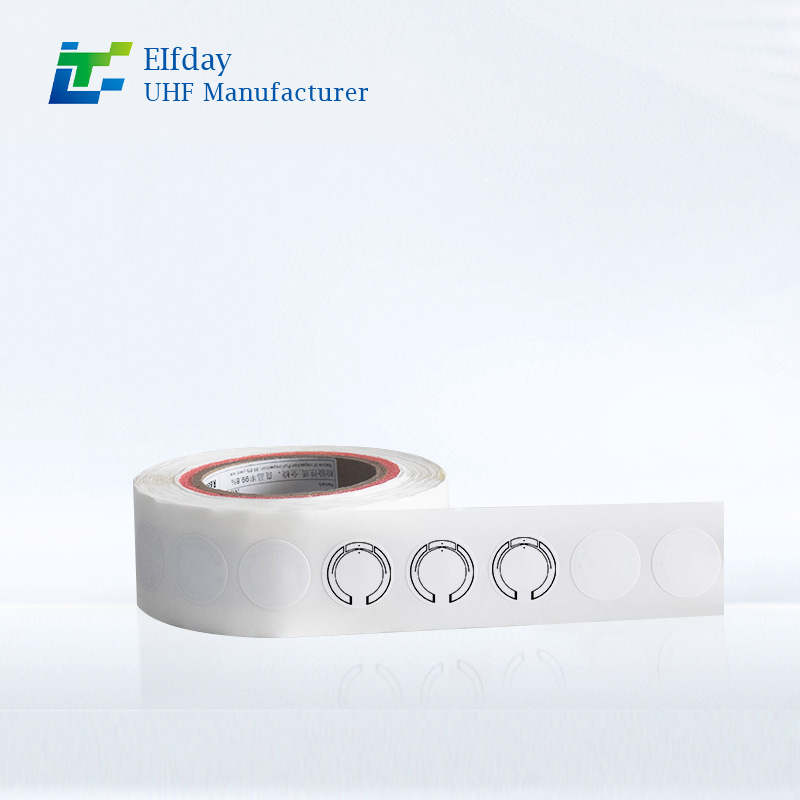
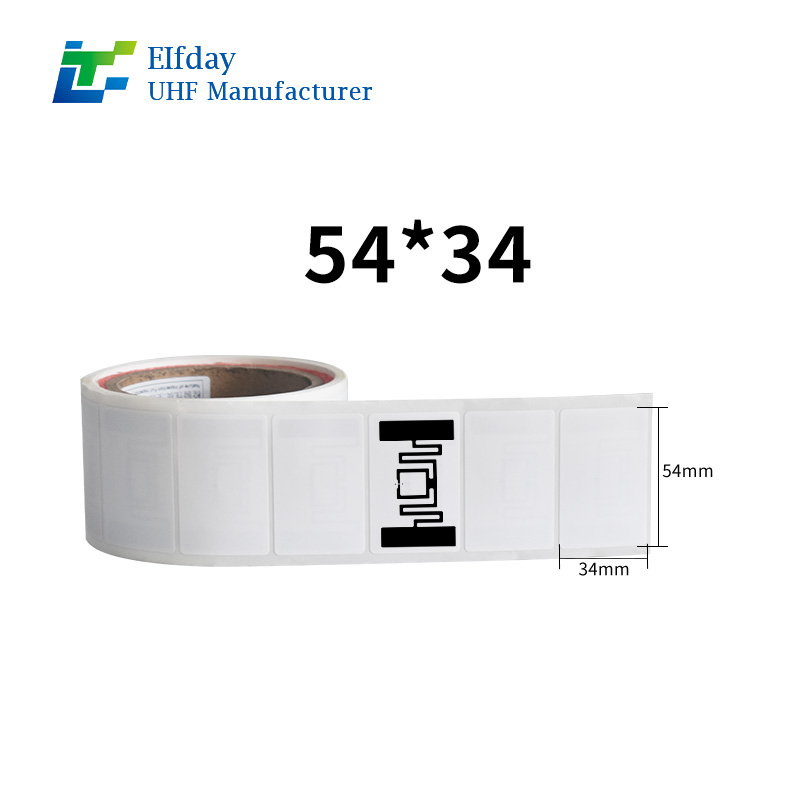
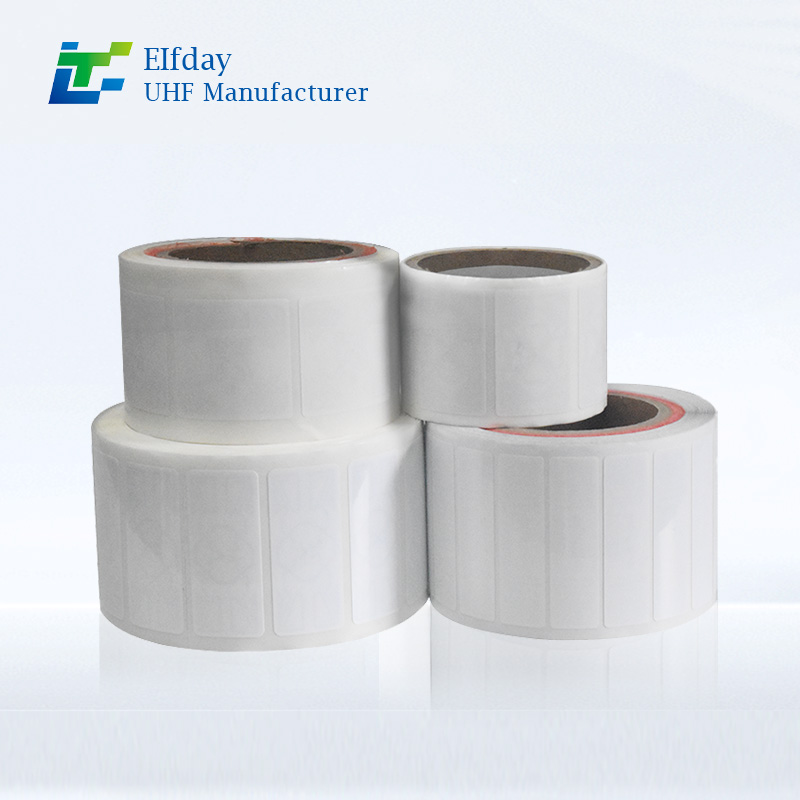
Additionally, the choice between adhesive labels, hard-shell encapsulated tags, and specialized on-metal tags matters. For metal surfaces such as surgical tables or instrument trays, on-metal RFID tags are essential to ensure consistent read accuracy. For soft goods like linens or scrubs, washable, fabric-embedded tags offer the durability needed for repeated laundering. Selecting the right tag for each asset type ensures that the system remains reliable year after year, supporting consistent patient safety without unexpected downtime.
Real-World Impact: How Hospitals Are Seeing Results
Across the healthcare industry, facilities that have adopted RFID tags for healthcare equipment are reporting measurable improvements in patient safety metrics. In many cases, these improvements extend beyond operational metrics to the very areas that matter most to patients and families.
Hospitals commonly report a significant reduction in time spent searching for equipment—often by 50% or more. That recovered time is reinvested directly into patient care. Nurses and technicians spend less time walking hallways and storage rooms and more time at the bedside, monitoring patients, providing comfort, and catching subtle changes in condition that might otherwise go unnoticed.
Furthermore, the reduction in equipment loss means that high-cost devices like defibrillators, ventilators, and patient monitors are always available when needed. For patients experiencing a cardiac event or respiratory distress, the difference between a device being available in seconds versus minutes can be life-altering. In this sense, RFID tags for healthcare equipment are not just an asset management tool—they are an essential component of emergency preparedness.
Building a Business Case Rooted in Safety
For decision-makers in healthcare administration and clinical engineering, the decision to implement RFID tags for healthcare equipment often begins with a budget conversation. However, the most compelling arguments for adoption are rarely about cost savings alone. Instead, they center on the hospital’s core mission: delivering safe, high-quality care.
When evaluating the return on investment, consider the cost of a single adverse event related to equipment failure or unavailability. Beyond the direct financial impact, the reputational and emotional toll of a preventable safety incident can be devastating. Investing in RFID technology is an investment in risk mitigation. It is a proactive step that demonstrates a commitment to doing everything possible to protect patients from avoidable harm.
Moreover, as value-based care models continue to gain traction, hospitals are being evaluated not only on clinical outcomes but also on patient experience and safety scores. Facilities that can demonstrate robust systems for tracking and maintaining equipment have a distinct advantage in these metrics. RFID tags for healthcare equipment provide the data and accountability needed to excel in this new landscape.
Getting Started on the Path to Safer Care
Transitioning to a RFID-enabled asset management system does not have to be overwhelming. The most successful implementations begin with a clear assessment of current challenges. Which types of equipment are most frequently lost? Where are the bottlenecks that lead to delays in care? Answering these questions helps define the scope of the project and ensures that the technology is deployed where it will have the greatest safety impact.
From there, working with an experienced partner is essential. A knowledgeable provider will not only supply high-quality RFID tags for healthcare equipment but will also offer guidance on reader placement, software integration, and staff training. The goal is to make the transition as seamless as possible, minimizing disruption while maximizing the safety benefits from day one.
Staff engagement is another critical factor. When clinical teams understand that RFID technology is being introduced to support them—to make their jobs easier and to help them deliver safer care—adoption rates soar. Providing clear training and demonstrating how the system reduces administrative burdens helps build enthusiasm and ensures that the investment delivers its full potential.
Technology That Protects What Matters Most
In the complex ecosystem of a modern hospital, patient safety depends on countless interconnected factors. Among them, the availability, cleanliness, and proper functioning of medical equipment stand out as fundamental. When equipment is where it should be, when it is sterile, and when it has been properly maintained, the risk of harm to patients drops dramatically.
RFID tags for healthcare equipment offer a proven, scalable way to achieve that level of reliability. They transform equipment management from a reactive scramble into a proactive, data-driven process that supports clinical excellence. More than that, they give healthcare professionals the peace of mind that comes from knowing they have the tools they need, when they need them, in the condition they expect.
For hospitals and healthcare facilities looking to elevate their safety standards, the choice is clear. The technology exists today to eliminate many of the equipment-related risks that have long plagued clinical environments. By investing in RFID tags for healthcare equipment, you are not just streamlining operations—you are making a tangible commitment to the safety and well-being of every patient who walks through your doors.
If you would like to explore how RFID solutions can be tailored to your facility’s specific needs, or if you need guidance on selecting the right tags for your clinical environment, our team is here to help. Let’s work together to build a safer future for your patients and your staff.