









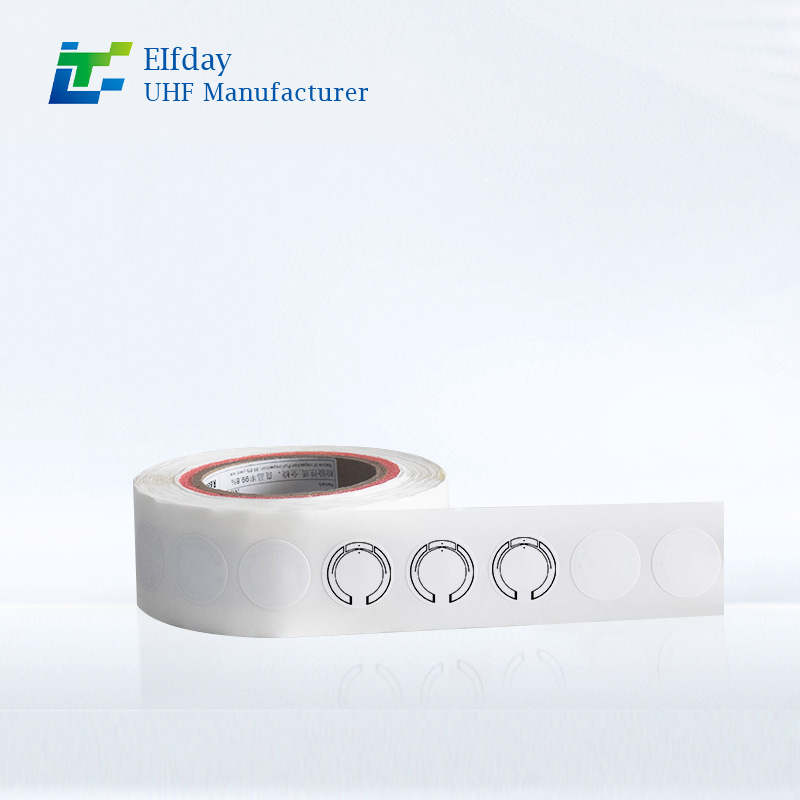
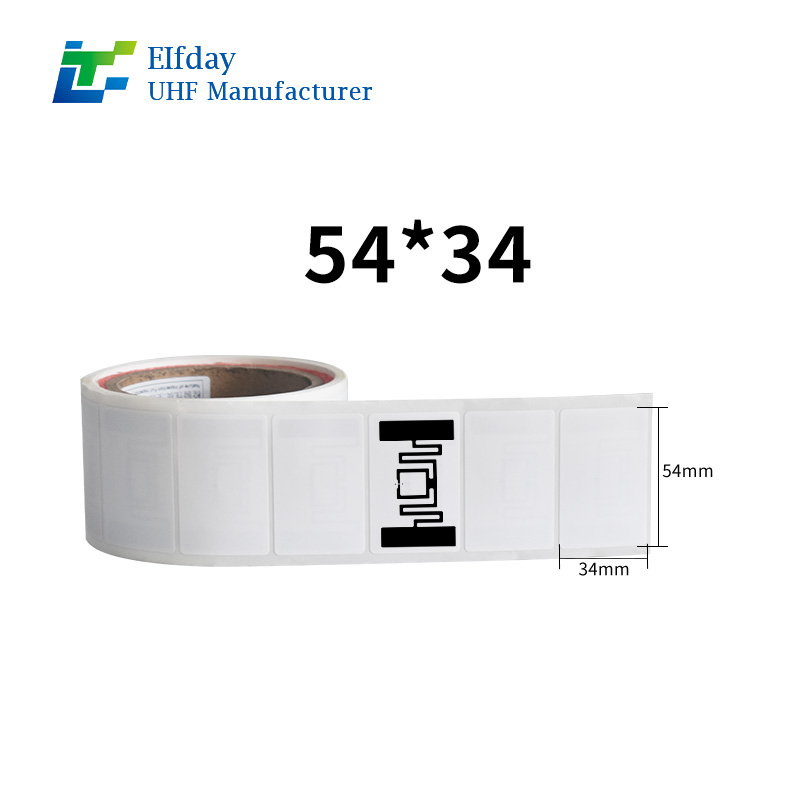
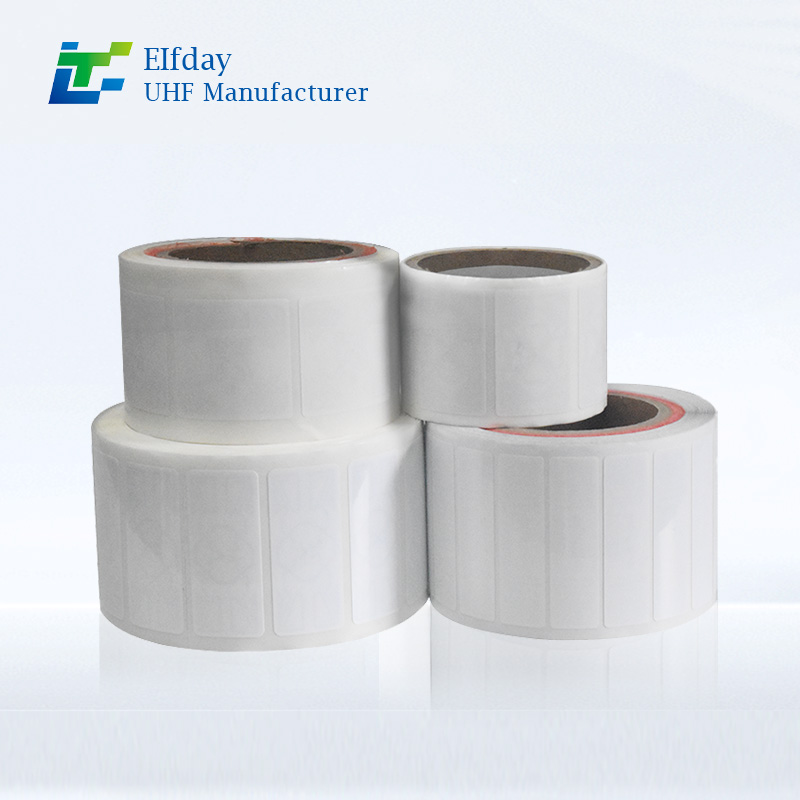
How to Install RFID Security Tags on Different Product Types
If you run a retail store, a library, or any business that sells physical goods, you already know one thing: theft hurts. Not just your bottom line, but your team’s morale and your ability to keep popular items in stock. That’s why more business owners are turning to RFID security tags. They are small, smart, and incredibly effective at preventing shoplifting while speeding up inventory checks.
But buying the tags is only half the story. The real magic happens when you install them correctly. And here’s the truth – installing RFID security tags isn’t one-size-fits-all. A hard plastic tag that works perfectly on a leather jacket will fall right off a bottle of wine. A sticker that sticks beautifully to a book cover won’t survive being tossed into a customer’s handbag.
So how do you do it right? In this guide, I’ll walk you through how to install RFID security tags on six common product types. No fluff, no complicated jargon – just practical steps you can use today.
1. Clothing and Apparel (Soft Tags)
Clothing is the most common item tagged in retail, and for good reason. Shirts, dresses, jeans, and jackets are easy to conceal and quick to resell. For fabrics, you’ll typically use RFID security tags that are soft, paper‑thin labels or hard reusable tags with a pin.
Installation steps for soft labels:
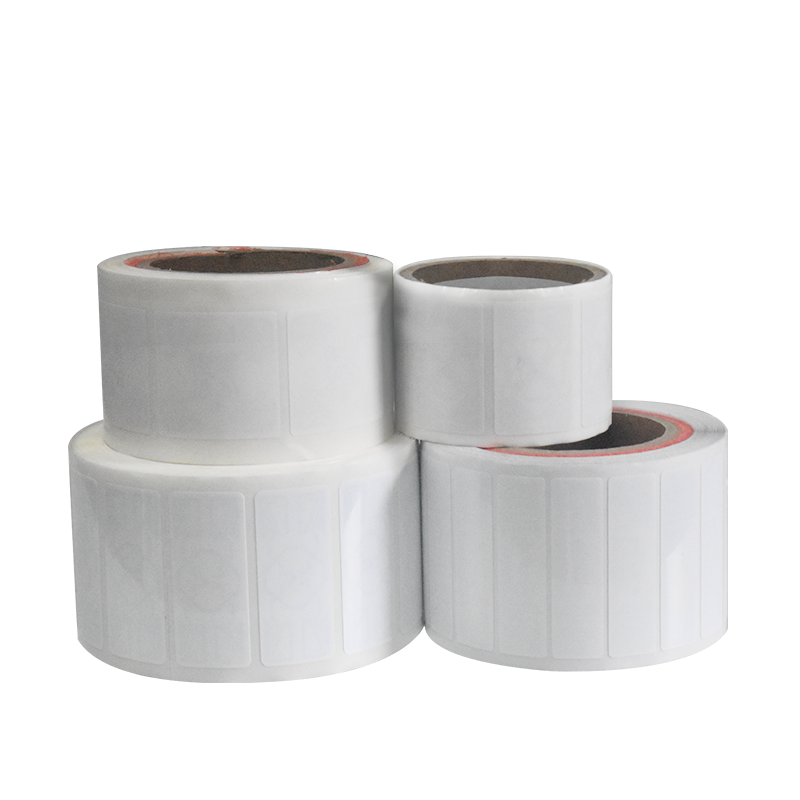
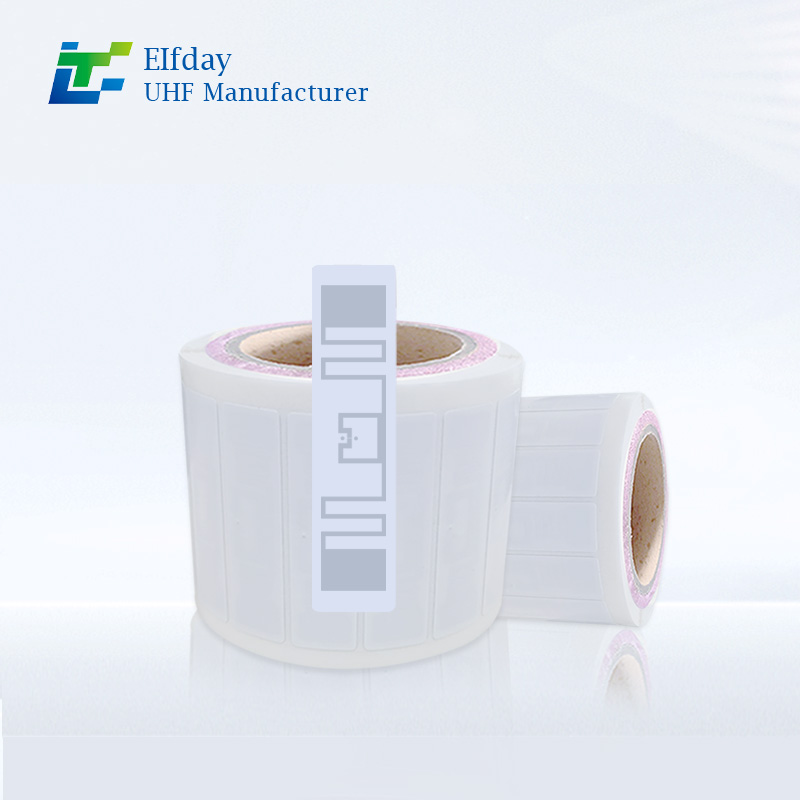
Peel the adhesive backing off the label. Stick it onto a flat, hidden area – inside the collar, behind the care label, or along an inside seam. Press firmly for five seconds. Once attached, the tag will trigger an alarm if someone tries to walk out without deactivation.
Installation steps for hard tags:
Open the tag. Push the pin through the fabric – usually through a hem or a thick seam so it doesn’t damage the garment. Snap the back onto the pin until you hear a click. Then give it a gentle tug to make sure it’s locked.
Pro tip: For expensive items like leather jackets or wedding dresses, use two tags: one visible hard tag to deter casual thieves, and one hidden soft label as backup.
2. Electronics and Gadgets
Smartphones, headphones, game controllers, and chargers are small, valuable, and highly attractive to thieves. The challenge is that electronics have smooth surfaces and limited space for traditional tags. For these, you need RFID security tags designed for hard, non‑porous surfaces.
Installation steps:
Clean the surface with a quick wipe of alcohol or a dry cloth. Remove any dust or oil. Peel the protective film off the back of a strong adhesive RFID security tag. Press it onto a flat area – the back of a phone case, the underside of a laptop, or the inside of a headphone band. Hold for ten seconds. For extra security, wrap a clear, tamper‑evident label over it. That way, if someone tries to peel off the tag, it leaves a visible “void” mark.
What to avoid: Don’t place the tag over vents, buttons, or charging ports. And never stick it on a screen – it won’t stick well, and you’ll upset customers.
3. Books and Media
Libraries and bookstores face a different problem. Books have paper covers, thin spines, and metal content (like staples or foil lettering) that can interfere with some security systems. But the right RFID security tags work beautifully – especially the thin, flexible ones designed for pages.
Installation steps for books:
Open the book to the middle pages. Find a spot near the spine, away from any metal staples. Peel the tag and place it between two pages, close to the binding. Close the book and press down firmly on the cover. The tag will be invisible and won’t affect reading. For hardcover books, you can also hide the tag inside the front or back endpaper, under the dust jacket.
For DVDs, CDs, or video games:
Clean the case. Stick the RFID security tag inside the case, not on the disc. The best spot is on the inside back cover, away from the disc hub. Close the case and check that the tag doesn’t stick out or interfere with the disc.
Important: Always test one tag first. Some older or specialty books have metal‑reinforced spines that can block the signal. If that happens, move the tag an inch or two away from the spine.
4. Bottles, Cosmetics, and Odd‑Shaped Items
This is where many retailers give up – and where thieves love to strike. Perfume bottles, wine bottles, lipsticks, and skincare jars are round, curved, or have tiny caps. Regular tags just won’t stay on. You need RFID security tags with special adhesives or flexible necks.
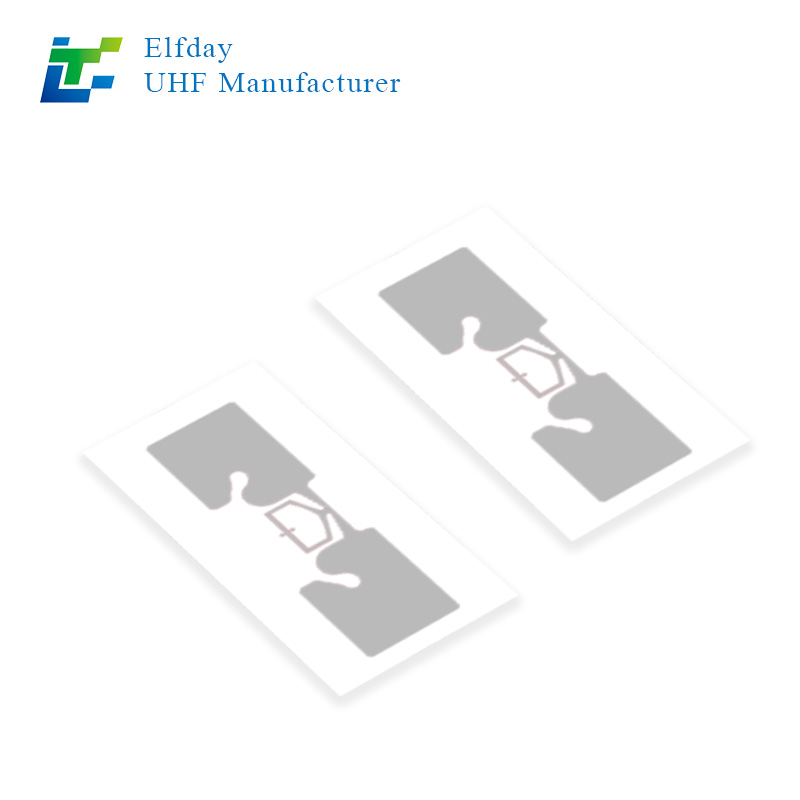
Installation steps for bottles:
Use a wrap‑style RFID security tag – a long, flexible strip that wraps around the neck or body of the bottle. Peel the backing, then wrap the tag around the narrowest part of the bottle (usually the neck). Overlap the ends and press them together. For extra hold, add a small piece of clear packing tape over the overlap.
For small, round items like lipsticks or mascara tubes:
Use a mini hard tag with a rubber loop. Slip the loop over the cap, then lock the tag. The tag will dangle, which actually works – it’s highly visible and hard to remove without a detacher.
Real‑world advice: If you sell expensive wine or spirits, combine a bottle‑neck tag with a security cap that locks over the cork. Two layers of protection make a huge difference.
5. Handbags, Luggage, and Footwear
These items are large, often made of fabric or leather, and have loops, straps, or zippers. Theft happens when people stuff smaller items inside a handbag or walk out with shoes hidden in a shopping bag. Here, the best RFID security tags are hard, reusable tags that attach through a strap or loop.
Installation steps for bags and luggage:
Open the hard tag. Insert the plastic “mushroom head” pin through a strap, a zipper pull, or a D‑ring. Close the tag until it clicks. Make sure the tag doesn’t block the zipper or opening – customers still need to try on the bag.
For shoes:
Pass the pin through a shoelace hole, a buckle strap, or the pull‑tab at the back of the heel. Avoid putting the pin through the sole or the inner lining – that damages the shoe and makes it unsellable. For high‑end sneakers, you can also use a clear adhesive label inside the tongue, but a visible hard tag is a stronger deterrent.
Pro tip: For open display areas, use a locking cable tag that snakes through the handle of a handbag and wraps around a fixture. The bag can’t be lifted off without cutting the cable – and cutting triggers the alarm.
6. Large or Bulk Items (Warehouse & DIY Stores)
Think power tools, garden equipment, or multi‑packs of batteries. These items are heavy, have metal surfaces, and are often stored on pallets or high shelves. Standard RFID security tags might not stick to metal or survive rough handling. You need industrial‑grade tags.
Installation steps for metal surfaces:
Use a special “on‑metal” RFID security tag that has a foam layer to lift the tag away from the metal. Clean the metal surface. Peel the backing and press the tag firmly onto a flat, clean area – the side of a drill body, the back of a saw, or the inside of a toolbox. Hold for ten seconds.
For large cardboard boxes or plastic shrink‑wrap:
You can use a standard adhesive tag. Place it on a flat, smooth part of the box. For extra security, run a strip of reinforced packing tape over the tag so it can’t be peeled off.
Important: Always test a few tags on metal before tagging your whole inventory. Some metals, like aluminum, interfere less than steel. But a good on‑metal tag solves the problem completely.
A Few Final Tips That Actually Matter
Before you run off and start tagging everything, here’s what experienced loss prevention managers have learned the hard way:
Always test your installation.
After you attach an RFID security tag, walk through your detection gates with the product. If the alarm doesn’t sound, reposition the tag. A tag that isn’t aligned properly is worthless.
Train your staff.
Show them how to lock and unlock the tags. Teach them where to place soft labels. A cashier who deactivates a tag incorrectly will cause false alarms – and that annoys honest customers.
Don’t forget the deactivator.
Hard tags need a strong magnetic detacher. Soft labels need a deactivation pad at the checkout. If your checkout staff doesn’t have easy access to these tools, you’ll have long lines and frustrated shoppers.
Visible vs. hidden.
A visible hard tag tells a potential thief: “This item is protected.” A hidden soft label catches the ones who think they can remove the hard tag. Use both on your most targeted products.
Ready to Secure Your Products?
Installing RFID security tags isn’t complicated, but doing it right on different product types takes a little know‑how. The good news is that once you learn the basics, you can tag hundreds of items per hour. And the result – fewer thefts, better inventory accuracy, and happier customers – is absolutely worth the effort.
If you’re still unsure which RFID security tags fit your products best, start small. Buy a sample pack of different styles: soft labels, hard tags, on‑metal tags, and bottle wraps. Test them on your most‑stolen items. Then scale up.
Your inventory is valuable. Protecting it doesn’t have to be a headache. Just match the right tag to the right product, install it carefully, and watch your shrinkage numbers drop.
Need help choosing the right RFID security tags for your store? Contact our team – we’ll send you a free sample kit so you can try before you buy.