








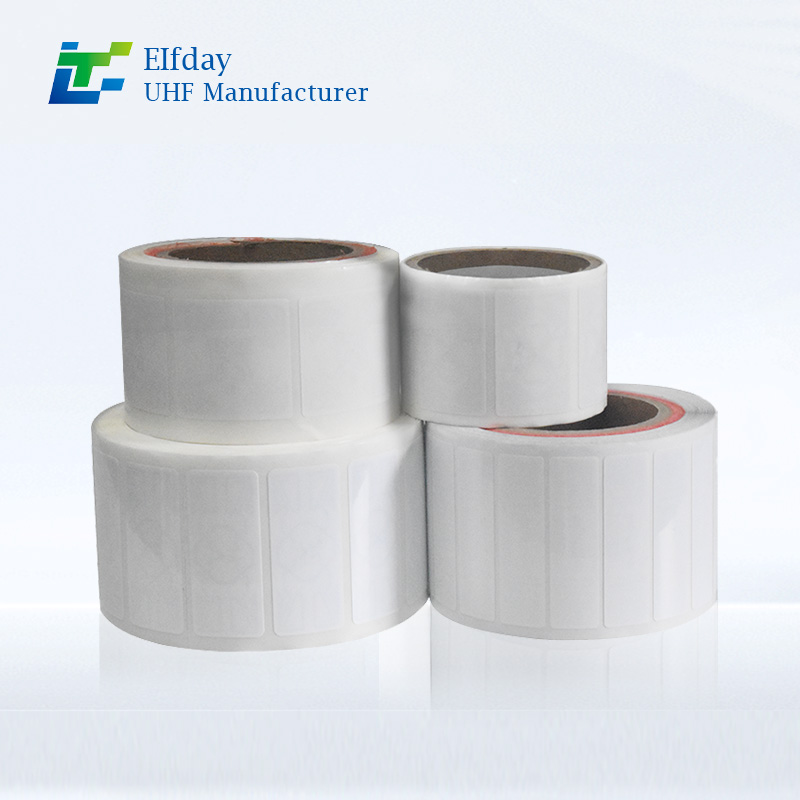
What Is a Long Range RFID Tag?
Imagine scanning an entire warehouse full of inventory without touching a single item. Picture knowing exactly where every piece of equipment is on a sprawling construction site, without walking around with a clipboard. That is what a long range RFID tag makes possible.
If you manage assets, run a warehouse, or oversee supply chain operations, you have probably heard about RFID technology. But you might be wondering—what exactly is a long range RFID tag, and why does range matter so much? Let me break it down for you in plain English.
So, what is a long range RFID tag?
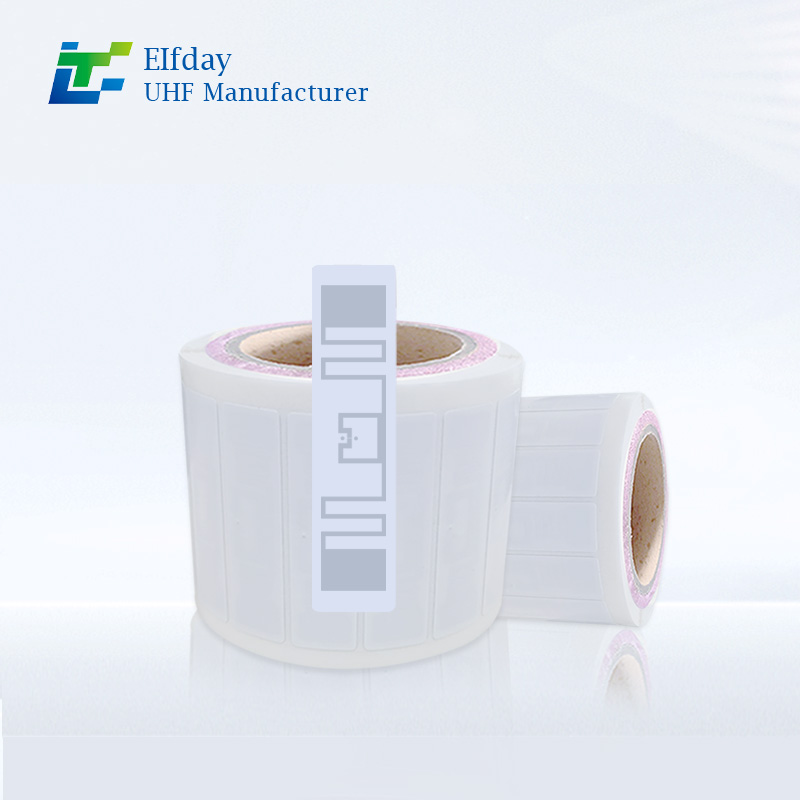
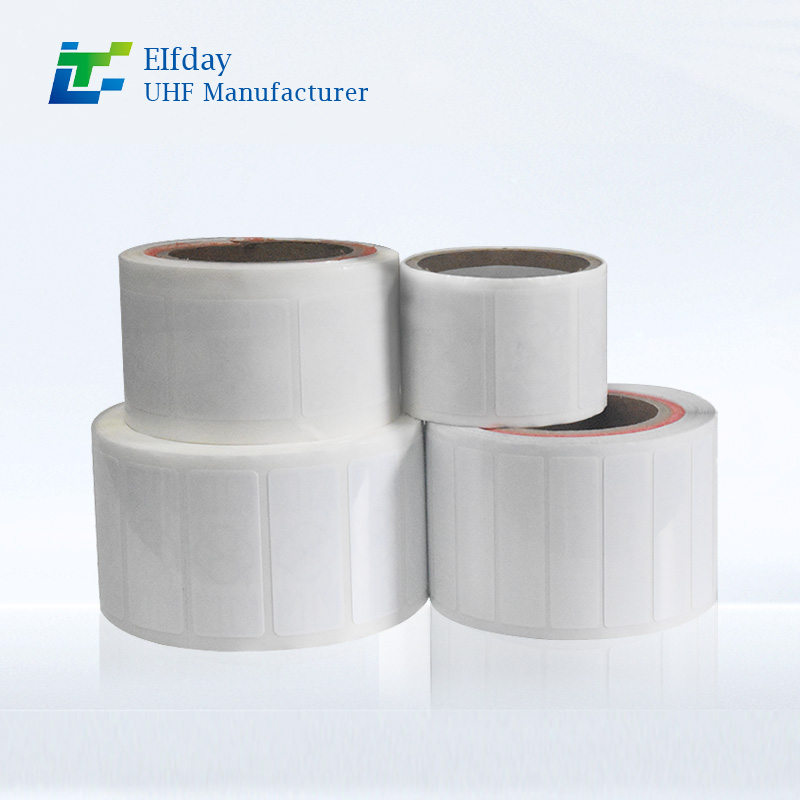
In simple terms, a long range RFID tag is a small electronic device that uses radio waves to identify and track objects from distances much farther than traditional RFID tags can manage. While standard RFID tags might only work within a few feet, a properly designed long range RFID tag can be read from 30 feet away, 50 feet away, or even further depending on the technology used.
Think of it this way. A regular barcode requires someone to walk up to each item and scan it one by one. A long range RFID tag lets you stand at the entrance of a warehouse aisle and instantly know everything on that shelf. No line of sight needed. No one-at-a-time scanning required.
How does a long range RFID tag actually work?
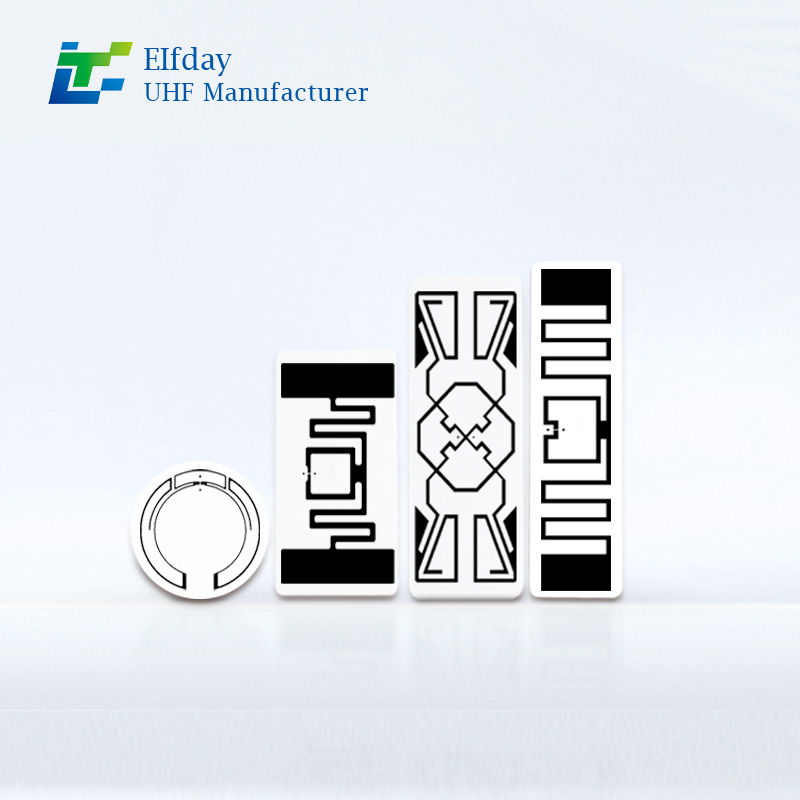
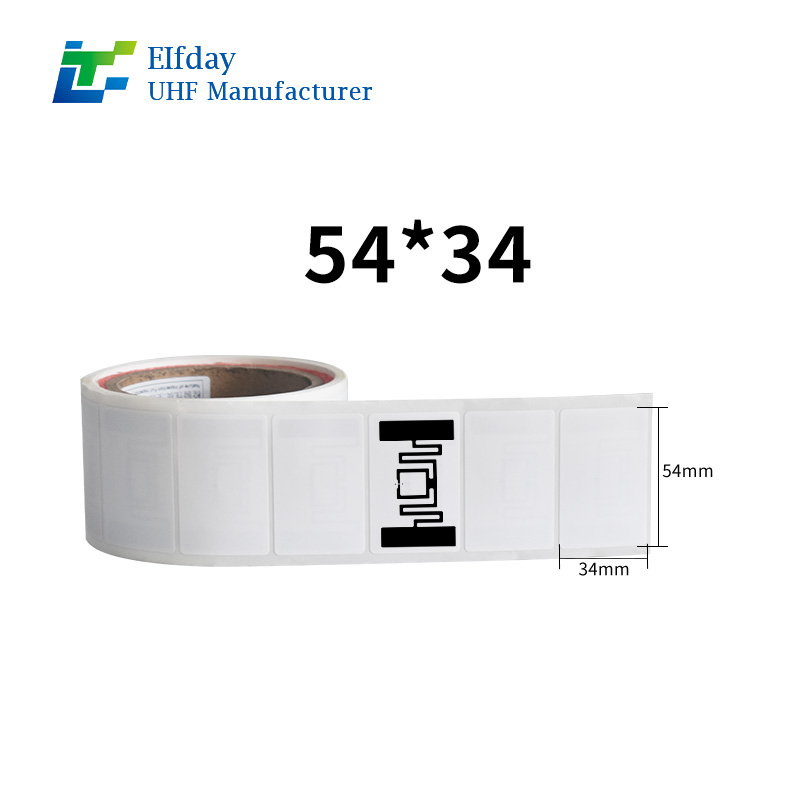
Every long range RFID tag has two basic parts—a microchip that stores information and an antenna that sends and receives radio signals. But how the tag gets its power is where things get interesting.
Most long range RFID tags fall into two categories: passive and active.
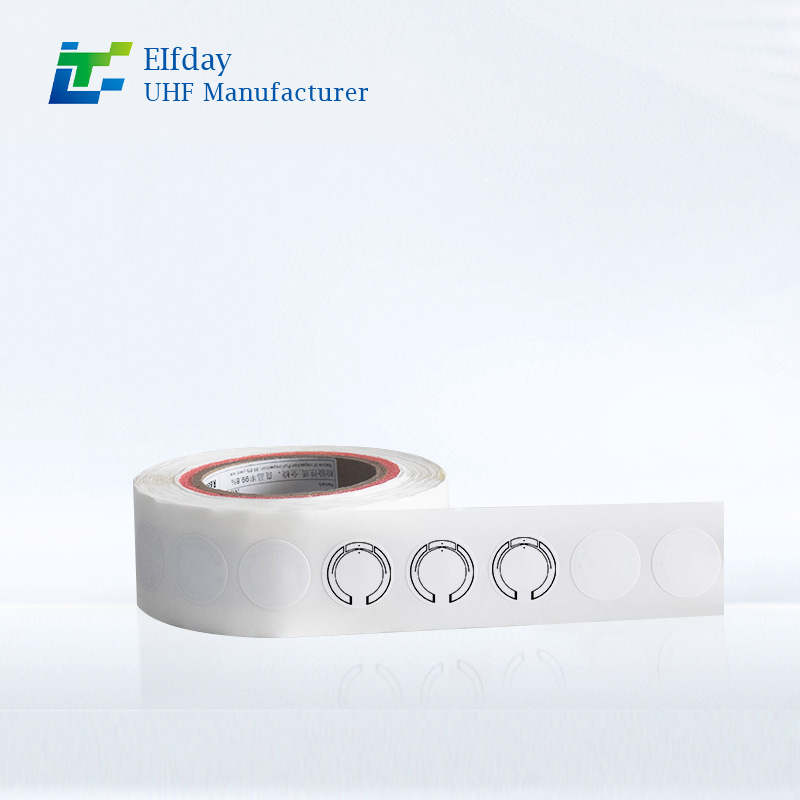
A passive long range RFID tag has no battery of its own. Instead, it harvests energy from the radio waves sent out by an RFID reader. When the reader sends out a signal, the tag wakes up, powers itself from that signal, and transmits its data back. This is called backscatter—the tag essentially reflects the reader's energy back with its own information encoded on top. This approach keeps the tag small, light, and extremely affordable. Many passive UHF tags can be read from 10 to 30 feet under normal conditions, and larger ones have been known to reach 60 feet or more with the right equipment.
An active long range RFID tag, on the other hand, comes with its own battery. Because it doesn't have to wait for a reader to wake it up, it can broadcast its signal on its own schedule. This gives active tags a huge advantage in range—some can be picked up from hundreds of feet away. The trade-off is that they are larger, more expensive, and the battery eventually needs replacing, typically after three to five years.
Between these two extremes, there is also a semi-passive option sometimes called battery-assisted passive (BAP). These tags use a battery to power the chip but still rely on the reader's signal to transmit data, offering a middle ground between range and cost.
But what does "long range" actually mean in real-world terms?
This is where a lot of people get confused. "Long range" does not mean the same thing for every tag. The actual distance depends on multiple factors working together—the frequency being used, the size and design of the antenna, what material the tag is attached to, and even the environment around it.
The frequency of the tag plays a major role. Low frequency (LF) tags operating around 125 kHz are great at penetrating water and metal, but their range is usually measured in inches rather than feet. High frequency (HF) tags at 13.56 MHz can reach about one to three feet. This is what powers NFC technology in your phone for contactless payments.
If you want true long range performance, you need ultra-high frequency (UHF) tags operating between 860 and 960 MHz. These are the workhorses of long range RFID. A typical UHF passive tag can be read from about 15 to 30 feet away. Larger UHF tags can push that to 30 meters or about 100 feet under ideal conditions. Specialized active UHF tags have been known to transmit reliably from 300 feet or more.
That said, real-world performance is always a bit different from lab numbers. Metals and liquids are the two biggest enemies of UHF RFID signals. Metal can reflect and distort radio waves, while water absorbs them. That is why you will often see tags specifically designed for metal surfaces, with special construction that turns the metal into part of the antenna rather than letting it block the signal.
Why should you care about range at all?
The simple answer is that range equals efficiency. A longer read range means you can cover more area with fewer readers. It means you can scan inventory from a distance rather than walking each aisle. It means you can track assets moving through doorways without installing sensors at every single point.
Consider what happens in a typical warehouse. With barcode scanning, a worker has to find each pallet, aim the scanner, and wait for the beep. That process takes time and it is prone to human error. With a long range RFID tag, a fixed reader mounted at the warehouse entrance can automatically log every pallet that comes in and out. A worker with a handheld reader can stand at the end of an aisle and count hundreds of items in seconds rather than minutes.
The numbers back this up. Retailers like Walmart achieved inventory accuracy exceeding 95 percent after implementing RFID, compared to 63 percent using manual barcode methods. Studies have shown that deploying RFID leads to roughly a 25 percent improvement in inventory accuracy and a 10 to 15 percent reduction in labor hours spent on inventory-related tasks.
Where are long range RFID tags actually being used today?
You will find long range RFID tags working quietly behind the scenes across nearly every industry.
In warehouses and logistics centers, they are attached to pallets, containers, and returnable assets like totes and bins. As tagged items move through receiving docks, storage aisles, and shipping doors, fixed readers automatically capture their movement without any manual scanning required. This gives warehouse managers real-time visibility into where every asset is at any given moment.
In manufacturing, rugged long range RFID tags are attached to tools, work-in-progress items, and finished goods. The tags survive harsh conditions including extreme temperatures, chemicals, and physical impacts. Factory managers can track equipment across large production floors and ensure that critical tools are always where they should be.
In the energy and utility sector, companies are tracking oil and gas equipment across sprawling yards and remote sites. Long range RFID tags help prevent loss of high-value assets and streamline maintenance inspections.
Vehicle access control is another major application. Windshield-mounted long range RFID tags let drivers enter gated facilities without stopping, rolling down windows, or swiping cards. The system reads the tag from several feet away and opens the gate automatically.
Even hospitals are getting in on the action. Medical facilities now use long range RFID tags to track surgical instruments, medication carts, and expensive mobile equipment. Some hospitals report using AI-powered RFID systems to predict shortages of critical supplies before they happen.
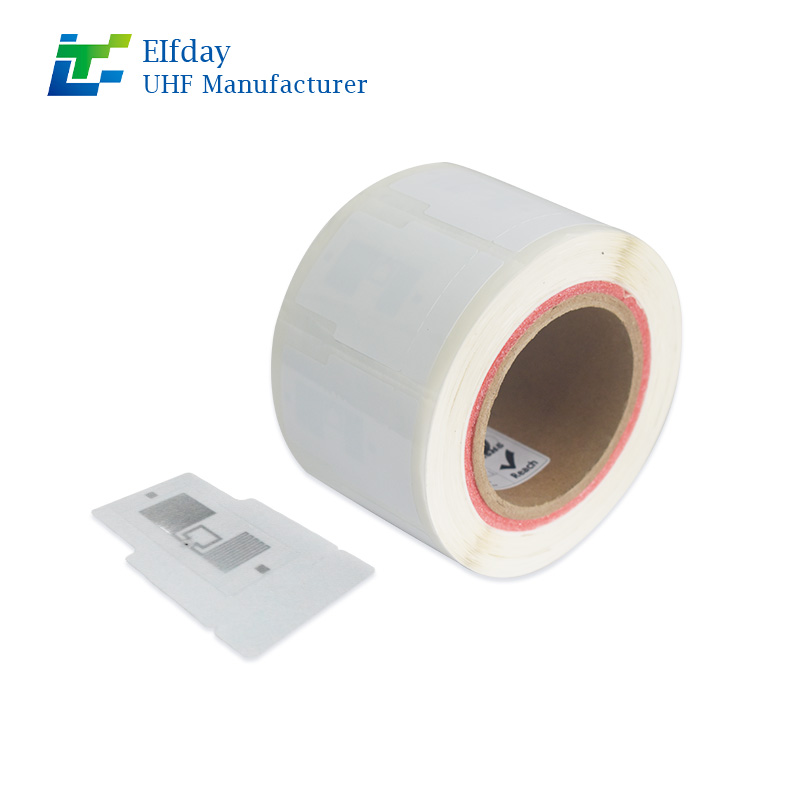
What about metal? Does a long range RFID tag work on metal surfaces?
This is one of the most common questions people ask, and for good reason. Many valuable assets are made of metal—shipping containers, toolboxes, machinery, vehicle parts, metal drums, and storage racks to name just a few.
Regular RFID tags struggle on metal because the metal surface reflects radio waves and detunes the tag's antenna. The result is dramatically reduced read range or no reading at all.
But specialized on-metal long range RFID tags solve this problem. These tags are engineered with materials and antenna designs that either use the metal surface to their advantage or isolate the antenna from the metal using a foam spacer or other dielectric material. A good on-metal tag can deliver long range performance whether it is attached to a metal surface or not. Some of these tags achieve read distances of 10 meters or more even when mounted directly on metal.
If you are tracking metal assets, do not try to use a standard tag. It will frustrate you and it will not work reliably. Get a tag that is purpose-built for the job.
How does a long range RFID tag compare to other tracking options?
This comparison often helps people understand why long range RFID is worth considering.
Barcodes and QR codes are the most familiar option, but they come with serious limitations. You need line of sight to scan them. You can only scan one at a time. They get dirty, damaged, or peeled off. And they tell you nothing about where an item is until someone physically scans it. A long range RFID tag eliminates all of these problems—no line of sight required, hundreds of tags can be scanned at once, and the tag can be read even if it is inside a cardboard box or buried under other items.
NFC is another close relative of RFID, but it operates at high frequency with a very short range—usually just a few centimeters. NFC is great for secure payments and phone-based interactions, but it is not designed for long range asset tracking. NFC works when you tap your phone on a tag. A long range RFID tag works when you walk past a reader from 30 feet away.
GPS trackers offer true location data anywhere on the planet, but they are expensive, require battery changes, and do not work well indoors. Long range RFID tags are much more affordable and work perfectly inside warehouses, factories, and other covered spaces.
Bluetooth Low Energy (BLE) tags offer a middle option. They have decent range and work with smartphones, but they are not standardized like RFID and integration can be more complex.
How do you choose the right long range RFID tag for your needs?
Selecting the right tag comes down to asking yourself a few key questions about your specific situation.
First, what are you actually tracking? The material of the asset matters enormously. If you are tagging cardboard boxes on wooden pallets, a standard UHF label will work fine. If you are tagging metal machinery or metal storage racks, you need an on-metal tag designed for that environment. If your assets live outdoors in all weather, you need a rugged tag with proper IP rating for water and dust resistance.
Second, how far away do you need to read the tag? This determines whether passive tags will work for you or whether you need to consider active tags. For most warehouse and logistics applications, passive UHF tags with 15 to 30 feet of range are sufficient. For tracking assets across a large outdoor yard, active tags with hundreds of feet of range might be the right choice.
Third, what environment will the tag live in? Extreme temperatures, chemical exposure, constant vibration, washing cycles, and outdoor weather all demand different levels of durability. A tag that works fine in a climate-controlled retail store will fail quickly on the underside of a forklift or inside a chemical plant.
Fourth, what is your deployment scale? If you need thousands or millions of tags, the per-unit cost becomes critical. Passive UHF tags are the most economical choice for large-scale deployments. Active tags are significantly more expensive per tag, so they make the most sense for tracking smaller numbers of high-value assets.
Fifth, what frequency is allowed in your region? North America uses FCC standards around 902 to 928 MHz. Europe uses ETSI standards around 865 to 868 MHz. A tag optimized for the wrong region will underperform significantly.
Are long range RFID tags worth the investment?
For many businesses, the answer is a clear yes. But do not just take my word for it. Look at what is happening across the industry.
The global RFID tag market is growing steadily. After reaching around $12 billion in 2025, it is projected to hit $18 billion by 2030, driven largely by the adoption of passive UHF RFID technologies. Major retailers are mandating RFID tagging from their suppliers. Walmart's push alone has accelerated adoption across entire supply chains.
The reason for this growth is simple. Long range RFID tags deliver measurable returns. Businesses that deploy them report fewer lost assets, faster inventory counts, lower labor costs, and better visibility into their operations. When you can walk through a warehouse with a handheld reader and complete a cycle count that used to take a full day in just an hour, the time savings add up quickly.
A few words of practical advice before you go
If you are ready to explore long range RFID tags for your operation, start small. Pick one specific problem you want to solve—maybe it is tracking tools in a maintenance shop or managing returnable containers in a distribution center. Test a few different tags in your actual environment. What works perfectly on a test bench might behave differently on your factory floor.
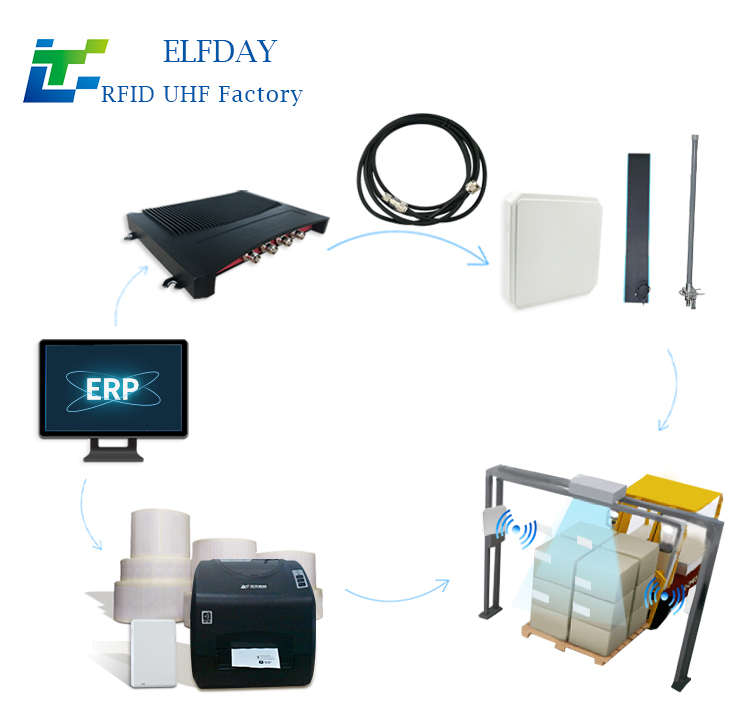
And do not overlook the importance of the reader and antenna. You can have the best long range RFID tag in the world, but if your reader is underpowered or your antenna is poorly positioned, you will not get the performance you expect. The whole system needs to work together.
Most importantly, talk to people who have done this before. The RFID community is surprisingly open and helpful. Real-world experience will save you from making expensive mistakes.
Ready to take the next step?
Long range RFID tags have moved from niche technology to mainstream tool. They are helping businesses of all sizes track assets more accurately, work more efficiently, and stop losing things that cost money to replace.
If you think long range RFID might help your operation, do your homework. Test some tags. Run a pilot. And when you see the difference that real-time visibility makes, you will wonder how you ever managed without it.