








What Are Tyre RFID Tags?
If you manage a fleet, run a tyre retreading shop, or work in logistics, you’ve probably heard the term “tyre RFID tags” floating around. But what exactly are they? And more importantly – why should you care?
Let’s cut through the buzzwords.
Tyre RFID tags in plain English
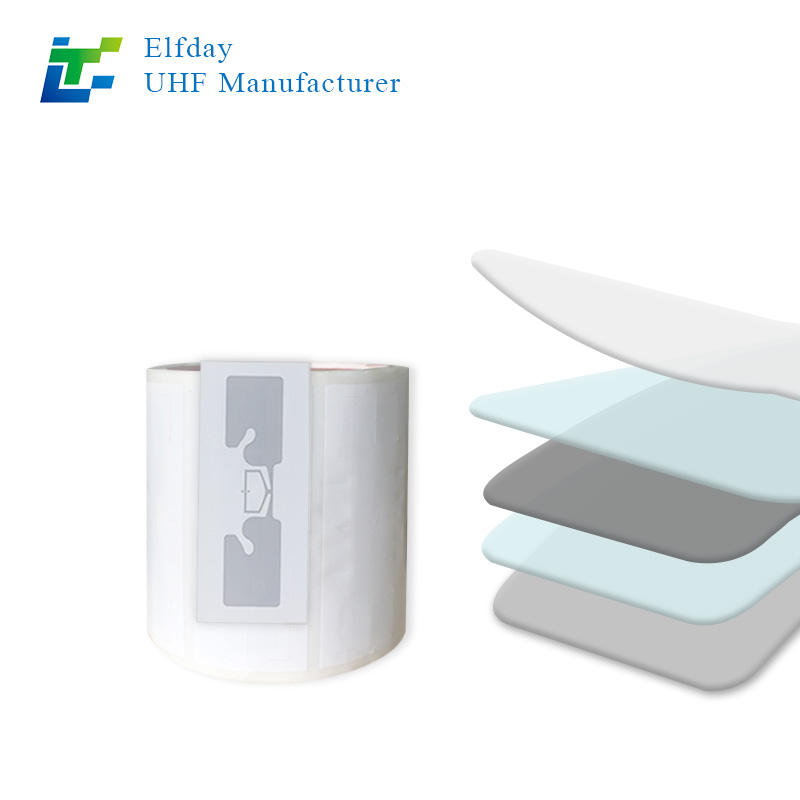
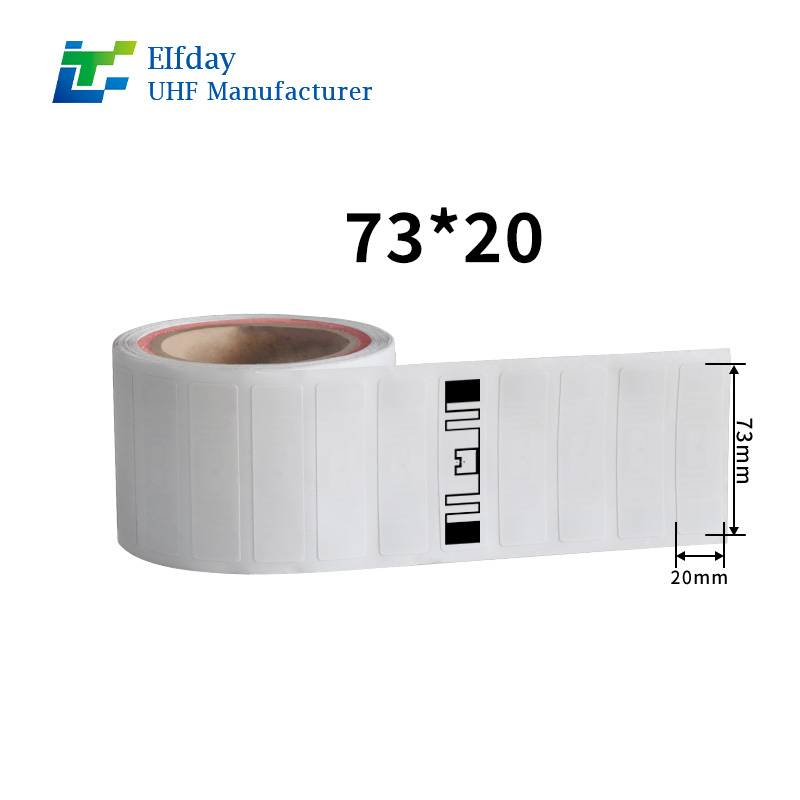
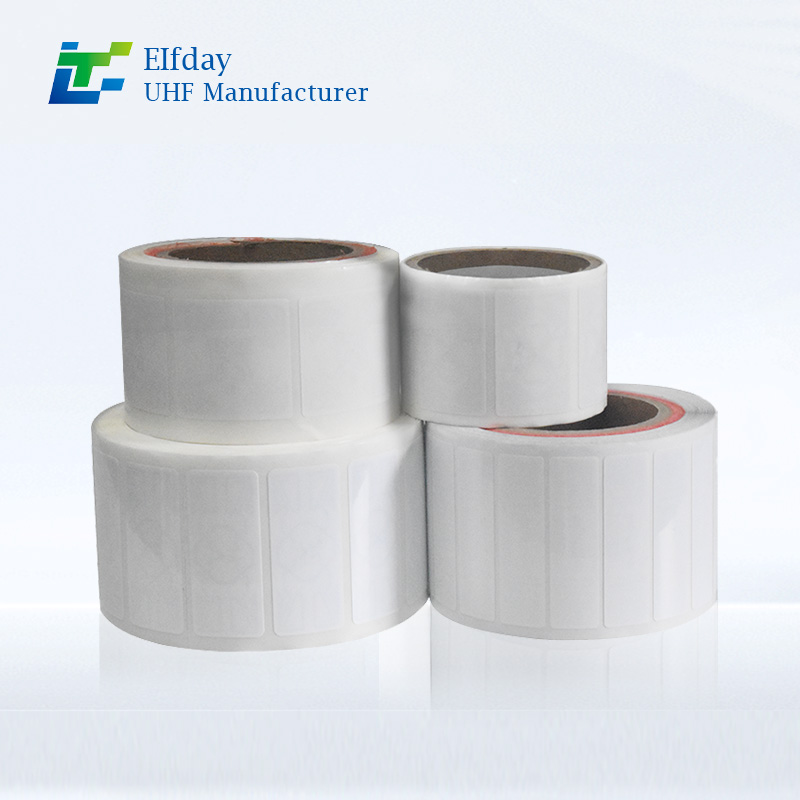
A tyre RFID tag is a small, rugged electronic device embedded into a tyre – either during manufacturing or added later. It stores a unique ID and other data about that specific tyre. Using radio waves, a reader can pull that information from a distance, without needing line of sight.
Think of it as a digital fingerprint for every tyre you own. Only tougher.
Unlike a barcode or QR code, this tag doesn’t need to be clean or perfectly aligned. It works through dirt, mud, and even a layer of rubber. And because it’s passive (no battery), it lasts the entire life of the tyre – sometimes longer.
How they actually work (no engineering degree required)
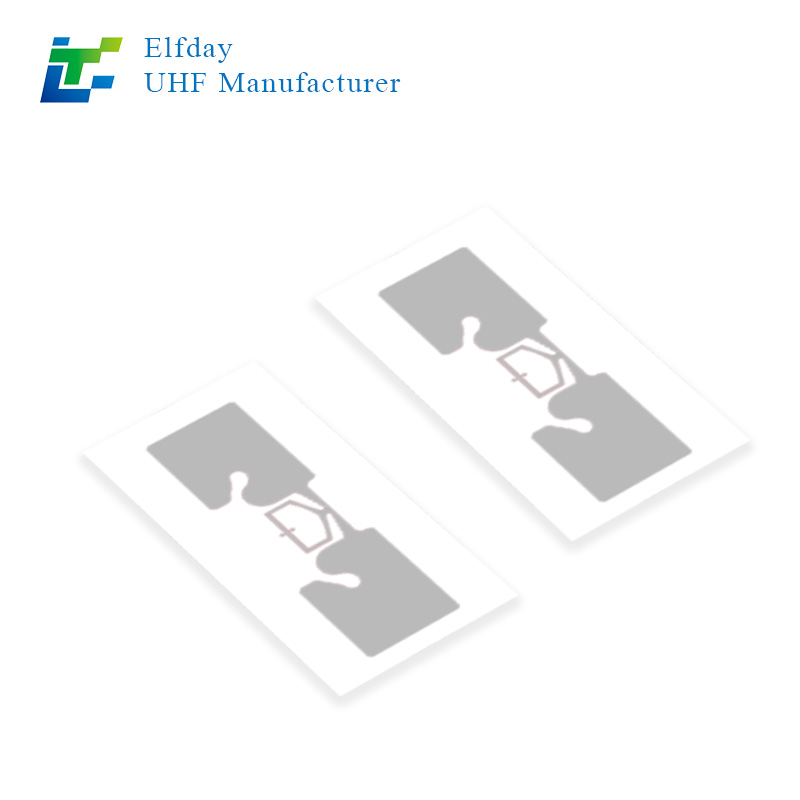
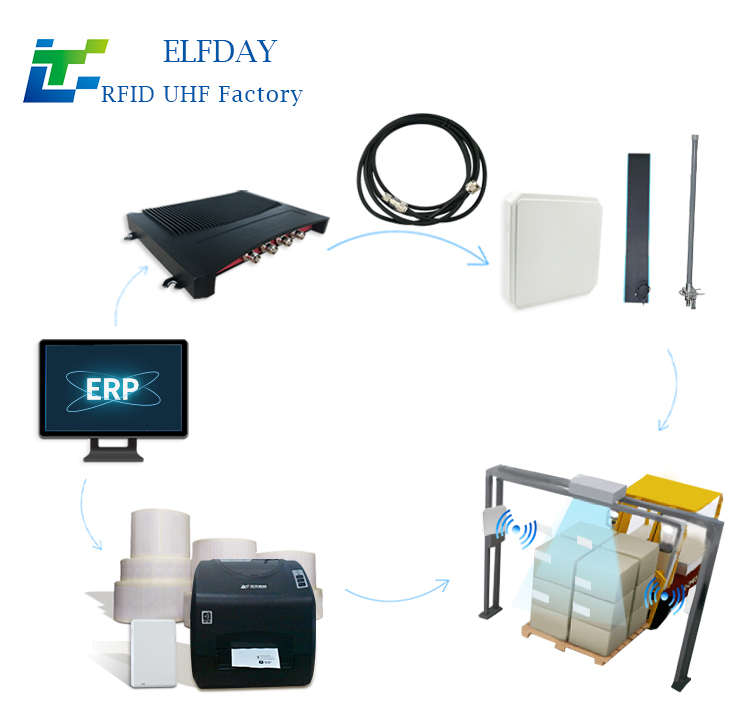
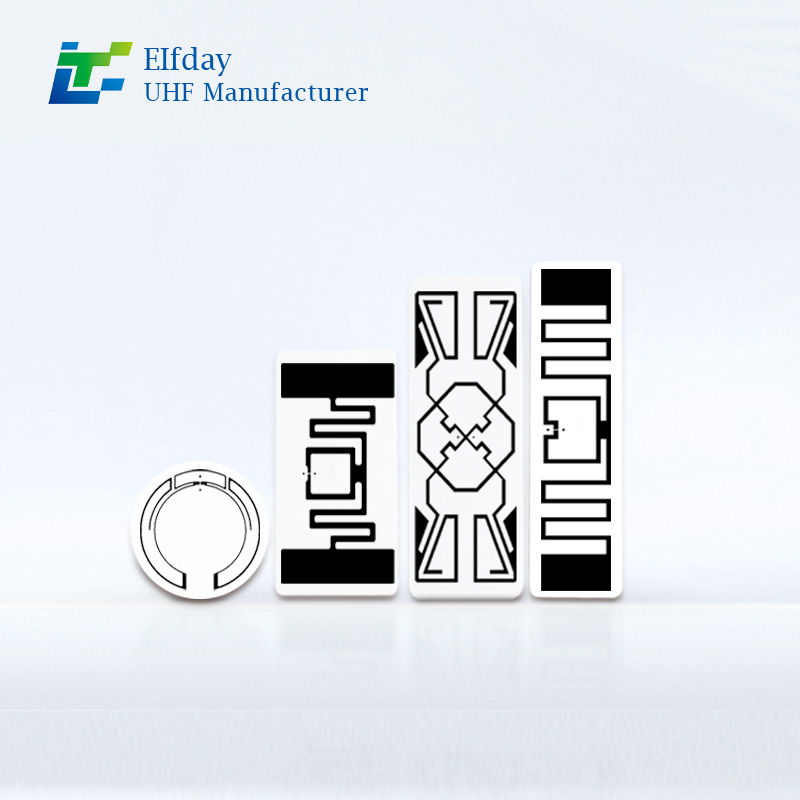
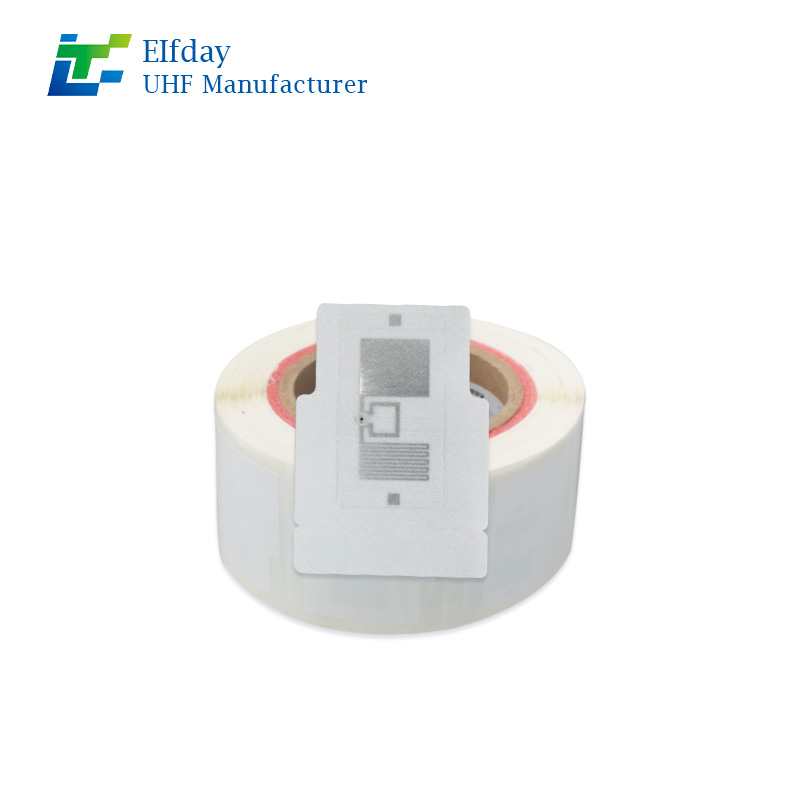
Inside each tyre RFID tag is a tiny microchip and an antenna. When a handheld or fixed reader sends out a specific radio frequency, the tag wakes up, powers itself from that signal, and transmits its stored data back.
That data can include:
Tyre serial number
Manufacturing date
DOT code
Size and model
Retread history
Miles driven
Last inspection result
You can read a tag from a few centimetres away or up to several metres, depending on the reader and tag type. That means you can scan an entire truck’s tyres while standing still – no bending, no crawling, no clipboards.
Why tyre RFID tags matter for your bottom line
Here’s where we stop talking tech and start talking money, time, and headaches saved.
1. You stop losing track of tyres
How many times have you sent a tyre for retreading and never seen it again? Or found a mismatched pair on the same axle? Tyre RFID tags give every tyre a permanent, unchangeable identity. You always know which tyre is where, on which vehicle, and for how long.
2. Predictive maintenance becomes real
Instead of guessing when a tyre needs rotation or pressure check, you build a history. Scan the tag each time. Record wear patterns. The data tells you exactly when a tyre is drifting out of spec – often before the driver even feels it.
Less downtime. Fewer blowouts. Lower fuel bills.
3. Retreading gets a whole lot smarter
A good retread can save you serious money. But only if you know the casing’s history. With a tyre RFID tag, you know exactly how many times it’s been retreaded, whether it’s suffered hidden damage, and if it’s still within safe limits. No more guessing. No more rejected casings that could have been saved.
4. Compliance is becoming mandatory – especially in Europe
The EU’s Digital Product Passport (DPP) for tyres is coming. By 2027 or sooner, many tyres sold in Europe will need to carry a digital record of their entire lifecycle – from factory to recycling. Tyre RFID tags are the only practical way to do that at scale.
If you sell tyres or operate in regulated markets, waiting is not an option.
Where real customers are using tyre RFID tags right now
Fleet operators
Trucking companies with hundreds of vehicles use tyre RFID tags to automate daily inspections. Drivers walk past with a reader, and the system flags any tyre that’s under pressure, over mileage, or due for rotation. No writing, no forgotten checks.
Mining and off‑road
Giant OTR tyres cost a fortune. Losing one – or running it to destruction – hurts. Mining sites embed tyre RFID tags to track hours, heat cycles, and damage history. They know exactly when to pull a tyre for maintenance or scrapping.
Tyre manufacturers and retreaders
Factories use tyre RFID tags to manage inventory and warranty claims. A customer claims a tyre failed early? Scan the tag. You see the real manufacturing date, batch number, and even which machine made it. No fraud, no arguments.
Airports and ground support
Aircraft ground handling equipment runs on tyres that see extreme loads. Airports use tyre RFID tags to enforce replacement schedules and avoid failures that could delay flights.
The hidden benefit: you finally trust your data
Paper logs get lost. Spreadsheets get outdated. Barcodes get torn off.
A tyre RFID tag stays with the tyre for life. Every scan adds to a clean, unchangeable record. When you pull a report, you’re not looking at someone’s best guess. You’re looking at facts.
That changes how you buy tyres. How you negotiate with retreaders. How you plan your budget.
Are there any downsides?
Honestly? The main one is upfront effort. Adding tyre RFID tags to an existing fleet takes time – you need to fit the tags and set up a basic system. But most operators find the payback happens in under a year, just from reduced downtime and better retread recovery.
The other catch is reader cost. But handheld readers have come down a lot, and you can start with just one or two units. You don’t need a fully automated portal on day one.
How to get started with tyre RFID tags (without overcomplicating it)
Start small. Pick one vehicle group or one tyre type – say, your steer tyres on a single depot. Tag them. Use a basic mobile reader and a simple spreadsheet or free software. Run that for three months.
Track:
How much time you save on inspections
Whether you catch problems earlier
If your retread shop gives you better prices with tagged casings
Once you see the numbers, you’ll wonder why you waited.
A quick word on choosing the right tyre RFID tag
Not all tags are the same. For on‑road truck tyres, you need tags that survive high speeds and heat from vulcanisation. For mining, you need extreme impact resistance. For retreading, you need tags that stay readable after multiple cure cycles.
Ask your supplier three questions:
What is the read range on rubber?
Can it withstand the tyre’s maximum operating temperature?
Is it compatible with ISO 20909 and 20911 standards?
If they hesitate on any of those, walk away.
The bottom line
Tyre RFID tags aren’t a futuristic gimmick. They’re a practical tool that thousands of fleet managers, tyre shops, and manufacturers are already using to save time, cut waste, and make better decisions.
You don’t need a six‑figure IT project. You don’t need to replace all your tyres at once. You just need to start.
Because every tyre you can’t track is a tyre that’s quietly costing you money.
Want to see how tyre RFID tags would work in your specific operation? Drop us a message with your fleet size and tyre types – we’ll walk you through a no‑pressure example based on real customer data.