








How Anti-Metal RFID Bag Tags Overcome Signal Interference
You are standing at the baggage claim, staring at the screen. Your app says the bag made it onto the plane. The airline’s system shows it was loaded. But the carousel keeps spinning, and your aluminum hard-shell suitcase is nowhere to be seen.
That sinking feeling is more common than most travelers realize. And the culprit is often not a broken reader or a lost bag. It is a simple physics problem that engineers have only recently solved in a reliable way: metal interferes with RFID signals.
If you work in airline operations, logistics, or baggage handling, you have probably seen this happen. A passenger checks in a beautiful metal suitcase. You attach a standard RFID bag tag, scan it at the belt, and everything looks fine. But somewhere between the transfer point and the aircraft, the signal vanishes. The tag is still there. The reader is working. Yet the bag becomes invisible.
This is why anti-metal RFID bag tags exist. They do something ordinary tags cannot. They turn metal from an enemy into an ally, or at least neutralize its destructive effects. But how exactly do they pull that off? Let us walk through the science, the design tricks, and the real-world performance you can expect.
Why Ordinary RFID Bag Tags Fail on Metal
To understand how anti-metal tags work, you first need to know what goes wrong with normal ones.
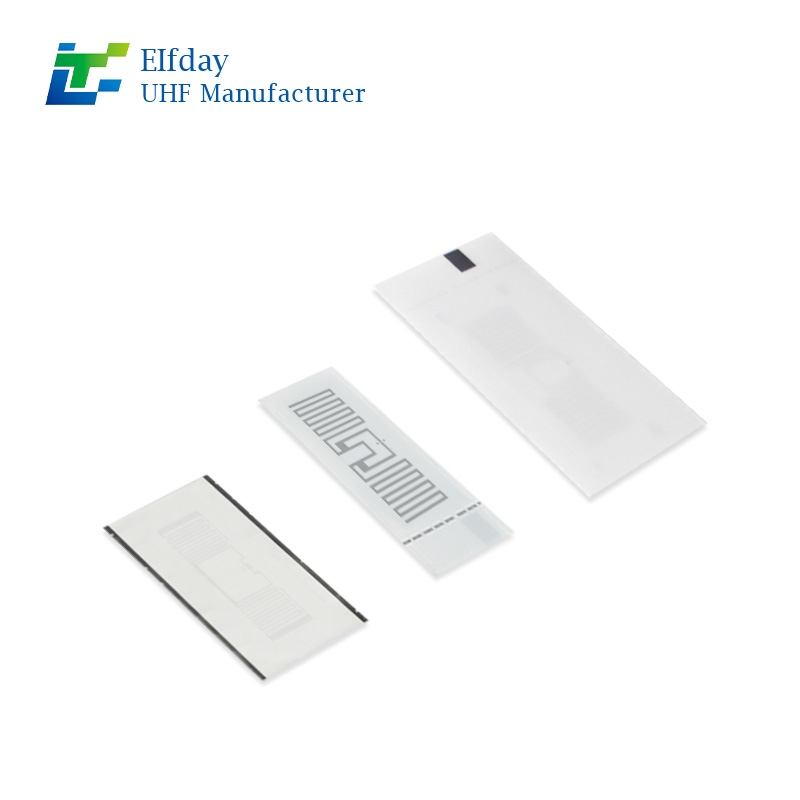
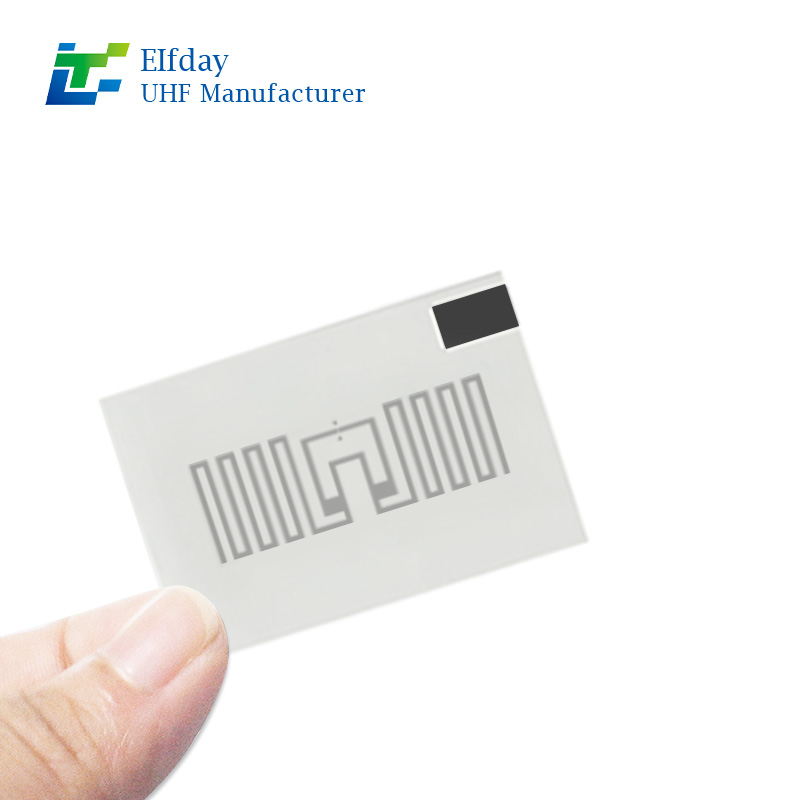
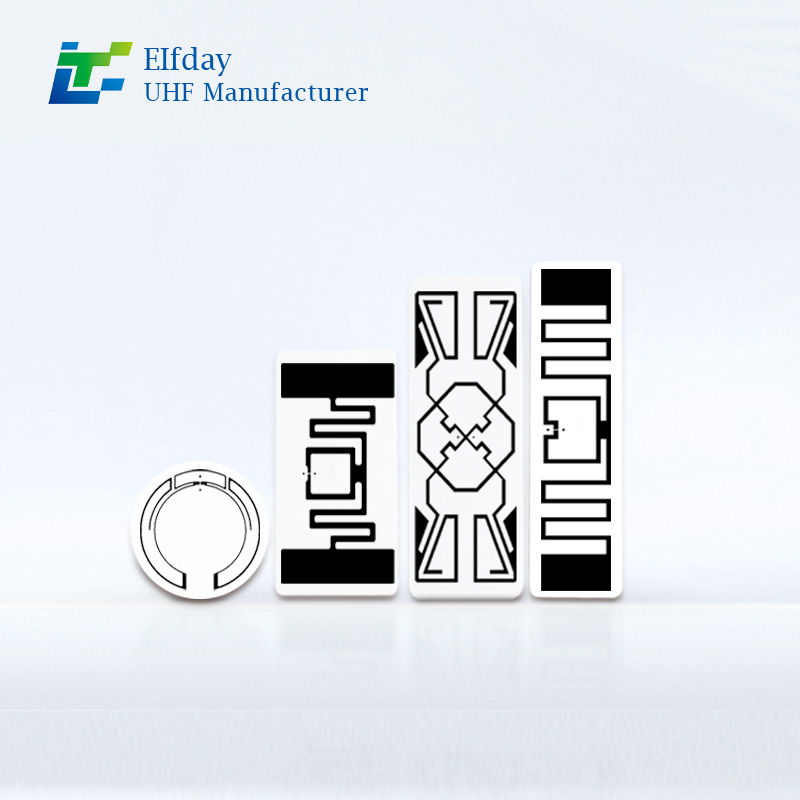
A standard RFID bag tag uses a simple antenna, usually a thin copper or aluminum pattern printed on a flexible substrate. The tag expects to be in free air or stuck to plastic, cardboard, or fabric. In those conditions, the reader sends out a radio wave, the tag harvests just enough energy from that wave to wake up, and then it responds with its unique ID. Simple and reliable.
But slap that same tag onto a metal suitcase, and everything changes.
Metal is highly conductive and reflective to radio waves. When the reader’s signal hits the metal surface behind the tag, it bounces back. That reflected wave interferes with the original signal coming directly from the reader. The tag antenna suddenly finds itself caught between two opposing waves, a phenomenon engineers call destructive interference. The result is that the tag cannot harvest enough energy to power its chip, or it misinterprets the signal entirely.
There is also a second problem called detuning. Every antenna is designed to resonate at a specific frequency, in this case usually around 865 to 928 MHz for UHF RFID. Metal in close proximity changes the electrical properties of the antenna, shifting its resonant frequency away from where the reader is transmitting. The tag is effectively deaf on the wrong channel.
Together, these two effects can reduce read range by 60 percent or more. In some cases, the tag stops working altogether even when the reader is held directly against the suitcase. That is not a minor nuisance. That is a broken tracking system.
The Core Trick: Breaking the Metal Mirror
So how do anti-metal RFID bag tags fix this? They use a simple but clever idea: create distance and a barrier.
The most common method is to insert an isolation layer between the tag’s antenna and the metal surface. This layer acts like a sponge for radio waves. It absorbs or redirects the reflected energy so that the antenna only sees the signal from the reader, not the confusing echo from the metal.
You will find this isolation layer made from different materials depending on the tag. Ferrite sheets are one popular choice. They are magnetic ceramic materials that soak up high-frequency interference. Another option is specially engineered foam with conductive particles. Some high-end tags use a ceramic or air cavity design, which creates physical separation plus electrical isolation.
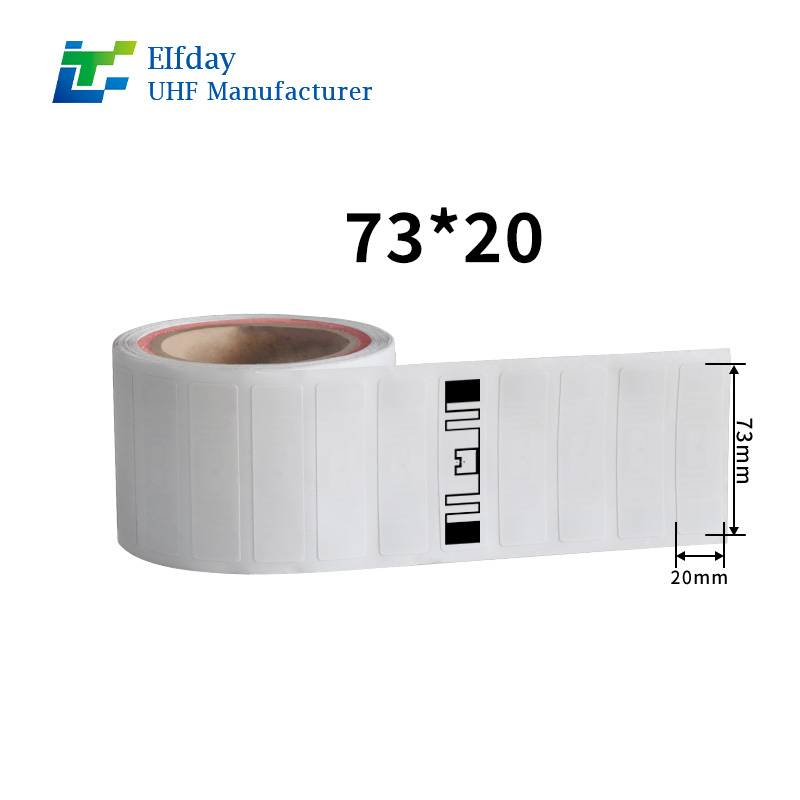
The thickness of this layer matters. Too thin, and the interference still leaks through. Too thick, and the tag becomes bulky and hard to attach to luggage. The best anti-metal RFID bag tags strike a balance around two to three millimeters, thick enough to kill the interference but still slim enough to slide through a printer or fit under a luggage handle strap.
Smarter Antenna Design: The Patch Approach
Isolation alone is not always enough for demanding environments like airport baggage halls. That is why many anti-metal RFID bag tags also use a fundamentally different antenna shape called a microstrip patch antenna.
Imagine a tiny flat antenna that looks a bit like a postage stamp. Underneath that patch is a ground plane, which is another thin metal layer. The tag’s antenna lives between the patch and the ground plane. When you attach the whole sandwich onto a metal suitcase, the ground plane does something brilliant: it shields the antenna from whatever is happening on the other side. The metal of the suitcase no longer matters because the tag has its own metal layer that takes the hit.
Patch antennas have another advantage. They actually use the metal surface as part of the radiating structure. In a well-designed anti-metal RFID bag tag, the suitcase can help the tag achieve a longer read range than a standard tag in free air. That sounds like magic, but it is just good engineering.
You will know you are looking at a patch-based tag when the tag feels slightly rigid and has a flat, solid back rather than a flexible sticker. These are often the best performers for metal luggage, especially in industrial settings where read reliability is critical.
Tuning That Adapts to Real Conditions
Isolation and antenna design get you most of the way there. But the best anti-metal RFID bag tags add a third layer of intelligence: adaptive chip tuning.
Chips like the NXP UCODE series include a feature that continuously adjusts the tag’s internal impedance. Think of it as the tag listening to the environment and retuning itself on the fly. If the metal surface shifts slightly because the suitcase is packed unevenly or another bag leans against it, the chip senses the change and corrects for it.
This matters more than you might think. In a real baggage system, tags are not mounted perfectly flat on clean, smooth metal. They get twisted. They are attached to curved corners. They end up next to zippers, rivets, and other metal objects that create unpredictable interference. A static design might work in a lab test but fail in a jumbled baggage cart. Adaptive tuning handles the messiness of real life.
What This Means for Your Read Rates
Enough theory. What does all of this actually deliver in the real world?
A standard RFID bag tag on a metal suitcase might read successfully only 70 to 80 percent of the time at close range. At four meters, the read rate can drop below 50 percent. That is not a system you can trust for automated baggage sorting or IATA 753 compliance.
A properly designed anti-metal RFID bag tag flips those numbers. At close range, you should see 99 percent or higher read rates. At eight meters, many quality anti-metal tags still achieve 95 percent or better. Some specialized industrial tags can read beyond twelve meters on metal.
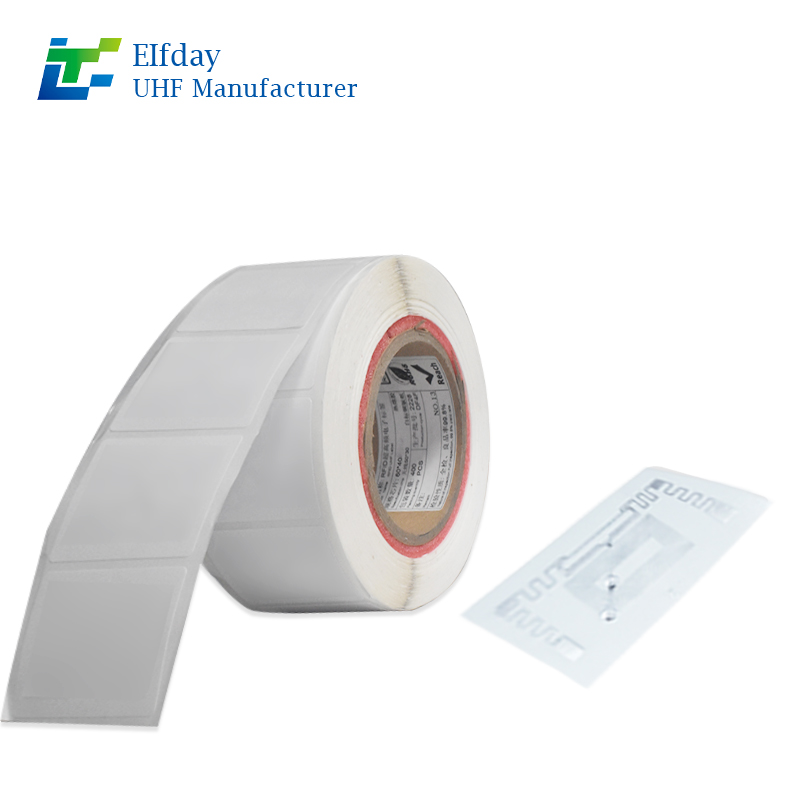
But read rate is not the only number that matters. Read reliability, meaning consistent performance across different angles, speeds, and environmental conditions, is what separates a good tag from a great one. Anti-metal tags excel here because they are designed specifically to ignore the chaotic reflections that confuse ordinary tags.
Where You Will Actually See the Difference
Let me give you three real examples where anti-metal RFID bag tags prove their worth.
First, the baggage transfer point. Bags are moving fast on a belt. Readers are mounted overhead and to the side. Standard tags on metal suitcases often get missed because the signal bounces away from the reader. Anti-metal tags keep a clean, strong signal regardless of how the bag is oriented. That means fewer bags sent to the wrong destination.
Second, the aircraft loading process. A loader scans a batch of bags before they go into the hold. Metal suitcases with standard tags might require the loader to stop, walk closer, and manually trigger the reader. That wastes time and creates bottlenecks. Anti-metal tags allow fast, bulk scanning from a comfortable distance, keeping the operation moving.
Third, the baggage claim carousel. This is where the passenger experience lives or dies. When a bag passes the final reader near the delivery chute, the system should update instantly. If a metal suitcase fails that last read, the passenger sees no update and starts filing a claim. Anti-metal tags ensure that final read happens every time.
How to Choose the Right Anti-Metal RFID Bag Tag
Not all anti-metal tags are created equal. When you are shopping for RFID bag tags that work on metal suitcases, ask these questions.
What is the read range on metal specifically? Do not accept open-air numbers. Ask for data from tests on aluminum and steel.
What is the isolation material and thickness? Thicker isolation generally means better performance, but you need to balance against handling and printing needs.
Does the tag use a patch antenna or a dipole with ferrite? Patch antennas are generally more robust for challenging environments. Dipole plus ferrite can be thinner and more flexible.
Is the chip adaptive? Look for chips with self-tuning features. They make a noticeable difference in variable conditions.
What is the durability rating? Metal suitcases are often handled roughly. You want an IP67 or higher waterproof rating and an operating temperature range that covers freezing cargo holds and hot tarmacs.
The Bottom Line for Your Operation
You invest in RFID bag tags to solve a problem: lost and misrouted luggage. That investment only pays off if the tags work on every bag, every time. Metal suitcases are not a niche edge case anymore. They are everywhere. Travelers love them for their durability and clean look. That means you have to handle them properly.
Ordinary RFID bag tags will let you down on metal. They will create blind spots in your tracking system, frustrate your ground crew, and leave passengers standing at empty carousels.
Anti-metal RFID bag tags eliminate those blind spots. They overcome signal interference through isolation, smart antenna design, and adaptive chip tuning. The result is reliable tracking from check-in to claim, regardless of what the suitcase is made of.
If you are still using standard tags on a mixed fleet of luggage, you are leaving money and customer satisfaction on the table. The switch to anti-metal RFID bag tags is straightforward, and the performance difference is immediate. Ask your supplier for samples, test them on your most challenging metal cases, and see for yourself.
Once you have used tags that actually work on metal, you will never go back. And neither will your passengers.