








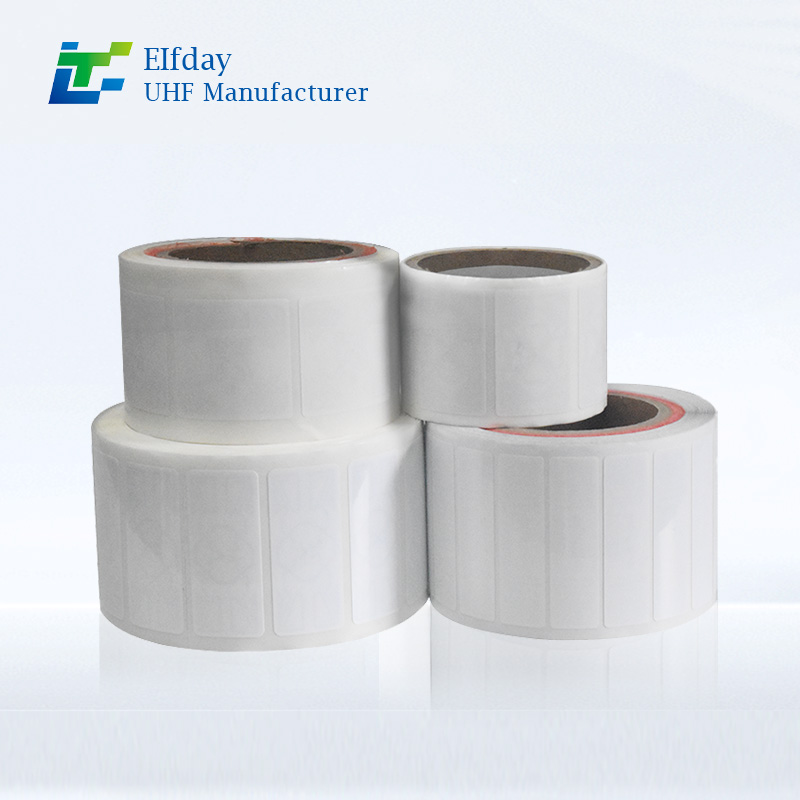
Why UHF Running Race RFID Tag Is the Industry Standard?
If you’ve ever organized or participated in a large running event, you know the chaos that can happen at the finish line. Hundreds or even thousands of runners cross within seconds of each other. Stopwatches and manual recording just don’t work anymore. That’s where the Running Race RFID Tag comes in. But not all RFID tags are created equal. Over the past decade, UHF technology has quietly become the gold standard. Let’s break down why UHF-based Running Race RFID Tag solutions dominate the industry—and why you should care.
What Makes a Running Race RFID Tag “Industry Standard”?
First, a quick reality check. Low-frequency (LF) and high-frequency (HF) tags have been around for years. They work fine for small races with a few dozen participants. But when you’re dealing with a city marathon, a triathlon, or a color run with thousands of runners, those older technologies hit a wall. Short read range. Slow anti-collision. High cost per tag.
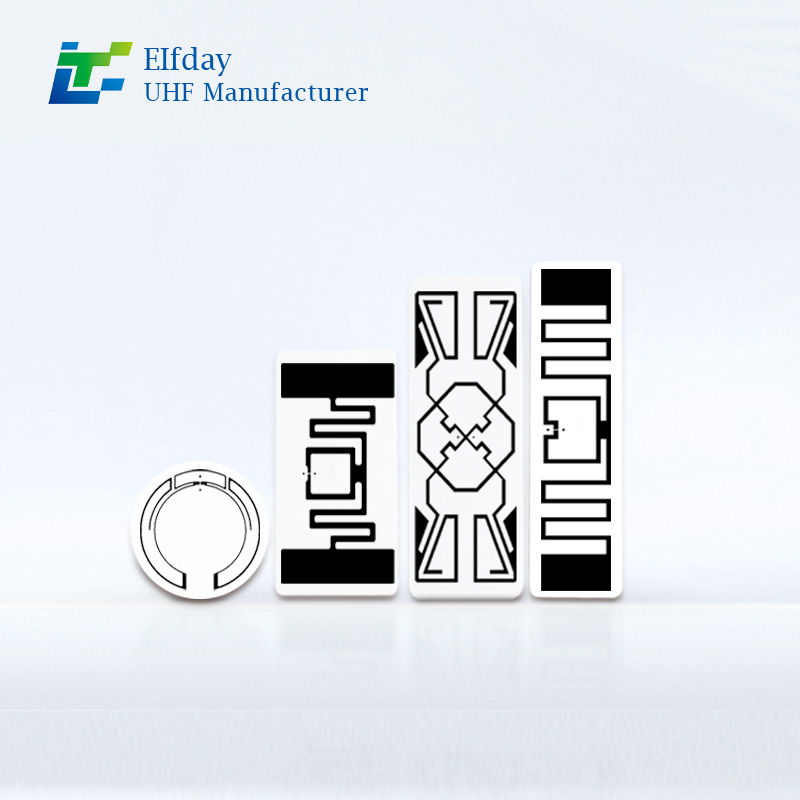
UHF (Ultra-High Frequency) solves all of that. A modern Running Race RFID Tag operating at 860–960 MHz can be read from several meters away—even when runners are packed shoulder to shoulder. That alone changes everything.
Longer Read Range = Fewer Missed Reads
Picture the finish line chute. Runners are tired, sweaty, and often bunched together. A traditional HF system requires the tag to be within inches of an antenna. If a runner twists their ankle strap or the tag rotates, you get a missed read. Angry runners. Wrong results. Refunds.
A UHF Running Race RFID Tag works from 3 to 6 meters away. You can place antennas overhead, on the sides, or even embedded in the mat. The signal penetrates fabric, mud, and water (yes, rain races exist). This means every runner gets recorded, every time. No more manual backup timing.
Read Hundreds of Tags Per Second
Another hidden headache: multiple tags crossing the antenna at once. With LF or HF, the reader struggles to sort out more than 20–30 tags simultaneously. During a mass start or a dense finish, that’s a disaster.
UHF readers can process over 500 tags per second. That’s not a typo. A proper Running Race RFID Tag using UHF protocol (like EPC Gen2) handles dense reader mode and tag population management effortlessly. You get clean, sorted data for every single participant, even if 300 people cross the line in the same second.
Built for Real-World Race Conditions
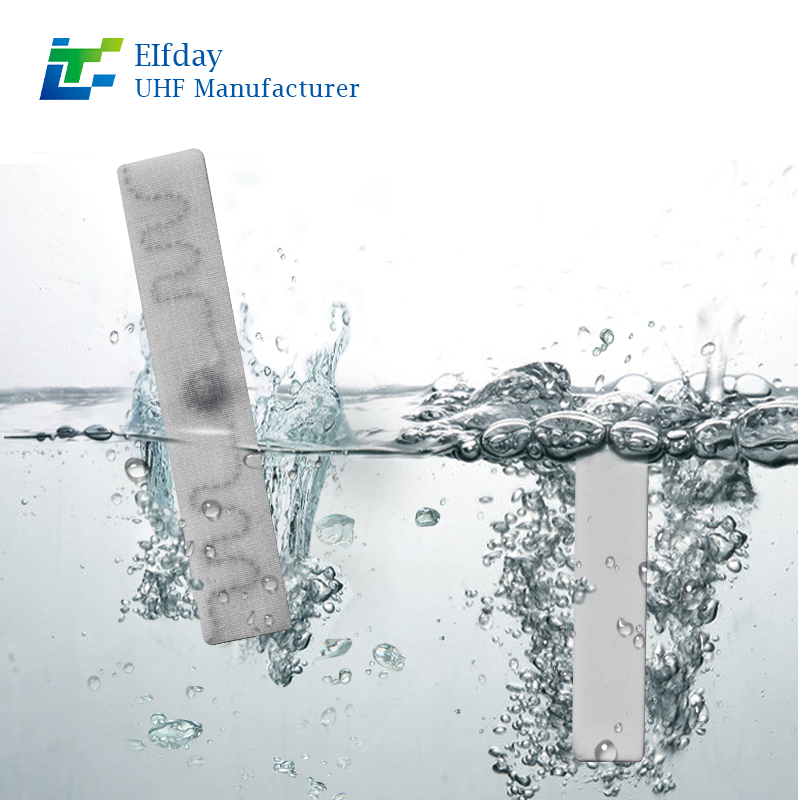
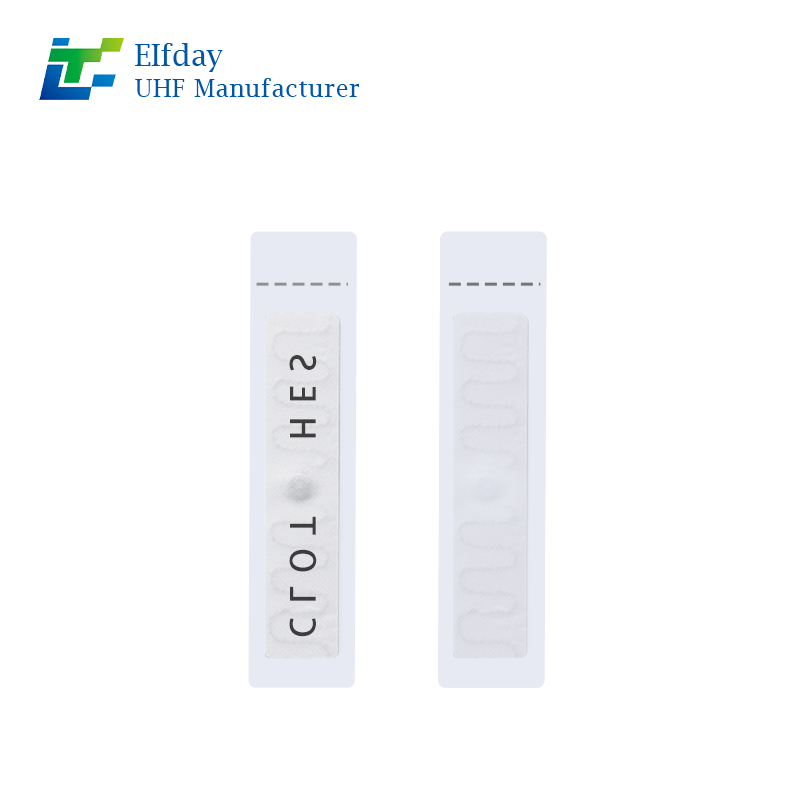
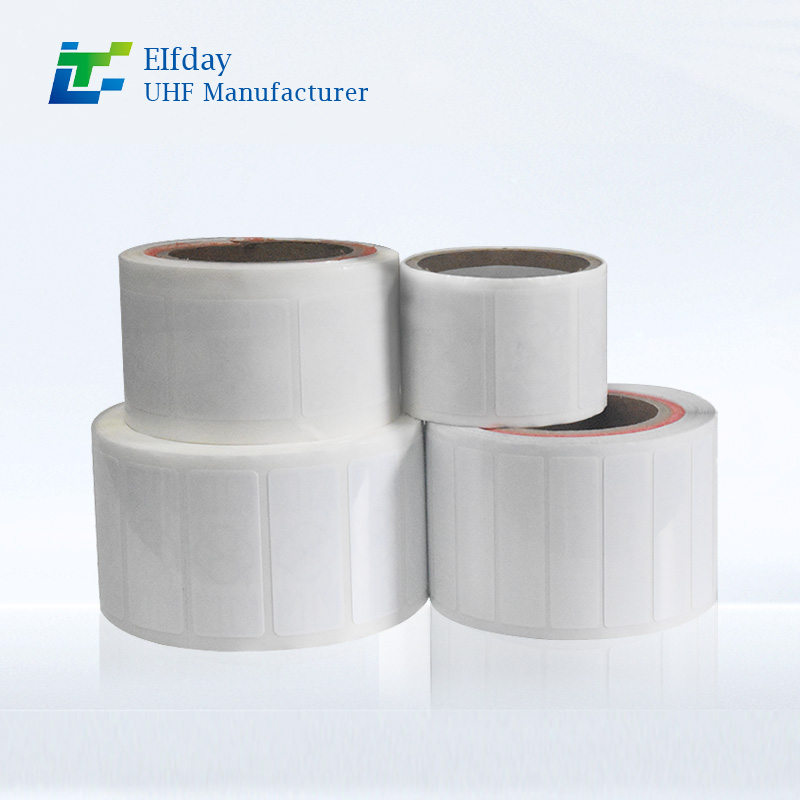
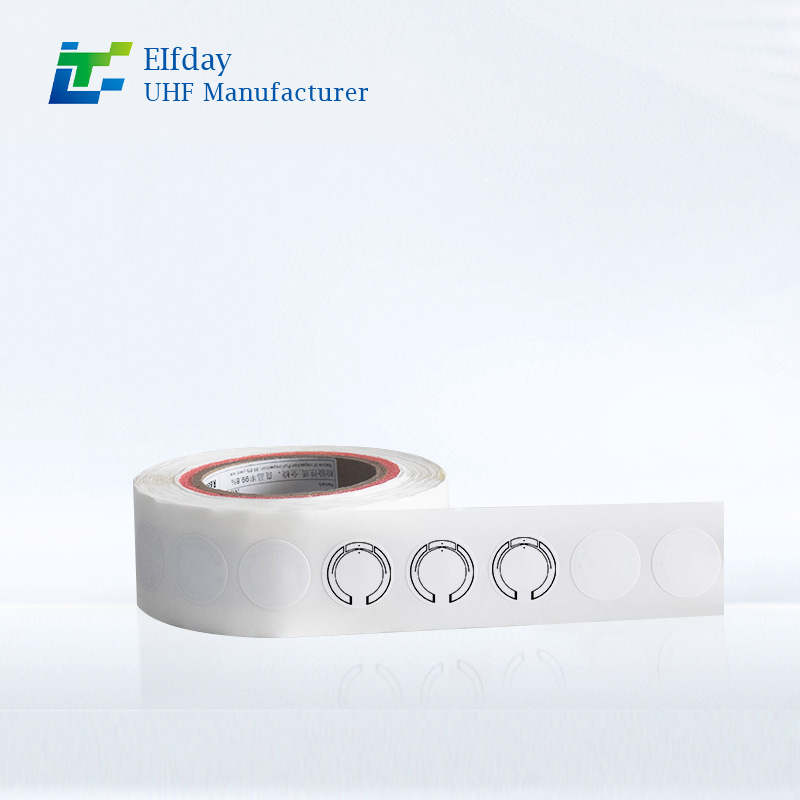
Runners sweat. Rain falls. Mud splashes. Tags get stepped on, tossed in laundry bags, or left in a hot car. A cheap paper-based HF tag delaminates. A UHF Running Race RFID Tag is usually made of flexible, waterproof vinyl or silicone. Many are encased in durable material that survives washing machines, puddles, and repeated impacts.
Some race directors reuse UHF tags for multiple events. That’s a huge operational win. You simply reprogram the tag ID for the next race. No need to buy thousands of new tags every weekend.
No Battery, No Maintenance
Active RFID tags (with batteries) offer long range but die halfway through an ultramarathon. Passive UHF tags have no battery. They harvest energy from the reader’s signal. A quality Running Race RFID Tag lasts forever—or at least through hundreds of races. You never worry about replacing coin cells or disposing of hazardous waste. Just attach, run, and return (if it’s a rental model).
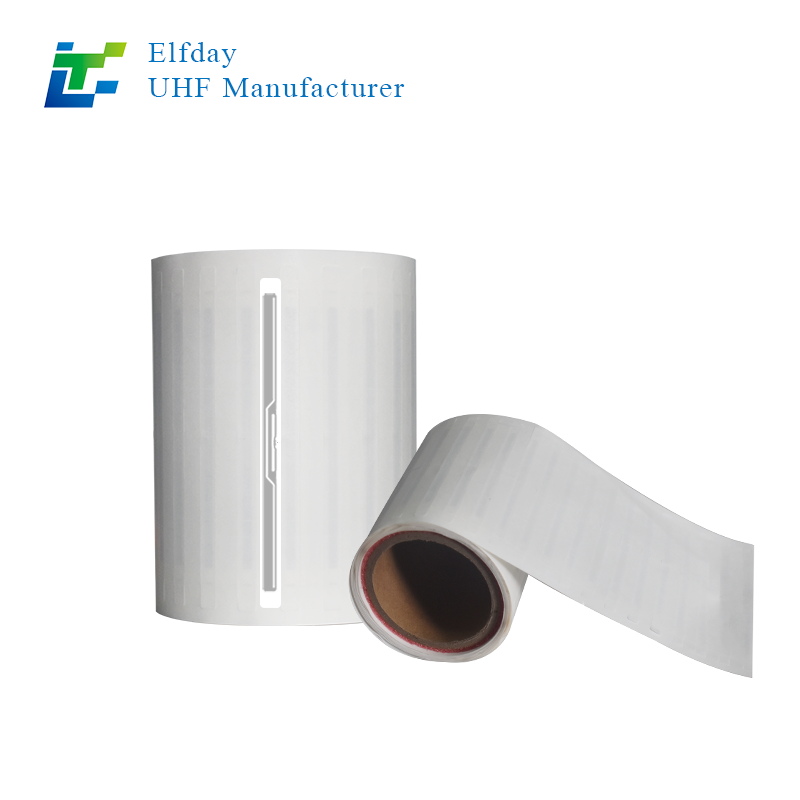
Seamless Integration with Timing Software
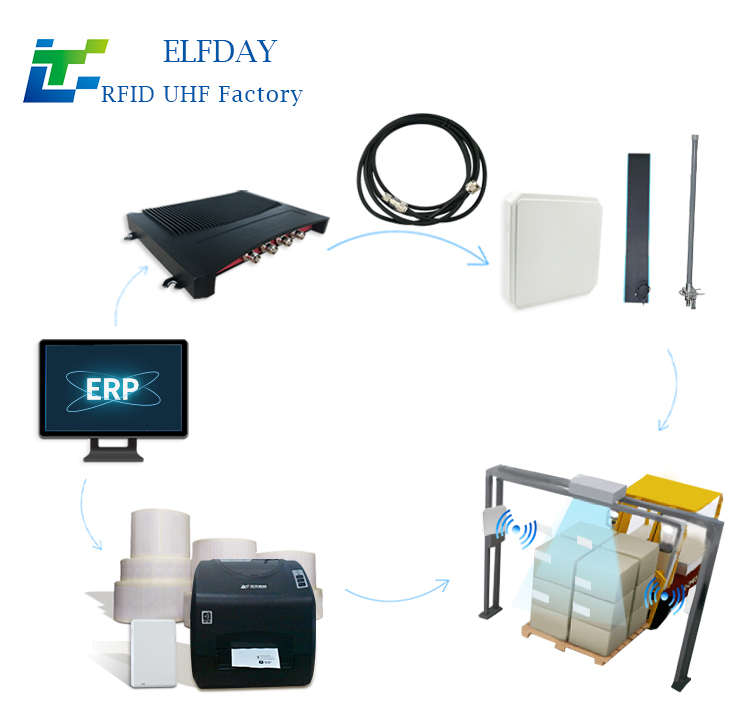
The industry’s leading race timing platforms—like Race Result, ChronoTrack, and MyLaps—natively support UHF protocols. You don’t need custom middleware. A standard UHF Running Race RFID Tag outputs a simple EPC number that maps directly to a bib number. This means real-time leaderboards, live splits, and automatic results posting to social media.
And because UHF is an open global standard (ISO 18000-6C), you’re never locked into a single vendor. You can buy tags from one supplier, readers from another, and software from a third. Try that with proprietary HF systems.
Why Event Organizers Make the Switch
Let’s be honest: your runners don’t care about technology. They care about accurate results. A missed time or a wrong placement destroys trust in your event. Once you lose that trust, registrations drop.
By choosing a UHF Running Race RFID Tag, you eliminate the most common failure points. Short read range? Gone. Slow bulk reading? Gone. Tags failing in rain? Gone. You deliver a flawless experience from the starting gun to the final results post.
And here’s the business side: UHF tags cost roughly the same as HF tags today—sometimes even less because of mass production. You get superior performance without paying a premium. That’s why every major marathon from Boston to Berlin has moved to UHF for their primary timing system.
What to Look for in a Running Race RFID Tag
Not all UHF tags are equal. For race use, you want:
Flexible, waterproof construction (vinyl or silicone)
Pre-encoded with a unique TID or EPC
Compatible with your existing UHF readers (e.g., Impinj, Zebra)
A read range of at least 3 meters on-body
Resistance to sweat, detergent, and UV light
Avoid cheap “warehouse” tags designed for cardboard boxes. They won’t survive a runner’s ankle. Ask for sample tags and test them in real conditions—wet, crowded, and fast.
The Bottom Line
The industry didn’t pick UHF by accident. It earned the title through years of proving itself on the toughest race courses in the world. A UHF Running Race RFID Tag gives you longer range, faster reads, brutal durability, and zero battery hassles. It’s the reason your finish line results come out seconds after the last runner crosses.
So if you’re planning your next 5K, marathon, or obstacle race, do yourself a favor: skip the old HF stickers and go with the industry standard. Your runners will thank you—even if they never know why the results were so perfect.
Ready to upgrade your race timing? Choose a proven UHF Running Race RFID Tag solution today and never worry about missed reads again.