








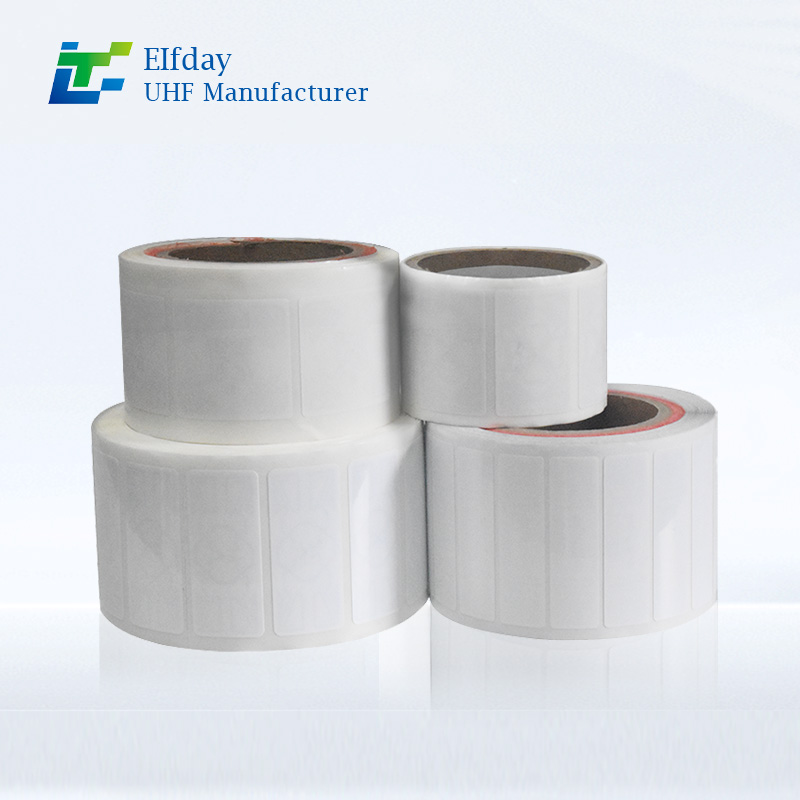
How Running Race RFID Tag Read Range Affects Race Accuracy?
You’ve trained for months. You cross the finish line, chest heaving, and glance at the clock. But when results are posted, your time is off by four seconds. Or worse – you’re not even listed.
That frustration happens more often than race directors like to admit. And the culprit is almost always one thing: read range.
The Running Race RFID Tag you choose – specifically, how far it can be reliably read – directly determines whether every single runner gets an accurate time. Let me show you why read range matters more than any other spec on the datasheet.
The Invisible Problem at the Finish Line
Here’s what most people don’t realize. A RFID reader doesn’t “see” a tag continuously. It sends out a signal, the tag wakes up and responds, and that exchange takes milliseconds. If the tag isn’t inside the reader’s effective zone at that exact moment, you get a missed read.
Now imagine 500 runners approaching a finish mat. Their tags are on shoelaces, ankle straps, or bibs. Each runner’s body blocks the signal differently. Some tags face sideways. Some are covered by wet clothing.
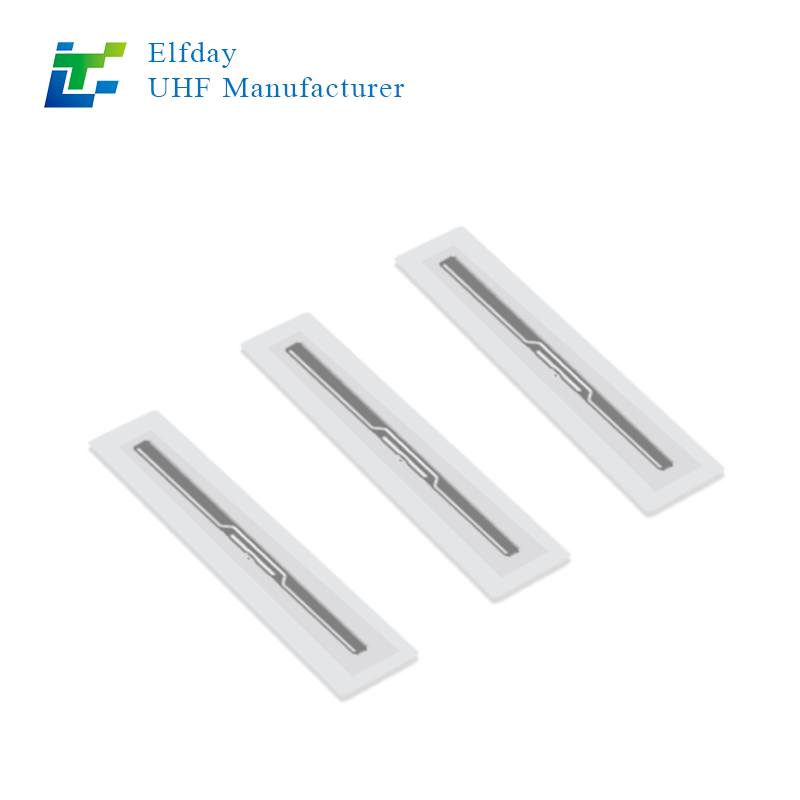
A short-range Running Race RFID Tag – say, one that only works within 30 centimeters – requires perfect alignment. One rotated ankle strap, one sweaty shirt, and that runner vanishes from your results. You’re left guessing. Manual backup cameras? Good luck syncing video with 5,000 finish line frames.
Why Longer Read Range Equals Fewer Mistakes
A quality UHF Running Race RFID Tag offers a read range of 3 to 6 meters (10 to 20 feet). That doesn’t mean you put antennas a mile away. It means you have a buffer zone.
Think of it like a net. A short-range tag gives you a tiny net – if the runner steps one inch outside, you miss them. A long-range tag gives you a huge net. Even if the runner crosses slightly wide, or their tag flips backward, or another runner blocks the signal, the reader still captures the ID.
In real races, this buffer eliminates almost all “ghost” runners and unrecorded finishers. Events using long-range Running Race RFID Tag systems routinely report 99.9% read accuracy. Short-range systems? Often 95% or less. That missing 5% could be 50 people in a 1,000-runner race.
The Antenna Placement Advantage
Short read range forces you to put antennas exactly where every runner must step – usually a narrow mat at the finish line. But runners don’t all hit the same spot. Some veer left to grab water. Others slow down early. Kids zigzag.
With a longer read range, you can place antennas overhead, on both sides of the chute, and even before the finish line. The Running Race RFID Tag gets picked up multiple times: once at 5 meters out, again at 3 meters, and finally at the line. That triple-read ensures your system has multiple chances to log the tag.
Race directors who switch from HF to UHF often tell me the same thing: “We stopped spending hours manually fixing results.” That’s the read range difference.
Crowded Starts and Packed Finishes
Mass starts are a nightmare for short-range systems. Runners are shoulder-to-shoulder, often three to five people deep. Each body absorbs RFID signal. A short-range tag might only work when the runner is the first row, directly over the mat. Everyone behind them gets partial reads or none at all.
A long-range Running Race RFID Tag cuts through that. UHF signals can read through multiple layers of runners. The reader doesn’t need line-of-sight. As long as the tag is within the zone – even if blocked by three other runners – the signal bounces and still gets through.
That’s why large marathons, triathlons, and obstacle course races all use long-range UHF tags. They’ve tried the alternatives and learned the hard way: short read range destroys accuracy in dense packs.
What Happens When Read Range Is Too Short
Let me paint you a scenario. You’re using a cheap Running Race RFID Tag with a stated range of 40 cm. On a test bench, alone, it works fine. But on race day:
Runner 237 has a metal anklet from a previous race. Signal drops to 20 cm. Missed.
Runner 891 steps on the edge of the mat because she’s passing someone. Missed.
It starts raining. Water absorbs HF signals. Half the tags fail.
Now you have 47 missed reads. Runners complain on social media. Some demand refunds. A few never register for your event again.
And here’s the hidden cost: you spend four hours manually matching video timestamps to bib numbers. Your volunteer team is exhausted. Your reputation takes a hit.
All because someone wanted to save a few cents per tag on read range.
Read Range Consistency vs. Maximum Range
One more thing manufacturers won’t tell you. Some tags advertise “up to 8 meters” but only in perfect conditions – tag facing forward, no interference, dry air. Put that same tag on a moving runner’s shoe, and real-world range might drop to 1 meter.
A professional-grade Running Race RFID Tag has consistent range across different orientations, materials, and environments. Look for tags tested on human bodies, with sweat and movement. The best ones maintain at least 3 meters of reliable read range no matter how the runner wears them.
That consistency means your finish line software never has to guess. Every crossing generates a clean, timestamped read. No gaps. No manual fixes.
How Read Range Affects Split Timing
It’s not just the finish line. Intermediate checkpoints – 5K, 10K, halfway – also need accuracy. Short-range tags require runners to slow down or step on specific mats. In a competitive race, runners won’t do that. They cut corners, run wide, and avoid mats to save seconds.
Long-range Running Race RFID Tag readers can be placed on poles, overhead gantries, or even roadside cones. Runners don’t have to change their line. They don’t even know they’ve been read. That means accurate split times for every participant without affecting their race strategy.
For events with age-group awards or qualifying standards, those split times are non-negotiable. One missed split can disqualify a runner from a championship race.
The Bottom Line on Accuracy
Here’s the simple truth: read range is not a “nice to have.” It is the single biggest factor in whether your race results are trustworthy.
A Running Race RFID Tag with short range will fail you exactly when you need it most – in the chaos of a real race with real runners, real weather, and real crowds. A tag with long, consistent range gives you peace of mind. You post results instantly. Runners trust you. Registrations grow.
If you’re planning an event or upgrading your timing gear, don’t ask “What’s the cheapest tag?” Ask “What’s the read range on a live runner?” Then double it for safety.
Because at the end of the day, race accuracy isn’t about technology. It’s about respect for every runner who pinned on a bib and gave their best. Give them the accuracy they deserve – starting with the right Running Race RFID Tag.
Next step? Test a long-range UHF tag at your next small race. Compare missed reads against your old system. You’ll never go back.