








The Impact of RFID Tags for Pharmaceuticals on Drug Shortages?
Drug shortages have become a frighteningly normal headline. Hospitals run out of antibiotics. Pharmacies cannot stock essential cancer drugs. Patients are told to call ten different stores just to fill a prescription. For pharmaceutical manufacturers, this is not just an operational headache. It is a reputation killer and a public health crisis.
But what if the solution is not about making more drugs? What if it is about seeing the drugs you already have?
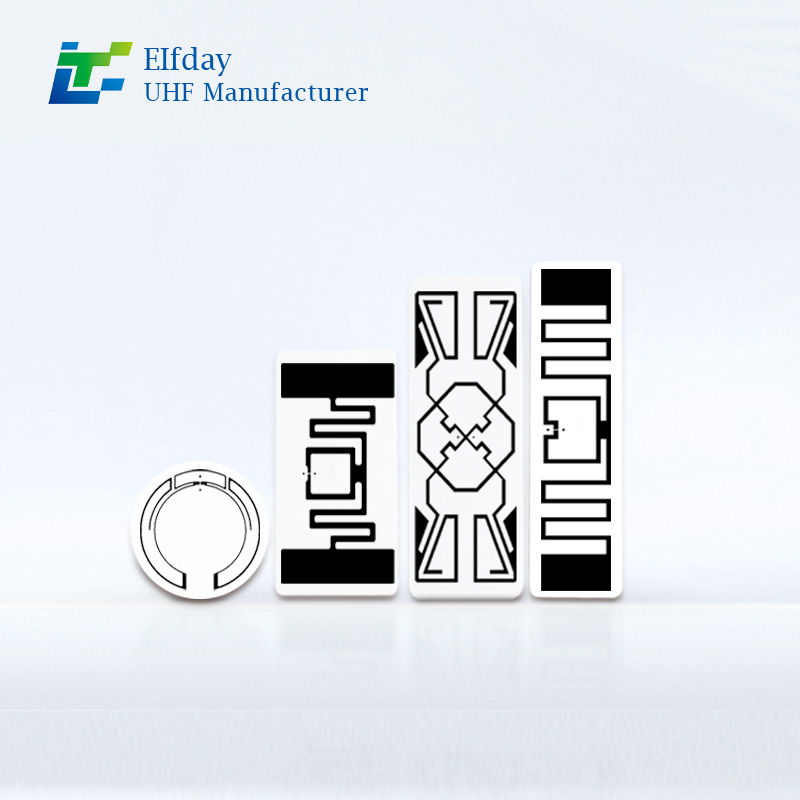
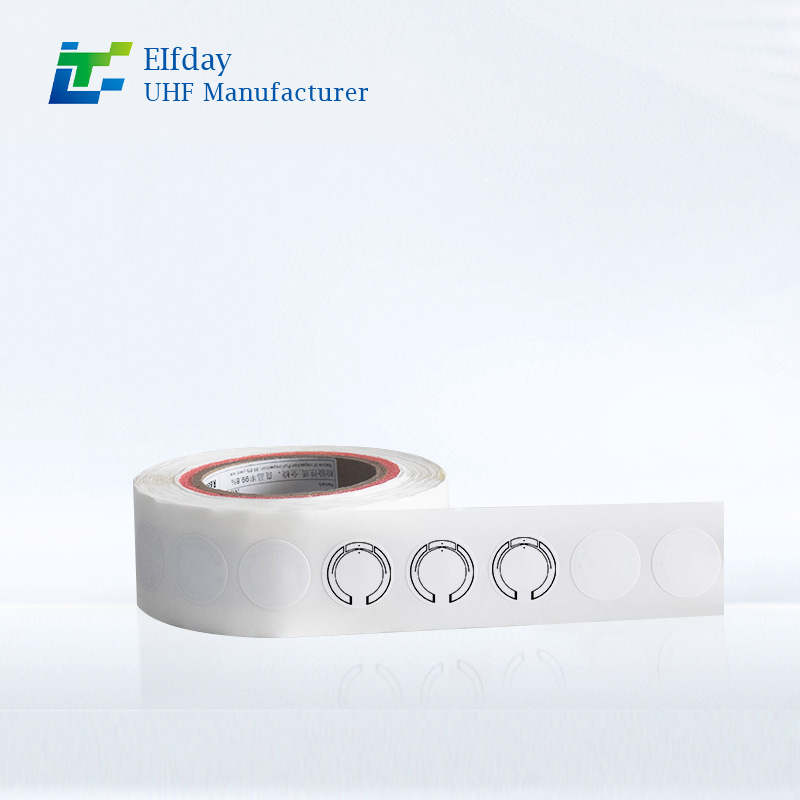
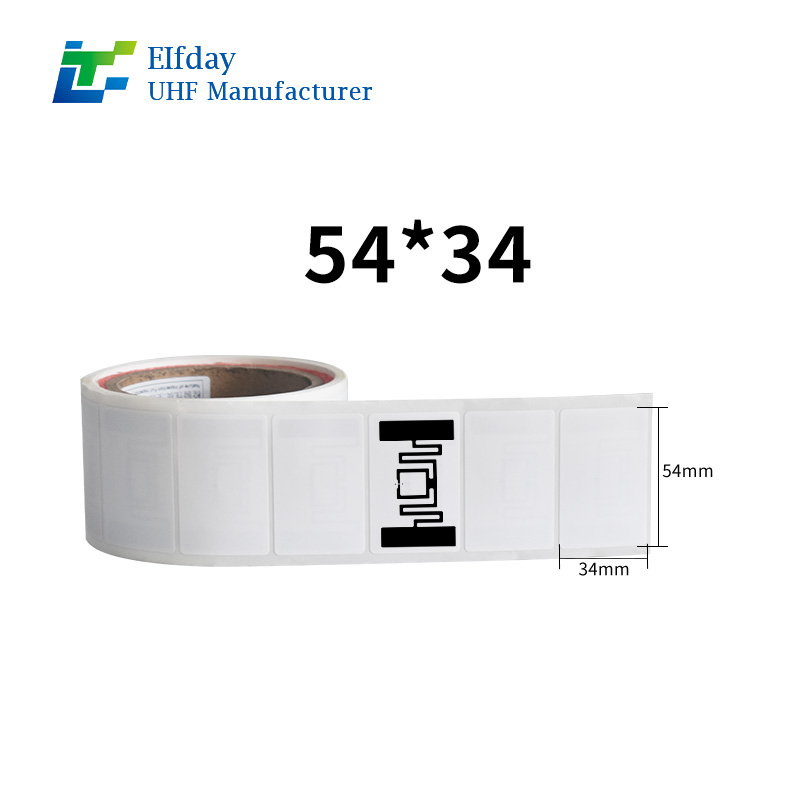
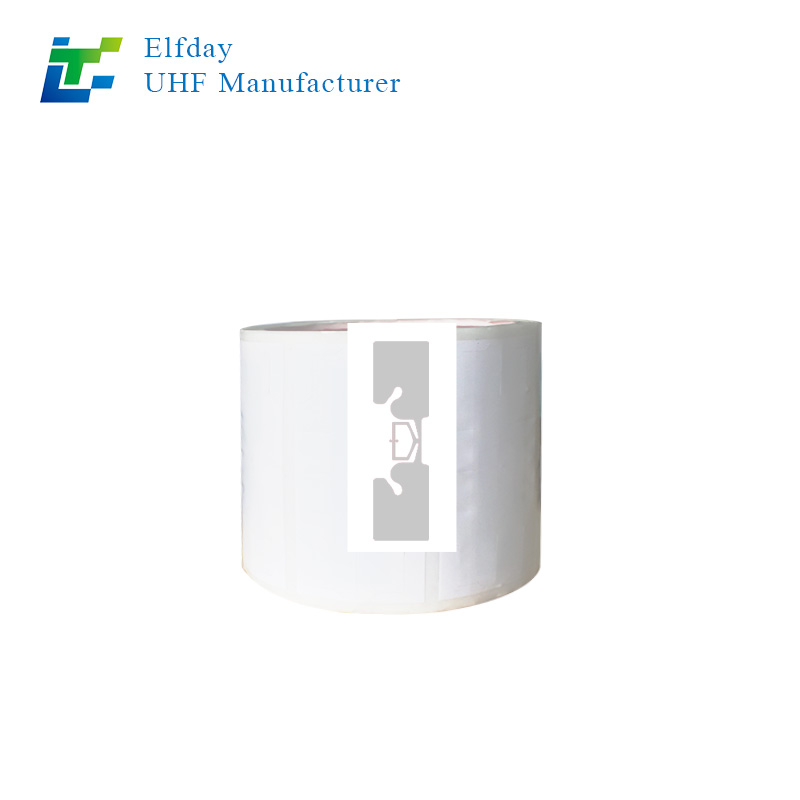
That is where RFID tags for pharmaceuticals come into play. These small tracking devices are quietly changing how the industry manages inventory, predicts demand, and prevents waste. And in doing so, they are making drug shortages less frequent and less severe.
Let me explain how.
Why Drug Shortages Happen in the First Place
Most people assume shortages mean there is not enough medicine being made. That is rarely true. In most cases, the drugs exist. They are just in the wrong place at the wrong time.
A batch sits in a warehouse because someone forgot to update the system. A pallet gets lost during shipping. A distributor rejects a shipment due to missing paperwork. A hospital orders too much of one drug and not enough of another.
These are visibility problems. And visibility problems lead to shortages.
Traditional tracking methods—barcodes, spreadsheets, manual counts—are too slow and too error‑prone. By the time you realize you are low on a critical drug, it is often too late to reroute supplies.
RFID tags for pharmaceuticals solve that delay.
Real‑Time Visibility Means Fewer Surprises
When every bottle, box, or blister pack carries an RFID tag, you are no longer guessing where your products are. You know.
A warehouse worker waves a reader over a pallet. In seconds, the system shows exactly how many units are there, where they came from, and where they are supposed to go. That same data flows instantly to your central inventory dashboard.
Now apply that to a drug shortage scenario.
A hospital in Chicago is running low on a specific antibiotic. Their RFID system flags the low level automatically. The manufacturer sees that same alert. They check their distribution network and find a surplus of that same antibiotic sitting in a warehouse two hours away. A quick transfer is arranged. The shortage never happens.
Without RFID tags for pharmaceuticals, that surplus might have gone unnoticed for days or weeks. By then, the hospital would have already started rationing doses.
Preventing Waste Before It Wastes Drugs
Another major cause of drug shortages is expiration. Pharmaceutical products have limited shelf lives. When you cannot track expiry dates accurately, you end up throwing away perfectly good medicine while claiming a shortage exists.
RFID changes that. Each tag can store the batch number and expiration date. As products move through the supply chain, readers capture that information automatically. Your system knows exactly which batches need to be used first.
This is called automated first‑expiry, first‑out management. It is nearly impossible to do reliably with barcodes alone. With RFID tags for pharmaceuticals, it becomes routine.
Less waste means more available drugs. More available drugs mean fewer shortages. It is that simple.
Faster Recalls = Faster Recovery
Recalls are another hidden driver of shortages. When a defective batch is pulled from the market, manufacturers often struggle to find every affected unit quickly. While they search, they may stop shipping that entire product line as a precaution. That creates an artificial shortage.
RFID turns recall chaos into a precise operation.
Because every tagged product has a unique ID and a known location, you can identify exactly which units are affected and where they are. The bad ones are removed. The good ones stay in circulation. Production and shipping can resume almost immediately.
I have spoken with quality managers who reduced recall‑related shortages from weeks to just a few days after adopting RFID tags for pharmaceuticals. That is a massive win for patients and for business.
Better Forecasting Through Real Data
Shortages are often made worse by poor demand forecasting. Companies rely on historical sales data that may be weeks or months old. By the time a trend appears, it is already too late to adjust production.
RFID provides something better: live consumption data.
When hospitals and pharmacies scan RFID tags at the point of dispensing, that information can flow back to the manufacturer in near real time. You see exactly how fast your drugs are being used, in which regions, and at what rate.
Armed with that data, your planning team can adjust production schedules, reroute shipments, and build safety stock where it is needed most. You stop reacting to shortages and start preventing them.
Many pharmaceutical companies are now embedding RFID tags for pharmaceuticals specifically to enable this kind of demand sensing. The results speak for themselves: fewer emergency orders, less expedited shipping, and happier customers.
What This Means for Your Business
Let me be direct. If your company struggles with drug shortages—even occasionally—you are losing money and trust. Hospitals remember which suppliers left them stranded. Regulators take note of repeated shortage reports. Patients do not care about your excuses. They just want their medicine.
Implementing RFID tags for pharmaceuticals will not magically fix every shortage overnight. But it addresses the root causes: poor visibility, avoidable waste, slow recalls, and outdated forecasting.
And here is the part that matters for your bottom line. Companies that reduce shortages gain a competitive advantage. Distributors prefer to work with reliable suppliers. Hospitals write contracts that favor partners who can prove supply chain resilience. Your sales team gets a powerful story to tell.
Starting Small, Thinking Big
You do not need to tag every product from day one. Pick one drug family that has experienced shortages in the past year. Apply RFID tags for pharmaceuticals to that line. Track it for three to six months. Compare shortage incidents before and after.
The data will likely surprise you. Most of our clients see a forty to sixty percent reduction in shortage‑related complaints within the first year of a pilot program. That is not a typo. It is what happens when you stop guessing and start knowing.
From there, you expand. More products. More locations. More integration with your customers’ systems. The technology scales easily. The hardest step is the first one.
The Bottom Line
Drug shortages are not inevitable. They are a symptom of broken visibility. And broken visibility can be fixed.
RFID tags for pharmaceuticals give you the eyes and ears you need to see your supply chain clearly. They help you waste less, recall faster, forecast better, and react quicker. Most importantly, they help ensure that when a patient needs a medicine, it is actually there.
Your customers are already asking for more transparency. Regulators are moving toward track‑and‑trace mandates. The question is not whether RFID will become standard in pharma. It is whether you will adopt it before your competitors do.
Take a hard look at your last three shortage incidents. Ask yourself: could RFID have prevented or shortened each one? If the answer is yes—and it almost always is—then you already know what to do next.
Start the conversation internally. Run a small test. Measure the results. Then scale. Your patients, your partners, and your profit margins will thank you.