








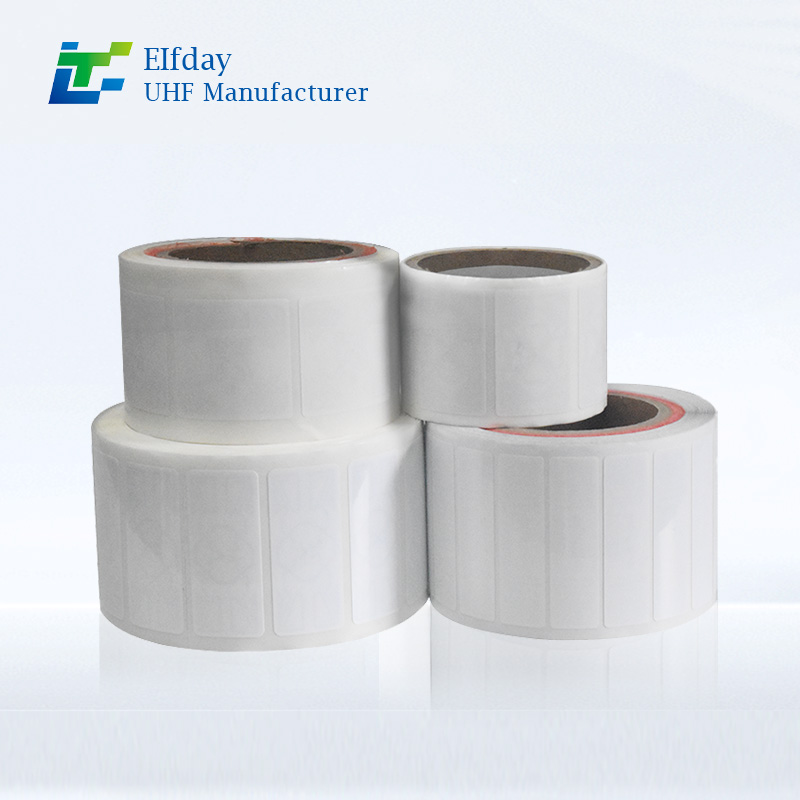
Why Leading Pharma Companies Are Switching to RFID Tags for Pharmaceutical Tracking
If you work in the pharmaceutical supply chain, you already know the pressure is real. Regulators want end‑to‑end visibility. Patients expect safe, genuine drugs. And your operations team just wants a system that doesn’t fail at the worst possible moment.
That’s exactly why more and more top pharma companies are moving away from old‑school barcodes and manual checks. They’re adopting RFID tags for pharmaceutical tracking – not as a pilot, but as a core part of their daily operations.
You might be wondering: what’s driving that shift? Is it just about compliance, or is there real, hard‑nosed business value behind it?
Let’s walk through the reasons – and why you should probably be looking at this technology right now.
The old way is breaking under new demands
Barcodes worked fine twenty years ago. You scan each bottle, each box, each pallet one by one. It takes time, but it gets the job done.
Today, that approach is a liability. Drug volumes have exploded. Supply chains stretch across continents. And a single misread barcode can mean a delayed shipment, an expired batch, or – in the worst case – a counterfeit product reaching a patient.
Leading pharma companies realized that barcodes have two fatal flaws. First, you need a direct line of sight. Second, you can only read one at a time. In a busy distribution centre or a hospital pharmacy, that creates bottlenecks and blind spots.
RFID tags for pharmaceutical tracking solve both problems instantly. A reader can scan hundreds of tags in a fraction of a second, without even “seeing” them. That means you can roll a whole pallet past a gateway and know exactly what’s inside – every vial, every serial number, every status update.
Compliance is the trigger, but not the whole story
Nobody wakes up excited about DSCSA or FDA serialisation rules. But ignoring them isn’t an option. The deadlines are real, and the penalties for non‑compliance hurt.
What smart pharma companies have figured out is that RFID tags for pharmaceutical tracking don’t just check the compliance box – they make compliance almost automatic. Instead of hiring more people to scan barcodes and reconcile data, you set up RFID portals at key points in your workflow. The system records every movement, every handoff, every temperature excursion (if you’re using sensor‑enabled tags) without anyone lifting a finger.
That’s why you see major players moving beyond “minimum viable compliance”. They’re using RFID to turn a regulatory burden into a competitive advantage. When an auditor asks for proof of serialisation from manufacturer to dispenser, they don’t scramble for paper records. They pull a real‑time traceability report from their RFID system.
Patient safety drives the real urgency
Here’s something you don’t hear enough in supply chain discussions: medication errors kill people. Wrong drug, wrong dose, wrong patient – or counterfeit medicine that looks real but has no active ingredient.
RFID doesn’t just track products; it protects patients. Each RFID tag for pharmaceutical tracking carries a unique identifier that’s nearly impossible to clone. When a nurse scans a vial at the bedside, the system can instantly verify not only the drug name but also the expiry date, the lot number, and whether that specific unit was ever recalled.
Leading hospitals and pharma companies are already deploying this at scale. They’ve seen how RFID reduces dispensing errors by over 50% in some studies. For a compliance officer or a patient safety director, that’s not a nice‑to‑have. It’s a moral and professional imperative.
The operational savings nobody talks about (until now)
Let’s be practical. You have budgets to meet. Your CFO doesn’t care about “innovation” – they care about cost per dose and inventory write‑offs.
Here’s what the data shows (without throwing numbers at you): companies that switch to RFID tags for pharmaceutical tracking consistently cut three huge costs.
First, they reduce drug waste. Drugs expire sitting on a back shelf because nobody knew they were there. With RFID, you have real‑time visibility of every item, so you can rotate stock properly and use what’s expiring soon.
Second, they slash labour hours. Instead of a team doing nightly cycle counts with handheld scanners, a fixed RFID reader does the same job in minutes. Those people can move to higher‑value tasks – like patient care or exception management.
Third, they stop paying for “lost” inventory. In a busy pharmacy or warehouse, drugs get misplaced. They sit in the wrong bin, behind a pallet, or in a returns area. Without accurate tracking, you eventually write them off and buy replacements. RFID shows you exactly where everything is, so “lost” inventory magically reappears.
Cold chain and high‑value drugs: a perfect match
If you handle biologics, vaccines, or any temperature‑sensitive product, you know the nightmare of a broken cold chain. A shipment arrives, and you have no idea if it stayed within range. You either throw away expensive medicine or take a risk.
Specialised RFID tags for pharmaceutical tracking come with built‑in temperature sensors. They record not just location but also thermal history. The moment a cold chain breach happens, the tag stores that data. When the shipment arrives, you know instantly which units are safe and which need to be discarded.
For high‑value oncology drugs or gene therapies – where a single vial can cost more than a car – this is transformative. You stop guessing. You stop wasting. You start shipping with confidence.
Why the switch is happening now, not later
You might think: “This sounds great, but isn’t RFID expensive? Isn’t it complicated to implement?”
A few years ago, that was true. Early RFID systems required massive upfront investment, custom engineering, and a team of specialists to keep them running.
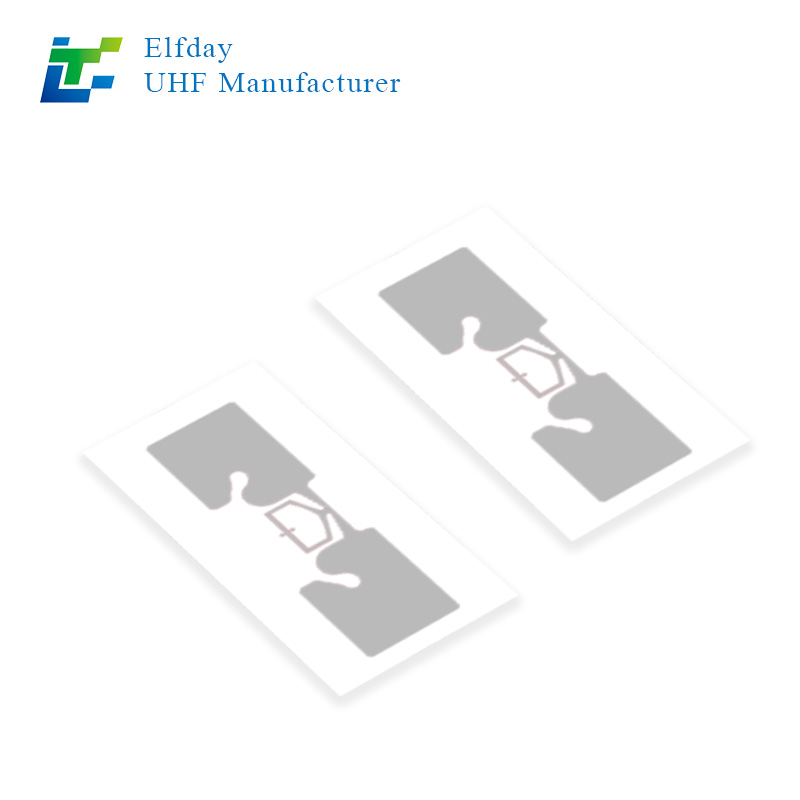
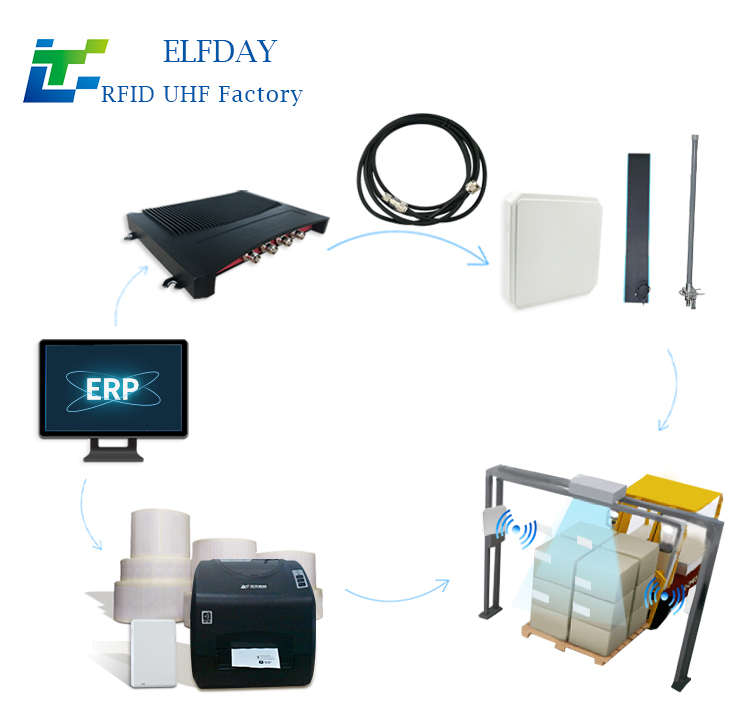
That world is gone. Today’s RFID tags for pharmaceutical tracking are affordable enough to put on a single vial. Readers are plug‑and‑play. Software integrates with your existing ERP or warehouse management system via simple APIs. You can start with one line, one warehouse, one high‑risk product – and expand from there.
Leading pharma companies aren’t waiting because waiting costs more than implementing. Every month you stick with barcodes or manual entry, you lose money to waste, labour, and compliance risk. You also lose the ability to offer customers (hospitals, distributors, patients) the transparency they increasingly demand.
A real‑world look at how it works
Imagine a typical morning at a regional distribution centre. A truck arrives with 200 cartons of a popular diabetes medication. Each carton contains 30 individual pens.
With barcodes, a worker would open each carton, scan each pen (or at least each carton), and manually enter the data. That takes hours. Mistakes happen. By lunchtime, the system still shows “in transit” for half the shipment.
With RFID tags for pharmaceutical tracking, the truck backs into a dock equipped with an RFID portal. As the pallets move through the portal, every single pen – all 6,000 of them – is read automatically in under ten seconds. The system updates inventory, verifies serial numbers against the advance shipping notice, and flags any discrepancy (like a missing or extra carton) before the driver even leaves.
Now take that same technology to the hospital pharmacy. A technician places a tote of returned or expired drugs near an RFID pad. The pad reads every label in seconds, generating a disposal report and automatically adjusting inventory. No manual counting. No spreadsheets. No “I think we have twenty, but let me check.”
That’s why the switch is happening. It’s not magic. It’s just better engineering.
What this means for you
If you’re responsible for pharmaceutical supply chain, compliance, or operations, you have a choice.
You can keep doing what you’ve always done – and accept the growing waste, the constant firefighting, and the nagging fear of a recall or a compliance failure.
Or you can look seriously at RFID tags for pharmaceutical tracking. Not as a science project, but as a practical tool that’s already proven in some of the world’s largest pharma companies, hospital networks, and logistics providers.
The leaders who switched early aren’t looking back. They’re expanding their RFID deployments, training their teams, and reaping the rewards of fewer errors, lower waste, and faster operations.
Next steps (real ones, not fluff)
You don’t need to rip out your whole system tomorrow. Start with one pain point – a product line that frequently expires, a warehouse that loses inventory, a compliance report that takes forever to generate. Run a small pilot with a few hundred tags and a handheld reader. Measure the difference.
Most people who do that never go back. Because once you see a full pallet read in seconds, or discover “lost” inventory worth thousands of dollars hiding in plain sight, you realise the old way was never really working.
So here’s the question: is your company going to be a follower, or one of the leaders? Because the leaders are already switching to RFID tags for pharmaceutical tracking. And they’re not waiting for permission.