








How RFID Tags for Pharmaceutical Tracking Automate Drug Inventory Management
Every pharmacy manager and supply chain director knows the same late‑night feeling. You just finished a manual inventory count. The numbers don’t match. Again. Some drugs are missing. Some are expired. And somewhere in the back of the warehouse, a pallet of expensive medicine has been sitting in the wrong bin for three weeks.
You’re not alone. Manual drug inventory management is slow, error‑prone, and increasingly unable to keep up with modern pharmaceutical volumes. But there’s a reason why so many organisations are changing the way they work. They’re discovering how RFID tags for pharmaceutical tracking can turn a chaotic, labour‑intensive process into something that runs almost by itself.
Let’s walk through exactly how that automation happens – and why it matters for your bottom line and your peace of mind.
The hidden cost of counting by hand
Let’s be honest. Barcode scanning improved things compared to pen and paper, but it didn’t automate anything. A worker still has to pick up each item, find the barcode, aim the scanner, and wait for the beep. Do that for ten thousand vials, and you’ve got hours of labour, tired eyes, and plenty of opportunities for missed scans.
Worse, barcodes only tell you what you deliberately choose to scan. They don’t tell you about the box that fell behind a shelf. They don’t warn you that a batch expired last Tuesday. They don’t raise a hand when a high‑value oncology drug is about to walk out the wrong door.
That’s the real problem: manual inventory management is reactive. You find mistakes after they’ve already cost you money. You discover shortages when a doctor needs a drug right now. You write off expired stock because nobody flagged the date.
What you need is a system that never sleeps, never gets distracted, and never forgets. That’s exactly what RFID tags for pharmaceutical tracking deliver.
How RFID removes the human bottleneck
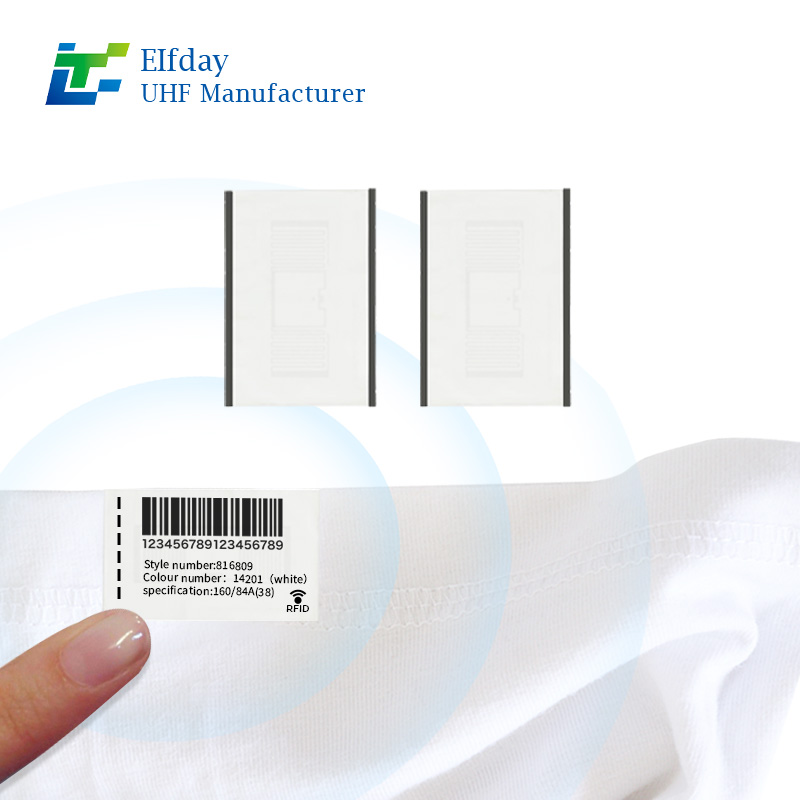
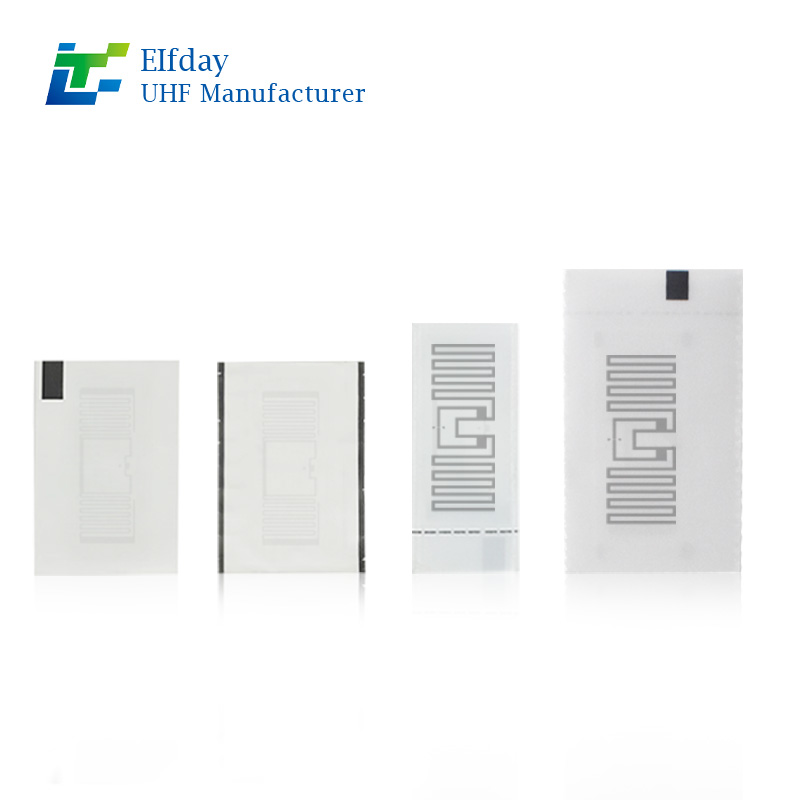
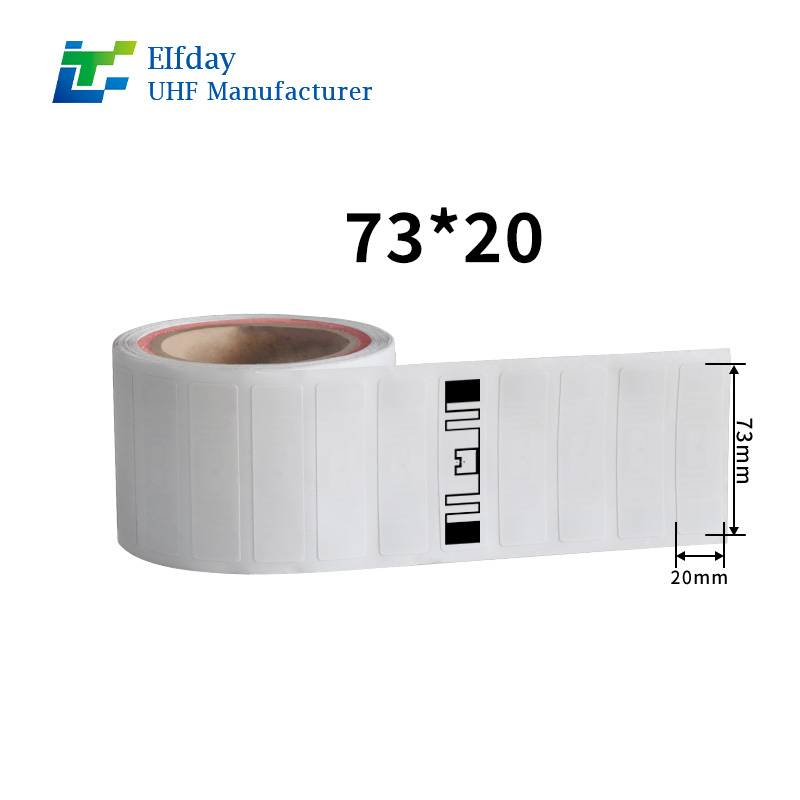
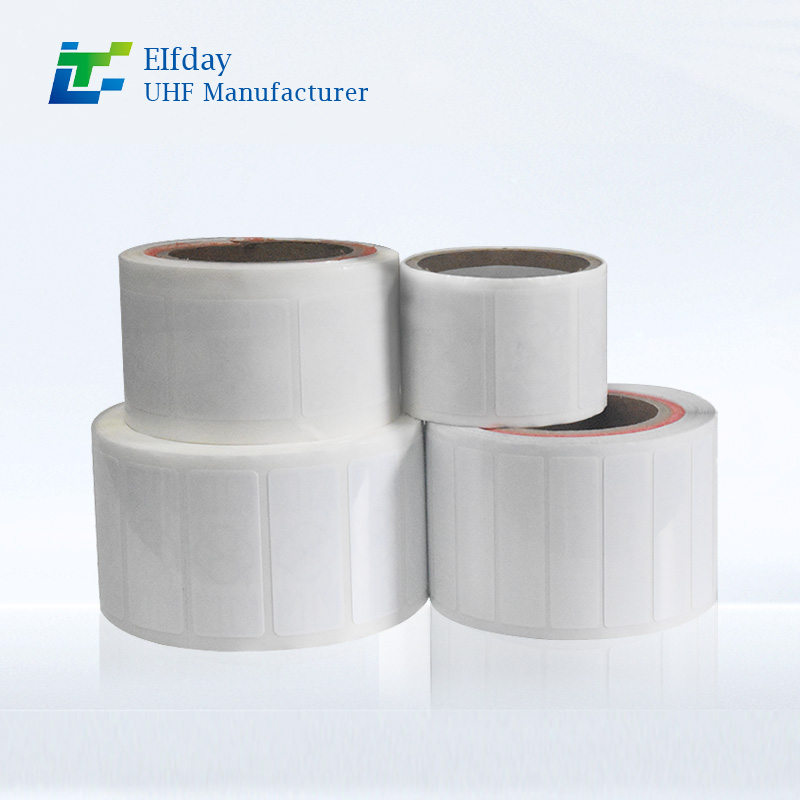
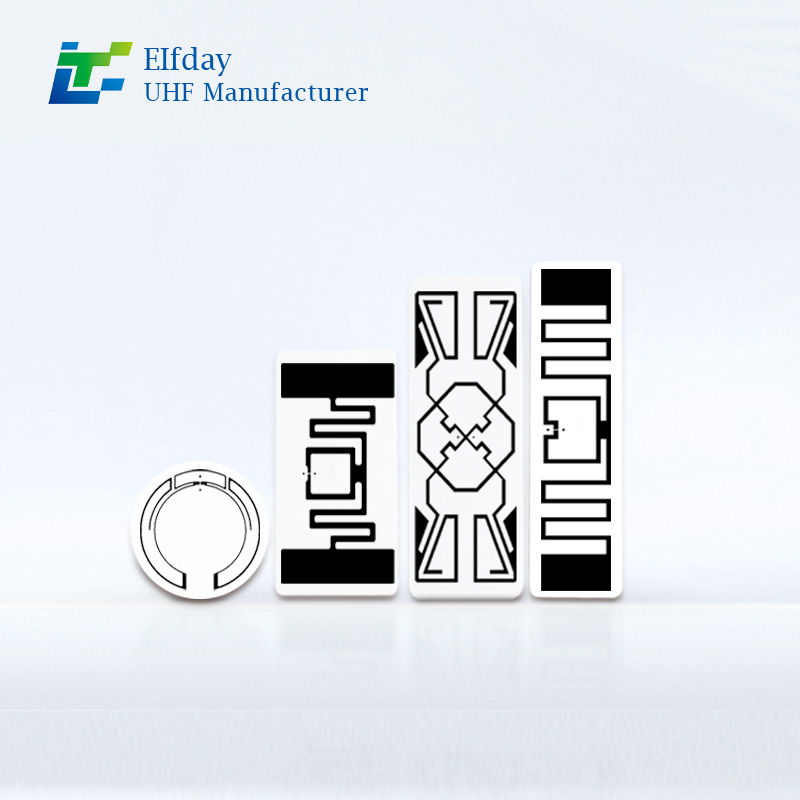
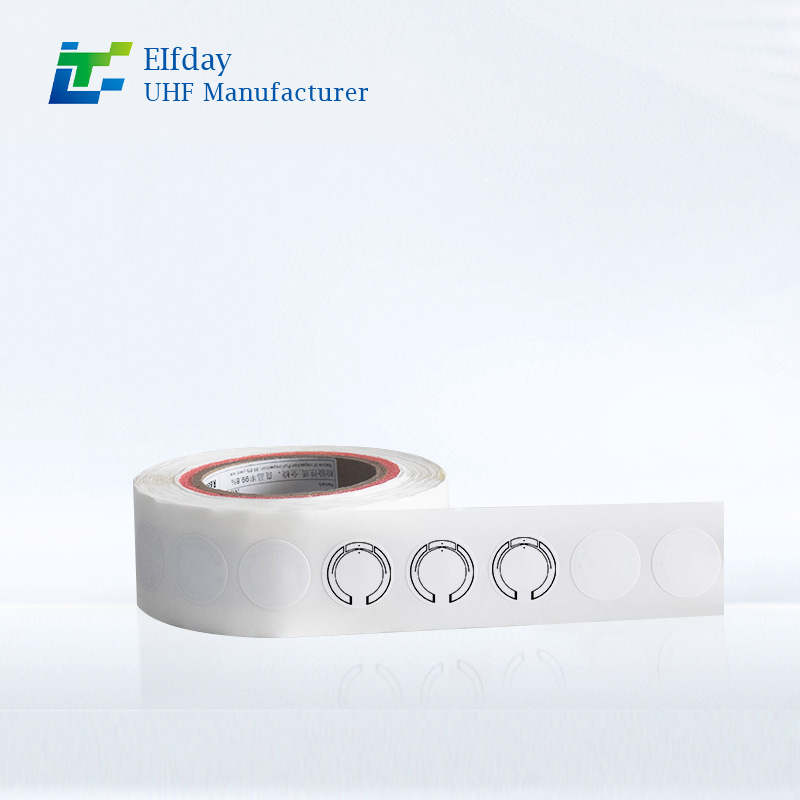
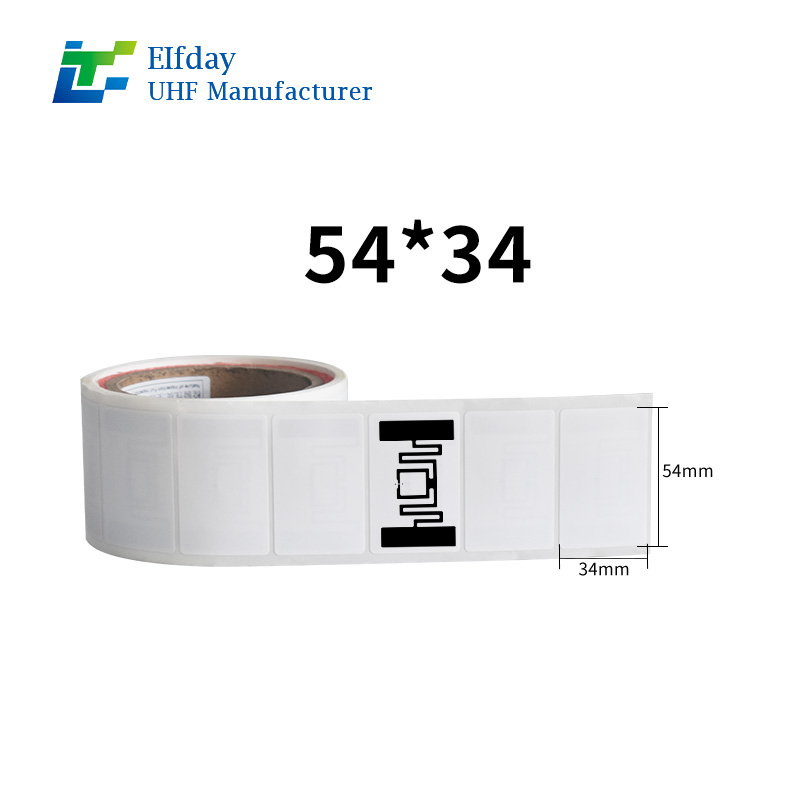
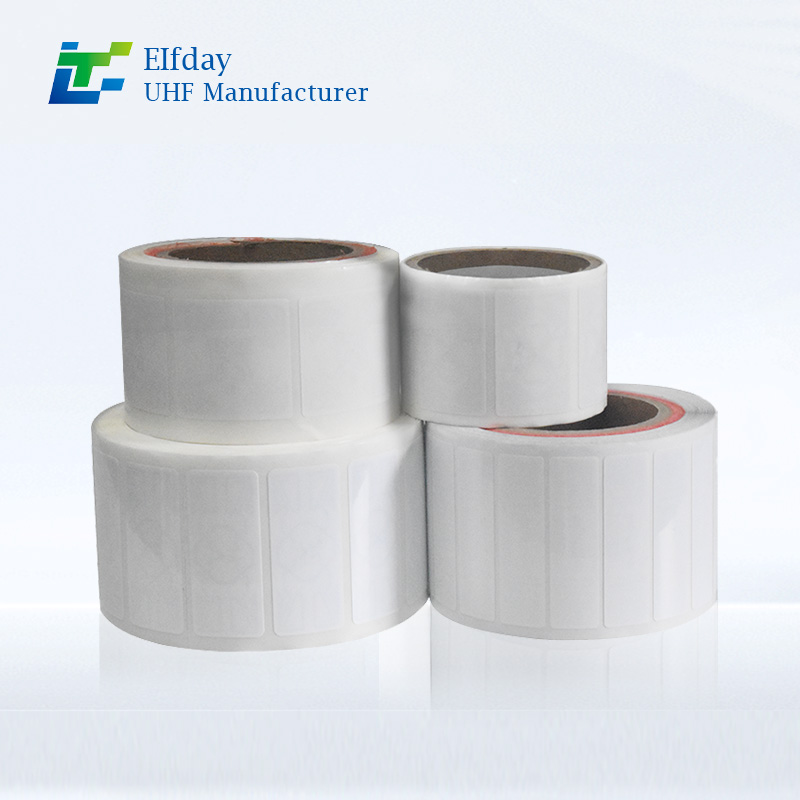
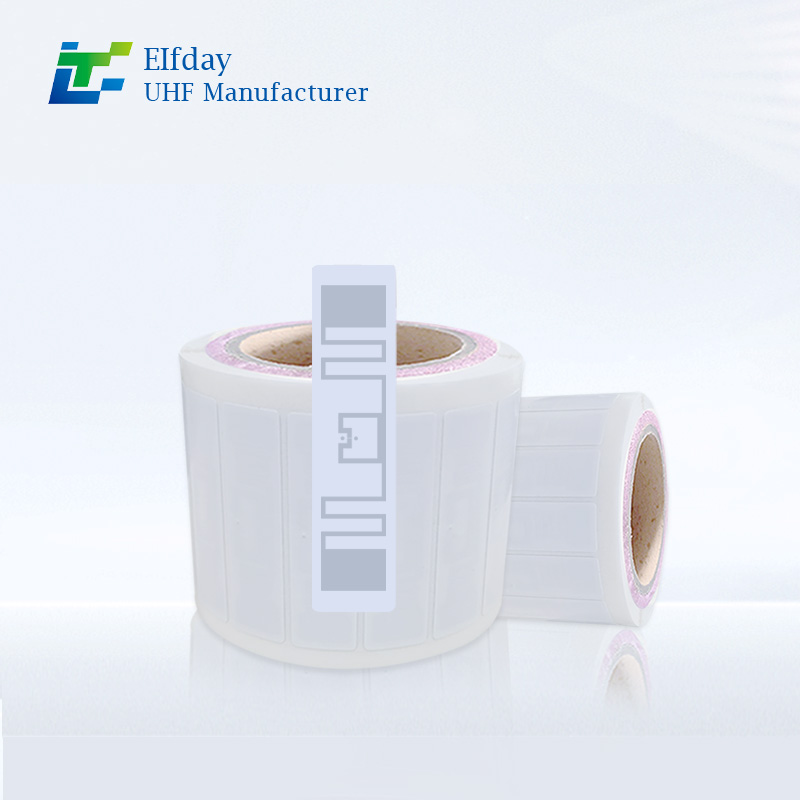
The core idea is surprisingly simple. An RFID tag for pharmaceutical tracking is a tiny microchip with an antenna, attached to each drug unit – whether it’s a single vial, a blister pack, or a whole carton. The tag broadcasts a unique identifier when a reader sends out a radio signal.
Unlike a barcode, you don’t need to line up the tag with the reader. You don’t need line of sight. And you certainly don’t need to scan one item at a time.
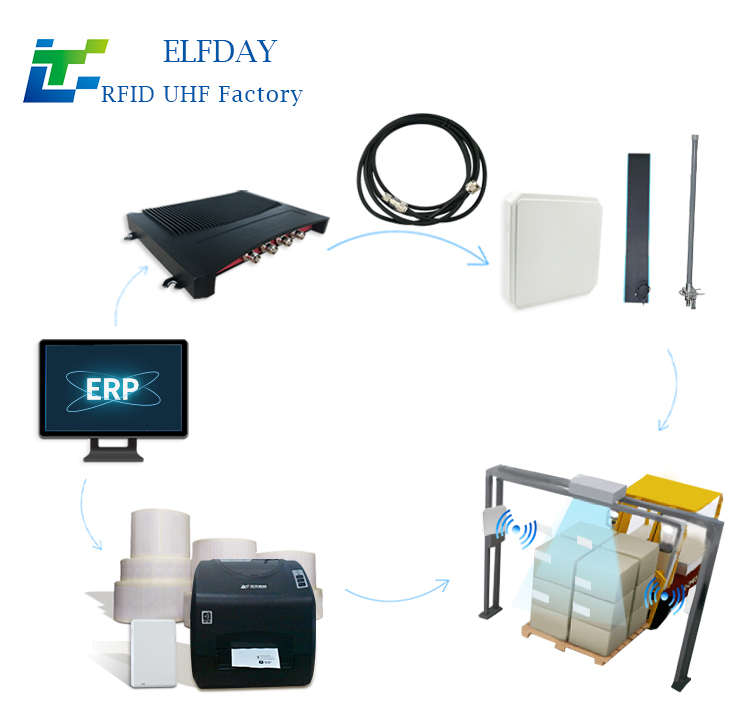
A single RFID reader can capture hundreds of tags per second. Place a reader at a warehouse doorway, and every tagged drug that passes through is automatically logged. Put a reader on a pharmacy shelf, and the system knows the moment a vial is removed – and when it’s put back.
This is automation in its purest form. No human has to wave a scanner. No spreadsheet needs updating. The data flows into your inventory system instantly, accurately, and continuously.
Real‑time visibility without extra work
Imagine what that means for your daily operations.
In a typical hospital pharmacy, a technician used to spend two hours every morning checking which drugs needed reordering. They would walk the aisles, eyeball stock levels, jot down numbers, then type them into a procurement system. By the time the order arrived, half the numbers were already wrong.
With RFID tags for pharmaceutical tracking, that same technician walks through the pharmacy once with a handheld RFID reader – or better yet, fixed readers mounted on shelves do the job automatically. The system compares current counts against reorder points and generates a purchase order without anyone touching a keyboard. The technician simply approves it over coffee.
The same automation applies to receiving. When a shipment arrives, an RFID portal at the dock reads every single item in seconds. The system checks each serial number against the purchase order, flags any discrepancy, and updates your inventory – all before the pallet leaves the loading bay.
That’s not a future fantasy. That’s how leading health systems and pharmaceutical distributors work right now.
Eliminating the “lost inventory” black hole
Every pharmacy has a black hole. It’s that mysterious place where drugs disappear from the system but not from reality. Sometimes they’re in the wrong aisle. Sometimes they’re in a returns bin. Sometimes a nurse borrowed a vial for an emergency and forgot to log it.
With manual tracking, those items are effectively lost. You might reorder something you already have, wasting money. Or you might think you’re out of stock when the drug is actually fifteen feet away.
RFID closes that black hole. Because readers can be placed at key transition points – receiving, storage, dispensing, even patient bedside – the system always knows the last known location of every tagged item. A quick scan of the entire pharmacy takes minutes, not hours, and reveals exactly what’s hiding where.
One large hospital that switched to RFID tags for pharmaceutical tracking discovered nearly ten percent of their high‑value inventory was simply misplaced, not missing. They recovered that stock without buying a single extra vial. That’s automation paying for itself.
Automated expiry management saves more than money
Expired drugs are a quiet crisis. They sit on shelves, invisible to manual counts, until someone finally notices the date. By then, the drug is worthless. Worse, if an expired drug is accidentally dispensed, patient safety is at risk.
Manual expiry tracking relies on someone reading tiny dates on hundreds of packages and taking action weeks in advance. In practice, that rarely happens consistently.
RFID changes the game. Each RFID tag for pharmaceutical tracking can store not just a serial number but also lot number and expiry date. The system automatically flags items that are approaching their expiration – say, sixty days out – and can even generate a report showing exactly where those items are located.
Some advanced setups use RFID to enforce “first‑expiry, first‑out” rotation automatically. When a staff member picks a drug, the system can guide them to the oldest expiring unit first. No extra thinking required. No expensive write‑offs because someone forgot to check a date.
What automation means for your team
You might worry that automation replaces people. That’s not what happens with RFID. What actually happens is your team stops doing tedious, error‑prone work and starts doing work that matters.
The pharmacy technician who used to spend three hours a week on cycle counts can now spend that time helping nurses, counselling patients, or managing high‑risk medications. The warehouse supervisor who used to chase down inventory discrepancies can now focus on process improvements or staff training.
Automation doesn’t eliminate jobs. It eliminates drudgery. And that makes your team more effective, more accurate, and frankly happier. Nobody went into healthcare or supply chain to count vials all day.
Making the switch without disruption
If you’re thinking this sounds like a major project, let me reassure you. You don’t need to convert your entire inventory overnight. The smartest approach is to start with a specific pain point.
Choose a product category that causes you the most trouble – maybe high‑cost biologics, or fast‑moving vaccines, or controlled substances that require rigorous tracking. Apply RFID tags for pharmaceutical tracking to just that category. Set up a single reader at the storage area. Run the old system and the new system side by side for a few weeks.
What you’ll see is the difference between reactive and proactive inventory management. You’ll catch discrepancies before they become problems. You’ll reorder at the right time, not too early or too late. You’ll notice the stress level around that product category drop.
Once you’ve proven the value in one area, expansion becomes easy. Add more tags, more readers, more locations. The system grows with you.
Why automation is no longer optional
The pharmaceutical supply chain is getting faster, more complex, and more regulated. Manual inventory management simply cannot keep up. Every month you stick with barcode scanning and spreadsheets, you lose money to waste, labour, and missed opportunities.
RFID tags for pharmaceutical tracking offer a clear path forward. They automate the tedious work of counting, locating, and tracking drugs. They give you real‑time visibility without adding headcount. They help you stop writing off expired or misplaced inventory.
Most importantly, they free your team to focus on what actually matters – getting the right drug to the right patient at the right time.
The question isn’t whether RFID can automate your drug inventory management. It’s whether you can afford to wait any longer. The leading organisations have already made the switch. They’re not going back to manual counts, and neither should you.