








How RFID Tags for Patient Tracking Protect High-Risk Patients
When a high-risk patient steps into a hospital, every minute carries weight. For the elderly with dementia, individuals in behavioral health units, or newborns in a maternity ward, safety isn't just a priority — it's the entire point of care. But the reality is that hospitals are chaotic environments. Patients wander. Identifications get mixed up. Medications go to the wrong person. And in those moments, lives hang in the balance.
That's where RFID tags for patient tracking come in.
These small, unassuming wristbands are quietly changing how hospitals protect their most vulnerable patients. Not with flashing lights or complex dashboards, but with simple, reliable technology that does one thing well: knowing exactly where a patient is and who they are.
The Hidden Danger of Patient Wandering
Consider the dementia patient who becomes disoriented at 3 a.m. and wanders toward an exit door. Or the elderly patient recovering from surgery who gets up in search of a bathroom and ends up lost in a stairwell. These aren't rare incidents — they happen every day in hospitals across the world.
Traditional monitoring methods rely heavily on staff vigilance. One-to-one patient sitters can be effective, but they're also expensive and drain security resources. Video surveillance helps after someone has already gone missing, but it doesn't prevent the elopement in the first place.
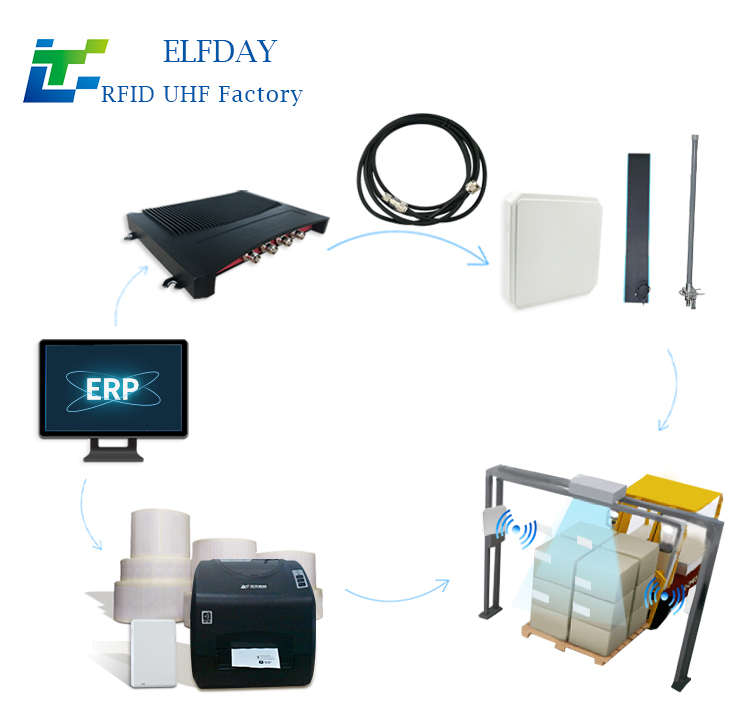
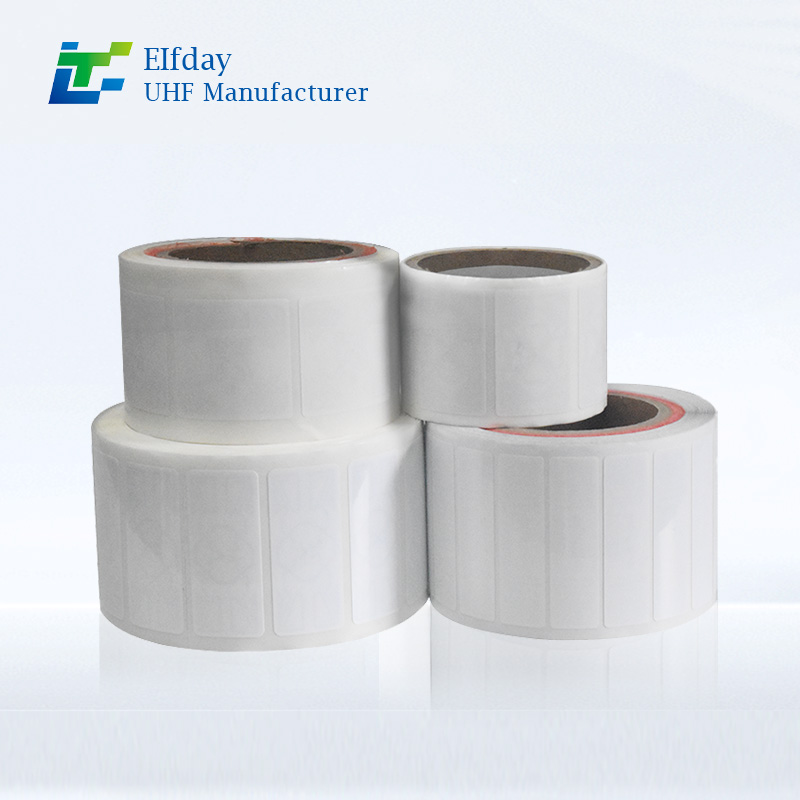
RFID tags for patient tracking solve this problem at its source. At-risk patients wear a comfortable RFID wristband that communicates with readers placed throughout the facility. These readers are installed at exit doors, stairwells, and elevators — anywhere a patient might leave a designated safe zone. When a patient approaches a restricted area, the system triggers an immediate alert. Staff receive notifications on their devices, and in some configurations, exit doors can lock automatically, preventing elopement before it even happens.
No more relying solely on a nurse's eyes. No more chasing down a patient who has already left the building. Just a quiet, continuous layer of protection that works around the clock.
The Identity Problem No One Talks About
Misidentification is one of the most dangerous errors in healthcare, yet it rarely makes headlines. A systematic review of wrong-patient errors analyzed over 7,600 incidents and found that while most were caught in time, the ones that slipped through caused outcomes ranging from inconvenient to disastrous. One of the most disturbing cases involved a healthcare team failing to resuscitate a patient in cardiac arrest — because they had pulled up the wrong file, one belonging to a different patient with a do-not-resuscitate order.
That's not a technology failure. That's a patient identification failure.
RFID tags for patient tracking eliminate this risk by ensuring that identity verification is automatic and unskippable. When a nurse scans an RFID wristband before administering medication, the system instantly pulls up the correct patient record and cross-references it against the medication order. The same happens before procedures, diagnostic tests, and blood transfusions.
This kind of automated verification isn't just convenient. It's the difference between a patient receiving the treatment they need and receiving someone else's.
Real-Time Visibility Without Constant Supervision
High-risk patients often need more monitoring than a busy nursing staff can provide. A post-surgical patient might be stable one moment and in distress the next. A behavioral health patient might require extra observation without feeling like they're being watched every second.
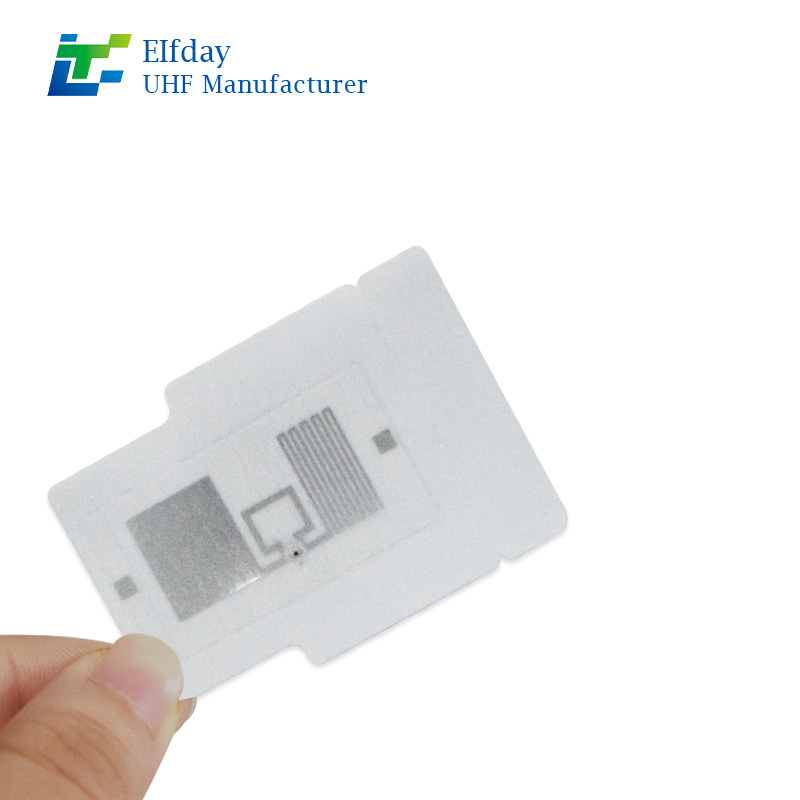
RFID tags for patient tracking offer a middle ground. They provide continuous location data without being intrusive. Nurses can see at a glance where every patient in their unit is located, without having to physically walk from room to room. The system flags unusual movement patterns — a patient staying too long in a bathroom, for example, or leaving their room at an unusual hour — so staff can check in before a small issue becomes an emergency.
One study that evaluated RFID systems across operating theaters, emergency departments, and radiology rooms found that the technology consistently delivered time savings and reliability. Six studies specifically looked at time efficiency, and all of them reported that RFID systems were effective at saving staff time. That time goes back to patient care, where it belongs.
Fewer Medical Errors, Better Outcomes
Patient safety isn't just about preventing elopement. It's about making sure that every touchpoint in the care journey is accurate.
Consider the medication administration process. A patient receives a prescription. The pharmacy fills it. A nurse brings it to the bedside. At any point along that chain, an error can creep in — the wrong drug, the wrong dose, the wrong patient. According to research on RFID in healthcare, the technology substantially reduces adverse events by ensuring that the right patient gets the right treatment at the right time. RFID tags enable point-of-care scanning for admissions, medication rounds, diagnostic routing, and discharge processing, creating a closed loop that leaves no room for manual mistakes.
For high-risk patients — those with complex medication regimens, multiple specialists, or compromised immune systems — this level of precision isn't a luxury. It's a necessity.
Peace of Mind for Families and Staff
Behind every high-risk patient is a family member who is worried. Is Mom safe? Did anyone check on Dad last hour? What happens if he gets confused and tries to leave?
When hospitals implement RFID tags for patient tracking, they're not just buying technology. They're buying the ability to answer those questions with confidence. Families can rest easier knowing there's a system watching over their loved one. Nurses can focus on care instead of constant visual checks. And hospital administrators can demonstrate, with data, that they take patient safety seriously.
A Smart Investment in Safety
The question isn't whether hospitals can afford RFID technology. It's whether they can afford not to have it.
Implementing RFID tags for patient tracking delivers measurable returns beyond patient safety. A 600-bed hospital that implemented an RFID system saw a payback period of just over ten months on its initial investment, with an expected ROI of over 300 percent within three years. Hospitals that use RFID lose fewer assets, spend less on labor, and have less equipment downtime while making work easier for clinical staff.
But the most important return isn't financial. It's the patient who stays safe. The family who doesn't get a phone call in the middle of the night. The nurse who catches a mistake before it happens.
RFID tags for patient tracking aren't the future of hospital safety. They're the present. And for high-risk patients, they're quite literally lifesavers.
Looking to implement RFID tags for patient tracking in your facility? The technology is proven, the ROI is clear, and the patients under your care deserve nothing less.