








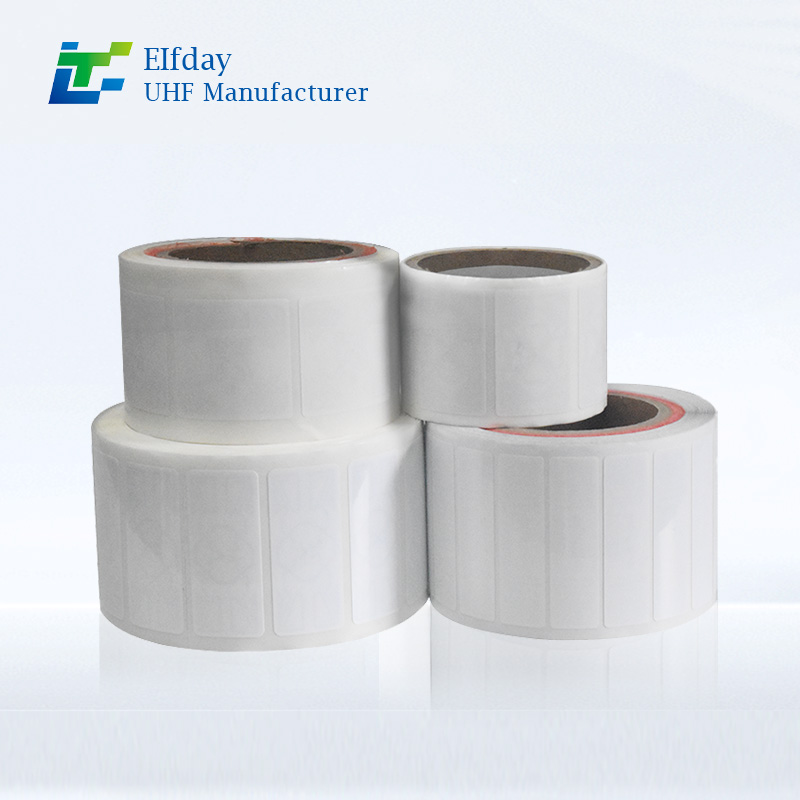
How RFID Tags for Food Safety Reduce Spoilage in Fresh Produce Logistics
Fresh produce is stubborn. Lettuce wilts. Berries grow mold. Avocados go from rock‑hard to overripe in what feels like minutes. You can have the best cold chain on paper, but the moment something goes wrong—a truck’s reefer unit fails, a pallet sits too long on a warm dock—that beautiful harvest starts losing value.
For logistics managers and produce buyers, spoilage isn’t just annoying. It eats margins and damages relationships with retailers. So what actually works to cut that waste? More and more, the answer comes down to small but powerful tools: RFID tags for food safety.
Let me walk you through exactly how they reduce spoilage in fresh produce logistics, without the fluff.
The real problem: you find out too late
Most produce spoilage happens because you don’t know there’s a problem until after the product has already been damaged.
Traditional temperature loggers? You pull them out at the destination, plug them into a computer, and then see that the shipment hit fifty‑five degrees for six hours. By then, the lettuce is already in the trash, or worse—on a store shelf about to fail.
Barcodes don’t help either. They tell you what the product is, not how it was treated.
RFID tags for food safety flip that timeline. Instead of finding out after the fact, you get alerts while the shipment is still in transit. Imagine a tag on a pallet of strawberries that pings your system the moment the temperature climbs above four degrees Celsius. You call the truck driver. The issue gets fixed. The strawberries arrive fresh. No waste.
That’s the core difference. Real‑time visibility means you can act before spoilage happens, not after.
From batch guesses to case‑level truth
A lot of produce companies still operate on averages. “This truckload of tomatoes should be fine because the air temperature in the trailer was okay.”
But air temperature isn’t the same as pulp temperature. A pallet near the door warms up faster than one in the middle. A stack of boxes on the top row gets more airflow than the bottom row. Basing decisions on averages means you either throw away good product (to be safe) or ship bad product (and get complaints).
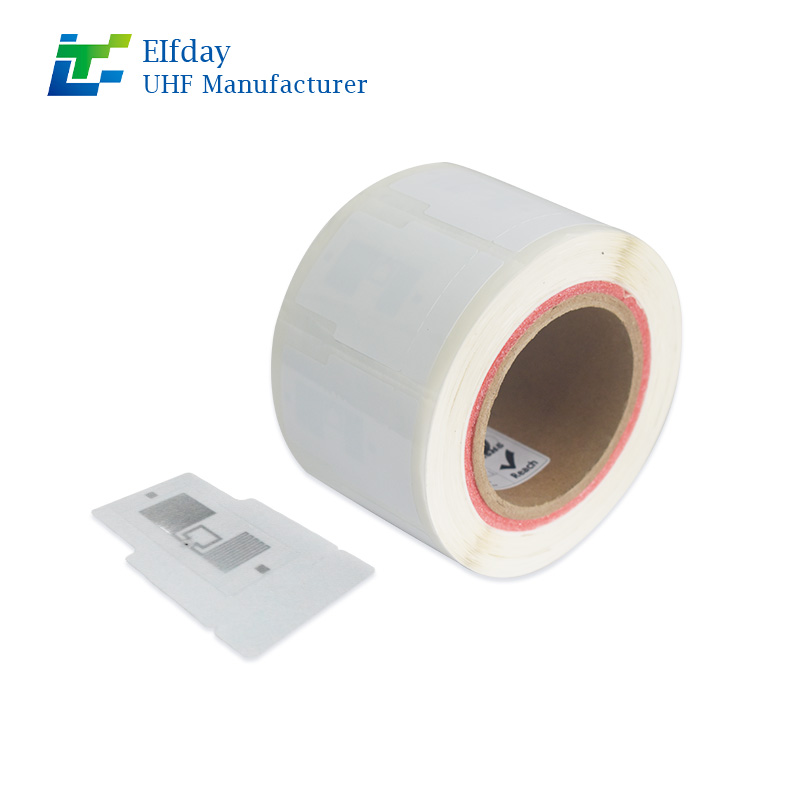
RFID tags for food safety can be applied at the case or pallet level. Each tag carries its own temperature history. So you know that the cases on the left side of the trailer had a brief warm spike, while the right side stayed perfect. You don’t have to reject an entire load. You sort out only the affected cases. Retailers love this because they don’t lose their whole order. You love it because you don’t eat the cost of an entire truck.
Catching the hidden spoilage drivers
Not all spoilage comes from obvious temperature abuse. Sometimes the problem is smaller but repeated: a warehouse door left open during loading, a refrigerator that cycles off too often at night, a driver who turns off the reefer unit to save fuel while waiting to unload.
Because RFID tags for food safety log data continuously, they catch these hidden events. You’ll see a pattern—for example, every shipment that goes through a certain transfer point arrives with elevated temperatures. That tells you exactly where to fix your process. Without RFID, you’d be guessing for months.
I’ve seen produce logistics managers reduce weekly spoilage by more than half just by identifying one bad holding area in their own warehouse. The tags didn’t cost much. The savings showed up immediately.
Better first‑in, first‑out execution
You know the theory of FIFO (first in, first out). In practice, it falls apart because workers in a cooler grab what’s easiest to reach, not what arrived earliest.
With RFID tags for food safety, you don’t rely on human memory or discipline. A handheld reader or a fixed portal tells the worker which pallet has been sitting longest. Some systems even light up an LED on the tag itself. The result is that older produce actually leaves first, so it gets sold before it spoils. That sounds simple, but in a busy warehouse, simple things often fail. RFID makes them work.
What about wet and rough environments?
One concern people raise is whether RFID tags for food safety can survive a produce environment. Humidity, condensation, bumpy roads, and even produce washdown areas.
The answer is yes, but you have to pick the right tag. Food‑grade RFID tags are sealed against moisture. They handle temperatures from freezing to warm and can survive being dropped or crushed. Many are designed to be attached to reusable plastic crates or even direct to waxed cardboard boxes. You don’t need expensive active tags for most produce applications. Passive UHF tags work fine for warehouse and short‑range reading. Active tags are only necessary for long‑haul or real‑time GPS‑type tracking.
A simple way to start
If you manage fresh produce logistics and want to reduce spoilage with RFID tags for food safety, don’t try to tag everything at once. Pick one lane—say, berries from a specific farm to your main distribution center. Order tags that are rated for wet conditions. Place them on every pallet for two weeks. Set up simple alerts for temperature excursions.
Then compare your spoilage percentage before and after. Most people see a drop in the first month. Once you have that data, you can justify expanding to the rest of your network.
The bottom line for your business
Fresh produce is a low‑margin, high‑volume game. Every case you throw away is profit that never reaches your pocket. RFID tags for food safety don’t just give you better traceability—they give you the power to intercept spoilage while it’s still fixable. You’ll deliver fresher product to your customers, deal with fewer retailer chargebacks, and stop paying to ship and chill product that ends up in a compactor.
The technology has matured. The price has dropped. And the waste problem isn’t getting any smaller. If you care about the quality of the produce that leaves your dock, RFID isn’t a nice‑to‑have anymore. It’s how you stay competitive.
Start with one route. Measure the difference. Then decide if you can afford not to use RFID.