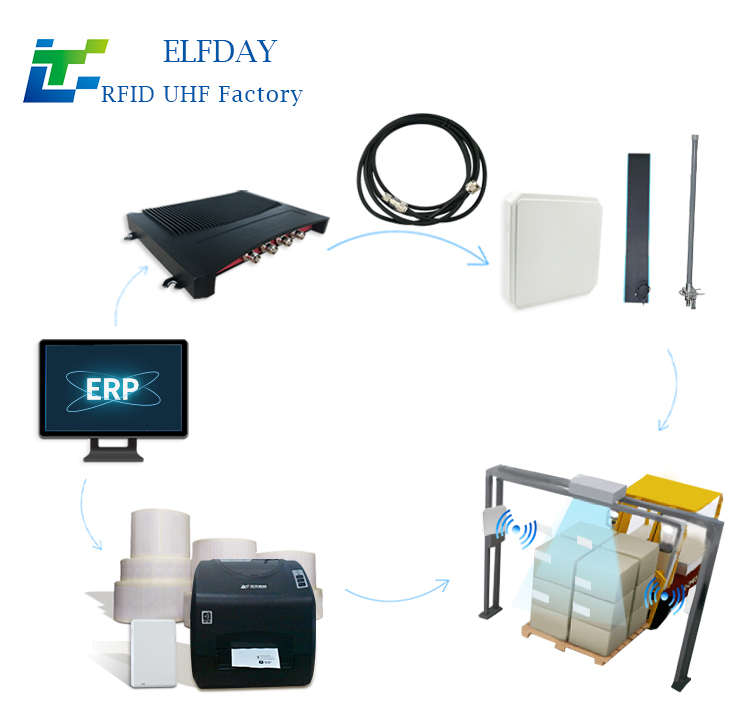
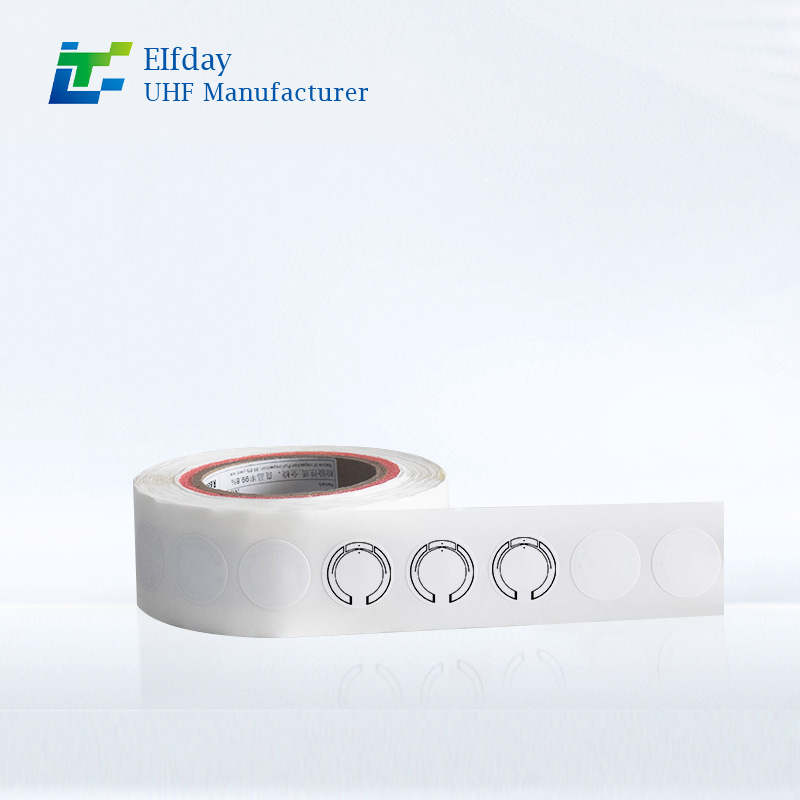
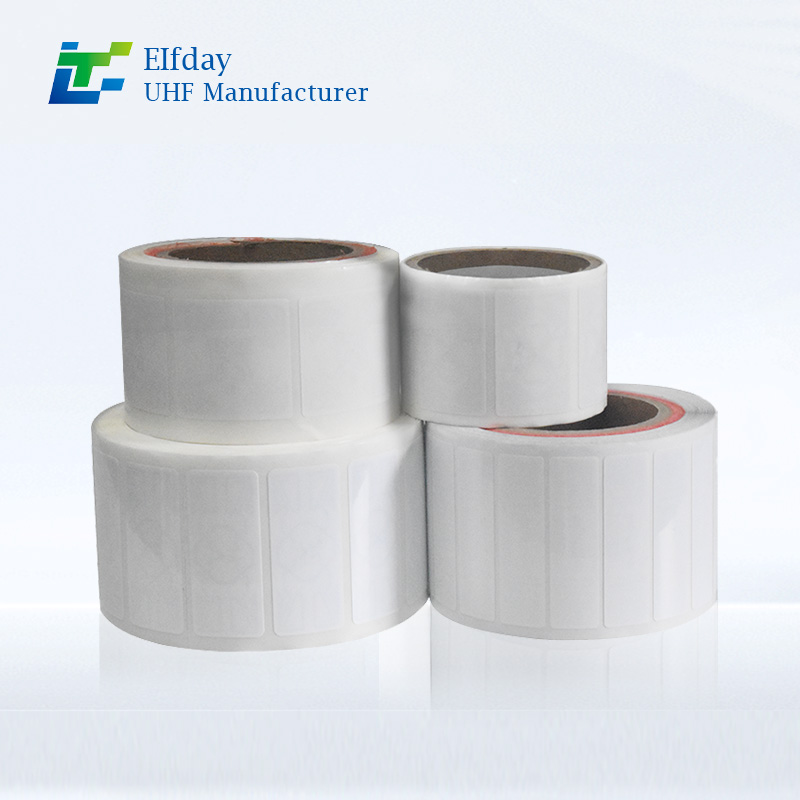
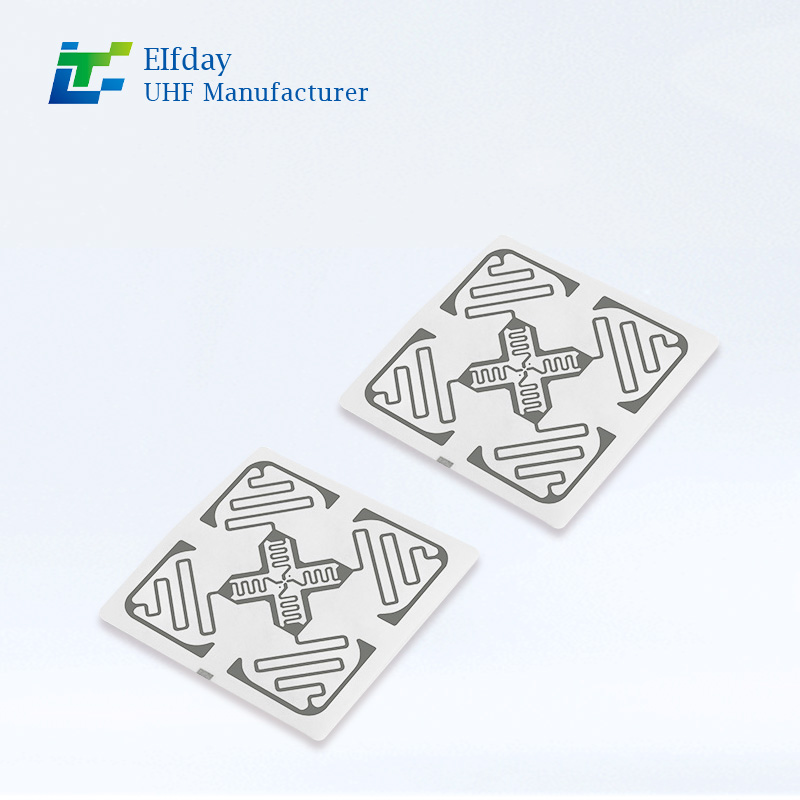
RFID tags designed specifically for retail management help businesses optimize workflows, reduce costs, and improve customer satisfaction. They make inventory tracking and management easy, providing real-time data at the point of sale. They ensure faster and more accurate inventory counts in retail, integrate seamlessly with existing retail systems, reduce manual labor, and increase productivity. They offer a reliable and cost-effective inventory management solution for retail operations, available free of charge.
Elfday is established in 2015, by which time the founder have already been involved in the barcode /RFID industry for many years. Lingtian technicians have over 12 years of experience in warehouse management. Since its establishment, the company has transacted with over 10,000 clients, among which more than 300 are stable clients, including listed companies, public institutions and military industrial enterprises. From the perspective of brands and retailers, the key data indicators are to improve inventory accuracy up to 100% and brand safety to create a more satisfactory Omni channel shopping experience, with the focus on maximizing convenience and availability
Elfday has 10 years of RFID experience. Every process is strictly supervised, the materials used are carefully selected, and each tag is strictly inspected before leaving the factory to avoid quality problems.
FAQs:
Why should the retail industry use ultra-high frequency RFID tags?
Achieve real-time inventory visibility and improve stock turnover rates with UHF RFID tags in your retail store.
How is data written to the tags?
Data can be written individually using an RFID reader/writer or in batches using an RFID printer.
How much do RFID tags cost?
The price depends on your requirements; tags made of different materials and with different chips have different prices. Our lowest-priced tag is $0.019 per piece.
What is the minimum order quantity?
We have no minimum order quantity; we ship even for a single item.
What is the maximum reading distance?
The reading and writing distance is up to 5 meters.
What RFID chip is embedded in these labels?
Our label uses the KM4Q chip.
What is the frequency of this RFID tag?
840-960MHz
How much storage capacity do RFID tag chips have?
The conventional EPC area (commonly used area) has 128 bits.
What protocol does the tag use?
ISO 18000-6C compliant
What is the lifespan of the labels?
Our RFID tag data can be stored for 10 years.
Can the tags be reused?
Yes, as long as the tag is not damaged, the chip data can be erased and rewritten 100,000 times.
What are the dimensions of the label?
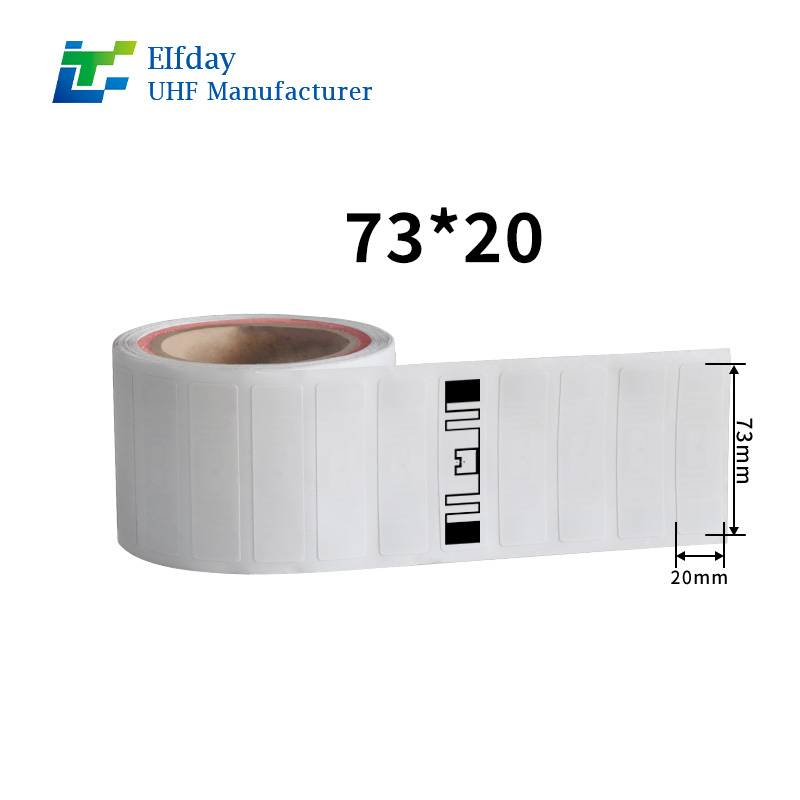
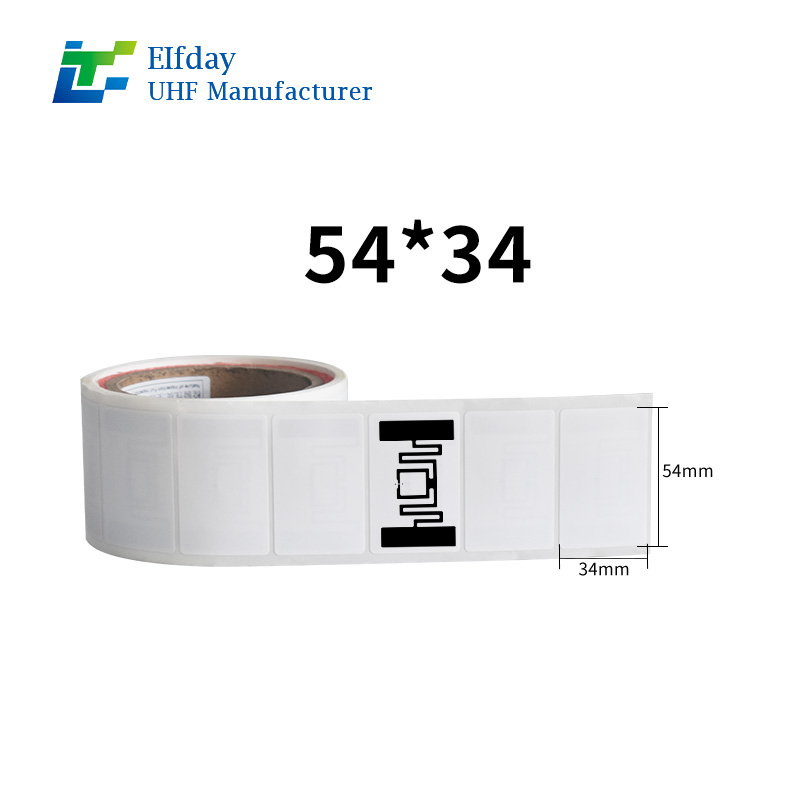
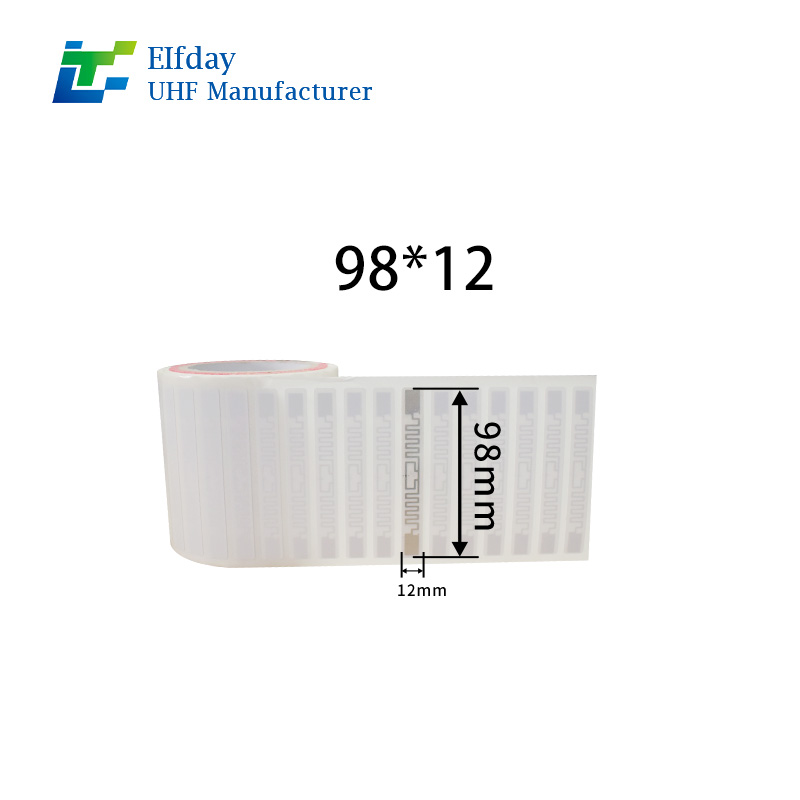
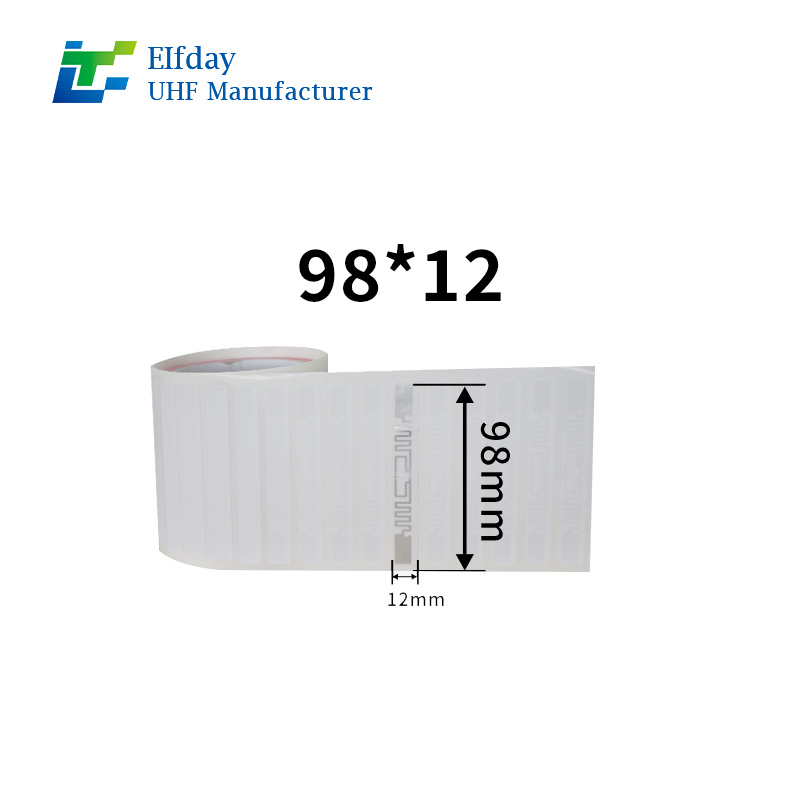
size:98mm*12mm(It can also be customized according to your needs)
What material are the labels made of?
Coated Paper/PET material/Syntheticpaper/Pearlpaper
How are the tags used?
They are attached or affixed to items and identified non-contactually by a reader.
Can the label store product information such as product name, specifications, and manufacturing date? Can this information be directly scanned by a device?
It is writable; the device can directly scan and retrieve information (usually a code) from the chip. Typically, a unique identification code is written to the chip, and then the product details are stored in a backend database associated with that code.
Can other brands of devices recognize your tags?
Yes.
The difference between dry labels, wet labels, and white labels:
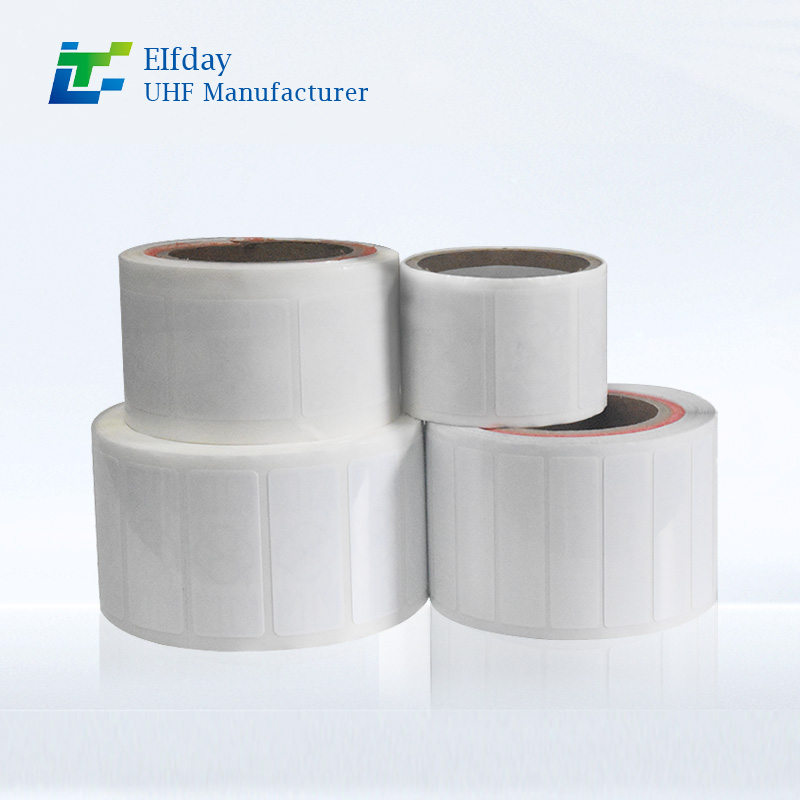
White labels: Our finished product is a white label. The material is generally coated paper or PET. White labels are made by laminating a face material (coated paper/PET) onto a wet label. They are adhesive and printable.
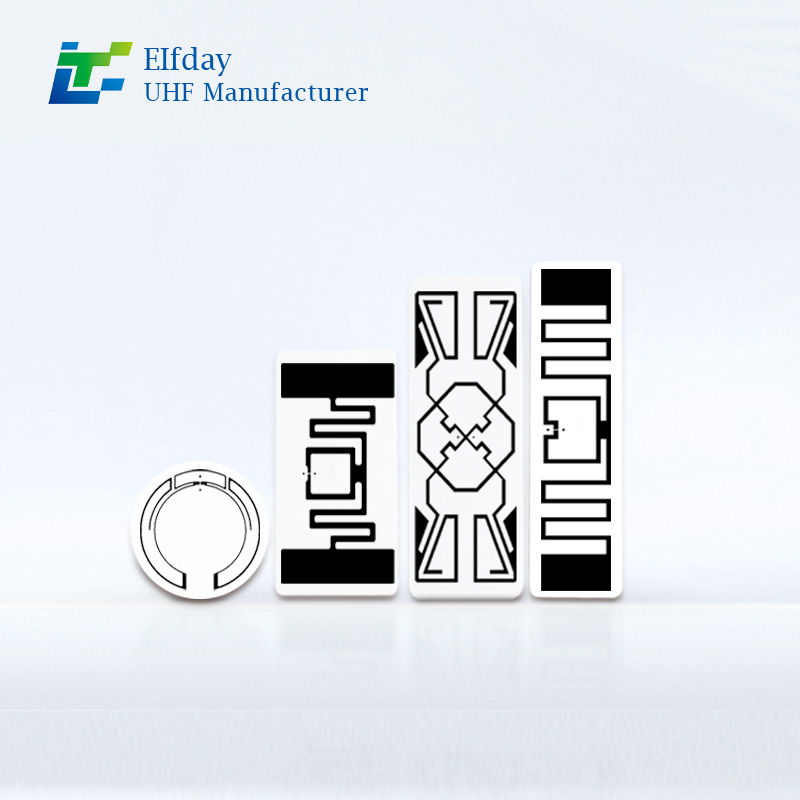
Dry labels: Composed of a chip, antenna, and PET substrate. They have no adhesive and are not adhesive or printable.
Wet labels: A layer of hot-melt adhesive is added to the dry label. They are adhesive but not printable.
White labels: Our finished product is a white label. The material is generally coated paper or PET. White labels are made by laminating a face material (coated paper/PET) onto a wet label. They are adhesive and printable.