








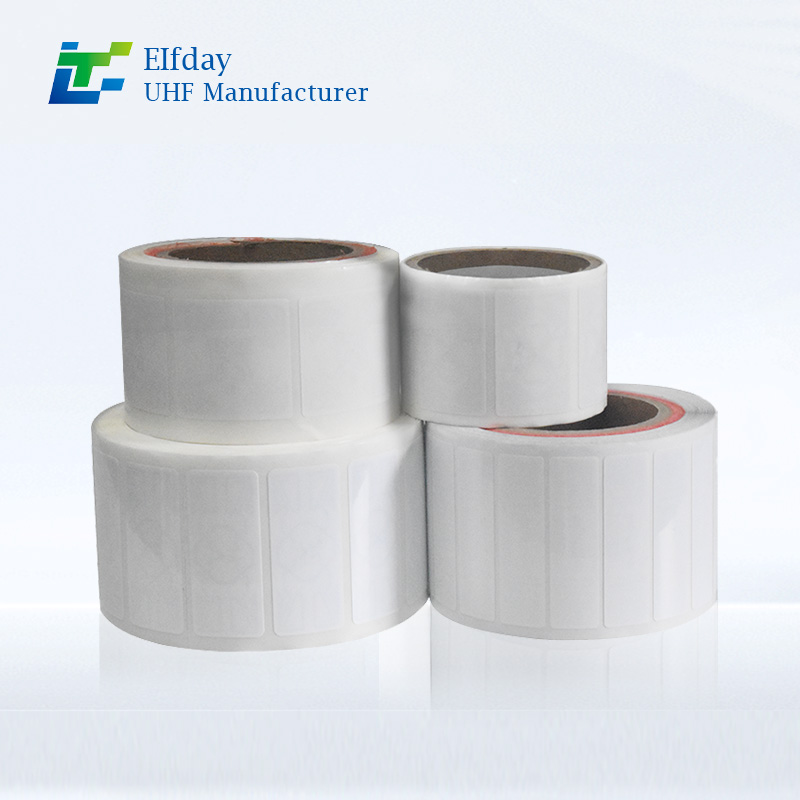
10 Proven Benefits of RFID Tags for Food Safety and Traceability
You’ve seen the headlines. Recalls costing millions. Outbreaks traced back to a single missing logbook. Consumers demanding to know exactly where their food came from.
If you manage a food supply chain—whether it’s fresh produce, dairy, meat, or ready‑to‑eat meals—you already know that paper trails and barcodes aren’t enough anymore. That’s where RFID tags for food safety come in.
These small but powerful tools are changing how the industry prevents contamination, reduces waste, and responds to problems in real time. Below are ten proven benefits that food businesses are already using to stay ahead of regulations and protect their brand.
1. Real‑time temperature monitoring from farm to shelf
Perishable foods lose value every minute they spend outside the correct temperature range. Traditional temperature logs only tell you what happened after the fact.
RFID tags for food safety equipped with temperature sensors send alerts the moment a cooler fails or a truck’s AC stops working. You don’t wait for a driver to notice. You get a notification on your phone or dashboard instantly. One produce distributor we worked with cut spoilage by nearly a third just by switching to active RFID alerts during transit.
2. Faster, more accurate recalls
When a contamination issue arises, speed is everything. The faster you pull affected products, the fewer people get sick, and the less damage to your reputation.
With barcodes, you might know which batch left your warehouse. With RFID tags for food safety, you know which individual pallet or case went to which store shelf. Recalls that used to take two days can be finished in under two hours. That’s not just efficient—it’s life‑saving.
3. Eliminate manual data entry errors
Handwritten temperature logs, clipboard checklists, and typed spreadsheets all share the same problem: human error. A tired worker marks the wrong box. A pen smudges. A decimal point moves.
RFID automates data capture. The tag is read automatically when a pallet passes a gate or when a handheld reader scans a shelf. No typos, no missing entries. This clean data becomes the backbone of your HACCP and FSMA documentation.
4. Full visibility across the cold chain
You might trust your logistics partners, but you can’t be on every truck or inside every cold room. RFID tags for food safety give you a digital window into every link of your supply chain.
You’ll see exactly how long a shipment sat on a warm dock, whether a freezer door was left open too long, and which stores kept products at the correct temperature overnight. This transparency doesn’t just catch problems—it prevents them by showing you which carriers or routes need improvement.
5. Reduce food waste without guesswork
Food waste is one of the biggest hidden costs in the industry. Often, products are thrown away not because they are unsafe, but because their history is unknown.
When every case has an RFID tag, you know its complete time‑temperature profile. You can confidently extend shelf‑life decisions for products that were handled perfectly, while flagging only those that actually experienced abuse. Several grocery chains using RFID tags for food safety have reported reducing waste by 15‑25% without increasing safety risks.
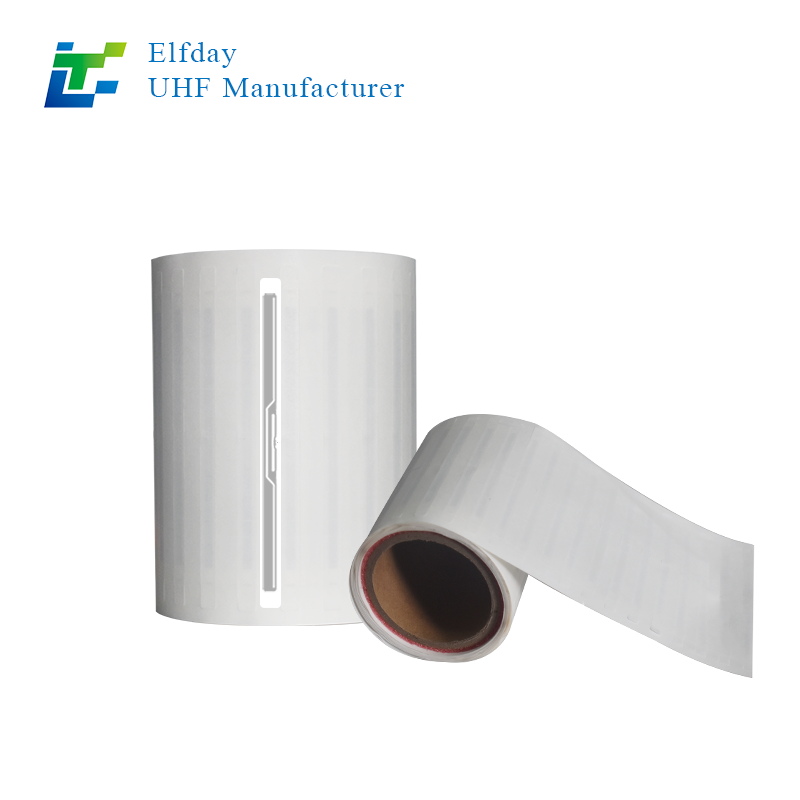
6. Meet FSMA 204 and other regulations with less stress
The FDA’s FSMA Section 204 (the Food Traceability Rule) requires companies to keep and share key data elements for high‑risk foods. Paper records or basic electronic spreadsheets struggle to meet the “one step forward, one step back” traceability requirement.
RFID makes compliance almost boringly simple. You capture critical tracking events automatically—harvest, cooling, shipping, receiving, display. When an auditor asks for records, you export clean, timestamped logs in minutes instead of days. Many food safety managers tell us they sleep better after switching to RFID.
7. Increase buyer confidence and brand trust
Today’s consumers and B2B buyers alike want proof. Restaurants, retailers, and food service distributors are increasingly asking suppliers: “How do you actually ensure safety from your farm or facility to us?”
Being able to say “We use RFID tags for food safety for real‑time monitoring and full traceability” is a powerful competitive advantage. It signals that you invest in technology, not just paperwork. Several of our clients have won large contracts specifically because their RFID system gave the buyer more visibility than competitors could offer.
8. Lower insurance premiums and recall costs
Insurers understand risk. If you can demonstrate that you monitor temperature continuously, locate products instantly, and perform recalls in hours rather than days, you are a lower risk to insure.
Food companies using advanced traceability systems often negotiate reduced liability premiums. More importantly, if a recall does happen, RFID drastically cuts the cost of pulling and destroying product. You only remove the affected items, not entire weeks of production.
9. Improve supplier accountability
When you receive a shipment of raw materials or finished goods, do you really know how it was handled before it arrived at your dock?
With RFID, you require your suppliers to apply tags that log temperature and time. If a shipment shows signs of temperature abuse, you have hard data to reject it or negotiate a credit. This shifts the burden of proof from you back to the supplier. Over time, your suppliers improve their own handling because they know you are watching the data.
10. Enable future‑ready systems like blockchain and AI
RFID is not a dead end; it’s a foundation. The data collected by RFID tags for food safety can feed into blockchain ledgers for immutable traceability, or into AI models that predict spoilage before it happens.
Starting with RFID now means you won’t be rebuilding your data infrastructure in two years when your customers demand blockchain verification. You’ll already have clean, item‑level data ready to connect.
Make the switch that pays for itself
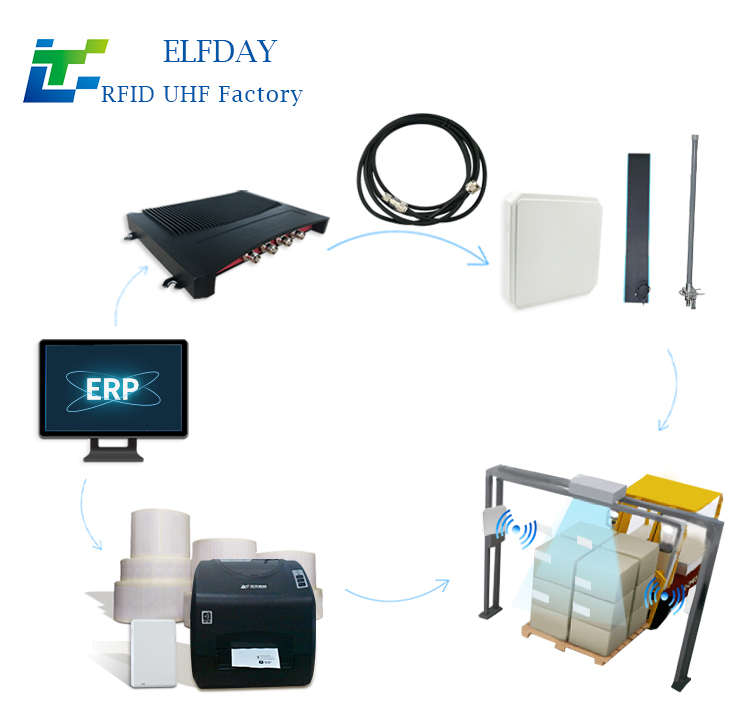
If you add up the costs of recalls, waste, manual labor, and compliance headaches, doing nothing is actually more expensive than deploying RFID tags for food safety. The technology has matured, tag prices have dropped, and integration with standard ERP systems is easier than ever.
Start small. Tag one product line or one shipping route. Measure the reduction in spoilage and the time saved on audits. The numbers will speak for themselves. And when your buyers ask how you guarantee safety, you’ll have a real answer—backed by data, not just promises.
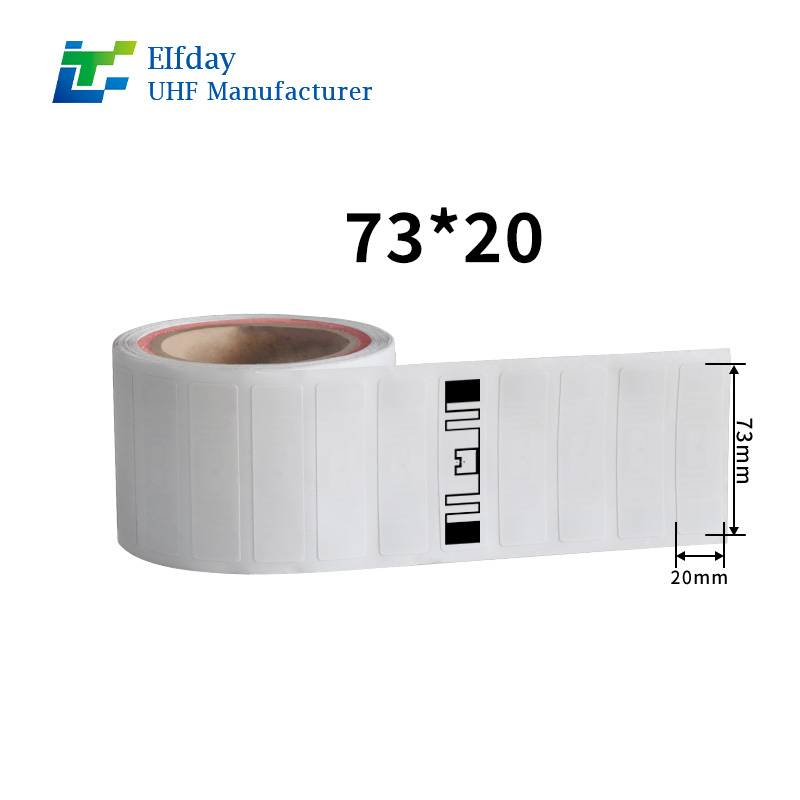
Ready to protect your brand and your customers? Look for RFID tags specifically rated for food environments (moisture‑resistant, durable for freezing). Test them on your toughest route. You’ll wonder why you waited so long.