








Achieving Full Traceability from Manufacturing to Retirement with RFID
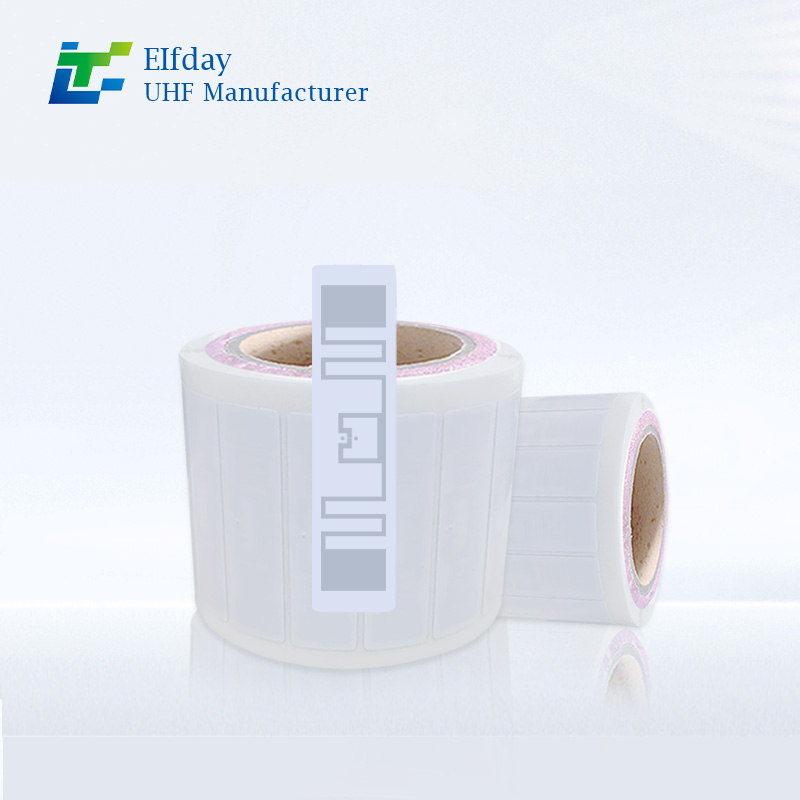
In the high-stakes world of aerospace, the margin for error is zero. A single unverified component can ground a fleet, trigger costly regulatory fines, or compromise safety. For decades, the industry has struggled with a critical challenge: maintaining absolute visibility over every part from the moment it is forged to the day it is permanently retired. While barcodes and manual logs have served as traditional standbys, they are no longer sufficient for modern fleets. The solution lies in a technology that bridges the physical and digital worlds—RFID tags for aircraft parts.
Radio Frequency Identification (RFID) is transforming how original equipment manufacturers (OEMs), maintenance, repair, and overhaul (MRO) providers, and airlines manage their assets. Moving beyond line-of-sight scanning, RFID offers a paradigm shift in supply chain intelligence. By implementing a robust RFID strategy, stakeholders can achieve true end-to-end traceability, unlocking unprecedented levels of safety, efficiency, and cost control across the entire lifecycle of an aircraft.
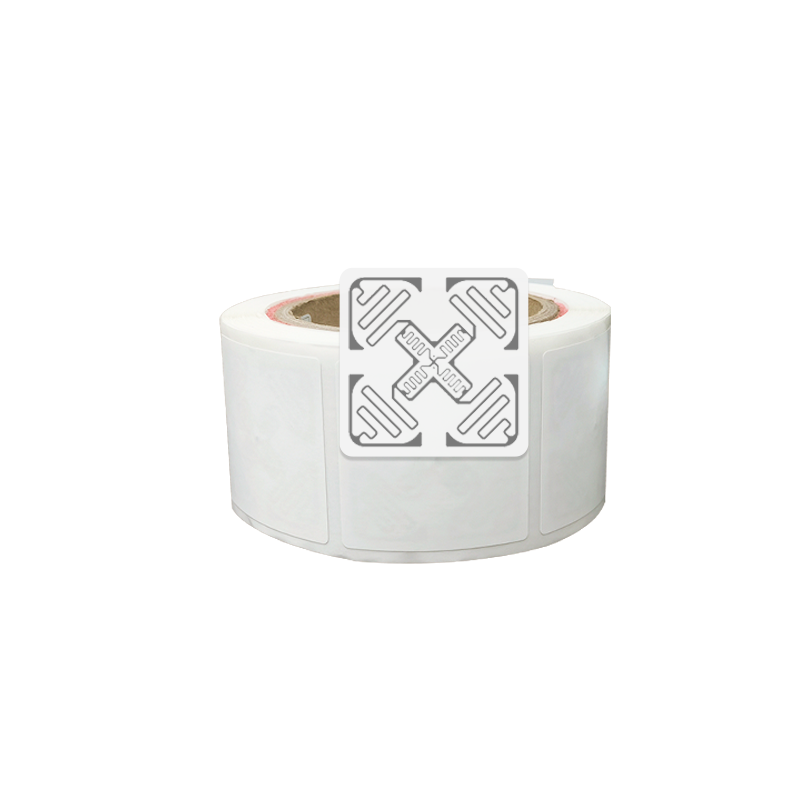
The Manufacturing Phase: Building a Digital Birth Certificate
The journey toward full traceability begins on the factory floor. When a component is manufactured, it is more than just a piece of metal or composite material; it is an asset that will carry significant liability for decades. Embedding RFID tags for aircraft parts at the point of origin creates a digital “birth certificate” that follows the component for the rest of its life.
Unlike traditional identification methods, RFID tags can withstand the harsh environments typical of aerospace manufacturing, including exposure to extreme temperatures, chemicals, and physical vibration. During production, these tags allow manufacturers to automate work-in-progress tracking. Instead of manually scanning barcodes at each station, manufacturers can use fixed RFID readers to instantly verify that every assembly step has been completed correctly.
This level of automation drastically reduces human error. If a batch of fasteners is meant for a specific fuselage section, RFID ensures that the right part goes to the right place at the right time. For the manufacturer, this reduces the risk of costly rework and ensures that when a part leaves the facility, its data—including heat treat numbers, installation dates, and initial certifications—is perfectly preserved and digitally accessible.
The In-Service Phase: Revolutionizing Maintenance and MRO
Once an aircraft enters service, the value of RFID shifts from production efficiency to operational safety and uptime. Aircraft maintenance is governed by rigorous schedules; a missed inspection or a lost part history can lead to airworthiness directives (ADs) being violated. This is where RFID tags for aircraft parts prove to be indispensable.
Consider the complexity of a wide-body jet, which contains hundreds of thousands of individual parts. Performing a routine A-check or C-check traditionally involves hours of manual inspection, where mechanics visually verify that life-limited parts are nearing their retirement cycles or that components have the correct modification status.
RFID automates this process. Technicians equipped with handheld readers can walk down an aisle or scan a landing gear bay and instantly capture the identity and status of hundreds of tags in seconds. This capability, often referred to as “batch scanning,” eliminates the need to physically access hard-to-reach components to read a serial number.
For MRO providers, this translates directly to reduced turnaround time. Every hour an aircraft spends on the ground is lost revenue. By utilizing RFID, maintenance teams can verify that all required parts are in stock, properly certified, and correctly installed before the plane ever leaves the hangar. Furthermore, RFID provides a closed-loop system for tooling and high-value assets, ensuring that no foreign object debris (FOD) is left behind—a critical safety concern in aviation.
The Retirement Phase: Ensuring Compliance and Value Recovery
The final stage of a component’s life is often the most administratively burdensome. When a part reaches its lifecycle limit—whether due to flight cycles, calendar time, or damage—it must be retired with absolute certainty. In the aerospace industry, a part cannot simply be thrown away; it must be documented to prevent it from re-entering the supply chain illegally.
Achieving full traceability through RFID ensures that retirement is not a moment of ambiguity but a definitive end-of-life record. When a part equipped with an RFID tag reaches its threshold, the system can automatically flag it for retirement. This prevents accidental re-installation of expired components, a risk that remains a persistent threat in manual tracking environments.
Additionally, for parts that are leased or managed under power-by-the-hour agreements, RFID provides the transparency needed for accurate end-of-lease reconciliations. Operators can prove exactly when a part was installed, how long it was in service, and when it was removed. This transparency builds trust between lessors and airlines, reducing disputes and streamlining the return process.
Why RFID Outperforms Traditional Tracking Methods
For those responsible for procurement and operations, the decision to adopt RFID often comes down to return on investment. While the initial implementation of RFID tags for aircraft parts requires an upfront investment in infrastructure, the long-term savings are substantial.
First, RFID eliminates inventory “shrink” and misplacement. In a typical warehouse, locating a specific rotable part can take hours. With RFID, inventory accuracy often reaches 99.9%, and cycle counts can be performed in a fraction of the time. This means that operators do not have to keep excess safety stock to account for missing parts, freeing up millions in working capital.
Second, RFID enhances safety by ensuring configuration control. In an era where counterfeit parts occasionally infiltrate the supply chain, RFID acts as a digital shield. Because each tag has a unique identifier that is difficult to clone, operators can instantly verify the authenticity and pedigree of a component. When you purchase high-quality RFID tags for aircraft parts, you are not just buying a label; you are investing in a security system that protects your fleet from unverified or unairworthy components.
The Buying Decision: What to Look For
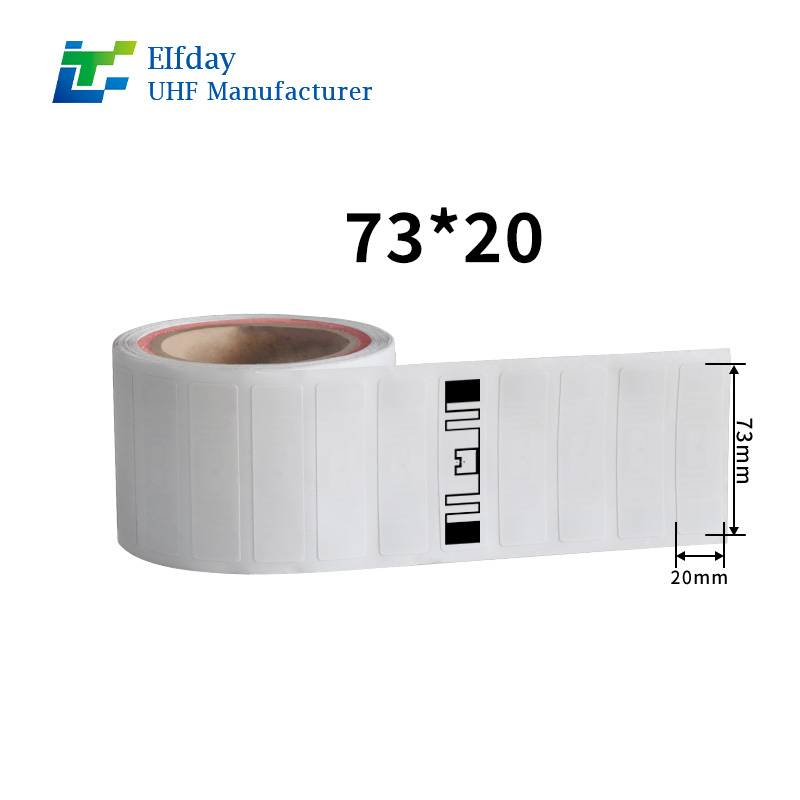
If you are evaluating RFID solutions for your operation, it is essential to focus on durability, data retention, and interoperability. Not all tags are created equal. Aerospace environments demand tags that are rated for high heat, fuel exposure, and mechanical stress. Look for tags that comply with industry standards such as SAE AS5678, which sets the benchmark for passive ultra-high frequency (UHF) RFID tags used in aerospace.
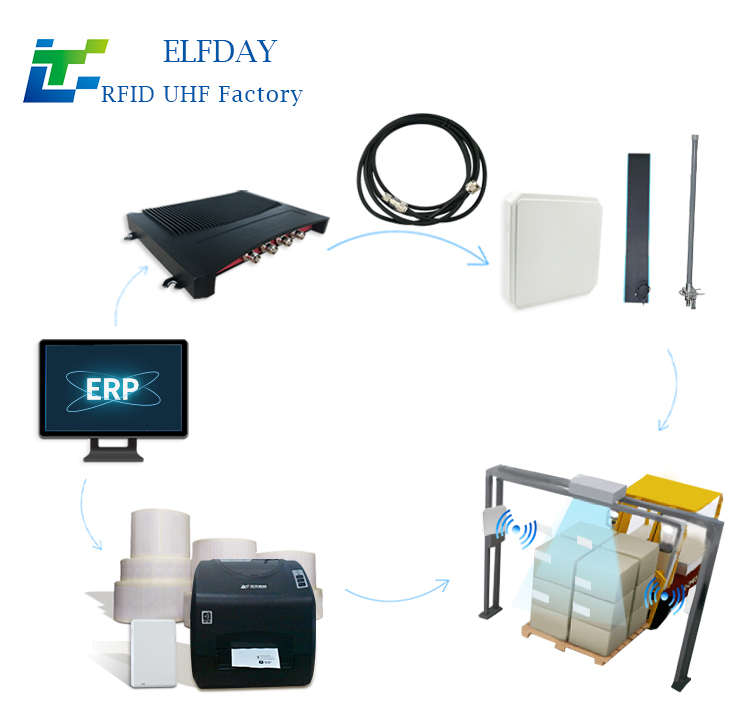
Furthermore, consider the software ecosystem. The physical tag is only as good as the data infrastructure behind it. A modern RFID solution should integrate seamlessly with your existing Enterprise Resource Planning (ERP) and MRO software, ensuring that the data captured by the tags is actionable rather than siloed.
The journey from manufacturing to retirement is long and fraught with regulatory and operational challenges. However, with the right technology, this journey can become a source of competitive advantage. Achieving full traceability is no longer a luxury reserved for top-tier airlines; it is becoming the standard for any organization serious about safety, efficiency, and profitability.
By leveraging RFID tags for aircraft parts, the aerospace industry can close the visibility gap. From the factory floor to the final retirement certificate, RFID provides the digital thread that connects every touchpoint. For operators and MROs looking to reduce downtime, ensure compliance, and protect their assets, the path forward is clear. Investing in RFID today means building a safer, more transparent, and more profitable tomorrow.