








Advantages of RFID Electronic Tags in Inventory Management
Discover how RFID electronic tags are transforming inventory management. Learn about the key benefits including real-time visibility, 98%+ accuracy, labor savings, and rapid ROI for warehouses and retail operations.
For businesses managing physical assets—whether in warehouses, retail stores, or manufacturing facilities—these questions have real financial consequences. Inaccurate inventory leads to stockouts, overstocking, delayed shipments, and ultimately, lost revenue .
Enter the rfid electronic tag. While barcodes have served businesses for decades, Radio Frequency Identification (RFID) technology represents a fundamental shift in how organizations track and manage inventory. Instead of requiring line-of-sight scanning for each individual item, RFID uses radio waves to identify and track tags automatically and simultaneously .
This article explores the concrete advantages of implementing RFID electronic tags in your inventory management operations—and why businesses worldwide are making the switch.
What Is an RFID Electronic Tag?
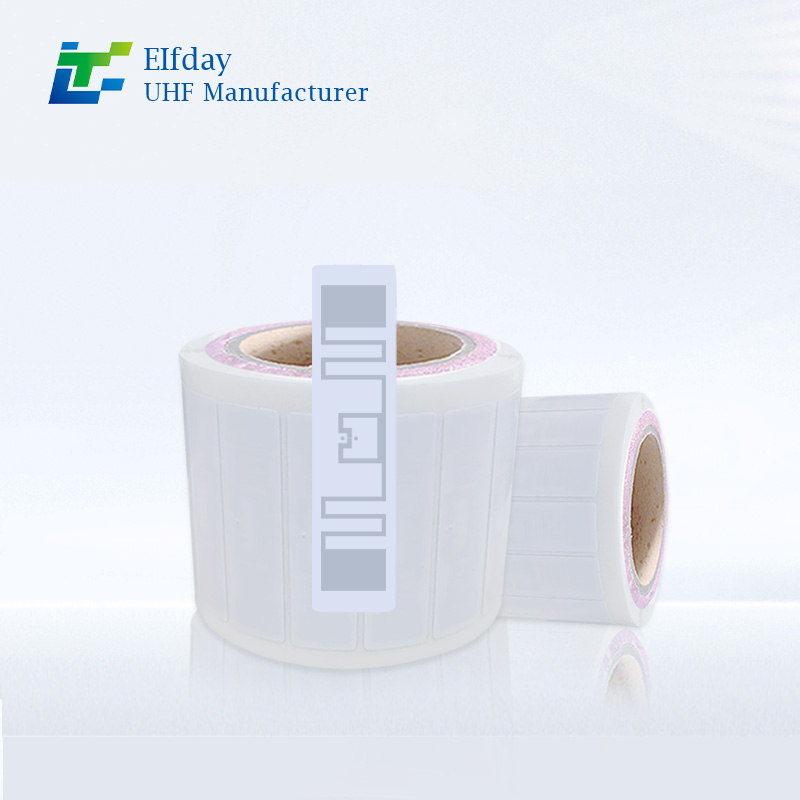
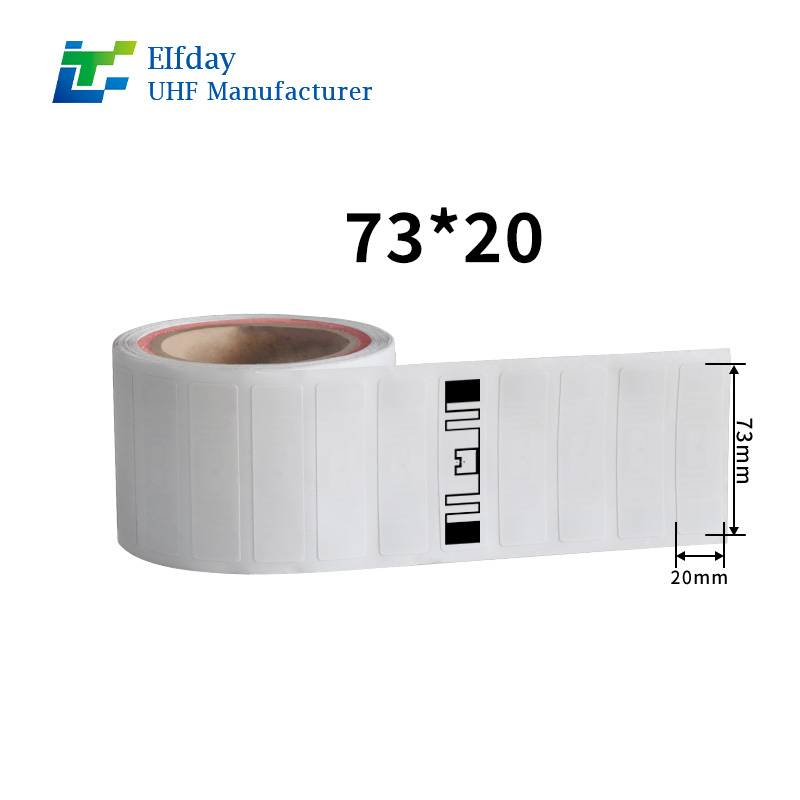
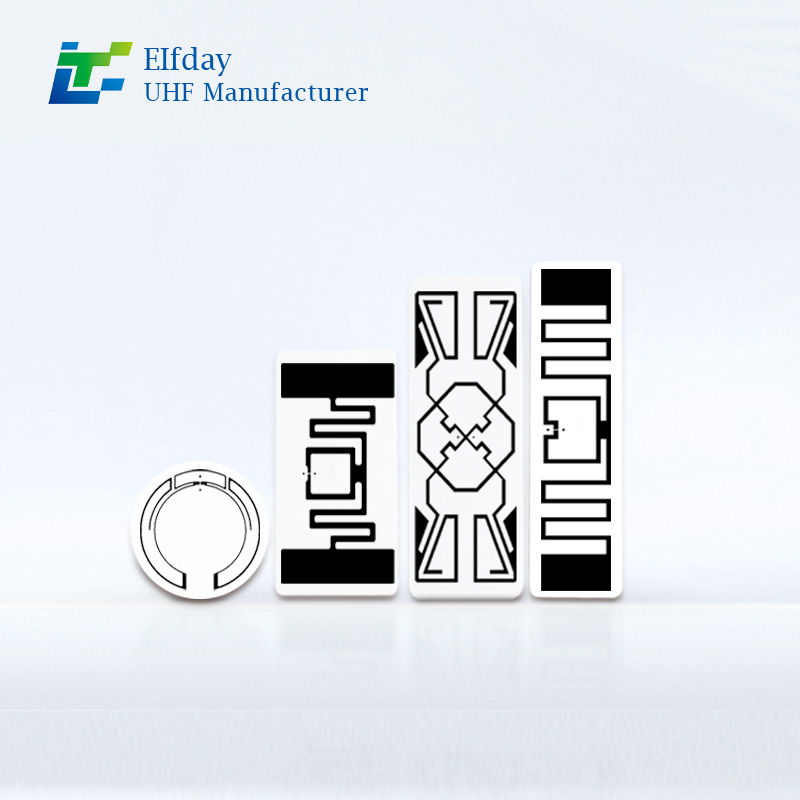
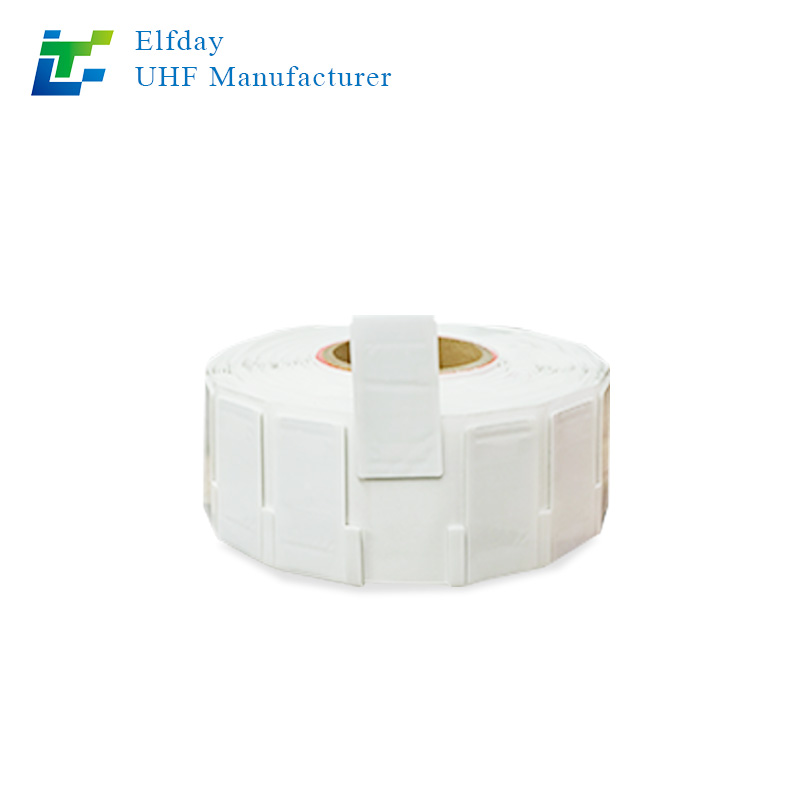
Before diving into the benefits, let's clarify what we're discussing. An rfid electronic tag is a small device consisting of a microchip and an antenna. The chip stores product-specific information, while the antenna enables communication with RFID readers .
There are two primary types:
Passive RFID tags: No internal battery. They harvest energy from the reader's signal to transmit data. These are smaller, lighter, and less expensive—ideal for high-volume inventory tagging .
Active RFID tags: Contain an internal battery and transmitter. They offer longer read ranges (up to 300 feet) but cost more, making them suitable for tracking high-value assets rather than individual inventory items .
For most inventory management applications, passive UHF (Ultra-High Frequency) RFID tags are the preferred choice due to their balance of read range, speed, and cost-effectiveness .
7 Key Advantages of RFID Electronic Tags in Inventory Management
1. Real-Time Inventory Visibility
Perhaps the most transformative benefit of RFID technology is real-time visibility into stock levels and locations.
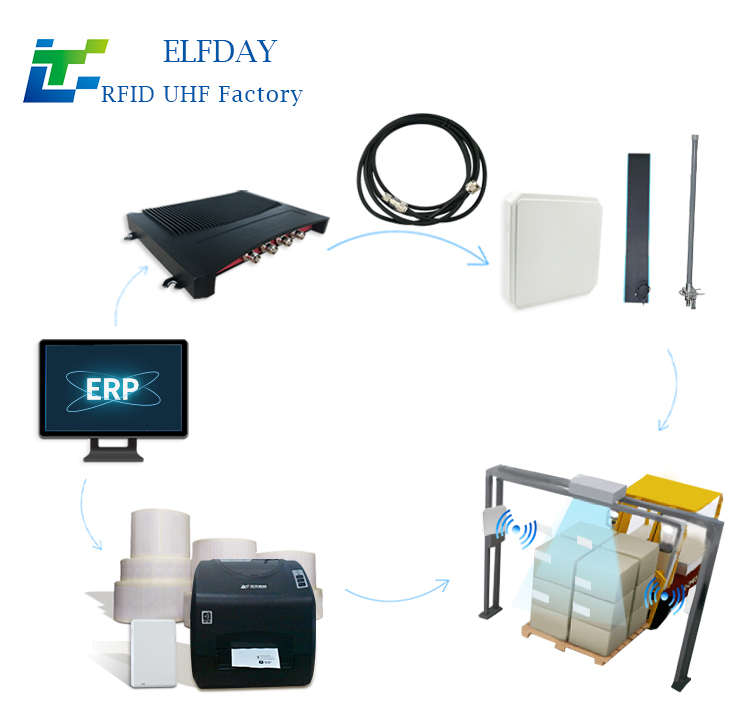
Unlike periodic manual counts that provide a snapshot frozen in time, RFID enables continuous monitoring. Fixed readers placed at strategic points—dock doors, storage aisles, staging areas—automatically capture tag data as items move through your facility . This creates a dynamic, up-to-the-minute picture of your entire inventory.
What this means for your business: Warehouse managers can view inventory status in real time, enabling faster decision-making and better coordination of inbound and outbound logistics . No more wondering whether the system matches physical reality—you'll know.
2. Dramatically Improved Accuracy
Manual inventory processes are inherently error-prone. Miscounts, missed scans, and data entry mistakes accumulate, gradually eroding trust in your inventory records.
RFID electronic tags virtually eliminate these errors by automating data capture. Organizations implementing RFID routinely achieve inventory accuracy rates exceeding 98% .
Consider this: leading retailers who have adopted RFID for inventory management report that SKU-level accuracy improves from an industry average of 65-75% to upwards of 98% . This isn't incremental improvement—it's transformational.
High accuracy creates a reliable foundation for everything else: order fulfillment, replenishment decisions, financial reporting, and customer satisfaction .
3. Massive Time and Labor Savings
Here's where RFID becomes truly dramatic: what takes hours with barcodes takes seconds with RFID.
Traditional inventory counting requires staff to locate each item and scan its barcode individually—a slow, labor-intensive process. RFID readers, by contrast, can capture hundreds of tags simultaneously, without requiring line of sight .
The numbers tell the story:
"You can scan an entire flight case of 120 cables in two seconds," reports Sven from Geartracking. "It's a game-changer for time and accuracy" .
One fulfillment warehouse reduced cycle counting time by 70% and labor costs by 20% after implementing RFID .
Most retailers achieve ROI by scanning inventory once or twice weekly—tasks completed 30X faster than barcode scanning .
This efficiency frees your team to focus on higher-value activities: order picking, packing, customer service, and strategic tasks that actually grow your business .
4. Enhanced Order Fulfillment
Inventory accuracy isn't an end in itself—it's a means to serving customers better. When your inventory data reflects reality, fulfillment improves dramatically.
RFID enhances picking accuracy by providing real-time location data for every item. Warehouse staff can locate products faster, verify picks more easily, and reduce errors in order assembly . The result: shorter order cycle times and higher on-time delivery rates.
For retailers, the benefits extend to omnichannel fulfillment. Accurate store-level inventory enables successful BOPIS (Buy Online, Pick Up In Store) and ship-from-store programs . Customers get what they ordered, when and where they want it.
5. Shrinkage Reduction
Inventory shrinkage—loss due to theft, misplacement, or administrative errors—directly impacts profitability.
RFID electronic tags improve asset tracking and accountability throughout the supply chain. Real-time monitoring and historical tracking help identify shrinkage issues promptly . When every item's movement is recorded automatically, discrepancies become visible immediately rather than festering unnoticed.
One logistics company deploying RFID for high-value shipments saw shrinkage rates decline by 30% within six months . The improved visibility didn't just protect assets—it strengthened customer trust and attracted new business.
6. Optimized Space Utilization
Warehouse space is expensive. Making the most of it requires accurate data about what you have and how it moves.
RFID enables dynamic slotting strategies where items are stored based on current demand patterns rather than fixed locations . Slow-moving items can be identified and relocated to less accessible areas, while high-velocity products remain in prime picking zones.
Better space utilization can defer or eliminate costly warehouse expansion, maximizing return on your existing infrastructure investment .
7. Proven Return on Investment
RFID isn't just about operational improvements—it's about financial results. The technology consistently delivers measurable ROI.
Consider these real-world outcomes:
A regional distribution center achieved 99% inventory accuracy, reducing order discrepancies and returns while enabling faster replenishment cycles .
Since the installation of the RFID system, the production accuracy rate has reached 99.9%.
A production support company used RFID technology to reduce golf cart assembly time from 88 minutes to 46 minutes.
A major airline uses RFID technology to track catering trucks, saving millions of dollars annually, reducing losses and labor costs, while ensuring that catering trucks are always in place when needed.
With the right implementation approach, many organizations see payback in as little as six months .
RFID Electronic Tags vs. Traditional Methods
To appreciate the magnitude of RFID's advantages, compare it directly with conventional approaches:
| Aspect | Manual/Spreadsheet | Barcode Scanning | RFID Electronic Tags |
| Scanning method | Visual inspection | Line-of-sight required | No line-of-sight needed |
| Speed | Hours for full count | Minutes for full count | Seconds for full count |
| Accuracy | Prone to human error | Scanner-dependent | 98%+ accuracy |
| Batch reading | No | No (one at a time) | Yes |
| Labor required | High | Moderate | Low |
| Data automation | Manual entry | Semi-automated | Fully automated |
How to Implement RFID Electronic Tags Successfully
While the benefits are clear, successful implementation requires planning. Here's a proven approach:
1. Assess Your Environment
Start by analyzing your current processes. Where does inventory counting consume the most time? What accuracy issues plague your operations? Also evaluate environmental factors—metal, liquids, and packaging materials can affect tag readability .
2. Choose the Right Tags
With hundreds of tag types available, selection matters. Consider:
Surface material: Metal items require specialized metal-mount tags to prevent interference .
Environment: Harsh conditions demand rugged tags resistant to impact and moisture .
Read range: Determine the distance at which you need to read tags .
3. Start with a Pilot
Before full deployment, run a pilot program with high-usage items where manual scanning is most difficult. Cable cases are a common starting point—they offer fast ROI and immediate time savings .
4. Train Your Team
Implementation only works if warehouse staff trust and understand the system. Hands-on training and simple workflows build confidence and adoption . One university reduced classroom audit times from 25 minutes to 5 using RFID handheld readers, with training that took less than 10 minutes per staff member .
5. Scale Gradually
Learn from your pilot, refine your approach, then expand systematically. Many organizations start with high-priority areas and expand coverage as they demonstrate value .
Real-World Success Stories
Case Study: Distribution Center Transformation
A regional distribution center struggled with chronic inventory inaccuracies affecting customer satisfaction. After deploying RFID electronic tags, they achieved 99% inventory accuracy, reducing order discrepancies and returns dramatically. Real-time data access also enabled faster replenishment cycles, improving service levels for retail partners .
Case Study: Retail Chain Efficiency
A national shoe retailer implemented RFID across stores using Checkpoint's ItemOptix platform with API integration to their ERP. With more accurate store-level inventory, they gained the ability to make better allocation, replenishment, and pricing decisions—directly impacting profitability .
Case Study: Manufacturing Precision
Johnson Controls, supplying seats and components to automakers, installed an RFID system and achieved 99.9% production accuracy. The technology ensures that each car is correctly built to exact specifications, eliminating costly errors .
The Future of RFID in Inventory Management
RFID technology continues to evolve, opening new possibilities:
Integration with IoT: RFID data feeds into broader Internet of Things ecosystems, enabling smarter facility management and predictive maintenance .
AI and Machine Learning: Real-time inventory data enhances demand forecasting, inventory optimization, and labor planning .
Automated Guided Vehicles (AGVs) : Integration with RFID enables AGVs to navigate warehouses efficiently .
Advanced grouping capabilities: New techniques like TaGroup can distinguish multiple groups of closely located RFID tags with nearly 100% accuracy in seconds—benefiting applications from self-checkout to packaging quality control .
Is RFID Right for Your Business?
Inventory management is the foundation of operational excellence. When you know exactly what you have and where it is, everything else becomes easier: fulfillment, planning, customer service, and growth.
RFID electronic tags offer a proven path to inventory accuracy, labor efficiency, and tangible ROI. The technology has moved beyond early adoption into mainstream deployment across industries—from retail and manufacturing to healthcare and logistics.
The question isn't whether RFID works. It's whether your business can afford to lag behind competitors who are already benefiting from real-time inventory visibility.
Ready to Transform Your Inventory Management?
we specialize in RFID solutions tailored to your specific operations. Our team can help you:
Assess your current inventory challenges
Select the right RFID electronic tags for your environment
Design an implementation strategy that delivers rapid ROI
Provide ongoing support and optimization
[Contact us today] for a consultation and discover how RFID electronic tags can transform your inventory management.