












Boost Your Library’s Efficiency with RFID Book Tags
In today’s fast-paced world, libraries are facing increasing demands to streamline operations, improve user experiences, and keep costs low. One of the most effective solutions that can help libraries achieve these goals is the use of RFID book tags. RFID (Radio Frequency Identification) technology has revolutionized the way libraries manage their collections, providing a smarter, faster, and more efficient way to handle books and other resources.
If your library is still relying on traditional barcodes or manual processes, it’s time to consider making the switch to RFID book tags. Here's how RFID technology can boost your library’s efficiency and why it’s the perfect solution for modern library management.
What Are RFID Book Tags?
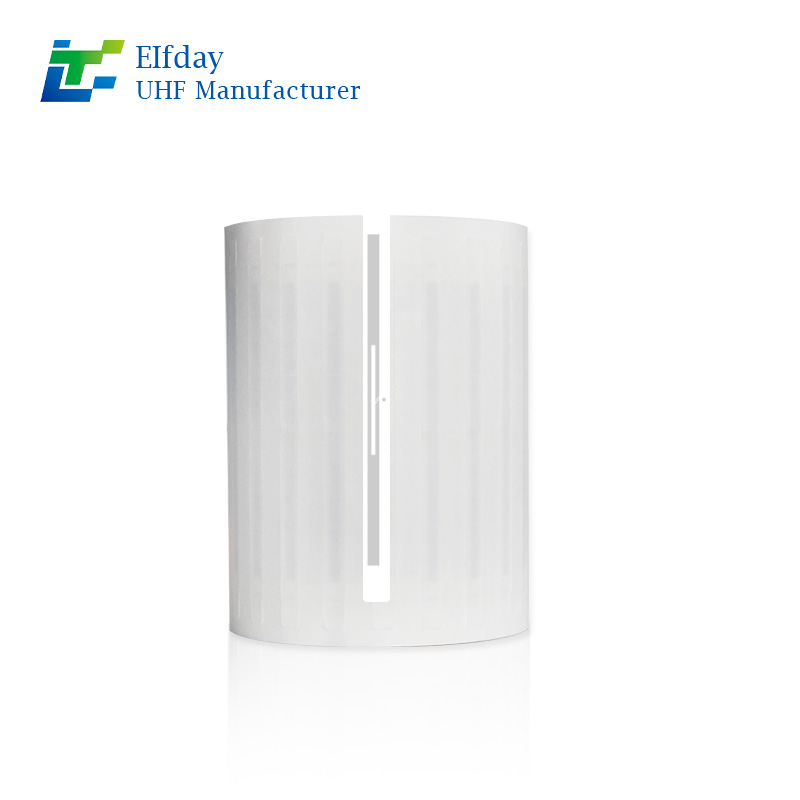
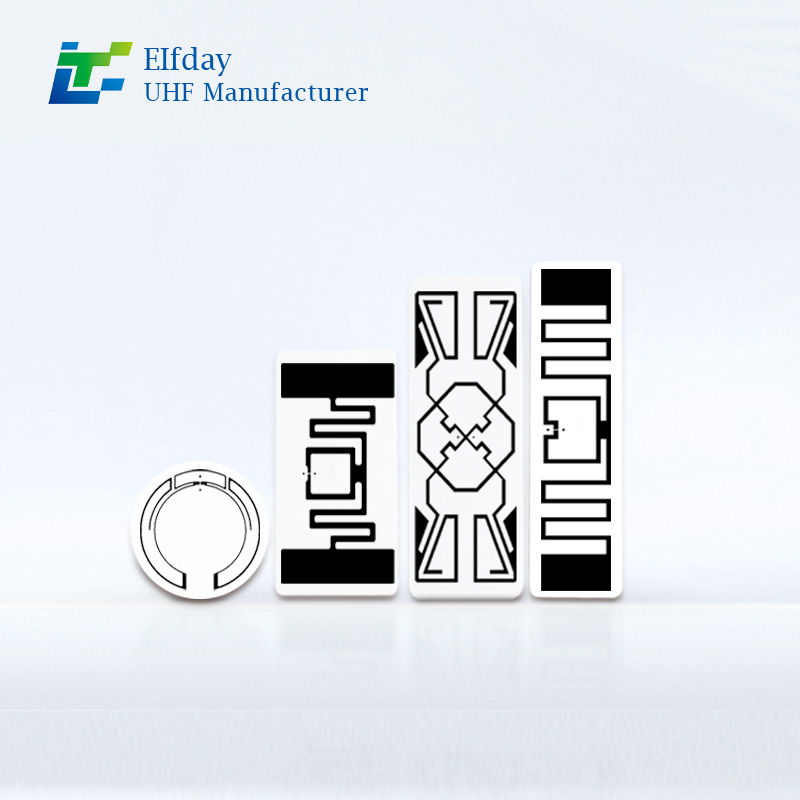
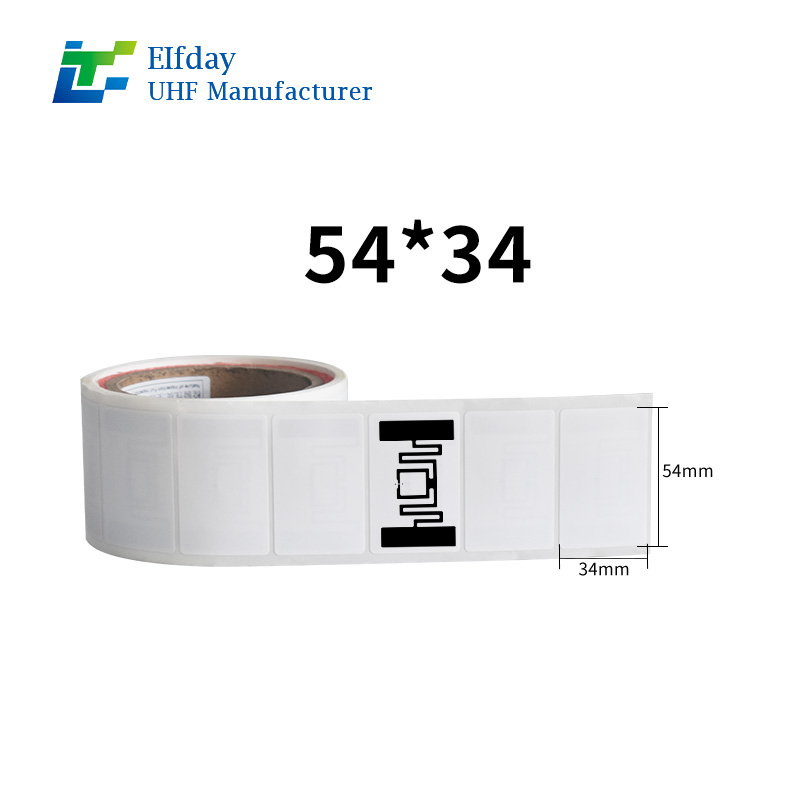
RFID book tags are small, electronic labels embedded with a microchip and antenna that use radio waves to transmit data. Unlike traditional barcodes, RFID tags don’t require direct line-of-sight scanning, which means they can be read from a distance, even when books are stacked together. This enables libraries to automate many of their processes, making them faster, more accurate, and far more efficient.
Key Benefits of RFID Book Tags
1. Faster Checkouts and Returns
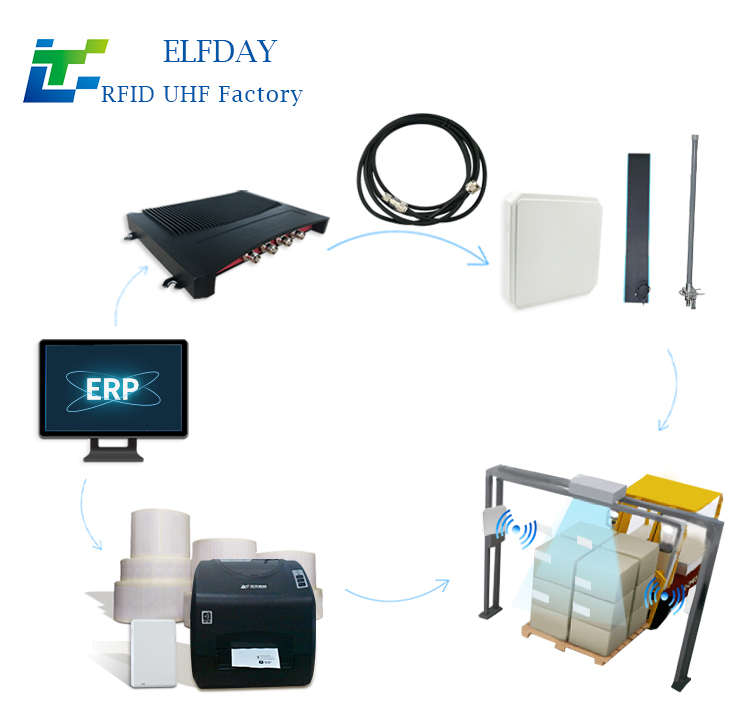
One of the most significant advantages of RFID book tags is the speed at which books can be checked out and returned. With RFID technology, librarians can simply place a stack of books on an RFID reader, and the system will automatically scan and register them all in seconds. This eliminates the need for manual scanning of individual barcodes, reducing wait times for patrons and improving overall service efficiency.
2. Improved Inventory Management
Tracking library books has always been a challenge, especially for large collections. RFID book tags make inventory management significantly easier by allowing libraries to conduct automatic inventory checks in just minutes. Whether you’re scanning entire shelves or conducting a full library inventory, RFID systems can instantly identify any missing or misplaced books.
3. Enhanced Security
RFID book tags also provide an added layer of security. With the right setup, RFID systems can automatically detect if books are being taken without being properly checked out. This significantly reduces the risk of theft and loss, which can be a major concern for libraries. Libraries can also set up automated gates at entrances that detect RFID tags, preventing books from being removed without authorization.

4. Better Patron Experience
The convenience and speed of RFID technology offer a better experience for library patrons. Instead of waiting in long lines, users can check out multiple items in seconds. The simplicity of the process also improves satisfaction, leading to better user retention and more frequent visits.
5. Cost Efficiency in the Long Run
Though implementing an RFID system might require an initial investment, the long-term benefits far outweigh the costs. Libraries can reduce labor costs, eliminate the need for manual inventory checks, and lower the risk of theft. Over time, the savings and increased efficiency will more than compensate for the initial setup.
How RFID Book Tags Can Help Your Library Stand Out
In today’s competitive landscape, libraries are looking for ways to stay relevant and provide the best possible services to their communities. By adopting RFID book tags, libraries not only improve their operational efficiency but also position themselves as tech-savvy institutions that embrace innovation.
As patrons become accustomed to fast and seamless service in every aspect of life, libraries that implement RFID technology will stand out as modern, forward-thinking institutions. This can increase public interest, attract more visitors, and even drive additional funding or grants aimed at technological advancement.
RFID Book Tags: A Smart Investment for the Future
Libraries are increasingly looking for ways to reduce operational costs while providing faster, more efficient services. RFID book tags are the perfect solution. They streamline book management, reduce wait times for patrons, and improve security, all while providing a better overall user experience.
If you’re looking to modernize your library, improve efficiency, and enhance your patrons’ experience, investing in RFID technology is the way forward. Not only will it boost your library’s efficiency, but it will also help you stay ahead of the curve and meet the evolving expectations of library visitors.
Ready to Make the Switch?
If you’re ready to boost your library’s efficiency with RFID book tags, it’s time to take action. Reach out to leading RFID solutions providers and get started on upgrading your library system today. Make your library smarter, faster, and more efficient with RFID book tags – the future of library management is here!