













Boosting Library Security with RFID Book Tags
In the ever-evolving world of libraries, security remains one of the most important concerns. Ensuring the safe and efficient management of books and resources is crucial to maintaining an organized and reliable system for both staff and patrons. One of the most effective solutions in modern library security is the use of RFID book tags. This innovative technology offers a range of benefits that not only enhance security but also improve the overall user experience. Here's how RFID book tags can transform library security and streamline operations.
What Are RFID Book Tags?
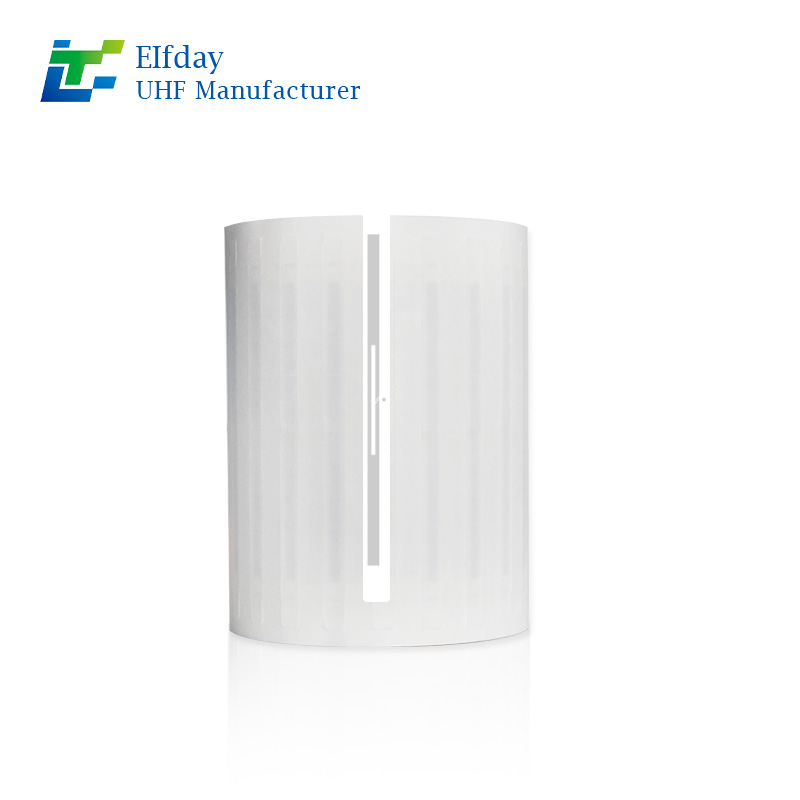
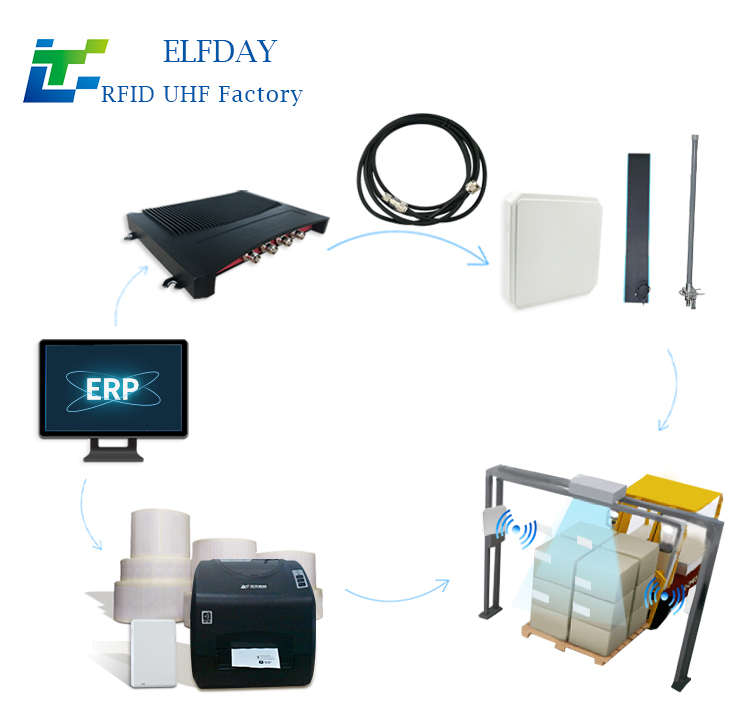
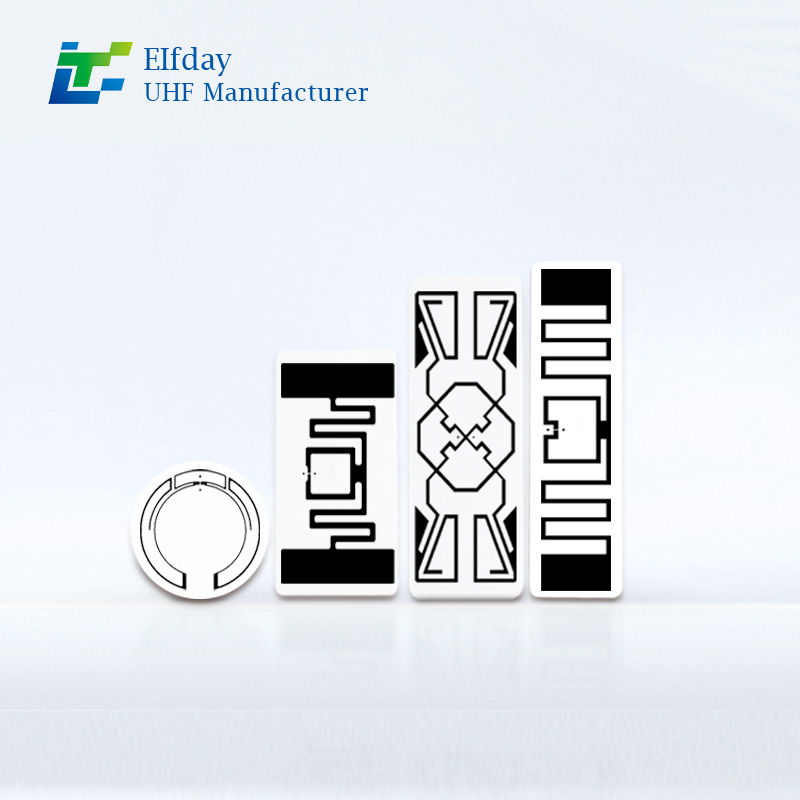
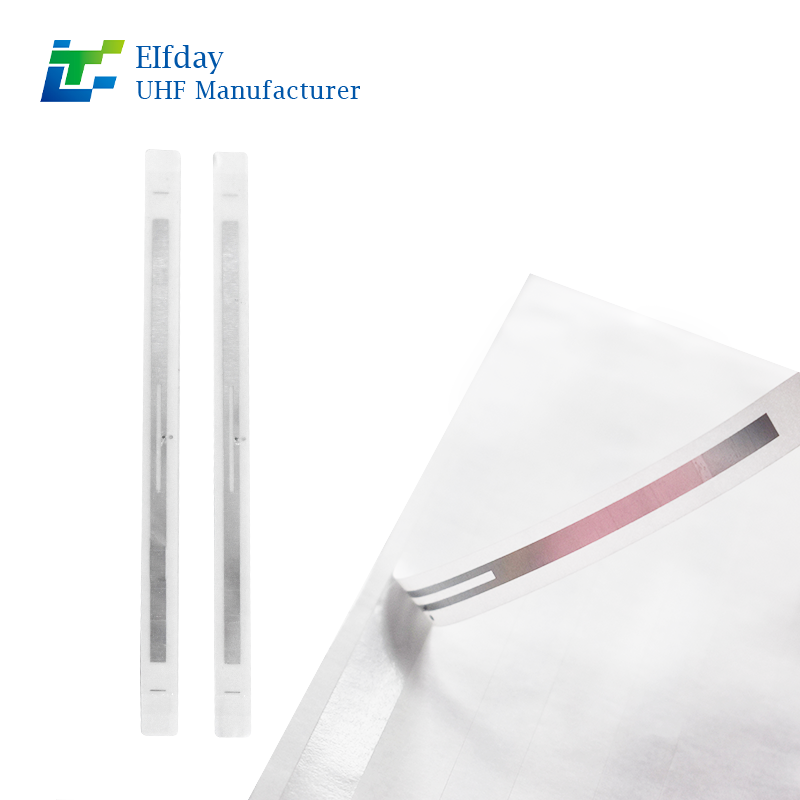
RFID (Radio Frequency Identification) book tags are small, electronically readable labels that are attached to library books. These tags use radio waves to communicate with RFID readers, enabling real-time tracking and identification of books. Each RFID tag contains a unique identifier, making it easy to keep track of books as they are checked in and out of the library. This system eliminates the need for manual barcode scanning, reducing errors and increasing efficiency.
Enhancing Library Security
One of the key advantages of RFID book tags is their ability to enhance security. In traditional libraries, theft and loss of books can be a significant issue. RFID technology allows for the implementation of advanced security measures, including:
Real-Time Tracking: RFID book tags provide precise information on the location of each book in the library, allowing staff to quickly locate any missing items. This feature significantly reduces the chances of theft and loss.
Anti-Theft Alarms: RFID readers installed at library entrances can detect when a book with an active RFID tag passes through without being checked out. This alerts staff to potential theft, making it easier to prevent unauthorized removal of materials.
Streamlined Inventory Management: With RFID technology, libraries can conduct inventory checks in a fraction of the time it would take with traditional methods. A handheld RFID reader can scan entire shelves of books in seconds, allowing staff to keep track of the library’s inventory without manually scanning each item.
Improving User Experience
While security is a priority, RFID book tags also play a critical role in enhancing the user experience. Here’s how:
Faster Checkouts: With RFID, library patrons no longer need to wait for staff to manually scan each book. Instead, they can simply place their books on an RFID-enabled checkout counter, where all items are processed in seconds. This reduces wait times and makes the checkout process more convenient for users.
Self-Checkout Stations: RFID technology empowers libraries to set up self-checkout stations, allowing patrons to check out books independently. This increases convenience and efficiency, particularly during peak hours when staff may be busy.
Efficient Returns and Renewals: RFID systems also streamline the process for book returns and renewals. Books can be easily scanned and updated in the system, reducing errors and improving the overall circulation process.
Why RFID Book Tags Are the Future of Library Security
As libraries continue to embrace technology, RFID book tags are poised to become a standard solution for enhancing security and improving operations. They offer a cost-effective way to secure resources, enhance user convenience, and streamline library workflows. With the growing trend of automation and digital transformation in libraries, RFID is an essential investment for any library looking to stay ahead of the curve.
RFID Book Tags for Security and Efficiency
Incorporating RFID book tags into your library system isn’t just about improving security—it’s about future-proofing your library for the digital age. Whether you’re looking to reduce theft, improve efficiency, or enhance the user experience, RFID technology is a smart and sustainable solution.
Are you ready to take your library’s security to the next level? Explore the wide range of RFID book tags available and see how they can transform your library’s security and operations today.