








Catering Giant Eliminates Waste Using RFID Tags for Perishable Goods Tracking
Imagine preparing meals for twenty thousand people every single day. Now imagine throwing away thousands of dollars worth of fresh food because you simply could not tell which tray of chicken salad had been sitting in the cooler the longest.
That was the reality for one of North America’s largest catering companies. They served airlines, corporate cafeterias, and event venues. And they had a waste problem that would not go away.
Every morning, kitchen managers walked through walk‑in coolers with clipboards. They checked date labels by hand. They guessed which ingredients to use first. And despite their best efforts, they still discarded massive amounts of perfectly edible food — simply because they could not track it accurately in real time.
Then they discovered RFID tags for perishable goods tracking.
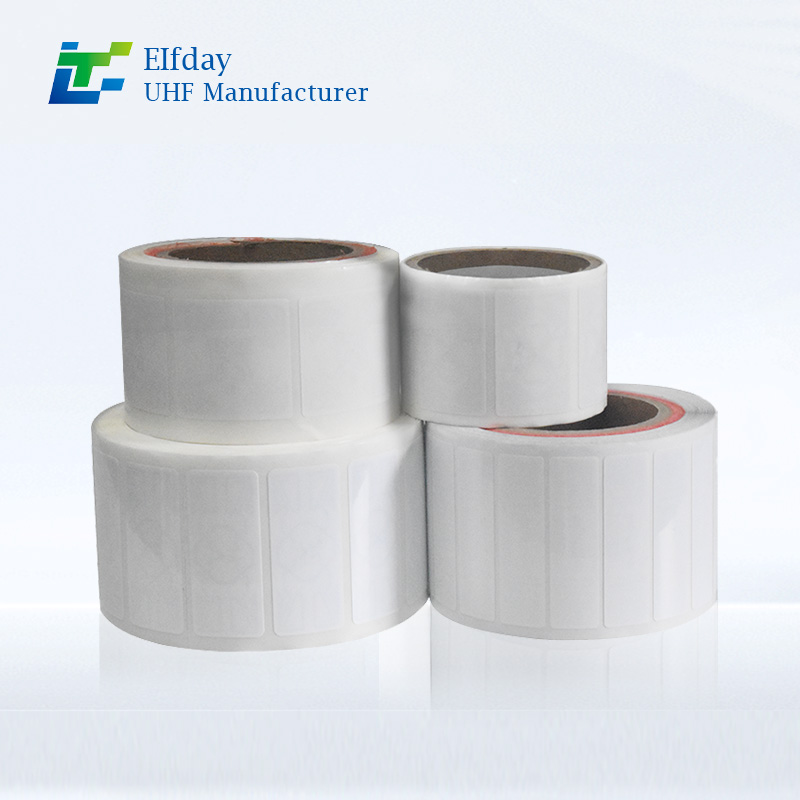
Not the expensive, complex kind. Just simple, rugged, water‑resistant tags attached to every ingredient tray and finished meal container. Within ninety days, their food waste dropped by more than half. And the kitchen staff stopped playing guessing games.
Here is how they did it — and why it could work for you too.
The Problem: Too Much Fresh Food, Too Little Visibility
This catering giant was growing fast. They produced hundreds of different dishes every shift: salads, hot entrees, dairy‑based desserts, fresh fruit platters. Everything had a short shelf life. Some items, like smoked salmon or soft cheese, needed to be used within two days.
The old system relied on paper labels and human memory. A worker would write a preparation date on a piece of tape and stick it to a plastic container. Then that container went into a crowded cooler. When the next shift arrived, someone had to dig through stacks, find the oldest label, and hope it was still safe.
Spoilage happened constantly. Items got pushed to the back and forgotten. Temperature excursions went unnoticed because nobody checked logs in real time. And when a health inspector asked for proof of proper rotation, the catering company had nothing but handwritten notes.
Management knew they were losing money. But they did not know exactly how much — or where the biggest leaks were.
That is when they started looking at RFID tags for perishable goods tracking.
The Solution: Simple Tags, Real‑Time Data
They did not rip out their entire kitchen system. They did not hire a team of data scientists. They simply started attaching RFID tags for perishable goods tracking to every batch of prepared food.
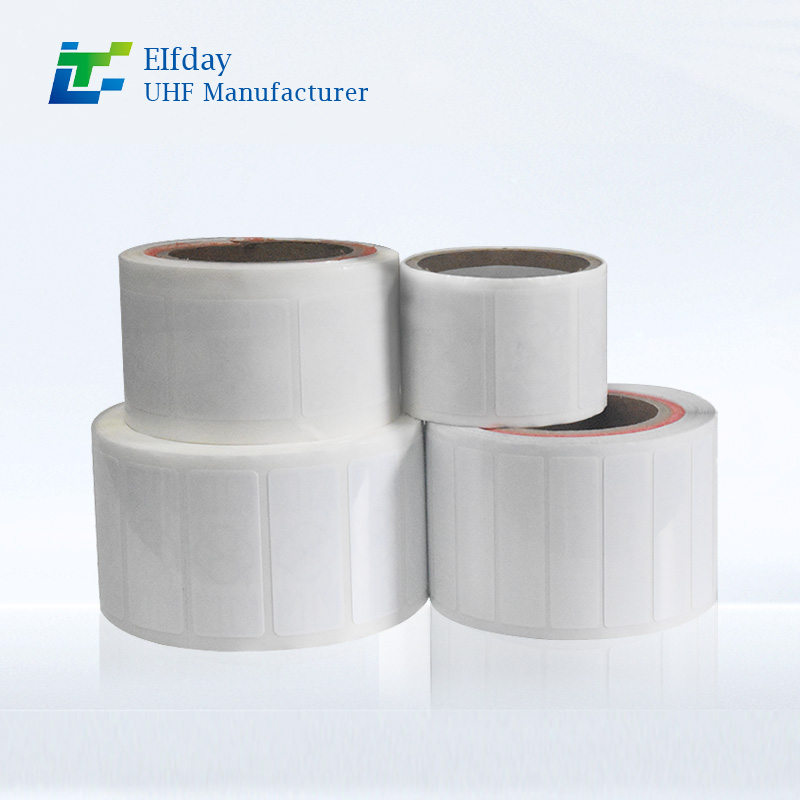
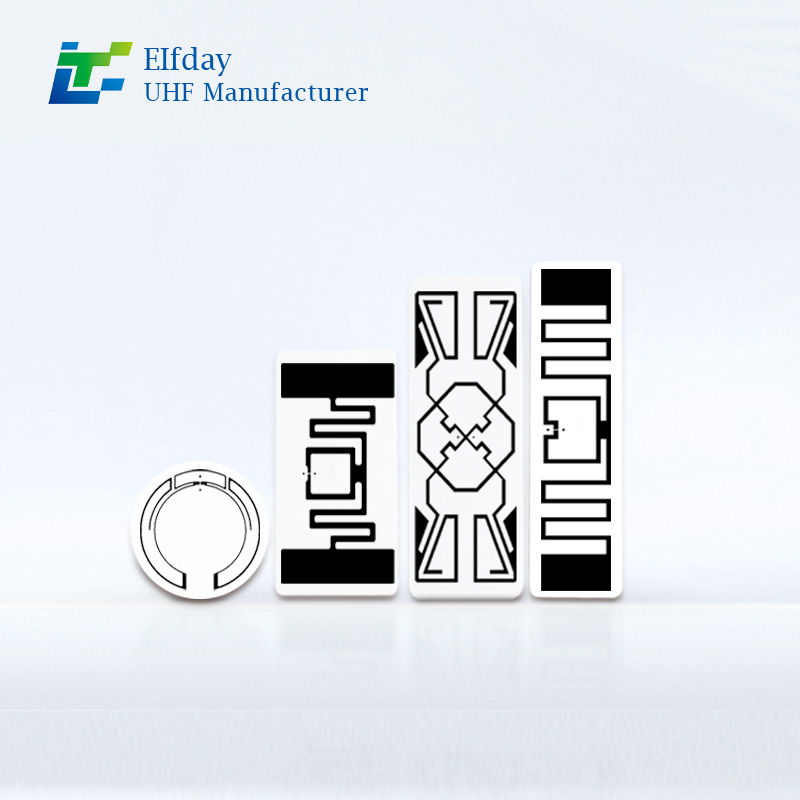
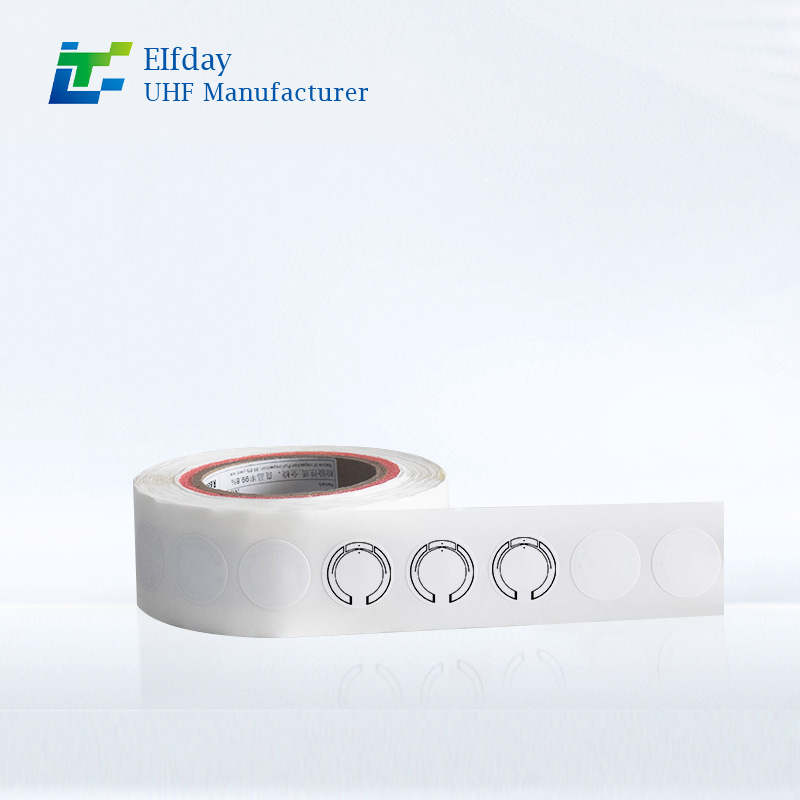
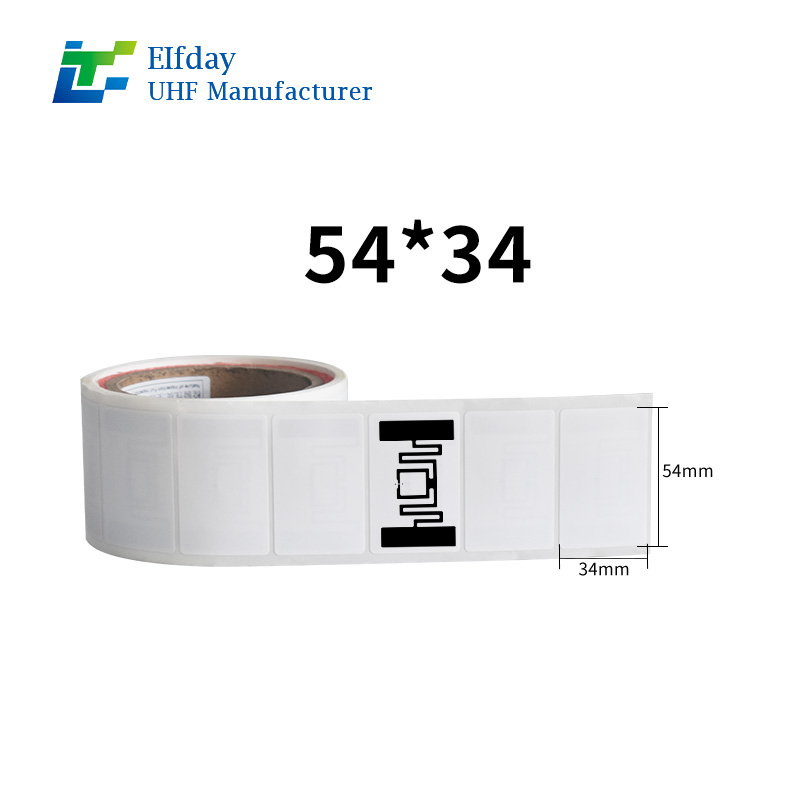
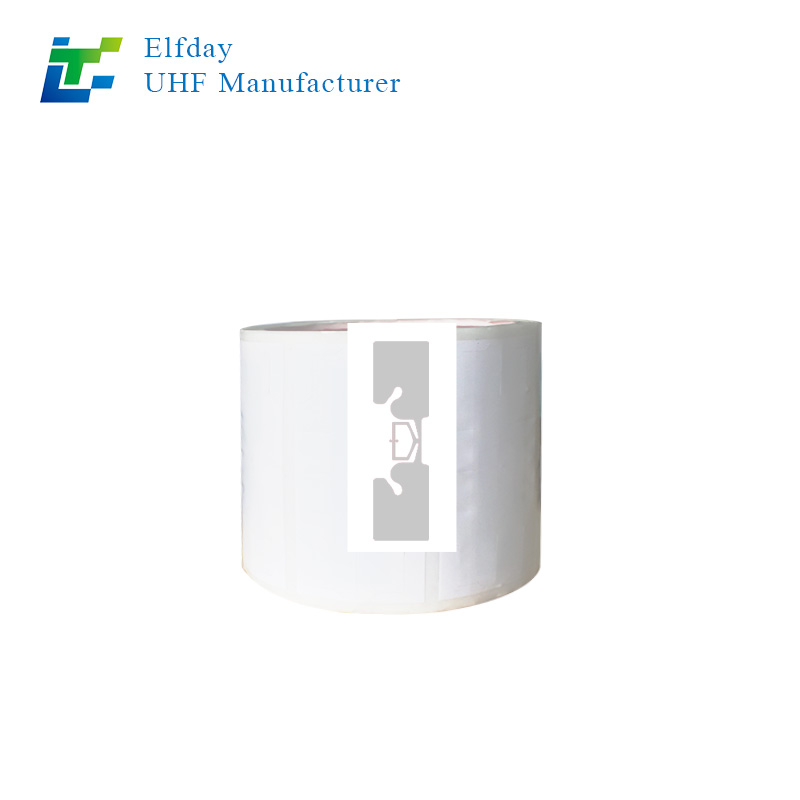
Each tag was encoded with a unique ID linked to a digital record. That record contained the product name, preparation time, use‑by deadline, and storage location. The tags were waterproof and able to survive commercial dishwashers, so they could be reused hundreds of times.
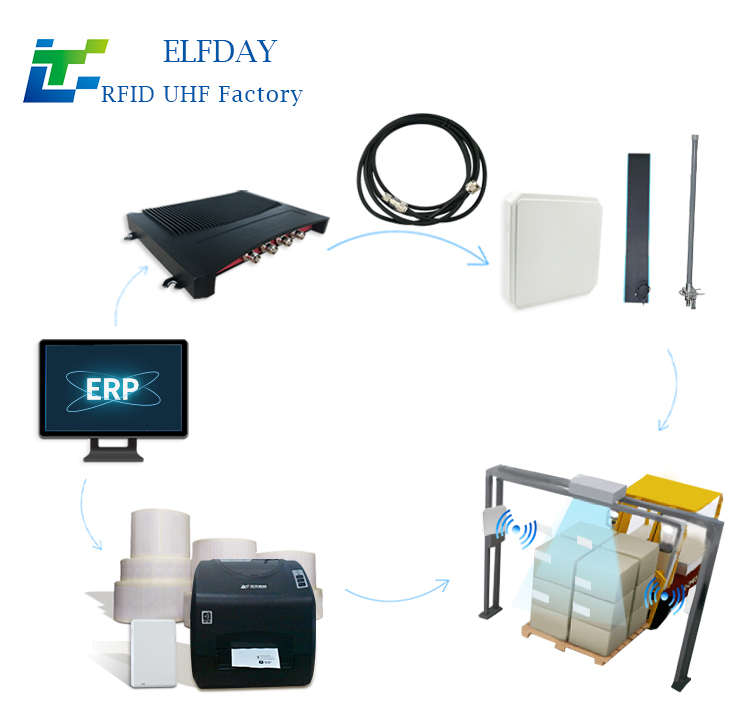
Then they installed a few fixed readers at cooler doorways and handheld readers for inventory checks. Every time a tagged container moved in or out of a cooler, the system automatically updated a live dashboard.
Suddenly, kitchen managers could see exactly what was inside their coolers — without opening a single door. They could sort by remaining shelf life. They could flag items that were about to expire and push them to the front of the line.
No more clipboards. No more sticky notes. Just clean, reliable data.
The Results: Less Waste, Faster Service, Happier Clients
The impact showed up almost immediately.
First, spoilage dropped. In the first month alone, the catering company reduced discarded ingredients by over thirty percent. Items that used to get lost in the back of a cooler now sent automatic alerts when their use‑by date was approaching. Kitchen staff could rescue those items and turn them into daily specials or donate them before they spoiled.
Second, labor efficiency improved. Workers used to spend hours every week on manual inventory counts. With RFID tags for perishable goods tracking, a single person could walk through all three coolers in under fifteen minutes. The handheld reader captured every tag in seconds. No bending, no searching, no double‑counting.
Third, food safety audits became painless. Instead of digging for paper records, the catering company printed a simple report showing the complete history of any batch. Regulators loved it. And so did the company’s largest clients, who demanded proof of proper cold chain management.
Fourth, customer complaints about stale or expired food dropped to nearly zero. When an airline serves thousands of in‑flight meals every day, even a few complaints about a wilted salad or curdled yogurt can hurt a contract. The catering giant eliminated those problems by ensuring that every tray was used well within its safe window.
What Made It Work for a High‑Volume Kitchen
You might be thinking: “My operation is different. I run a small deli, not a catering empire.”
But the principles are the same. Perishable goods are perishable goods, whether you are handling a hundred trays or a hundred thousand.
Here is what this catering company did right — and what you can copy.
They started with the biggest waste category first. For them, it was prepared salads and dairy items, which had the shortest shelf life. They did not try to tag everything on day one. They focused on the pain point.
They chose reusable tags. Single‑use tags would have been too expensive for their volume. Instead, they bought rugged RFID tags for perishable goods tracking that could survive commercial washing and reuse for months. The upfront cost paid for itself in waste reduction within weeks.
They trained their staff simply. No complicated software. Kitchen workers just placed a tagged container on a reader pad when they finished prepping it. The system did the rest. Within two days, everyone understood the workflow.
They used alerts, not just reports. Instead of waiting for a weekly waste report, the system sent daily push notifications to shift managers: “Twelve trays of potato salad expire in four hours. Use now.” Those alerts drove immediate action.
Why This Matters Beyond One Catering Company
Food waste is a massive problem across the entire perishable goods industry. Restaurants, grocery stores, food banks, and distribution centers all struggle with the same invisible loss. You cannot fix what you cannot see.
RFID tags for perishable goods tracking make the invisible visible. They turn a chaotic cooler full of mystery boxes into a tidy, searchable inventory. They tell you exactly what you have, where it is, and when it will go bad.
And they do not require a PhD in engineering. The same technology that helped a catering giant cut waste can help any business that handles fresh food.
Think about your own operation. How much product do you throw away each week because you missed the use‑by date? How many labor hours disappear into manual counting and label checking? How many times have you failed an audit because your paper trail had holes?
Those are not small problems. They add up to real stress, real customer disappointment, and real lost opportunity.
A Few Practical Tips If You Want to Try This
You do not have to be a giant to benefit. Here is how to get started.
Identify your top three waste items. Maybe it is cut fruit, deli meats, or fresh pasta. Start with those.
Buy a small batch of reusable RFID tags. Look for water‑resistant models that can handle your environment — especially if you work in a humid kitchen or frequent washing.
Use a simple mobile reader. You do not need fixed portals right away. A handheld Bluetooth reader paired with a tablet is enough to test the concept.
Run a two‑week pilot. Tag one cooler or one product line. Compare waste and labor time against a similar line without tags. The difference will likely convince you.
Scale from there. Once you see the savings, expand to other coolers, other product categories, and eventually your entire perishable supply chain.
The catering giant we talked about started exactly that way. A small test. A few tags. A single cooler. Within a year, they had rolled out RFID tags for perishable goods tracking across three distribution centers and two central kitchens. Their waste went from a painful line item to a manageable number.
The Bottom Line
Fresh food is expensive. Letting it spoil because you cannot track it is just throwing money into a dumpster.
The catering giant in this story eliminated waste not by buying fancier refrigeration or hiring more managers. They did it by seeing what was inside their coolers — second by second, tray by tray. And the tool that gave them that vision was a simple, rugged RFID tag.
You can do the same. Whether you run a small sandwich shop, a hotel kitchen, or a regional food distributor, RFID tags for perishable goods tracking can help you stop guessing and start knowing.
Less waste. Fresher food. Happier customers.
That is not a fantasy. That is exactly what happened when one company finally decided to track their perishables the right way.
Now it is your turn.