










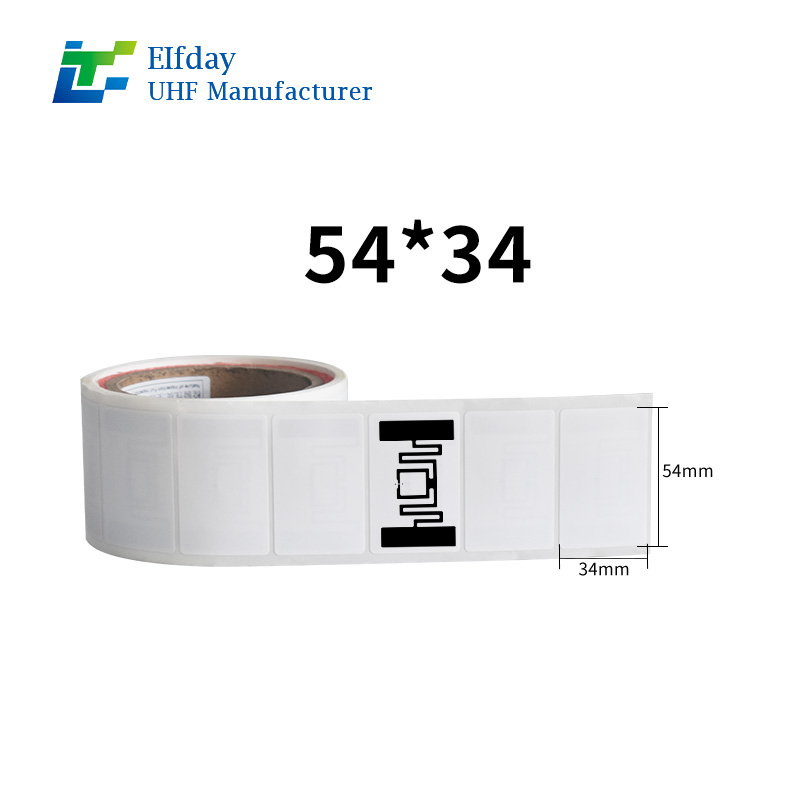
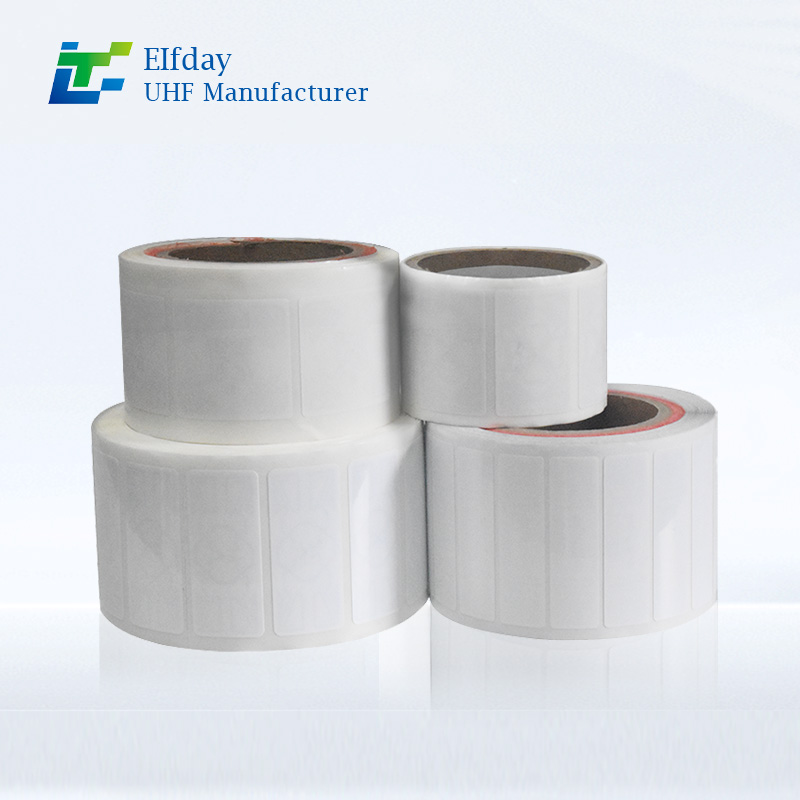
Eliminating Manual Errors with RFID Tags for Aircraft Parts
Every time an aircraft takes off, there is a silent promise between the airline and its passengers: every component, no matter how small, is exactly where it should be, properly maintained, and fully accounted for. In aviation, the margin for error is zero. Yet, for decades, the systems used to track aircraft parts have relied heavily on manual processes—clipboards, spreadsheets, handwritten logs, and barcode scanners that require a clear line of sight and a steady human hand.
Manual data entry in aviation maintenance, repair, and overhaul (MRO) operations is not just an inefficiency. It is a liability. A single transposed digit in a part number, a misread serial number, or a forgotten scan can lead to costly AOG (Aircraft on Ground) situations, compliance violations, or, in worst-case scenarios, safety risks. This is where RFID tags for aircraft parts are fundamentally changing the game.
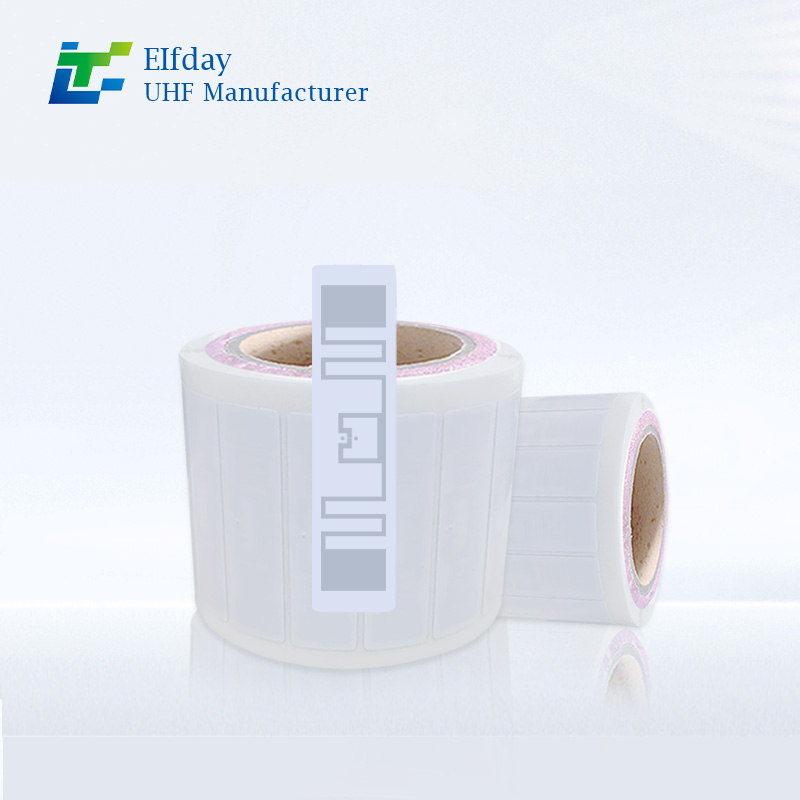
Moving beyond traditional tracking methods, RFID (Radio Frequency Identification) technology replaces error-prone manual processes with automated, real-time accuracy. For MRO facilities, warehouses, and airline operations, the adoption of RFID tags for aircraft parts represents a shift from reactive inventory management to proactive, precision-driven logistics.
The Hidden Cost of Manual Processes
To understand the value of automation, it helps to look at the true cost of manual tracking. Consider a typical busy MRO hangar. Technicians work long shifts, often under pressure to return aircraft to service. In this environment, every part that comes off a wing, goes into the rotable pool, or arrives from the supply chain must be logged.
When a warehouse team relies on handheld barcode scanners, they must physically locate the tag, aim the scanner, and wait for the beep. If the label is scratched, dirty, or positioned on the back of a shelf, the process slows down. Worse, if a worker forgets to scan a part when it moves to a different bay, the digital inventory becomes inaccurate. That discrepancy often isn’t discovered until someone is looking for that specific part during a critical maintenance window.
These small, seemingly harmless manual errors accumulate. They result in:
Stockouts of high-value rotable parts, forcing expensive last-minute shipments.
Redundant purchases because a part is marked as “lost” when it is simply misplaced.
Audit failures, where paper trails don’t align with physical assets.
Hours of labor wasted every week on cycle counts and reconciliation.
For organizations managing fleets of aircraft, these inefficiencies translate directly into operational delays and increased costs.
How RFID Tags for Aircraft Parts Redefine Accuracy
The core advantage of RFID tags for aircraft parts lies in their ability to provide data without human intervention. Unlike barcodes, which require a direct line of sight, RFID tags use radio waves to communicate with readers. A single reader can capture data from hundreds of tags in seconds, whether the parts are stacked on shelves, secured in bins, or mounted on an aircraft.
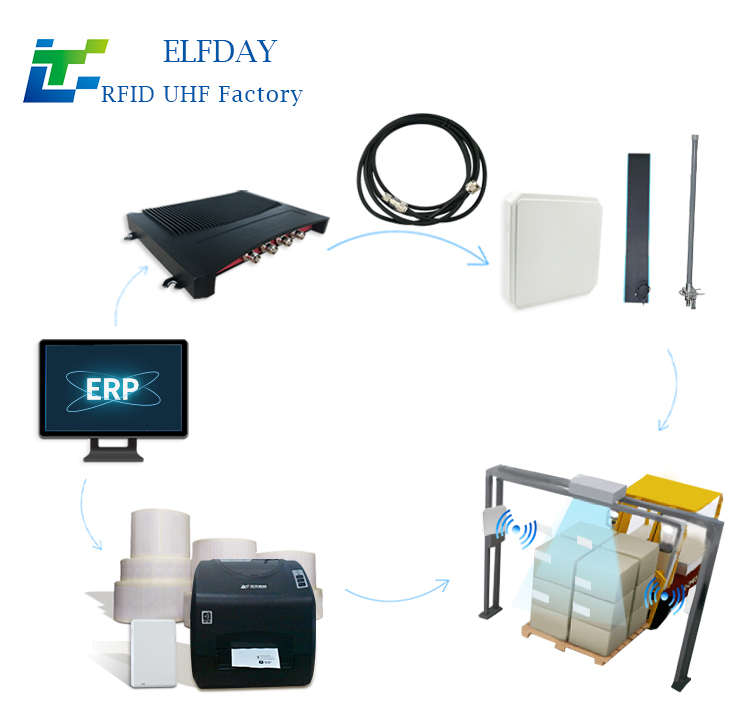
When you integrate RFID tags for aircraft parts into your supply chain, the process becomes seamless. As a tagged part passes through a doorway equipped with a fixed reader, its location is automatically updated in the system. When a technician takes a part from a tool crib or a parts locker, the system records the transaction instantly.
This level of automation eliminates the three most common sources of manual error:
Transcription Errors: No one has to type a serial number or part number. The RFID tag transmits the exact data electronically.
Omission Errors: With manual systems, it is easy to skip a scan when busy. RFID automates the capture, so nothing is missed.
Location Errors: Traditional systems rely on a worker remembering where they put a part. RFID provides real-time location data, so parts are never “lost” in the system.
For maintenance teams, this means no more frantic searches for a specific life-limited part that was “supposed to be” on the third shelf. For supply chain managers, it means inventory accuracy rates that consistently exceed 99 percent.
Strengthening Compliance and Safety
In the aviation industry, documentation is just as important as the hardware itself. Regulatory bodies like the FAA and EASA mandate strict traceability for all aircraft components. Every part must have a documented history—from its manufacturing origin, through every installation, removal, repair, and inspection.
RFID tags for aircraft parts support this digital thread in a way that manual paperwork cannot match. Each tag can carry a unique identifier that links to a secure digital record. When a part moves, its history moves with it. This creates an immutable chain of custody that is invaluable during audits or incident investigations.
Moreover, RFID technology helps combat one of the most serious threats in aviation: counterfeit parts. Unscrupulous suppliers sometimes introduce unapproved parts into the supply chain. With a robust RFID system, operators can instantly verify the authenticity of a part by reading its tag and cross-referencing it with the manufacturer’s database. If the tag does not match the expected data, the system flags it immediately, preventing an unairworthy part from ever reaching the flight line.
Improving Technician Experience and Operational Flow
There is a human element to this technology that often goes overlooked. Skilled aviation technicians are among the most valuable assets in any operation. When they spend 20 to 30 percent of their day searching for parts, filling out forms, or correcting inventory discrepancies, that is time they are not dedicating to skilled maintenance work.
By implementing RFID tags for aircraft parts, organizations empower their technicians to focus on what they do best. Instead of hunting for a tagged component, a technician can look at a mobile device to see exactly where it is stored. Instead of waiting for a parts clerk to manually check out a component, they can simply walk through an RFID-enabled doorway, and the system logs the transaction automatically.
This improves job satisfaction and retention among technical staff. It also accelerates turnaround times. When maintenance is completed faster, aircraft return to revenue service sooner. For airlines and MRO providers, that speed translates directly to fleet availability and customer satisfaction.
Durability Built for Aviation Environments
One of the common questions raised about this technology is whether standard tracking solutions can survive the harsh conditions of aviation. Aircraft parts are exposed to extreme temperatures, hydraulic fluids, vibration, and pressure changes. A paper label or a consumer-grade tag would not last long in such environments.
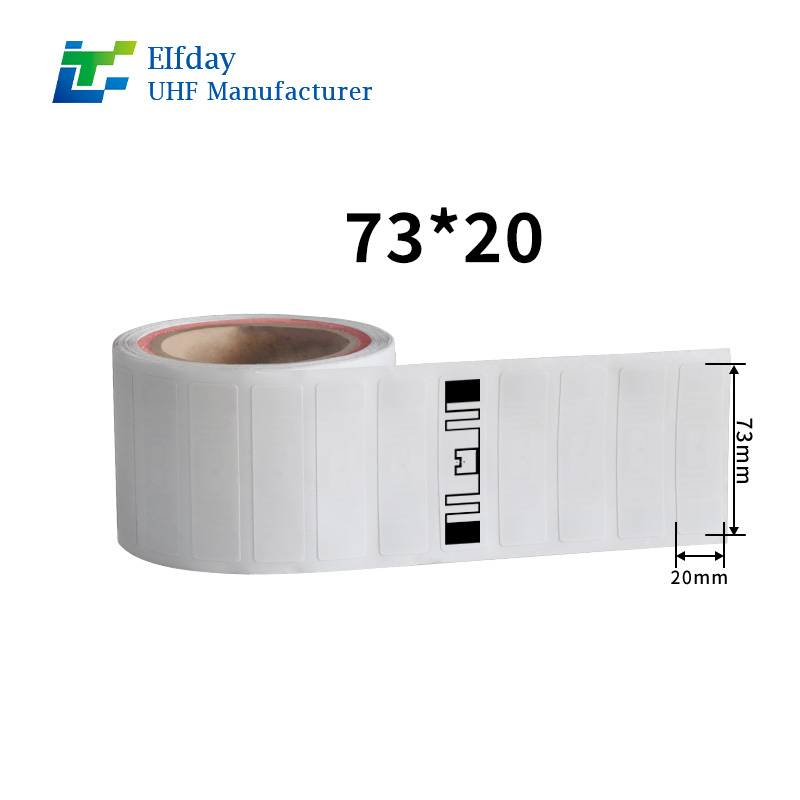
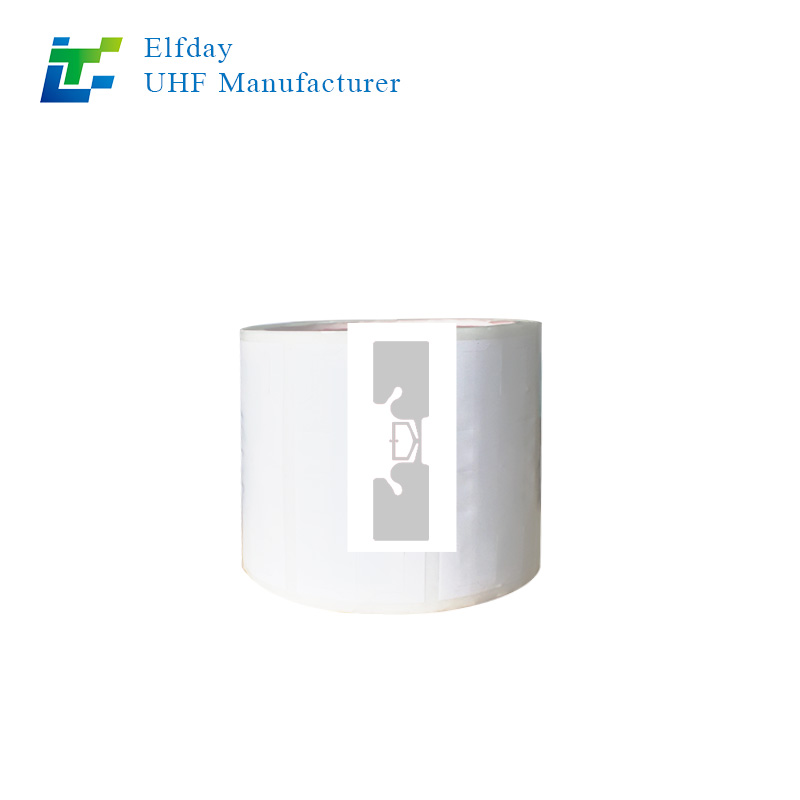
Fortunately, modern RFID tags for aircraft parts are engineered specifically for these challenges. High-temperature RFID tags are designed to withstand the heat cycles of engine components. On-metal tags are optimized to perform when attached directly to aluminum or titanium surfaces. Some tags are encased in rugged, tamper-proof materials that resist chemical exposure and physical impact.
Manufacturers have developed tags small enough to be embedded in composite materials, yet durable enough to last for the entire lifecycle of a component. This durability ensures that the investment in RFID infrastructure provides returns for years, not months.
Making the Business Case
For organizations evaluating whether to transition to automated tracking, the decision often comes down to a clear calculation of value. While the upfront investment in RFID tags for aircraft parts, readers, and software integration is a consideration, the return on investment is typically realized in three key areas:
First, labor efficiency. Reducing the hours spent on manual cycle counts, search time, and data entry allows existing staff to focus on higher-value work.
Second, inventory optimization. With accurate real-time data, organizations can reduce excess safety stock, lower carrying costs, and minimize expedited shipping fees for urgently needed parts.
Third, compliance and risk mitigation. Avoiding even one regulatory fine or preventing the installation of a counterfeit part justifies the investment many times over.
Organizations that have implemented RFID tracking often report seeing a return on their investment in less than twelve months, with ongoing operational savings that continue to grow.
Getting Started with RFID Integration
Transitioning from manual tracking to an RFID-enabled system does not have to happen overnight. Most successful implementations begin with a pilot program focused on a high-value area, such as rotable parts or tooling, where the impact of improved accuracy is immediately visible.
From there, organizations can expand the system to include consumables, high-value assets, and eventually full warehouse integration. The key is selecting the right tags for the specific environment. An engine part requires a different tag than a composite panel. Working with an experienced provider ensures that the tags selected are certified for aviation use and compatible with existing enterprise resource planning systems.
Another important consideration is data integration. The value of RFID tags for aircraft parts multiplies when the data they generate feeds directly into maintenance software, supply chain platforms, and digital recordkeeping systems. This creates a single source of truth for every part across the entire organization.
In an industry where precision is non-negotiable, relying on manual processes to track critical assets is an unnecessary risk. The shift to automated identification is not just a technology upgrade; it is a fundamental improvement in safety, efficiency, and reliability.
RFID tags for aircraft parts eliminate the manual errors that have long plagued aviation supply chains. They provide real-time visibility, enforce compliance, protect against counterfeit components, and free up skilled technicians to do the work that matters most. For any organization looking to reduce operational friction and build a more resilient maintenance operation, RFID is not just an option. It is becoming the standard.
If you are ready to explore how RFID tags for aircraft parts can transform your MRO or warehouse operations, the next step is understanding the specific tag types and system architecture that align with your fleet and workflow. The technology is proven. The benefits are measurable. And in aviation, where every second and every part counts, the move to eliminate manual errors is one of the most impactful decisions you can make.