








Enhancing Asset Management in Hospitals with RFID Tags
In the fast-paced and high-stakes environment of healthcare, hospitals face constant pressure to ensure efficiency, reduce costs, and maintain patient safety. One of the key areas where technology can make a significant difference is in asset management. With the rise of RFID (Radio Frequency Identification) tags, hospitals are now able to track and manage their valuable medical equipment and assets more efficiently than ever before.
What Are RFID Tags and How Do They Work in Hospitals?
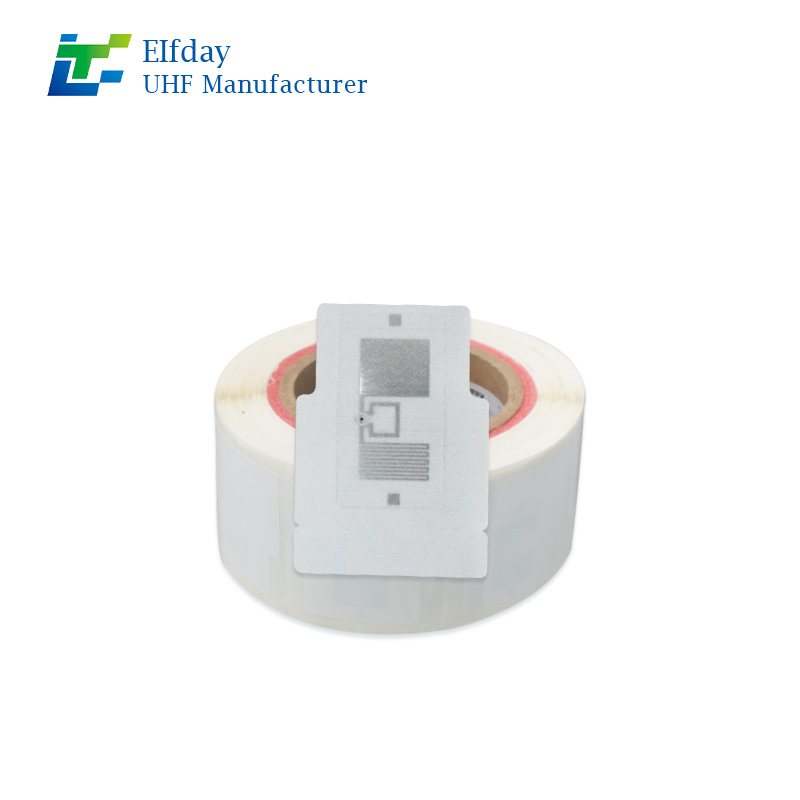
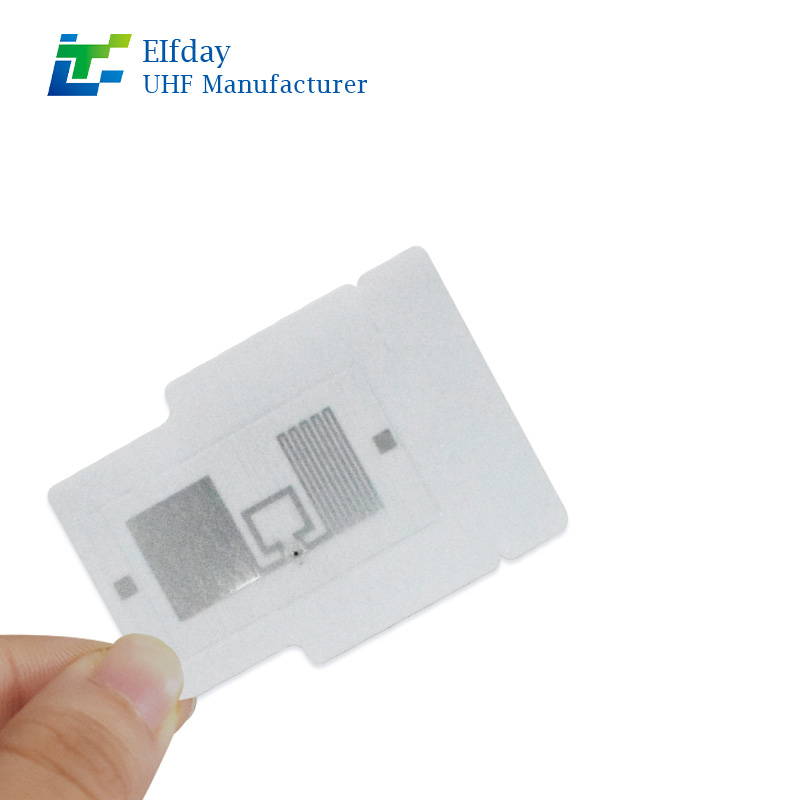
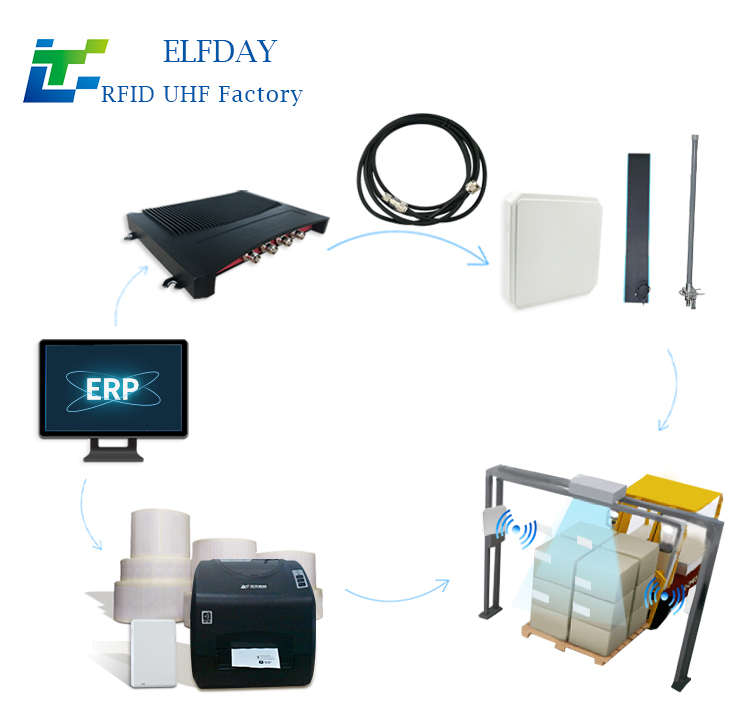
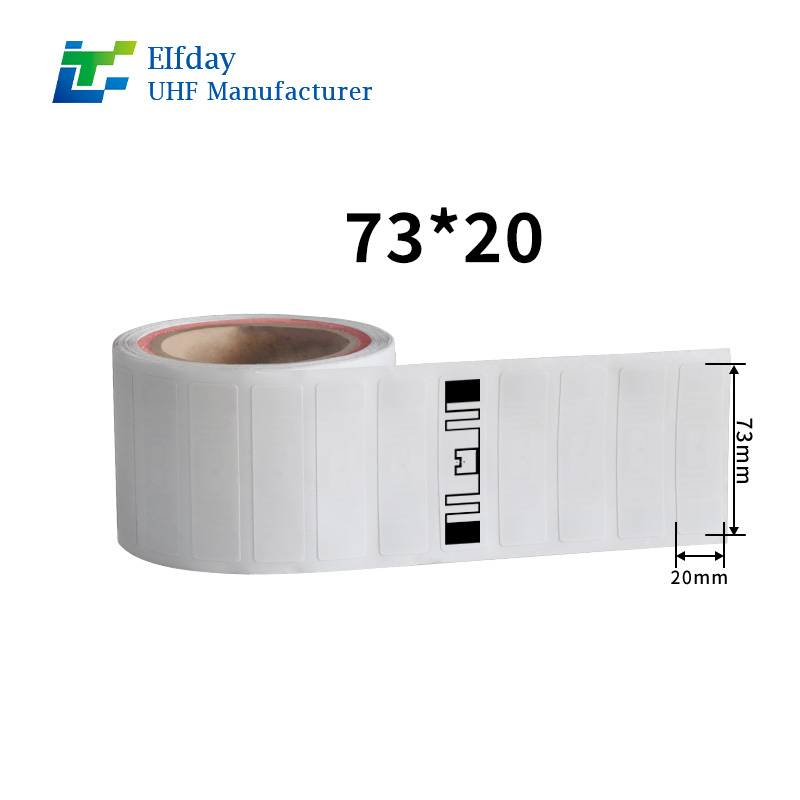
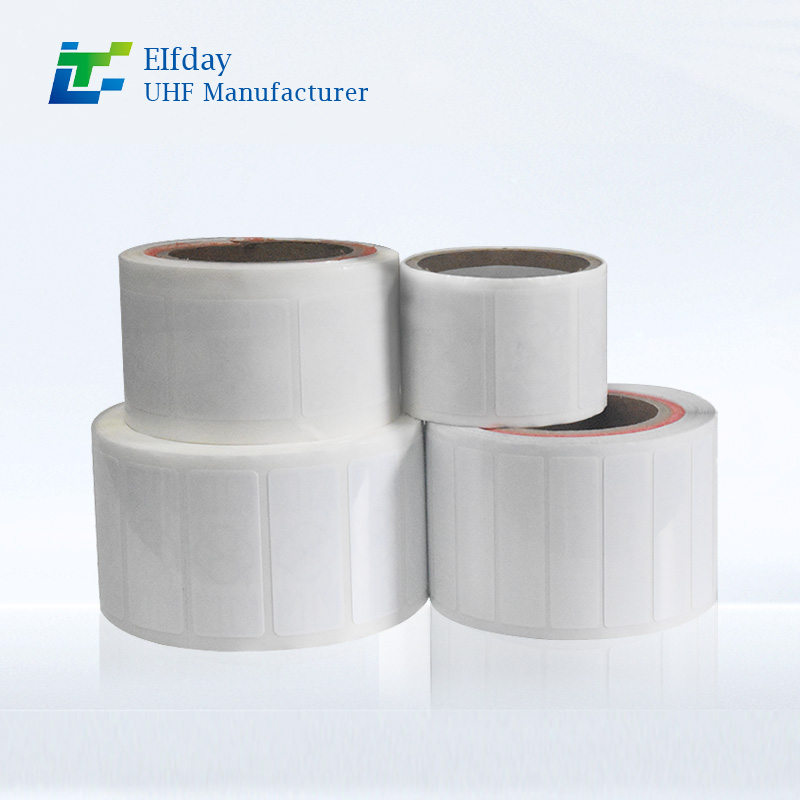
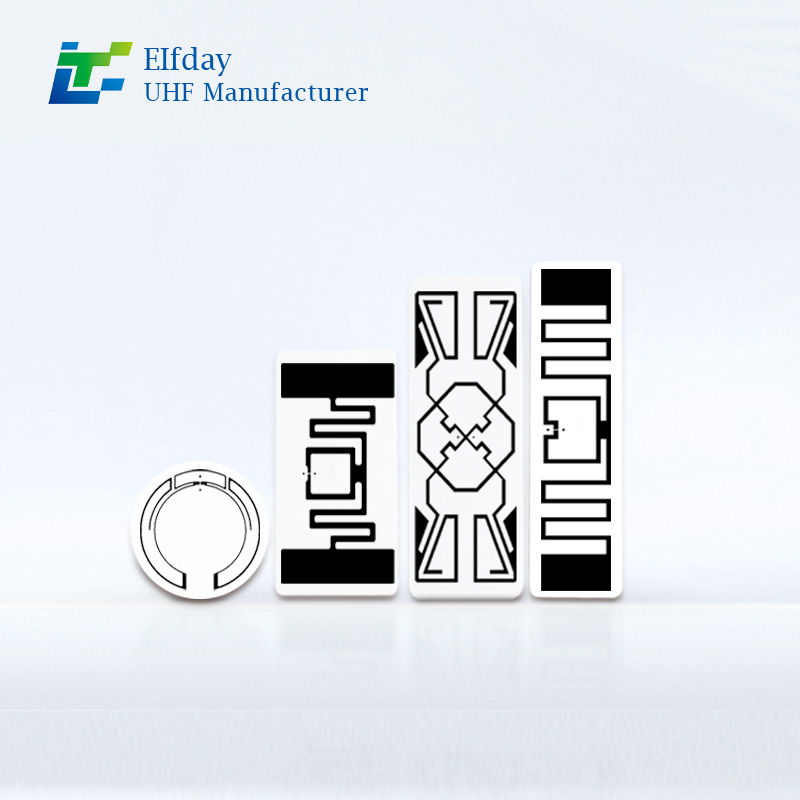
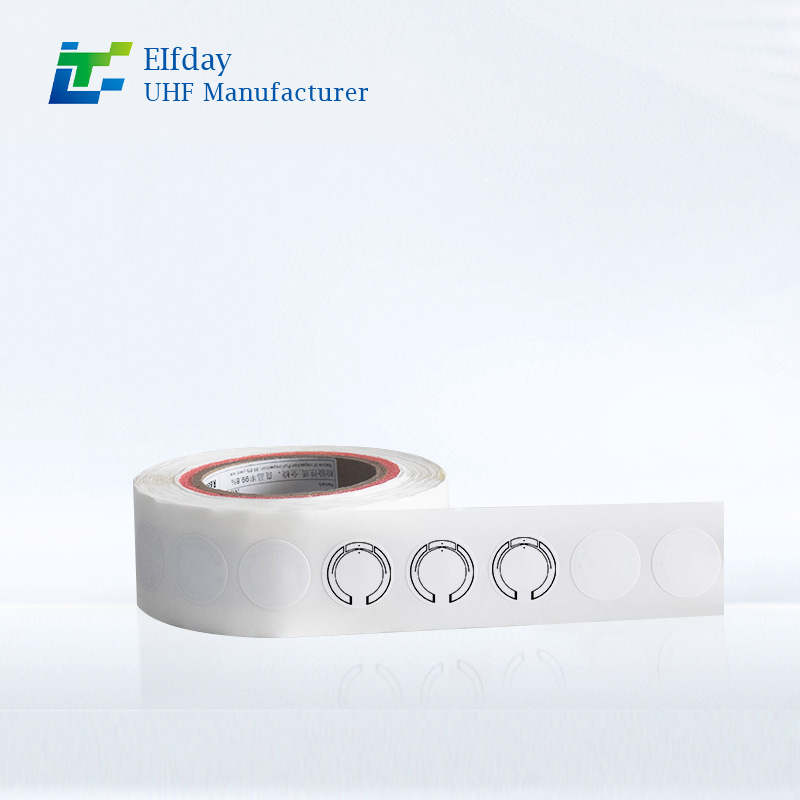
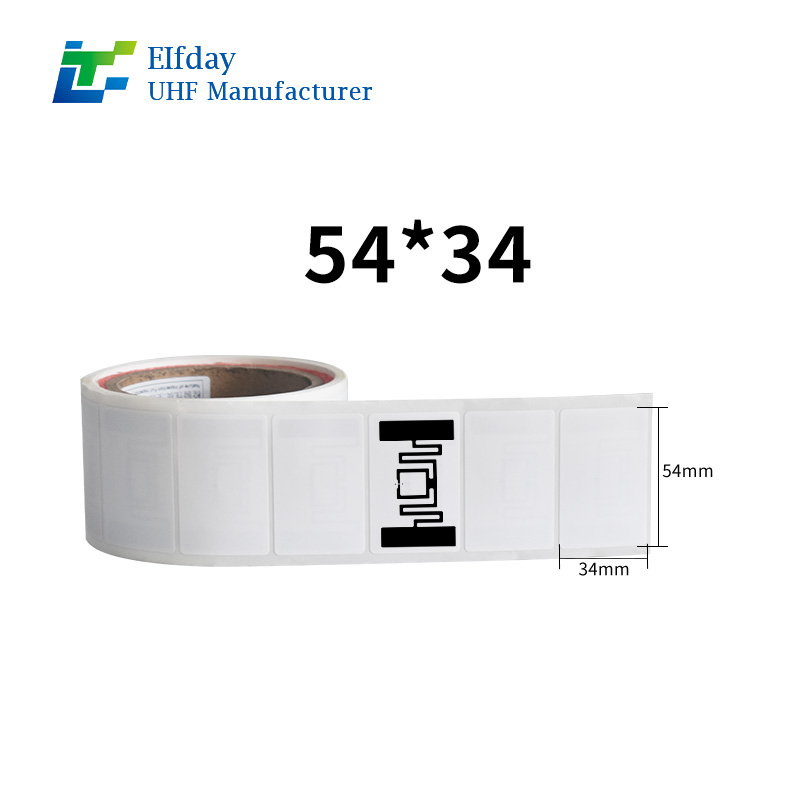
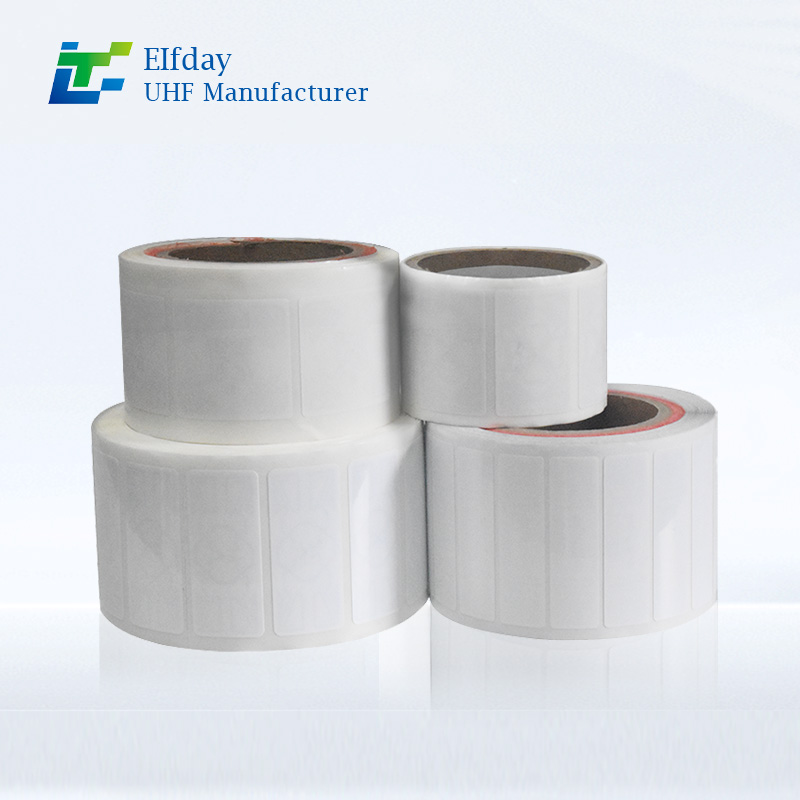
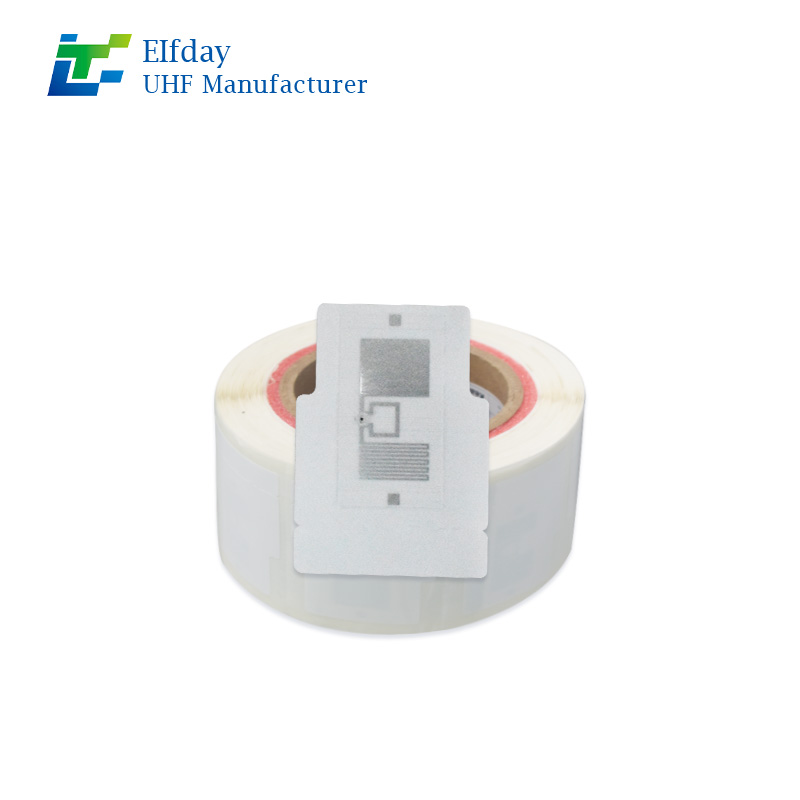
RFID tags are small, electronic devices that use radio waves to communicate with a reader to transmit data. These tags can be attached to hospital assets such as medical equipment, surgical tools, and even mobile devices. Once affixed, the RFID tag allows for real-time tracking, ensuring that assets are accounted for and easily located when needed.
Unlike barcode systems, which require direct line-of-sight scanning, RFID tags can be read from a distance and without manual intervention, making them ideal for busy hospital environments.
Key Benefits of RFID Tags for Asset Management in Hospitals
1. Improved Asset Tracking and Visibility
Hospitals often deal with a large volume of medical equipment, which can be difficult to track and manage. RFID technology provides real-time data on the location of each asset, eliminating the need for manual checks or searching through storage areas. This level of visibility helps ensure that critical equipment is always where it is needed, reducing downtime and delays in patient care.
2. Reduction in Lost or Misplaced Equipment
Medical equipment can be easily misplaced or lost in a hospital, leading to costly replacements and delays in patient treatment. With RFID tags, hospital staff can track the exact location of each asset, reducing the risk of loss. The ability to quickly locate and retrieve equipment minimizes disruptions to patient care and reduces the cost of replacement.
3. Enhanced Equipment Maintenance and Lifecycle Management
RFID tags can store valuable information about each asset, including maintenance schedules, usage history, and service records. This data can be used to track when equipment requires maintenance or calibration, ensuring that hospital assets are always in optimal condition and reducing the risk of equipment failure.
4. Streamlined Inventory Management
Hospitals often have thousands of medical devices, and keeping track of them manually is a time-consuming process. RFID technology automates inventory management by providing real-time updates on the availability and condition of assets. This streamlines the procurement process, reduces administrative costs, and ensures that inventory levels are always accurate.
5. Compliance with Regulatory Standards
Healthcare facilities are required to comply with various regulations and standards regarding asset management and safety. RFID tags can help hospitals ensure compliance by providing accurate and up-to-date records of asset location, maintenance, and usage. This helps meet regulatory requirements and avoid penalties for non-compliance.
Applications of RFID Tags in Hospital Asset Management
Tracking Medical Equipment: RFID tags are commonly used to track critical medical equipment, such as infusion pumps, defibrillators, and ventilators, ensuring they are always available when needed.
Monitoring Consumables: Hospitals use RFID to track supplies like surgical instruments, bandages, and medications, ensuring they are stocked and available for use at the point of care.
Staff and Patient Tracking: RFID can also be used to track hospital staff and patients, improving safety and ensuring staff are assigned to the correct equipment.
Managing Mobile Assets: RFID tags can be applied to mobile assets like wheelchairs, IV poles, and transport carts, reducing the time spent searching for them.
Why RFID Tags Are Essential for Asset Management in Hospitals
The healthcare sector is under constant pressure to provide high-quality care while reducing costs and improving operational efficiency. By adopting RFID technology, hospitals can significantly enhance their asset management processes, reduce equipment-related costs, and improve overall patient care.
RFID tags provide a scalable solution that allows hospitals to optimize their asset tracking, streamline operations, and improve patient outcomes. In an industry where every second counts, the integration of RFID technology is more than just a convenience—it’s a necessity for the future of healthcare management.
Incorporating RFID tags into hospital asset management not only improves efficiency but also ensures that hospitals can meet the demands of modern healthcare. With benefits ranging from better asset tracking and reduced losses to improved maintenance and compliance, RFID technology offers hospitals a smarter way to manage their valuable medical assets. As hospitals continue to focus on cost-saving measures and improving patient care, RFID tags will undoubtedly become an integral part of the healthcare landscape.