











Government Record Keeping Made Easy with RFID Document Management
Discover how RFID tags for document management are transforming government archives from chaotic paper jungles into models of efficiency—saving taxpayers millions while securing sensitive records.
Picture this: A citizen requests a property deed from 1998. A clerk disappears into a cavernous file room. Forty-five minutes later, she emerges empty-handed. The file is "somewhere," but nobody knows where. The citizen leaves frustrated. The clerk returns to her desk, defeated. Another day, another lost document.
This scene plays out daily in government offices worldwide—from small town halls to federal agencies. But it doesn't have to.
In Bahrain, the Survey and Land Registration Bureau faced exactly this problem. Property transactions generated enormous paperwork. Processes had become unwieldy and bureaucratic. Files could take up to three months to process. Staff spent countless hours hunting for misplaced documents .
Then they implemented RFID tags for document management. Today, the majority of registration requests are concluded within seven to ten days. Lost files have fallen dramatically. Audits that once caused panic now proceed smoothly. And citizens receive better, faster service .
This article explores how RFID tags for document management can revolutionize government record keeping—improving efficiency, enhancing security, and restoring public trust.
Part 1: Why Traditional Government Record Keeping Fails
Government agencies face unique challenges when managing documents. Understanding these pain points reveals why RFID tags for document management have become essential tools for modern public administration.
The Scale Problem
Government agencies handle staggering volumes of paper. Consider:
The U.S. Tax Court manages approximately 100,000 case files plus 30,000 books and periodicals
A single Japanese company implementing RFID tagged 50,000 managed items for internal document control
Law firms serving as document custodians may preserve thousands of original wills and property deeds indefinitely
Manual systems simply cannot cope with these volumes efficiently.
The Manual Method's Many Failures
Handwritten logs are time-consuming and prone to inaccuracies. Materials go missing for months, and their whereabouts become completely unknown .
Visual inventory checks require enormous manpower. One organization found that checking 40,000 folders manually took three months of staff time . That's a quarter of a year spent on counting instead of serving citizens.
Security gaps abound. Without clear tracking, documents are removed without recording checkout history. Their whereabouts become a mystery .
The Real Cost
The costs extend beyond frustrated staff:
Delayed citizen services – Files taking months to process means citizens wait months for answers
Compliance failures – Auditors find missing documents; agencies face penalties
Security breaches – Sensitive information walks out the door unnoticed
Reputation damage – Public trust erodes when government can't keep basic records straight
Part 2: How RFID Tags for Document Management Work in Government Settings
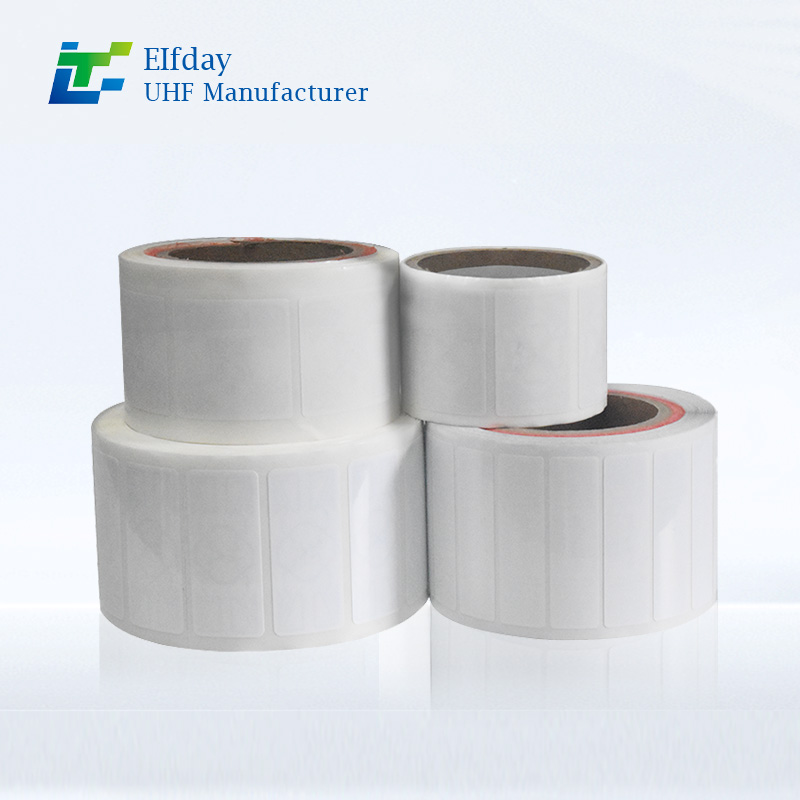
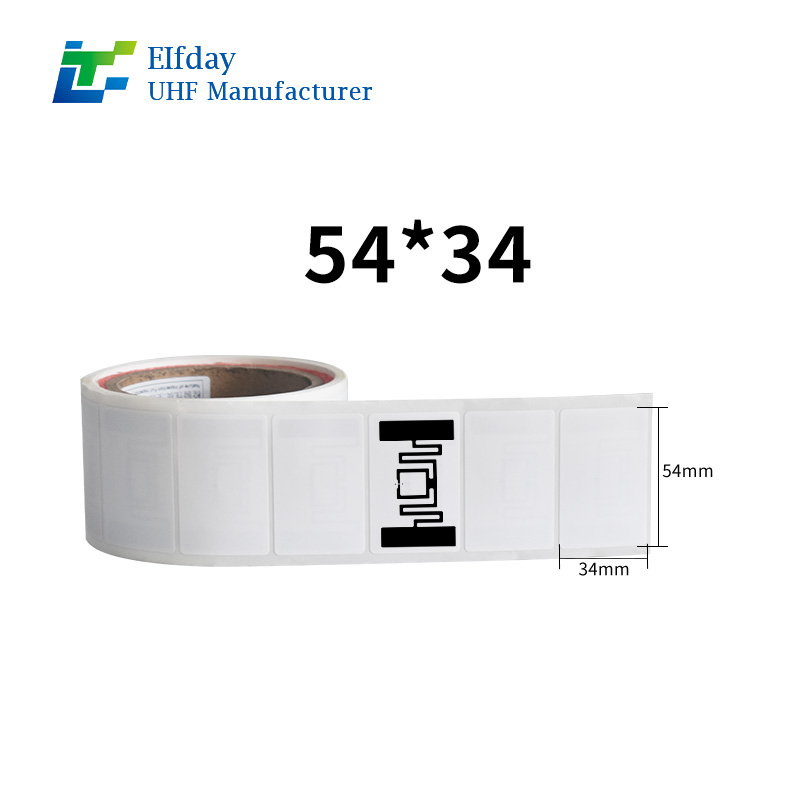
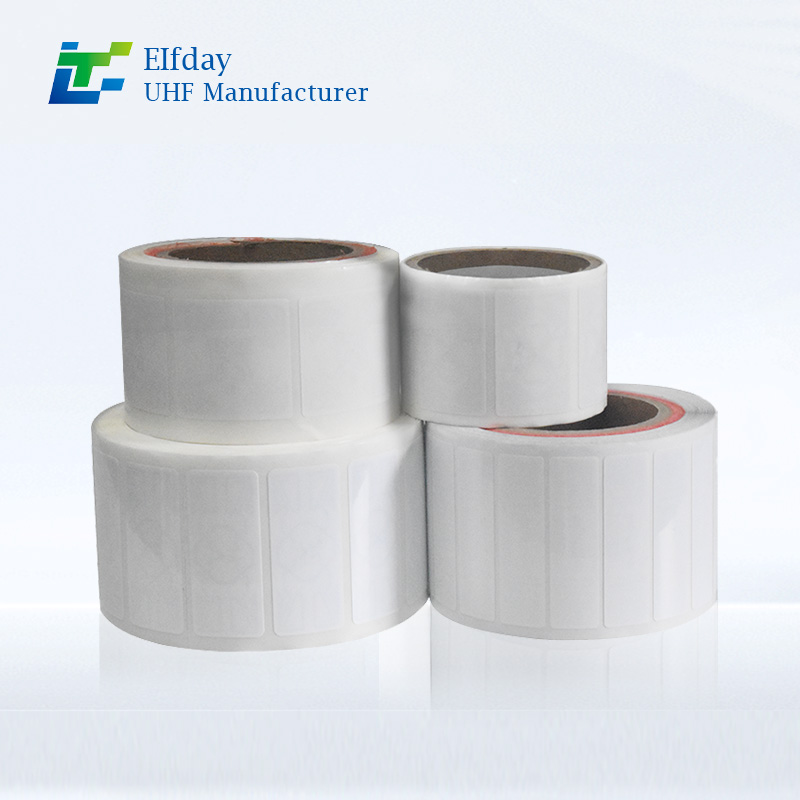
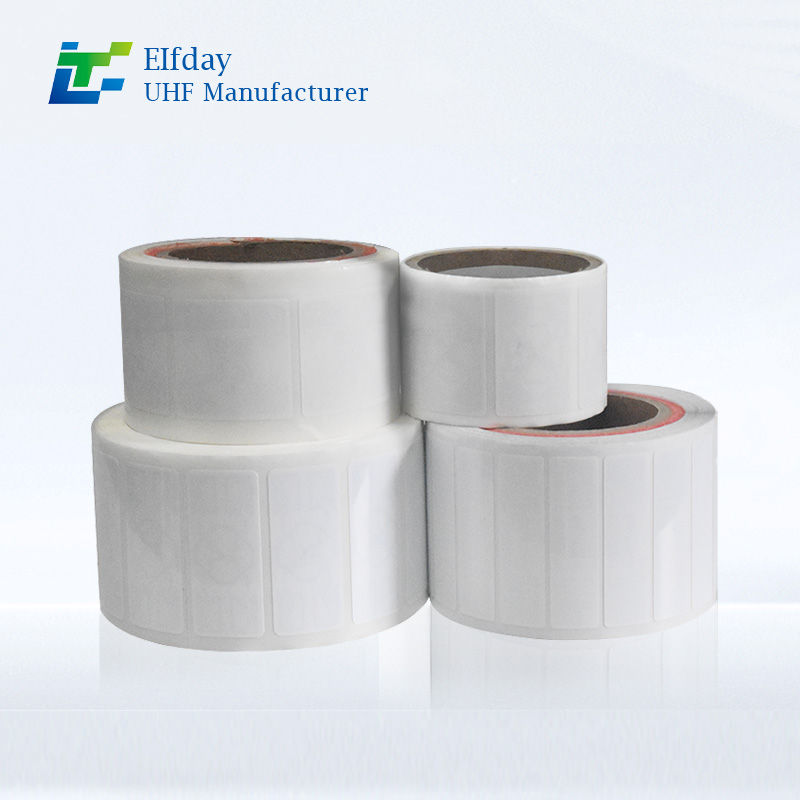
RFID tags for document management are small electronic labels containing unique identification data. When a file passes near a reader—whether at a doorway, on a desktop, or in a handheld device—the tag transmits its identity without requiring a clear line of sight.
The Complete System
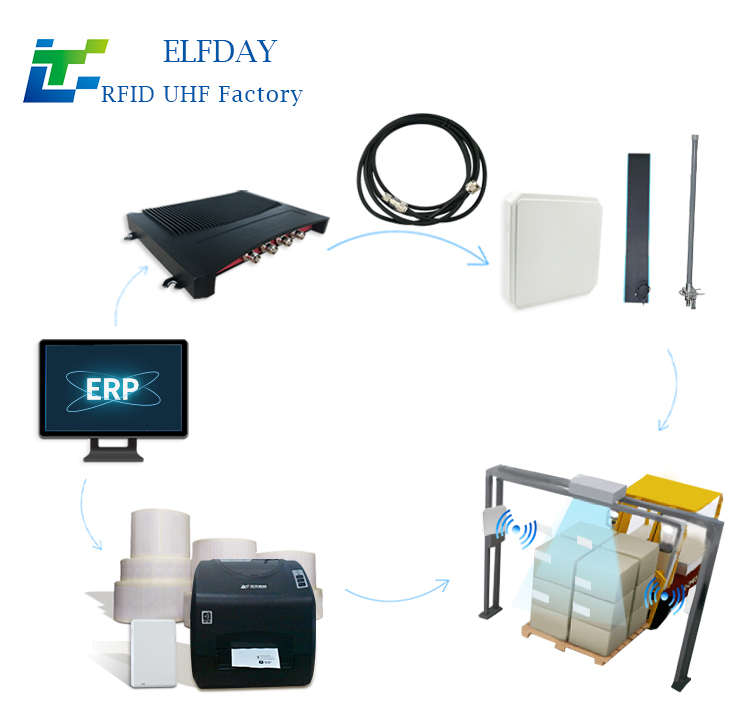
A government-grade document tracking system includes three components:
RFID tags applied to each file folder, document box, or book. These thin, flexible labels contain a chip and antenna that communicate wirelessly with readers.
RFID readers positioned strategically throughout facilities. Fixed readers at doorways monitor files entering or leaving. Desktop readers handle checkouts. Handheld readers enable rapid inventory.
Management software that connects tag reads to your database, showing exactly where every file resides and who last handled it.
Coverage That Leaves No Blind Spots
The Bahrain Survey and Land Registration Bureau achieved complete coverage across their seven-floor headquarters using 28 RFID readers and 110 antennas. This non-line-of-sight technology tracks files continuously as they move throughout the premises .
Every file movement generates a log. When files pass through doorways, the system records the event. If a file ever goes missing, its last known location can be traced immediately .
Part 3: Real-World Government Success Stories
The evidence for RFID tags for document management in government settings is compelling. Let's examine actual implementations.
Bahrain's Land Registration Transformation
The Survey and Land Registration Bureau in Bahrain implemented RFID to automate manual registration processes and enhance operational efficiency .
Before RFID:
Files took up to three months to process
Staff wasted valuable time searching for lost files
Workflow compliance depended on human memory and diligence
After RFID:
Most registration requests concluded within 7-10 days
Lost files fell dramatically—generating immediate efficiency gains
Sixteen key workflows are now rigorously followed, with alerts if processes are bypassed
Audits are easier with automatic logs of every file movement
Security alarms trigger if files move outside the building
As the project team noted: "We have significantly improved our service to the people and citizens of Bahrain by creating a more efficient and productive way of handling the huge volume of files and paper that we deal with on a daily basis" .
U.S. Tax Court Eliminates File Frustration
The U.S. Tax Court deployed RFID to track approximately 100,000 case files plus 30,000 library items. When a judge needs a file but staff can't locate it, "things can get ugly," explained a 3M marketing development supervisor .
The court implemented RFID to make searching hassle-free, case handling more efficient, and research more productive. Staff use handheld readers to take inventory of all tagged materials, then generate lists of missing items for targeted searching .
Japanese Company Secures Internal Documents
While not a government agency, a Japanese company's experience illustrates principles applicable to any public sector organization. They implemented UHF RFID for internal document loan management .
Problems solved:
Handwritten loan management eliminated—no more inaccuracies
Semi-annual inventory that took several days with multiple people now completed by one person in minutes
Unauthorized removals prevented—alerts trigger when unprocessed documents pass through gates
The result: improved security with reduced administrative burden.
Part 4: Tangible Benefits for Government Agencies
When public sector organizations implement RFID tags for document management, they realize benefits that directly support their missions.
Dramatic Time Savings
The numbers speak for themselves:
Inventory that took three months with multiple staff now completed by one person in less than an hour
File processing that required up to three months now finished within 7-10 days
Search time eliminated as teams no longer hunt for missing files
One client with approximately 40,000 folders found they could cut a three-month inventory task down to under an hour using RFID . That's 99% reduction in time spent.
Near-Perfect Accuracy
Manual systems suffer from "shelf noise"—files the database claims are present but aren't, or files physically present that never got logged. RFID eliminates this gap.
The technology reads tags without requiring line of sight, in less than one-hundredth of a second . Handheld readers can locate tags through glass and wood (though metal filing cabinet doors should be opened) .
Enforced Best Practices
Workflow monitoring ensures correct implementation of rules and guidelines. If processes are bypassed, the system flags the violation. Built-in auditing oversees all transactions to ensure they follow legislative rules and regulations .
Enhanced Security
Data confidentiality and file security become paramount concerns. RFID creates multiple security layers:
Doorway readers detect unauthorized removals instantly
Alarms trigger if files move outside permitted areas
Complete audit trails show every file movement
For agencies handling sensitive information—tax records, property deeds, legal cases—this security is non-negotiable.
Performance Visibility
Key Performance Indicators reveal where files or processes are being held up. Management gains real-time visibility into work productivity across their teams . This data enables continuous improvement rather than relying on anecdotal reports.
Part 5: Implementation Strategies for Government Success
Implementing RFID tags for document management in government requires careful planning. Here's how successful agencies approach it.
Start with Proof of Concept
The Bahrain team conducted a detailed evaluation of maximum read range, accuracy of data capture, and transmission reliability. They tested multiple vendor solutions before selecting their technology .
Key factors in their selection:
Readers worked across the longest range in tests
Technology complied with required communications standards
Equipment proved rugged and reliable for 24/7 operation
Plan for Complete Coverage
Bahrain achieved full building coverage with 28 readers and 110 antennas strategically placed across seven floors . This "blanketing" approach ensures no file movement goes undetected.
Consider the Tagging Effort
One organization was responsible for affixing tags to approximately 50,000 managed items and registering system IDs . This takes real person-hours—plan accordingly.
Partnering with experienced implementers helps. Companies with library and document management experience bring know-how about optimal tag placement, smooth data migration, and workflow integration .
Choose the Right Frequency
Most government document applications benefit from UHF RFID because:
Longer read range detects files at doorways
Batch reading handles hundreds of items simultaneously
Lower tag costs make large-scale deployment affordable
Test Thoroughly Before Full Deployment
Always pilot with your actual files, in your actual environment, with your actual staff. What works in theory often fails in practice. The pilot phase reveals issues before they become expensive problems.
Part 6: Frequently Asked Questions About Government RFID Implementation
Q: Are RFID tags expensive for large government archives?
A: Tags cost less than 20 pence (approximately $0.25) each . For an archive of 50,000 files, the tag investment is modest compared to the labor savings realized from the first inventory cycle.
Q: How long do tags last?
A: Passive RFID tags have no battery and typically last a decade or longer—outlasting most active files.
Q: Can tags be read through metal filing cabinets?
A: Standard tags cannot be read through metal. However, specialized "on-metal" tags exist for metal cabinets, or staff can open cabinet doors during inventory .
Q: What about privacy concerns?
A: Properly designed systems use encrypted communication and limited-range readers. Files are only detectable within your controlled environment. Organizations like MITRE are developing encrypted dynamic privacy solutions specifically for government RFID applications .
Q: Will RFID replace our existing document management software?
A: No—RFID integrates with your existing systems. It adds accurate location data to the information you already track.
Q: How do we handle documents that must be preserved permanently?
A: RFID is ideal for permanent records. The tags last for decades, and the ability to conduct quick, accurate inventories ensures these irreplaceable documents remain accounted for .
Part 7: Beyond File Tracking—Other Government RFID Applications
While this article focuses on document management, RFID technology serves many government functions:
Identity Verification and Access Control – Secure identity verification for government employees, contractors, and visitors ensures only authorized personnel access restricted areas .
Digital Passport Authentication – E-passports use RFID to store personal data securely and verify traveler identities quickly, streamlining border control .
Evidence Management – Law enforcement agencies track evidence items with RFID to ensure secure chain of custody .
Library and Archive Management – Public libraries use RFID for streamlined checkouts, inventory management, and theft prevention .
Asset Tracking – Government facilities monitor vehicles, machinery, and IT equipment, ensuring accountability and efficient utilization .
The same technology that tracks documents can extend across your entire operation.
Modern Government Demands Modern Solutions
Citizens expect government to work efficiently. They expect their records to be secure. They expect answers within days, not months.
Traditional paper-based systems cannot meet these expectations. The volumes are too large. The manual processes too error-prone. The security gaps too dangerous.
RFID tags for document management offer a proven solution. From Bahrain to Washington D.C., government agencies are transforming their record keeping. They're processing files faster. They're securing sensitive information. They're restoring public trust.
The technology is mature. The costs are reasonable. The implementation path is well-established. The only remaining question is whether your agency will continue struggling with lost files—or join the forward-thinking governments that have already solved the problem.
As the Bahrain team concluded: "We have significantly improved our service to the people and citizens by creating a more efficient and productive way of handling the huge volume of files and paper that we deal with on a daily basis" .
Isn't it time your agency did the same?
Ready to Transform Your Government Record Keeping?
Don't let another month slip away searching for lost files. Contact our team today to discuss how RFID tags for document management can streamline your agency's operations.
Schedule a consultation:
Request a pilot program for your department
Receive a customized implementation plan
Speak with RFID specialists who understand government requirements
Call us today to discuss your specific needs
Visit our website to learn more about government RFID solutions
Efficient government starts with organized records.