








How Anti-Metal RFID Tags for Manufacturing Solve Interference Issues
If you’ve spent any time working with RFID tags for manufacturing, you’ve probably run into the same frustrating problem.
You mount a tag on a metal asset—a steel rack, a heavy press, a metal tote—and suddenly, your reader goes silent. The tag either stops responding entirely or gives you such inconsistent reads that you can’t trust the data.
For years, manufacturers assumed this was simply a limitation of radio frequency identification. Metal, after all, reflects radio waves. It creates interference that standard tags were never designed to handle.
But here’s what’s changed.
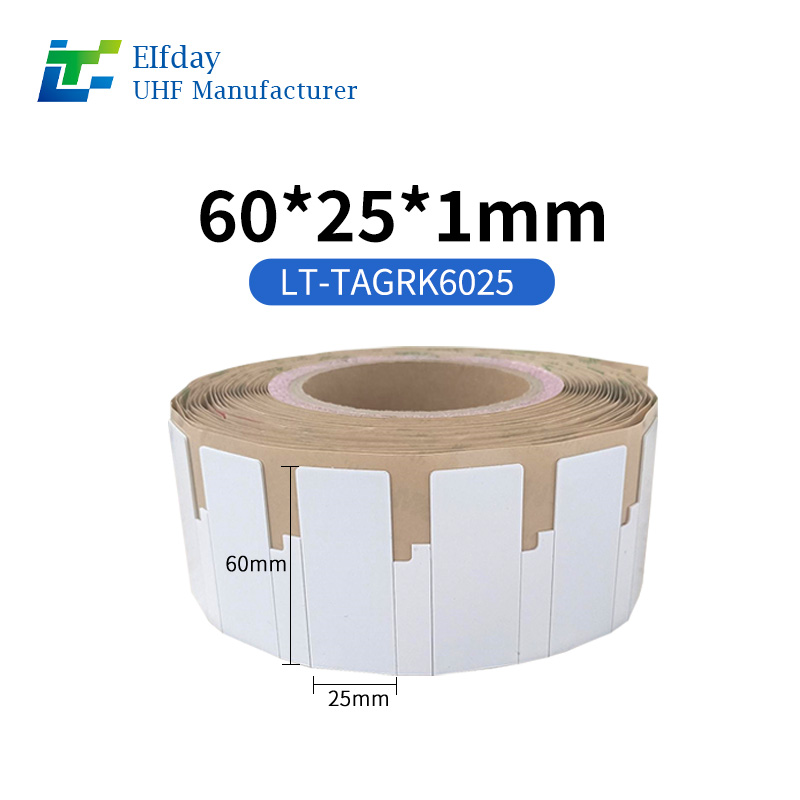
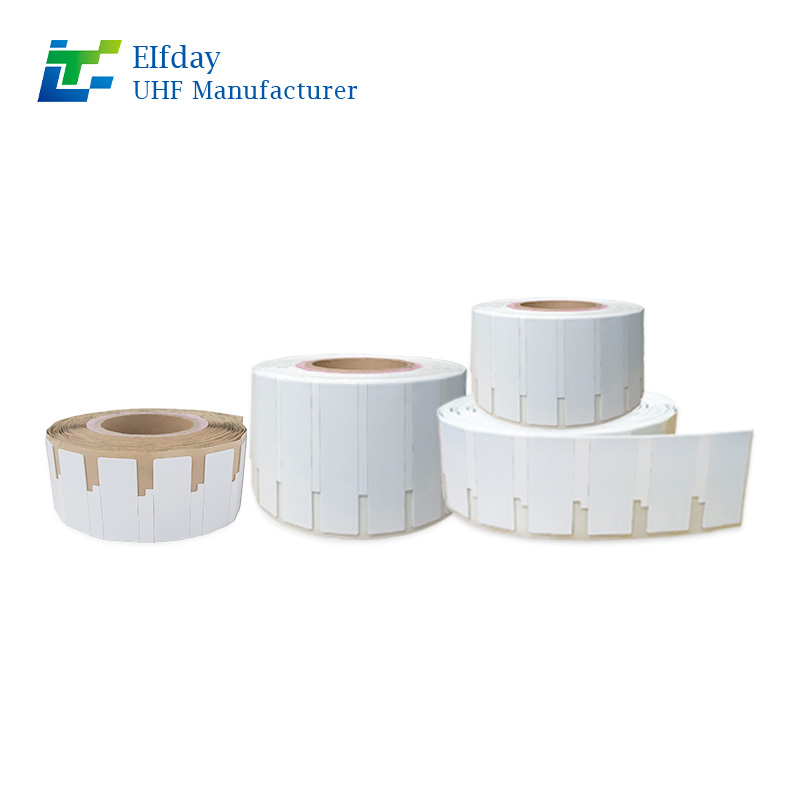
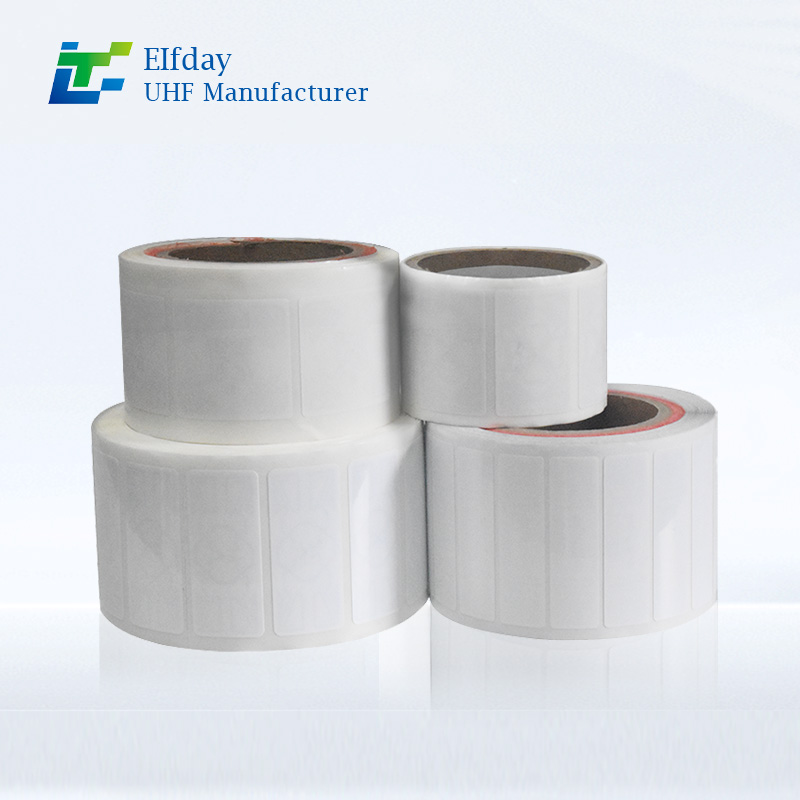
Engineers developed anti-metal RFID tags specifically for environments where traditional tags fail. And if your production floor runs on metal assets, understanding how these tags work might be the difference between a system that barely functions and one that gives you complete, real-time visibility.
Why Standard RFID Tags Struggle on Metal
To understand why anti-metal RFID tags for manufacturing solve the interference problem, you first need to know what goes wrong with standard tags.
Most passive UHF RFID tags rely on a simple antenna design. When that antenna sits against a metal surface, the metal reflects the reader’s signal in ways that distort the tag’s ability to communicate. The metal essentially acts as a mirror, bouncing the signal back in a phase that cancels out the tag’s response.
This phenomenon, called detuning, makes the tag nearly invisible to readers.
In a manufacturing setting, that’s a dealbreaker. Your production line is filled with metal equipment. Conveyor belts have metal frames. Workstations have steel surfaces. The very assets you want to track—machines, tools, finished goods—are often the same surfaces that make standard tags unusable.
Operators end up trying creative workarounds. They mount tags on plastic brackets to lift them off the metal surface. They wrap tags in foam. They place tags on non-metal parts of equipment, which means tracking isn’t happening where it actually matters.
These makeshift solutions create new problems. Tags get knocked off. Reads become inconsistent. And the reliability you need for production tracking never materializes.
How Anti-Metal Tags Overcome Interference
Anti-metal RFID tags for manufacturing solve this through a fundamental change in design.
Instead of placing the antenna directly against the metal surface, these tags incorporate a specialized material layer between the antenna and the mounting surface. This layer—often a ferrite or ceramic composite—serves two critical functions.
First, it isolates the antenna from the metal’s reflective properties. The radio waves from your reader interact with the tag’s antenna as intended, without the distortion caused by the metal underneath.
Second, it actually uses the metal to the tag’s advantage. When properly designed, the isolation layer allows the metal surface to become part of the tag’s antenna system, sometimes even improving read range compared to the same tag mounted on a non-metal surface.
This means you can place these tags directly on metal equipment, metal totes, metal racks—any metal asset—and get consistent, reliable reads every time.
The practical implications for a manufacturing environment are significant.
Where Anti-Metal Tags Make the Biggest Impact
Consider your work-in-process tracking. If you’re moving metal pallets or metal carriers through production stages, standard tags might give you read rates of 50 or 60 percent. Operators spend time manually verifying what the system should already know.
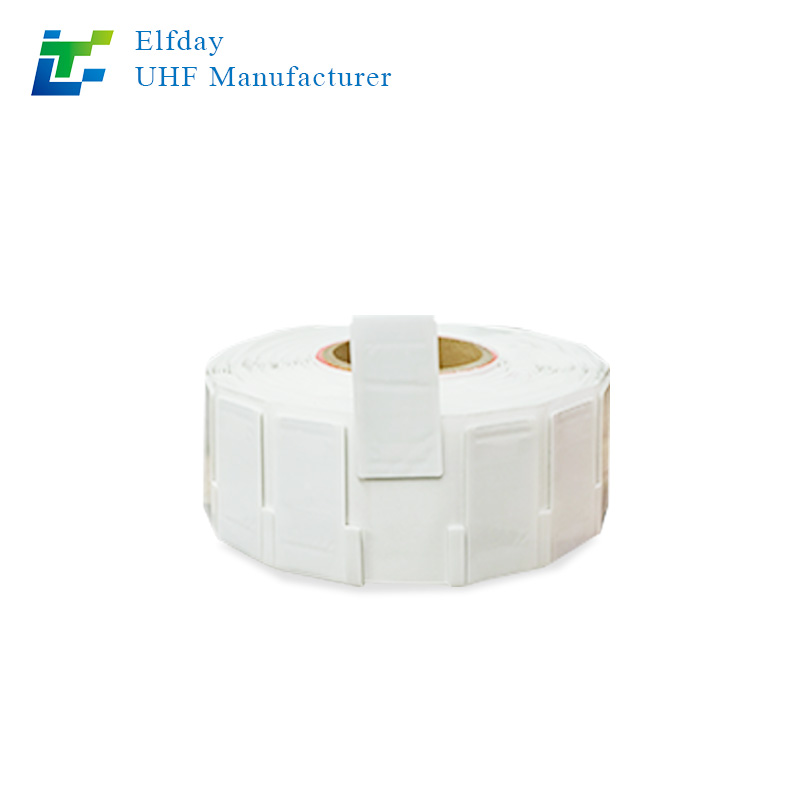
Anti-metal RFID tags for manufacturing change that. When applied directly to metal carriers, read rates often exceed 99 percent. You know exactly where each batch stands without manual intervention.
Tool tracking tells a similar story. Manufacturing tools—dies, molds, fixtures—are almost always metal. They move between storage and production floors. They’re expensive. And when they go missing, production stops.
With standard tags mounted on metal tools, interference makes tracking unreliable. Operators end up spending shift time hunting for tools instead of running production.
Anti-metal tags mounted directly on each tool give you confidence that when you scan a tool cabinet or a production cell, you know exactly what’s present and what’s still out on the floor.
The same applies to asset maintenance. Manufacturing equipment requires scheduled maintenance to avoid unplanned downtime. But when you rely on manual logs or unreliable tracking, maintenance gets missed.
Placing anti-metal tags directly on equipment gives you automated maintenance tracking. Each time equipment enters or exits a maintenance zone, the system updates automatically. No operators logging spreadsheets. No missed service intervals.
What to Look for in Anti-Metal Tags
Not all anti-metal RFID tags for manufacturing perform the same way. Before selecting tags for your application, there are a few factors worth considering.
Mounting surface matters. While all anti-metal tags are designed for metal surfaces, some perform better on curved surfaces like pipes or cylindrical assets. Others are optimized for flat surfaces. Knowing your assets helps narrow the right tag.
Read range requirements vary by application. If you’re tracking assets through dock doors or wide conveyor systems, you need tags with longer read ranges. If you’re tracking tools in a cabinet or work-in-process at individual stations, shorter ranges often work fine.
Environmental conditions in manufacturing can be harsh. High temperatures, exposure to oils and coolants, physical impacts—all of these affect tag durability. Many anti-metal tags offer specific environmental ratings. Matching those ratings to your actual conditions prevents premature tag failure.
Size and form factor also matter. Some applications need ultra-thin tags that add minimal height to the asset. Others benefit from larger tags that offer extended read range or more durable construction.
Making the Shift from Standard to Anti-Metal
If you’ve been struggling with RFID reliability on metal assets, moving to anti-metal tags is often simpler than you expect.
The readers and infrastructure you already have typically work with anti-metal tags without modification. The difference is in the tags themselves.
When testing anti-metal tags, start with a small sample on your most challenging metal assets. Mount them directly to the metal surface—no spacers, no brackets, no workarounds. Run your normal read operations and compare the results to your current tags.
Manufacturers who make this switch often report two immediate changes.
First, read reliability improves dramatically. Tags that previously worked intermittently now read consistently every time.
Second, installation becomes simpler. Instead of figuring out where to mount a tag away from metal, you mount it exactly where it needs to go—directly on the asset.
The Bottom Line on Interference and Manufacturing RFID
Interference from metal assets has been one of the biggest barriers to RFID adoption in manufacturing for years. It created unpredictability that made automation difficult to trust.
Anti-metal RFID tags for manufacturing remove that barrier. They turn metal surfaces from a liability into an asset. They give you reliable tracking where you need it most—directly on the equipment, tools, and materials that drive your production.
If you’ve been hesitant to deploy RFID because of metal interference concerns, the technology has caught up. What once required complex workarounds now works with tags designed specifically for your environment.
The result is simpler installations, more reliable data, and production visibility that doesn’t depend on whether your assets happen to be made of metal.