








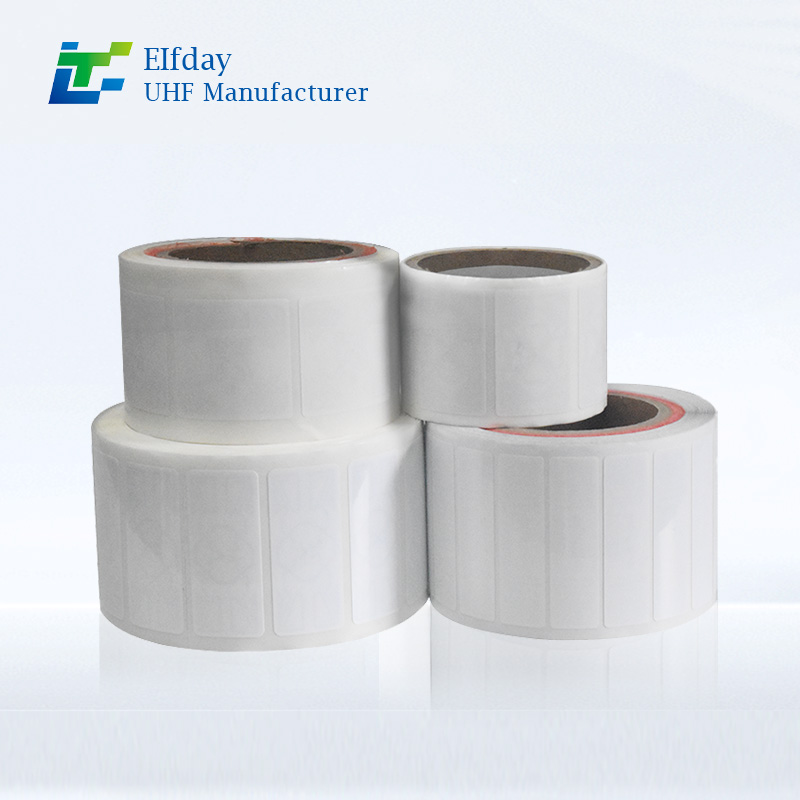
How RFID Stickers for Inventory Management Reduce Stockouts by 87%
If you manage a retail store or warehouse, you know the feeling: a customer wants to buy an item, your system says you have it, but it's not on the shelf. That lost sale isn't just frustrating—it's money walking out the door. Stockouts have long been the silent profit-killer in retail and logistics.
But what if you could reduce stockouts by 87% ? That's not a theoretical promise. It's a verified result from major retailers who have implemented RFID stickers for inventory management . In this article, we'll explore exactly how this technology works, why it delivers such dramatic results, and how your business can achieve similar outcomes.
What the 87% Number Means: A Proven Case Study
The 87% figure comes from a real-world implementation. Renner, the largest fashion retailer in Brazil, partnered with Sensormatic Solutions to roll out RFID technology across more than 400 stores . By attaching RFID labels to every item, they achieved:
87% reduction in out-of-stock rate
64% improvement in inventory accuracy
Ability to conduct store-wide inventory counts in hours instead of days
Seamless integration between physical stores and online channels
This wasn't a small pilot program. Over 500 million products sold by Renner now carry RFID technology, with more than 4 million readings performed daily . The results earned them the 2023 RFID Journal Award for "Best Retail RFID Implementation" .
Why Traditional Inventory Management Fails
Before understanding how RFID stickers for inventory solve the stockout problem, we need to look at why traditional methods fall short.
The Barcode Problem
Barcodes have served retail well for decades, but they have fundamental limitations:
Line-of-sight required: Each item must be individually scanned and visible to the scanner
Time-consuming: Staff must physically handle each item
Error-prone: Manual counting leads to human error
Outdated data: Inventory counts are snapshots in time, not real-time views
One jewelry retailer found that scanning each tray of items with barcodes took 20 minutes. After switching to RFID, the same process took just 20 seconds—a 98% improvement in productivity .
The Invisible Cost of Stockouts
When items aren't on the shelf when customers want them, the damage extends beyond that single sale:
Customers go to competitors
Online orders can't be fulfilled from store inventory
Staff waste time searching for items that aren't there
Markdowns increase when overstocked items eventually need to be cleared
How RFID Stickers for Inventory Create Real-Time Visibility
So what makes RFID stickers for inventory so different? The technology fundamentally changes how inventory data is collected and used.
How RFID Works
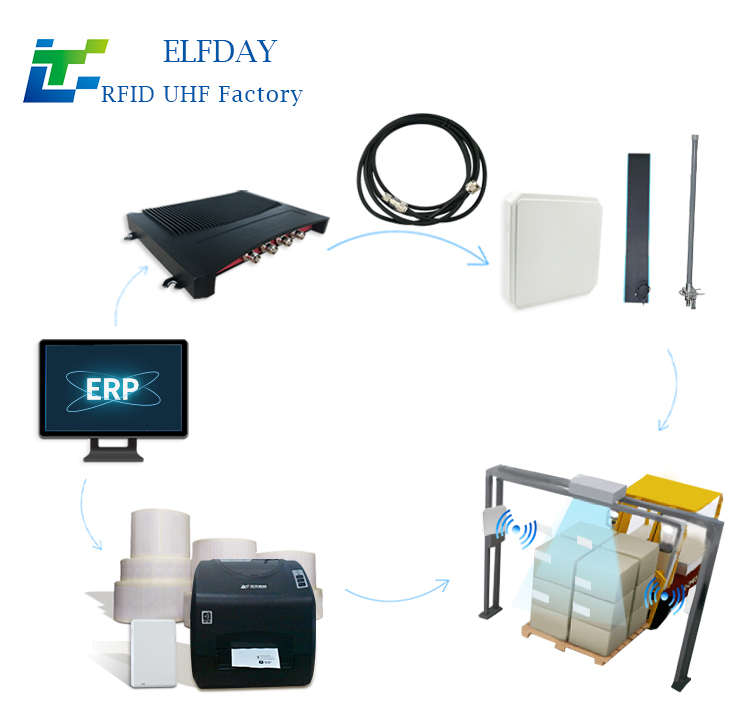
RFID (Radio-Frequency Identification) uses electromagnetic fields to automatically identify and track tags attached to objects . A complete RFID system includes three components:
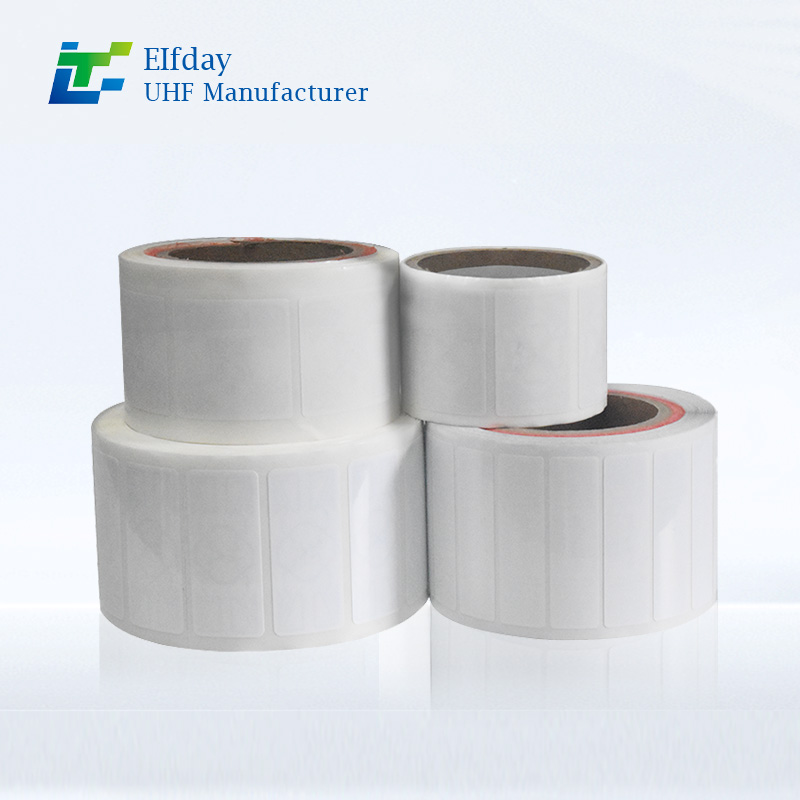
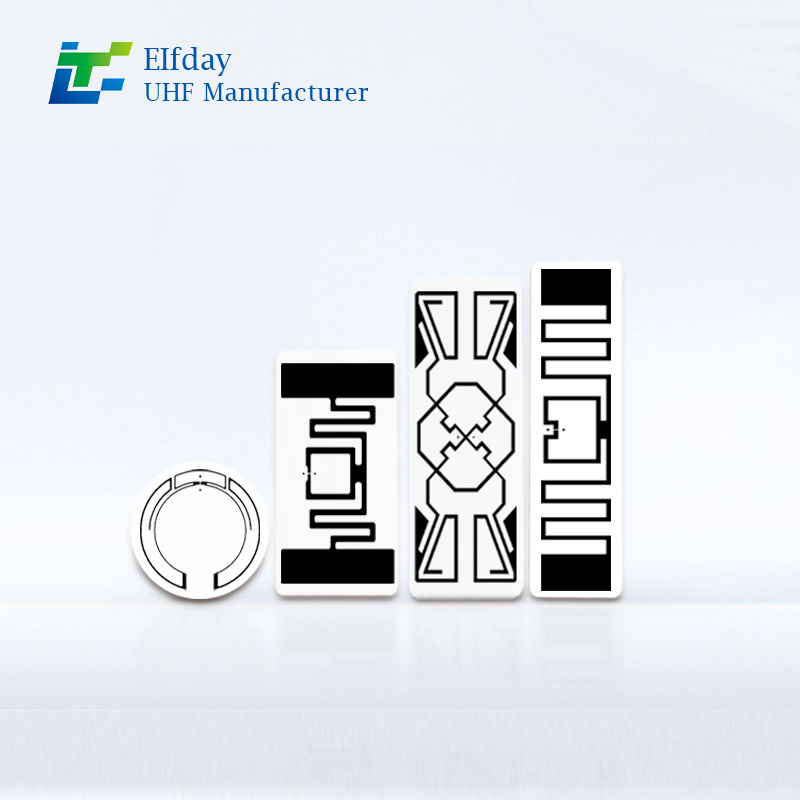
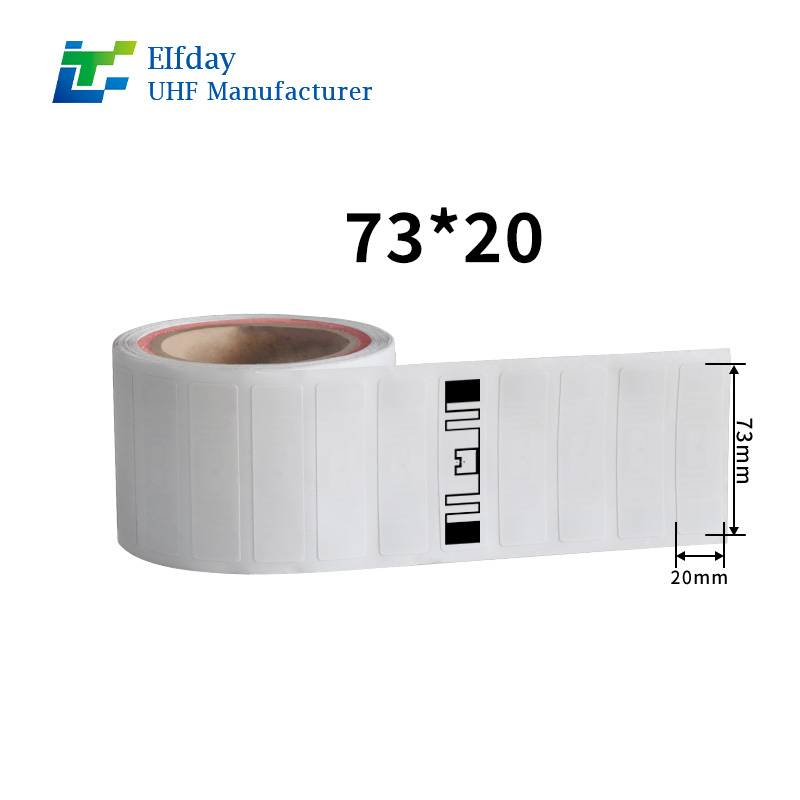
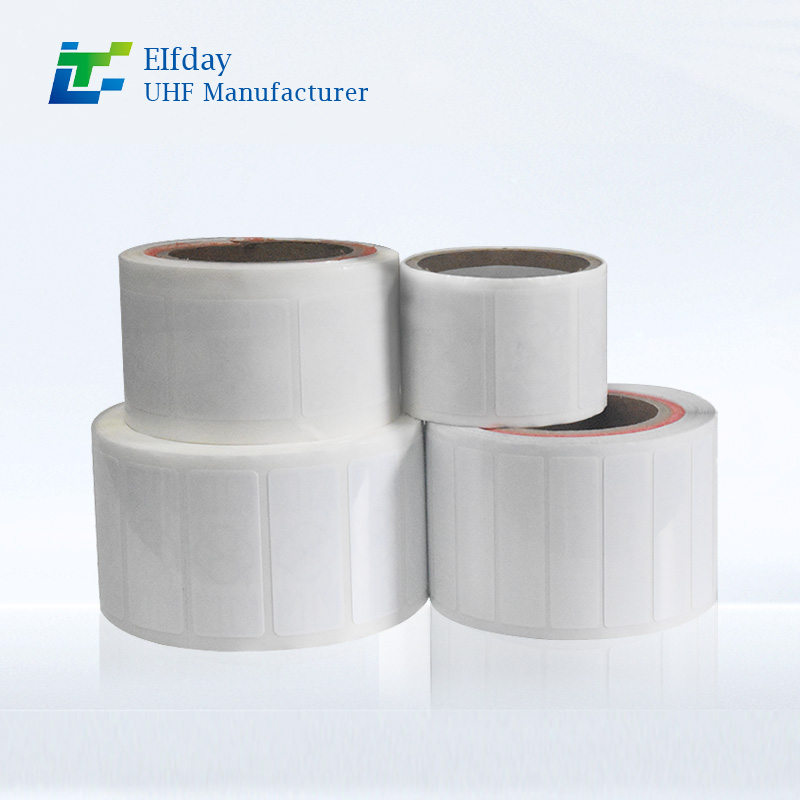
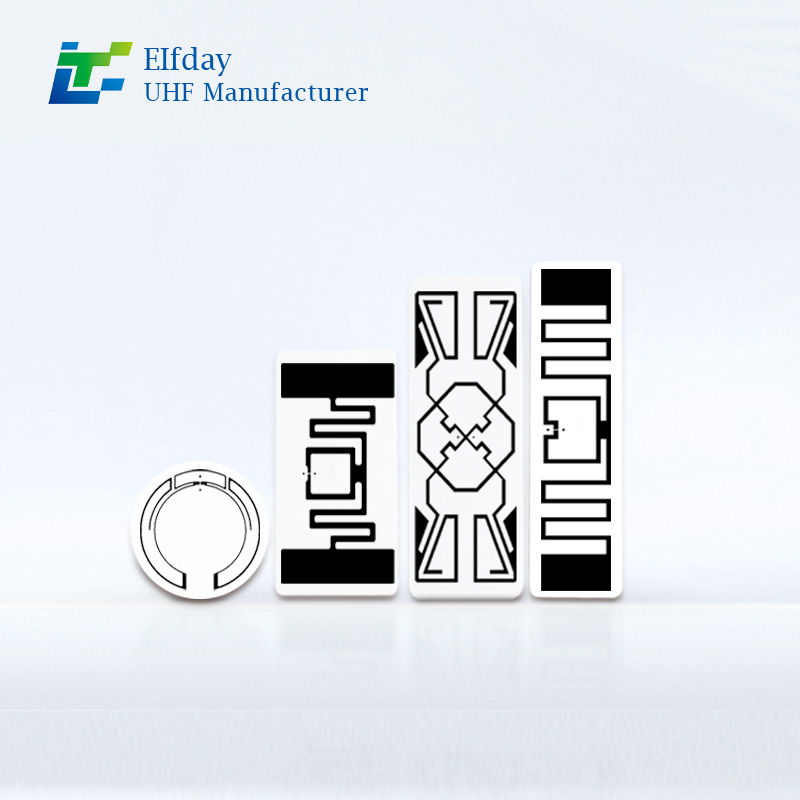
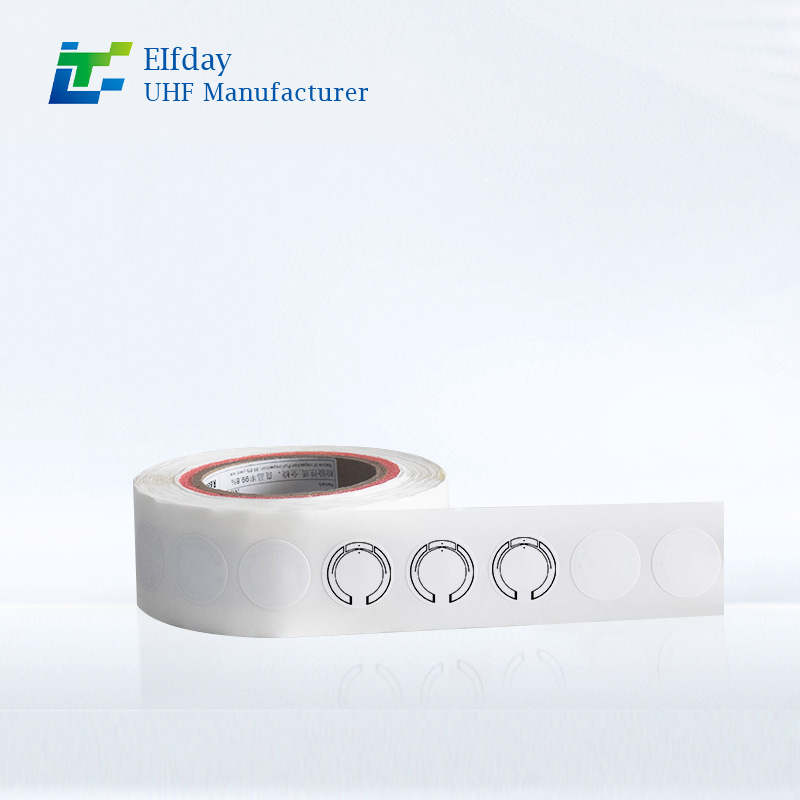
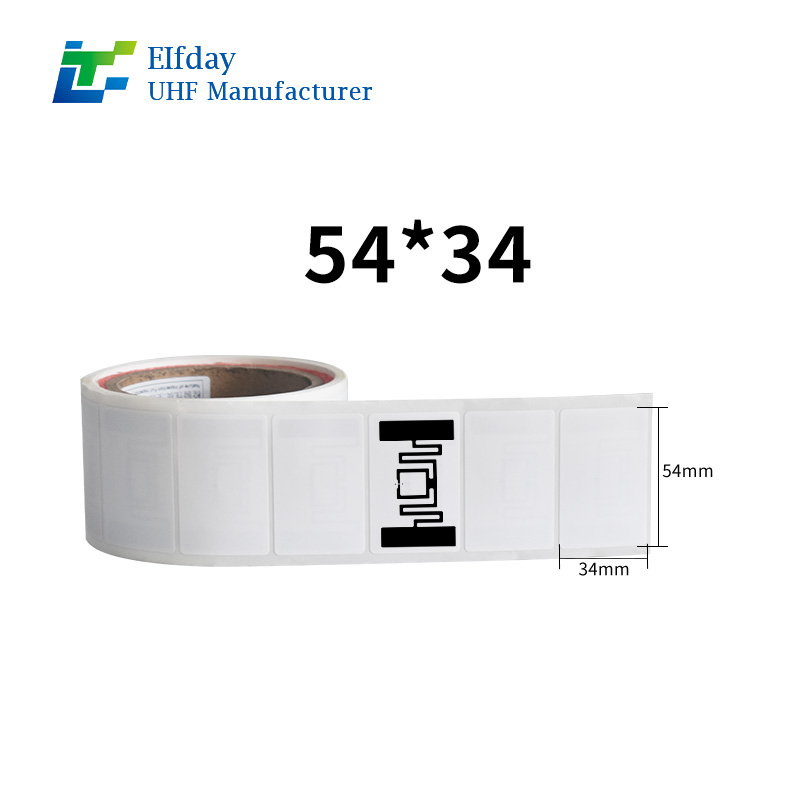
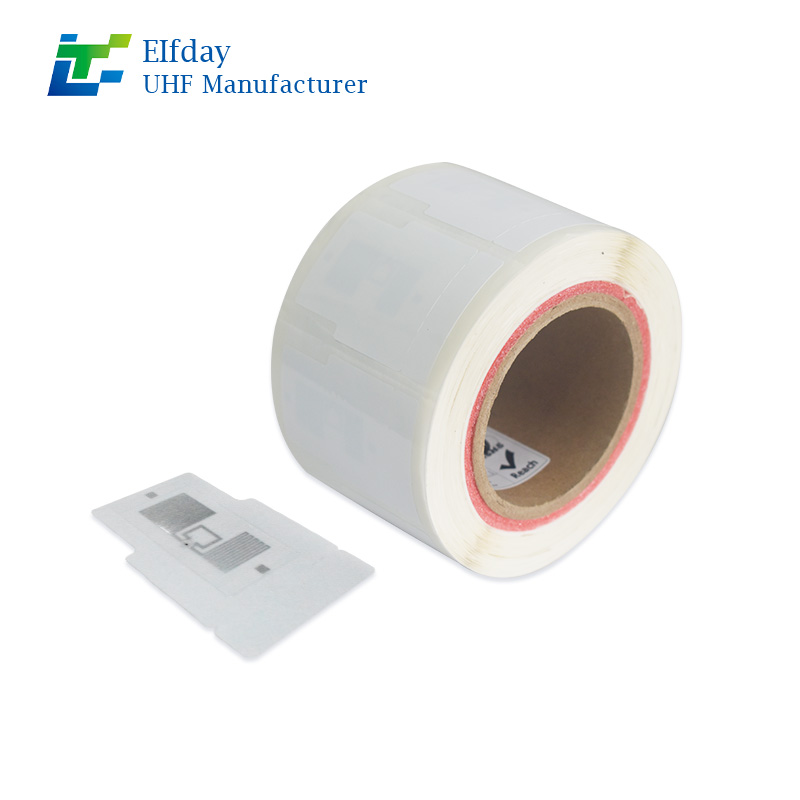
RFID tags/stickers: Attached to each product, containing a microchip and antenna
RFID readers: Devices that emit radio waves and receive signals from tags
Software: Translates raw data into actionable inventory information
Passive vs. Active: What Most Retailers Use
For inventory management, passive RFID stickers are the standard choice :
No battery required—powered by the reader's signal
Lower cost (now under $0.04 per tag in volume)
Smaller and more flexible
Read range of 1-10 meters, perfect for store and warehouse environments
The Magic of Batch Scanning
Unlike barcodes requiring individual line-of-sight scanning, RFID readers can capture hundreds of tags per second . A staff member walking through a store with a handheld reader can complete a full inventory count in the time it once took to scan a single aisle.
One Indian fashion brand implementing RFID stickers for inventory reduced inventory discrepancies by over 95% through automated counting .
The 5 Ways RFID Stickers Eliminate Stockouts
Now let's connect the technology to the specific problem of stockouts. Here's how RFID stickers for inventory create the conditions for 87% fewer out-of-stock situations.
1. Real-Time Inventory Visibility
When every item has an RFID sticker, you always know:
Exactly how many units of each SKU are in the store
Where they're located (back room vs. sales floor)
Which items are in fitting rooms or customer hold areas
This visibility transforms inventory management from guesswork into science. A Chinese study found RFID-enabled warehouses achieve inventory accuracy of 99%+ , eliminating the "system says we have it but we don't" problem .
2. Automated Replenishment Triggers
With accurate real-time data, systems can automatically trigger replenishment when stock falls below thresholds. Staff receive alerts to bring items from the back room before the shelf goes empty.
Perfect-ID, an RFID manufacturer, worked with a fashion brand that eliminated stockouts of popular items entirely through automated replenishment based on real-time RFID data .
3. Faster, More Frequent Cycle Counts
Before RFID, most retailers conducted full inventory counts quarterly or annually. The process was so disruptive and time-consuming that it couldn't be done more often.
With RFID, Renner now conducts inventory counts monthly instead of annually, with each count taking just hours . More frequent counts mean discrepancies are caught early, before they cause stockouts.
4. Omnichannel Integration
Modern retail requires serving customers across physical stores, websites, and marketplaces. But when inventory data is inaccurate, omnichannel promises fall apart.
RFID stickers for inventory enable true omnichannel operations by
Showing online customers exactly which nearby stores have items in stock
Enabling ship-from-store fulfillment with confidence
Supporting buy-online-pickup-in-store (BOPIS) without disappointing customers
Renner's RFID implementation specifically aimed to "improve inventory visibility to help drive online sales" . The integration between physical and online channels strengthened their entire omnichannel strategy.
5. Data-Driven Demand Forecasting
RFID doesn't just tell you what you have now—it helps predict what you'll need in the future. By tracking exactly how items move through stores, you gain insights into:
True sell-through rates by SKU, store, and season
Which items customers try on but don't purchase
How display placement affects sales velocity
One retailer using RFID analytics improved inventory turnover by 30%+ through better demand forecasting .
Beyond Stockouts: The Full Business Case for RFID
While reducing stockouts by 87% is compelling on its own, the benefits of RFID stickers for inventory extend across the entire business.
Inventory Accuracy: From 63% to 95%
Companies implementing RFID solutions typically see inventory accuracy jump from around 63% to 95% . This accuracy improvement directly translates to:
Fewer emergency orders
Less safety stock required
Reduced carrying costs
Labor Efficiency Gains
The productivity improvements are dramatic. Tasks that once required hours of staff time are completed in minutes:
Stock receiving: 10x faster than manual processing
Cycle counting: 92% faster than barcode-based counts
Order fulfillment: 30-50% faster with RFID-guided picking
Loss Prevention
Inventory shrinkage from theft and misplacement costs retailers billions annually. RFID provides multiple layers of protection:
EAS capabilities: Tags trigger alarms at exits if not deactivated
Audit trails: Track items from receiving to point of sale
Deterrence: Visible tags discourage theft attempts
Companies report up to 50% reduction in shrinkage after implementing RFID .
Customer Experience Improvements
When inventory is accurate and stockouts are rare, customers notice:
Faster checkout: RFID self-checkout reads all items simultaneously
Better availability: Popular items are actually on the shelf
Confident employees: Staff trust the system when telling customers what's in stock
One study found retailers adopting RFID technology experience a 30% increase in customer satisfaction .
Choosing the Right RFID Stickers for Your Inventory
Not all RFID stickers are created equal. To achieve the 87% stockout reduction, you need the right tags for your specific products and environment.
Frequency Considerations
Most inventory management applications use UHF (Ultra-High Frequency) RFID :
Read range: Up to 10 meters
Fast data transfer
Global standards for supply chain use
For specialized applications like item-level tracking in jewelry or pharmaceuticals, HF (High Frequency) may be appropriate .
Material Compatibility
Standard RFID stickers work well on most products, but certain environments require specialized tags:
On-metal tags: For products with metal packaging or components
Liquid-resistant tags: For beverages, cosmetics, or chemicals
High-temperature tags: For industrial or food service applications
Durability Requirements
Consider the product's lifecycle:
Disposable tags: Most common for retail—low cost, applied at source, deactivated at point of sale
Reusable tags: For rental items, returnable packaging, or assets that need long-term tracking
Integration Capabilities
The best RFID stickers for inventory won't help if they don't work with your existing systems. Look for:
Compatibility with major RFID reader brands
Integration options for your ERP or WMS
Cloud-based software for real-time visibility across locations
Implementation Roadmap: Getting to 87% Fewer Stockouts
Ready to achieve these results for your business? Here's a practical implementation roadmap.
Phase 1: Pilot Program (1-3 Months)
Start small to prove the concept and work out kinks:
Select one store or department with clear inventory challenges
Choose high-value or frequently out-of-stock items for tagging
Implement readers and software in that location only
Measure baseline metrics before and after
According to industry experts, starting with a pilot program minimizes risk and gathers insights before full rollout .
Phase 2: Scale and Refine (3-6 Months)
With lessons learned from the pilot:
Expand to additional locations or product categories
Refine processes based on pilot feedback
Train staff on new workflows
Integrate RFID data with existing inventory systems
Phase 3: Full Implementation (6-12 Months)
Once the system is proven:
Tag all products at source (manufacturer or distribution center)
Deploy readers across all locations
Implement automated replenishment and analytics
Track ROI against baseline metrics
Common Pitfalls to Avoid
Learning from others' mistakes accelerates success:
Don't ignore employee training: Staff need to understand and embrace the new technology
Don't forget data privacy: Establish clear policies around customer data collection
Don't underestimate integration: Ensure new systems work with existing software
The Cost Question: Is RFID Affordable Now?
For years, RFID adoption was limited by cost. That barrier has essentially disappeared.
Tag Costs Have Plummeted
Passive RFID labels that once cost $0.15-$0.20 each are now available for under $0.04 in volume—a reduction of more than 75% in just a few years .
The ROI Timeline
Most businesses achieve full return on investment within 12 months, and some in less than 3 months . The math is straightforward:
A mid-sized retailer with $500,000 in tracked inventory might:
Eliminate 10% of unnecessary replacement purchases = $50,000 saved
Reduce labor costs for inventory counts = $30,000 saved
Capture additional sales from prevented stockouts = $100,000+ added revenue
Against implementation costs of $30,000-$50,000, the ROI is clear.
Hidden Costs to Consider
When budgeting, remember to include:
System integration and software
Employee training
Ongoing maintenance and tag supply
Reader hardware
Conclusion: The Data Is In—RFID Works
The 87% stockout reduction isn't marketing hype—it's a verified result from real retailers using RFID stickers for inventory management . From fashion giants like Renner to local jewelry stores in Singapore , businesses of all sizes are discovering that RFID transforms inventory accuracy from a constant struggle into a solved problem.
The convergence of affordable tags, simplified implementation, cloud-based software, and proven ROI has created what industry analysts call a "perfect storm" for RFID adoption . Organizations still relying on manual inventory methods face an uncomfortable reality: their competitors are gaining operational advantages that compound over time.
The question is no longer whether RFID makes sense for your inventory management. It's whether you can afford to let your competitors have this advantage alone.
Frequently Asked Questions
Q: How do RFID stickers for inventory compare to barcodes?
A: RFID stickers can be read without line-of-sight, in batches of hundreds per second. Barcodes require individual scanning and visual alignment. One jewelry store reduced tray scanning time from 20 minutes to 20 seconds after switching to RFID .
Q: Can RFID stickers work on metal products or liquids?
A: Standard RFID stickers can face interference from metal and liquids, but specialized "on-metal" and liquid-resistant tags are available for these applications .
Q: Do RFID stickers raise privacy concerns for customers?
A: RFID stickers contain only a unique serial number, not personal customer information. They are typically deactivated at point of sale, and reputable retailers follow data protection regulations .
Q: What's the read range for inventory management RFID?
A: Passive UHF RFID stickers, most common for inventory, typically read from 1-10 meters depending on the environment and reader power .
Q: How quickly can I expect ROI from RFID implementation?
A: Most businesses achieve full ROI within 12 months, with some seeing returns in as little as 3 months through labor savings, reduced shrinkage, and increased sales from better availability .
Ready to Eliminate Stockouts in Your Business?