








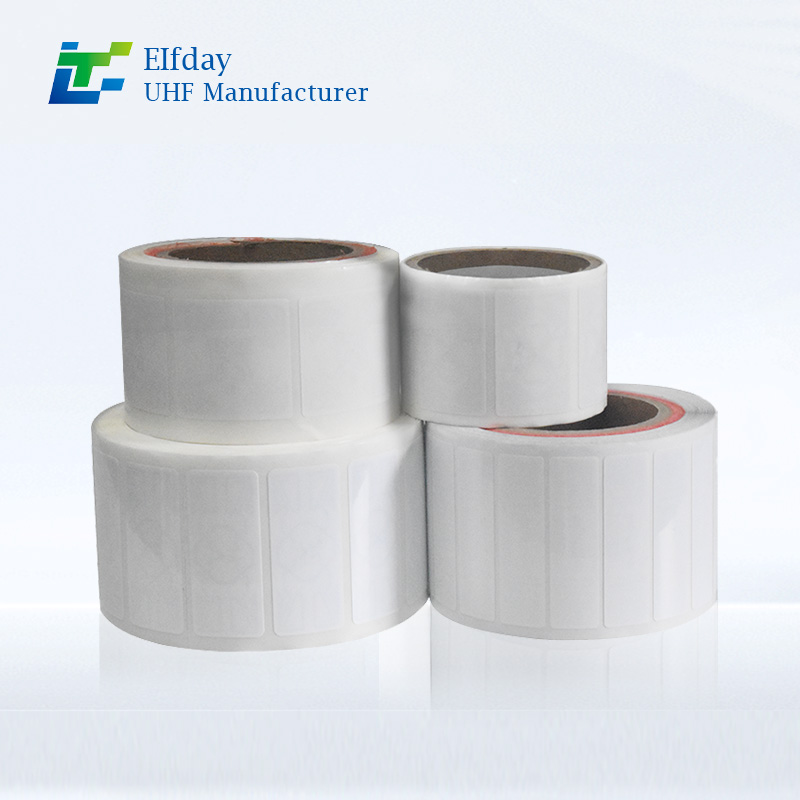
How RFID Tags Can Revolutionize Jewelry Stores' Inventory Management
In the fast-paced and high-value jewelry industry, effective inventory management is crucial for maintaining smooth operations, minimizing loss, and improving customer satisfaction. Traditional inventory methods, such as manual counting and barcode scanning, can be time-consuming, prone to errors, and inadequate for tracking the movement of precious jewelry. This is where RFID tags for jewelry come in, offering a transformative solution that can revolutionize how jewelry stores manage their inventory. In this article, we’ll explore how RFID technology can change the way jewelry retailers handle their stock, boost operational efficiency, and reduce the risk of loss.
1. Real-Time Inventory Tracking
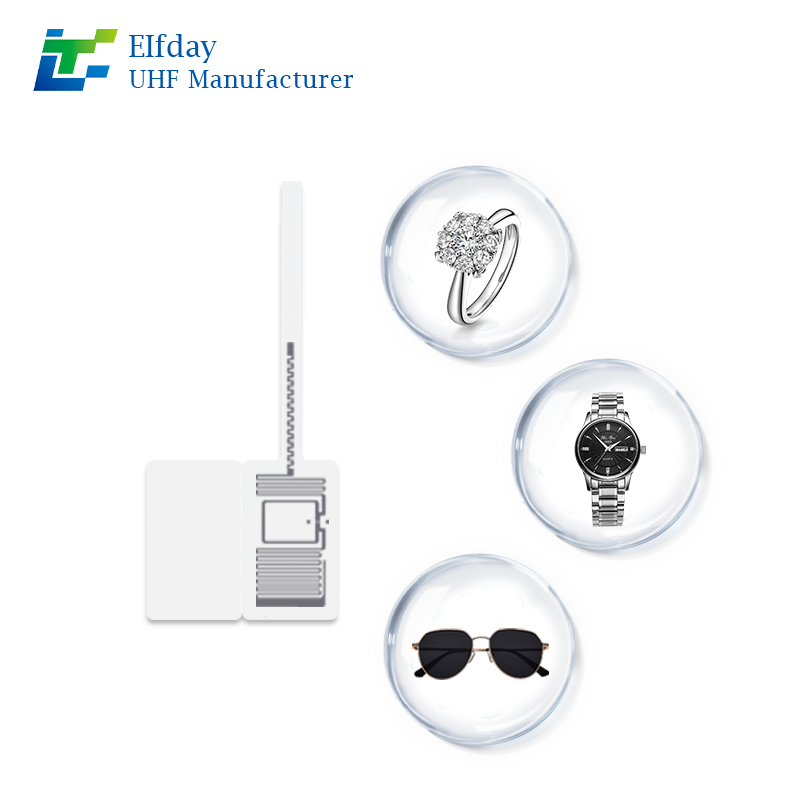
One of the biggest challenges jewelry stores face is keeping track of their inventory in real-time. With RFID tags for jewelry, inventory tracking becomes seamless and highly efficient. Each jewelry piece is tagged with an RFID tag, which contains a unique identifier that can be read by RFID scanners from a distance. This means that store owners and managers no longer need to rely on manual counts or barcode scanning.
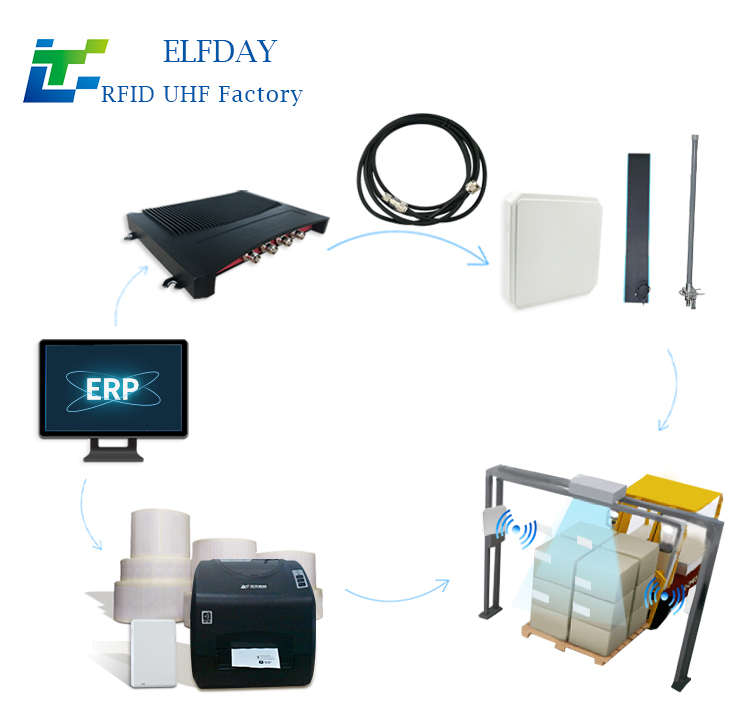
By using RFID readers strategically placed throughout the store, retailers can instantly know the exact location and status of every piece of jewelry, without the need for physically searching through display cases or storage rooms. Real-time inventory tracking reduces errors, saves time, and ensures that stock levels are always accurate. It also helps avoid stockouts or overstocking, providing better control over inventory turnover.
2. Improved Stock Visibility Across Multiple Locations
For jewelry retailers with multiple locations or a combination of physical stores and warehouses, keeping track of stock across different sites can be a logistical nightmare. RFID tags for jewelry offer a solution by providing full visibility into inventory across all locations. RFID tags allow the movement of jewelry items to be tracked as they travel from one store to another or from a warehouse to a retail location.
With RFID, real-time updates are automatically sent to the central inventory system, ensuring that all locations have accurate stock data. This centralized view allows for better decision-making regarding stock transfers, ensuring that high-demand items are available when needed and preventing the loss of valuable pieces.
3. Faster Stocktaking and Inventory Audits
Performing regular stocktaking and audits is essential for any jewelry store, but the traditional process is often tedious and disruptive. RFID tags for jewelry significantly speed up this process. Instead of manually counting each piece, which can take hours or even days, store managers can simply use an RFID reader to scan entire sections or shelves at once, instantly identifying every item.
This capability not only reduces the time spent on inventory checks but also ensures higher accuracy. RFID technology can also generate detailed audit trails, making it easier to track the movement of items and ensure compliance with internal and external auditing standards.
4. Reduced Shrinkage and Loss Prevention
Jewelry stores are prime targets for theft, both from customers and internal staff. Traditional inventory management methods are often inadequate when it comes to preventing loss. RFID tags for jewelry offer an enhanced level of security. By attaching RFID tags to each item, retailers can monitor the movement of jewelry in and out of the store, as well as track items within the store.
RFID tags can be integrated with the store’s security system to trigger alarms if a tagged item is taken out of the store without being properly checked out. Additionally, RFID systems can alert staff when high-value items are moved from their designated spots, reducing the likelihood of theft or loss. This real-time monitoring significantly enhances loss prevention efforts and protects the store's assets.
5. Streamlined Checkout Process
The checkout process in jewelry stores can often be time-consuming, especially during busy periods. Manual scanning of each item and verifying its details can cause delays. By incorporating RFID tags for jewelry, the checkout process becomes much faster and more efficient. When a customer approaches the checkout counter, RFID readers can automatically scan the jewelry items they are purchasing without needing to manually scan each barcode.
This not only speeds up transactions but also reduces the chances of human error, ensuring that customers are charged correctly. For high-end or luxury jewelry, this quick and efficient process can significantly improve the overall shopping experience, leaving customers more satisfied and likely to return.
6. Enhanced Customer Experience
The integration of RFID tags for jewelry can also enhance the in-store experience for customers. For example, RFID-enabled jewelry displays can provide customers with instant access to detailed product information, such as materials, pricing, availability, and even care instructions. When a customer picks up a piece of jewelry, the RFID system can instantly display this information on a nearby screen or provide alerts to store associates who can then assist the customer more effectively.
Additionally, smart fitting rooms equipped with RFID technology can allow customers to see how different pieces of jewelry will look on them, with the option to access more styles or available sizes based on the RFID tag data. These innovations can create a more engaging and personalized shopping experience, increasing customer satisfaction and encouraging purchases.
7. Accurate Demand Forecasting and Restocking
Effective inventory management goes beyond just knowing what’s in stock; it also involves understanding trends and customer preferences to predict demand. RFID tags for jewelry provide detailed data on sales patterns, helping jewelry retailers forecast demand more accurately.
By analyzing this data, retailers can identify which products are selling well and which are not. This information can then be used to optimize inventory levels, ensuring that popular items are well-stocked while slower-moving pieces are cleared out to make room for new collections. RFID data can also help streamline the restocking process, ensuring that inventory is replenished promptly and efficiently.
8. Cost Savings and Operational Efficiency
The overall impact of RFID tags for jewelry on a jewelry store's operations is significant. The technology reduces the time and labor required for inventory management, auditing, and security monitoring, leading to lower operational costs. RFID systems also reduce the need for manual checks and interventions, freeing up employees to focus on customer service and other value-added tasks.
Additionally, RFID technology helps prevent costly errors such as stock discrepancies, overstocking, and understocking, all of which can lead to lost sales or unnecessary discounting. By improving the accuracy of inventory data, jewelry stores can also avoid costly mistakes when it comes to ordering or restocking products.
Incorporating RFID tags for jewelry into a jewelry store’s inventory management system is a game-changer. With benefits ranging from real-time tracking and enhanced security to improved customer experiences and faster stocktaking, RFID technology provides jewelry retailers with the tools they need to operate more efficiently, reduce costs, and improve profitability. As the jewelry industry continues to evolve, embracing RFID technology will undoubtedly be a key factor in staying competitive and delivering exceptional service to customers.
For jewelry retailers, now is the time to invest in RFID tags for jewelry—a technology that is not only revolutionizing inventory management but also paving the way for the future of retail.