








How RFID Tags Revolutionize Asset Tracking and Management
In today's fast-paced business environment, organizations are constantly looking for ways to improve efficiency, reduce costs, and enhance asset management practices. One of the most transformative technologies to achieve these goals is Radio Frequency Identification (RFID). RFID tags for asset tracking are becoming increasingly popular across various industries, from logistics and manufacturing to healthcare and retail.
What are RFID Tags?
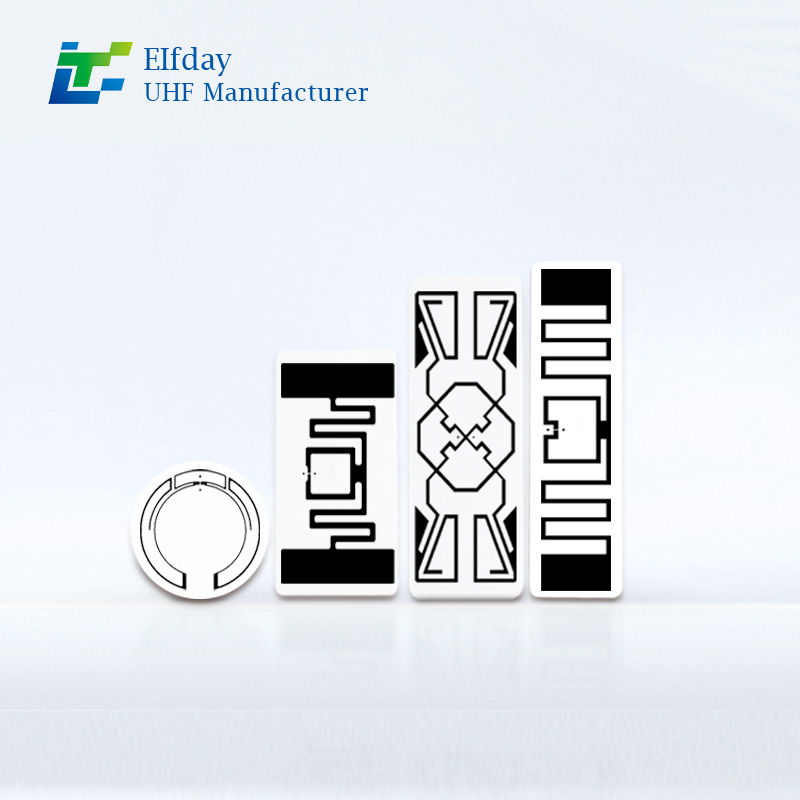
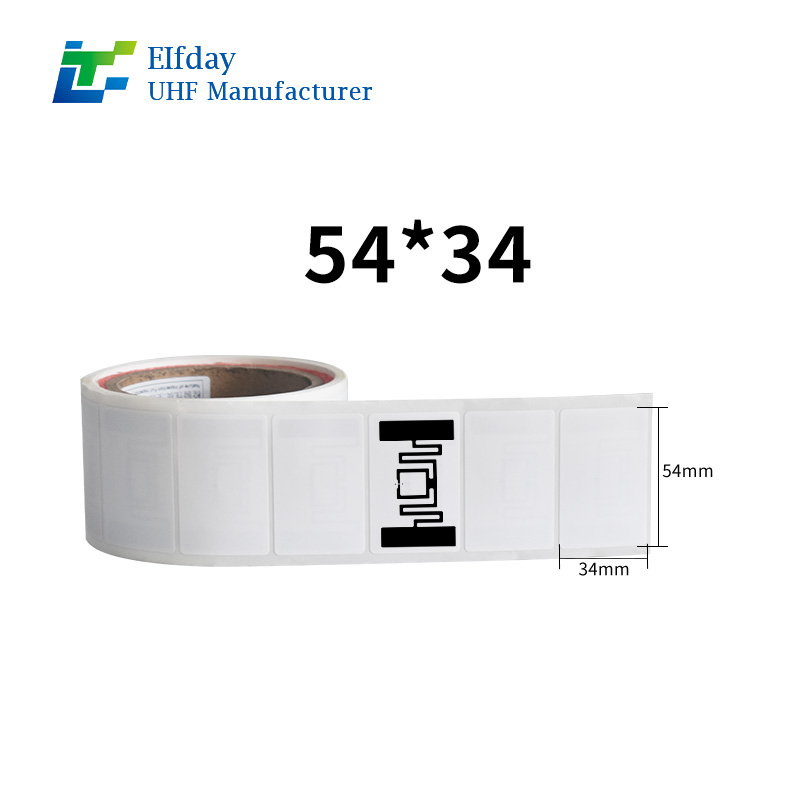
RFID (Radio Frequency Identification) tags are small electronic devices that use radio waves to identify and track objects. Unlike traditional barcodes, RFID tags do not require direct line-of-sight to be scanned. This capability makes them an ideal solution for tracking assets in large facilities, warehouses, and even remote locations.
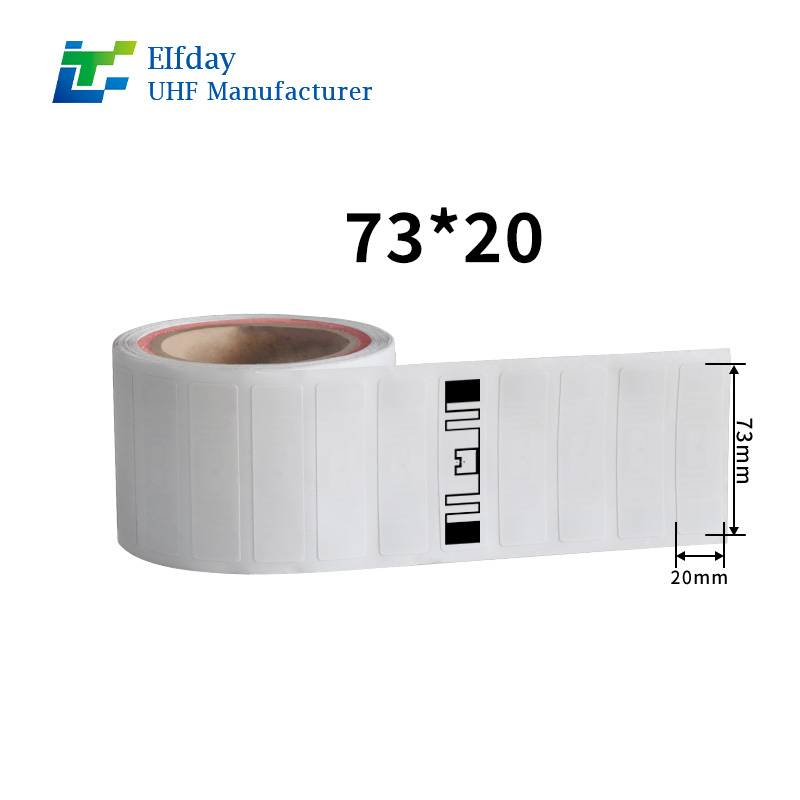
RFID tags consist of a microchip that stores data and an antenna that transmits the information. These tags come in two primary types: passive and active. Passive RFID tags are powered by the radio waves from the reader, while active tags contain an internal battery, allowing them to broadcast signals on their own.
Why RFID Tags are Essential for Asset Tracking
Real-time Asset Tracking:
RFID tags enable businesses to track assets in real-time, ensuring accurate, up-to-date information about the location and status of valuable items. Whether it's machinery, inventory, or equipment, RFID technology offers an easy and efficient way to monitor assets at all times.
Increased Accuracy and Reduced Human Error:
Traditional asset tracking methods, such as manual logging or barcode scanning, are prone to human error. RFID tags eliminate these inaccuracies by automating the tracking process. With RFID, assets are scanned automatically as they pass through readers, minimizing mistakes and ensuring precise tracking data.
Enhanced Security and Theft Prevention:
RFID tags can be integrated with security systems to prevent asset theft. By setting up RFID readers at key entry and exit points, businesses can receive immediate alerts if a tagged asset is removed from a designated area without proper authorization. This enhances security and reduces the risk of asset loss.
Improved Operational Efficiency:
RFID technology allows for faster and more streamlined asset tracking, reducing the time spent searching for and locating items. This leads to improved operational efficiency, saving time and resources. Employees can quickly find assets, reducing downtime and improving workflow processes.
Long-Term Cost Savings:
While the initial investment in RFID technology might be higher than traditional tracking methods, the long-term savings far outweigh the costs. With RFID tags, companies can reduce the need for manual labor, minimize asset losses, and improve inventory management, ultimately leading to significant cost reductions.
How RFID Tags Benefit Different Industries
Healthcare:
In healthcare facilities, RFID tags are used to track medical equipment, medication, and even patient records. This ensures that valuable assets are not misplaced or misused, improving patient safety and overall operational efficiency.
Manufacturing:
Manufacturers use RFID tags to monitor production equipment, tools, and raw materials. By tracking these assets throughout the production process, manufacturers can identify bottlenecks, reduce downtime, and improve production scheduling.
Retail:
In retail, RFID tags are used to manage inventory more effectively. By tagging products, retailers can track stock levels in real-time, automate reordering, and reduce stockouts. RFID also enables faster checkouts, improving the customer experience.
Logistics and Supply Chain:
The logistics industry has greatly benefited from RFID tags, as they provide real-time tracking of goods in transit. RFID helps ensure that shipments are on time, reduces inventory discrepancies, and improves supply chain visibility.
How to Implement RFID Tags for Asset Tracking
Choose the Right Type of RFID Tag:
Depending on the application, businesses can choose between passive and active RFID tags. Passive tags are generally less expensive and ideal for most applications, while active tags are suitable for high-value assets that require long-range tracking.
Install RFID Readers and Antennas:
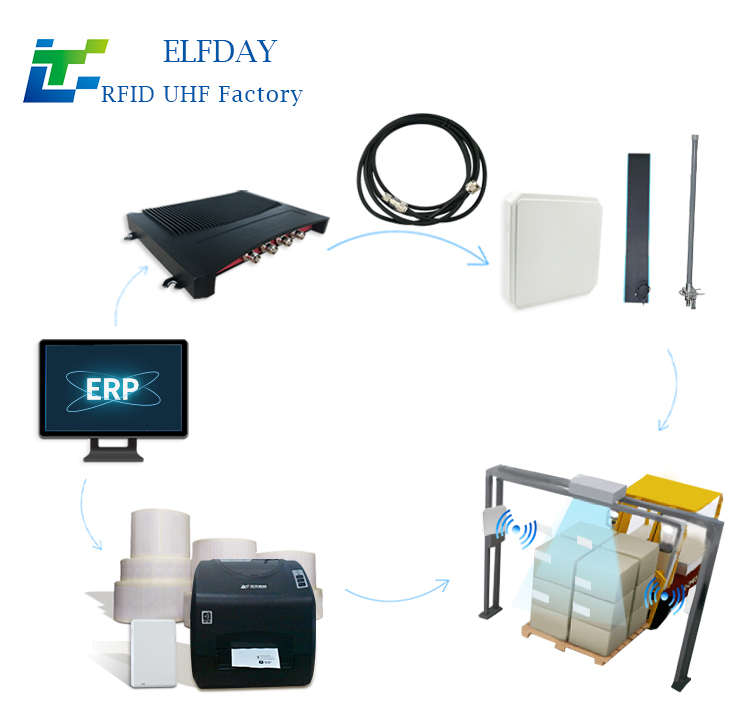
To capture data from RFID tags, businesses need to install RFID readers and antennas at key locations. These readers will automatically scan tags as assets pass by, updating the system in real time.
Integrate RFID Data with Asset Management Software:
For optimal results, RFID data should be integrated with asset management software. This allows businesses to track and manage assets in a centralized system, providing valuable insights into asset utilization, location, and status.
Train Employees:
Proper training is essential for successful RFID implementation. Employees need to understand how to use the RFID system and interpret the data it provides. This will ensure that the system runs smoothly and that assets are tracked accurately.
RFID tags for asset tracking offer a revolutionary approach to asset management, providing businesses with enhanced accuracy, security, and efficiency. By implementing RFID technology, organizations can improve their operations, reduce costs, and better protect their valuable assets. Whether you're in healthcare, retail, logistics, or manufacturing, RFID tags can streamline your asset tracking process and help you stay ahead of the competition.