








How RFID Tags for Chemicals Can Prevent Costly Inventory Shrinkage
The Hidden Drain: Why Chemical Inventory Shrinkage Demands Your Attention
Every year, chemical facilities lose valuable resources to inventory shrinkage. Not through theft alone—though that happens—but through something far more insidious: assets quietly disappearing into the operational abyss.
Industry studies reveal a sobering reality. Annual asset shrinkage due to containers leaking to other areas, sub-pooling, and customer non-returns typically affects 2% of the total asset base, and in some facilities, that figure climbs to a staggering 10% . For a mid-sized chemical plant managing thousands of containers, this represents hundreds of valuable assets vanishing annually.
But here's what keeps plant managers awake at night: those numbers only tell part of the story. The real cost includes production delays when critical chemicals can't be located, emergency reordering that strains supply chains, compliance risks from undocumented materials, and countless labor hours wasted hunting for "missing" containers that never left the facility.
The question isn't whether you can afford to address chemical inventory shrinkage. The question is whether your operation can sustain the cumulative disruption.
Understanding Chemical Inventory Shrinkage: More Than Just "Missing Stuff"
Before we examine the solution, let's diagnose the problem. Chemical inventory shrinkage manifests in several distinct ways:
Physical Loss: Containers physically leave the facility without proper documentation—returned late by partners, diverted to unauthorized areas, or simply never recorded as leaving.
Location Loss: Assets exist somewhere in the facility but can't be found when needed. A 55-gallon drum of specialty solvent "somewhere in Warehouse B" might as well be on the moon when a production line is waiting.
Data Loss: The chemical exists and is locatable, but its documentation—safety data sheet status, expiration date, usage history—is incomplete or inaccurate, rendering it non-compliant for use.
Time Loss: Perhaps the most insidious form of shrinkage. When skilled technicians spend hours hunting for chemicals instead of doing value-added work, that lost productivity never returns.
Traditional tracking methods collapse under these challenges. Barcodes require line-of-sight and fail in corrosive environments . Paper logs depend on human accuracy—and humans make mistakes. Spreadsheets become obsolete the moment they're saved.
This is where RFID tags for chemicals transform the equation entirely.
How RFID Tags Create Chemical Inventory Visibility
Radio Frequency Identification (RFID) technology doesn't just track chemicals—it creates real-time visibility into every container, everywhere in your facility, automatically.
Unlike barcode systems that require manual scanning of each item, RFID readers capture data from dozens of tags simultaneously, without line-of-sight, even when containers are obscured behind other objects or inside cabinets .
The Technical Foundation
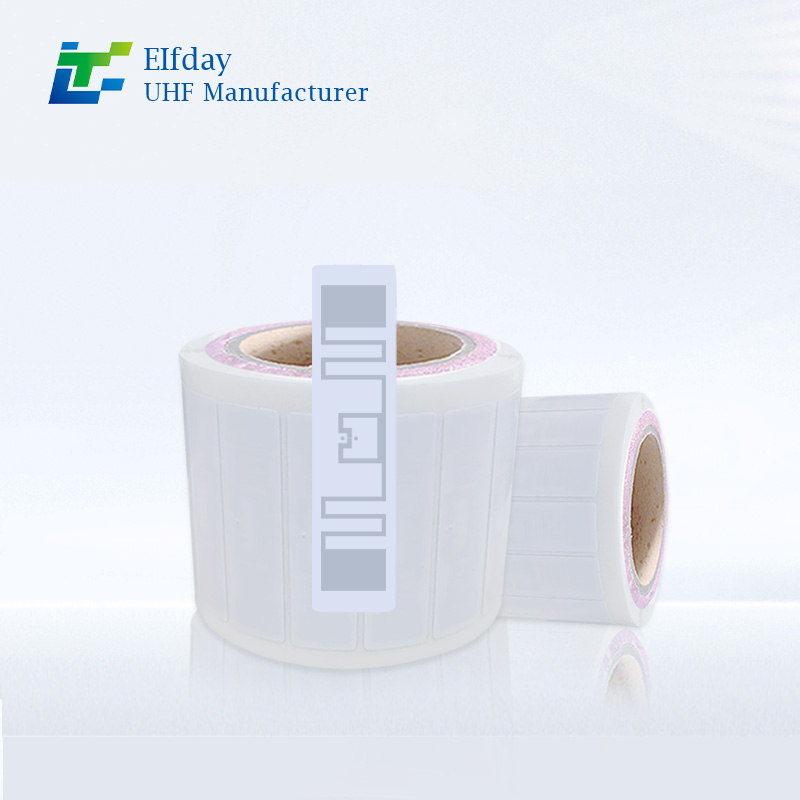
Modern chemical-resistant RFID tags are engineered specifically for harsh environments. The Chemical Resistant NXP UCODE® 8 PEEK RFID On-Metal Tag, for example, represents the state of the art in durable chemical tracking :
Chemical Resistance: Withstands pH 0-14 environments, impervious to most common industrial chemicals
Temperature Tolerance: Operates from -40°C to +150°C, with storage tolerance up to +250°C
On-Metal Performance: Optimized specifically for metal containers that would disable standard RFID tags
Physical Durability: IP68 and IP69K rated against dust and high-pressure washdowns
Read Range: Up to 6.5 meters with fixed readers, 3.5 meters with handheld units
These specifications aren't academic. They mean that RFID tags for chemicals survive where ordinary tracking methods fail—on acid drums, inside solvent cabinets, through autoclave cycles, and after repeated caustic washdowns .
How It Works in Practice
RFID chemical tracking has become standard practice. Containers arriving at the Central Chemical Receiving Facility are tagged immediately. Throughout their lifecycle, these containers can be located using RF signals, drastically reducing search time .
The system supports two primary tag types :
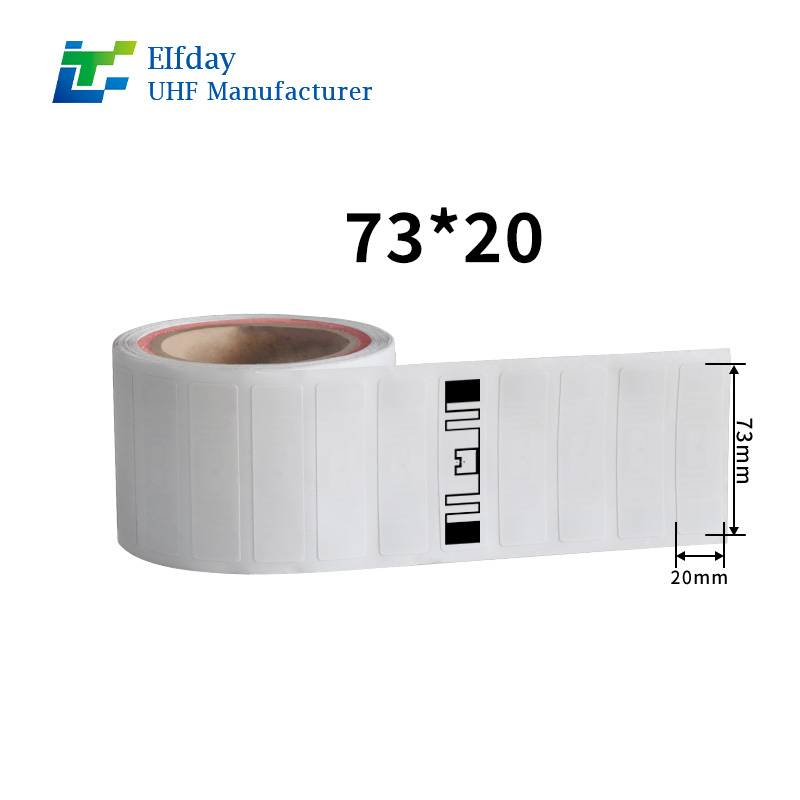
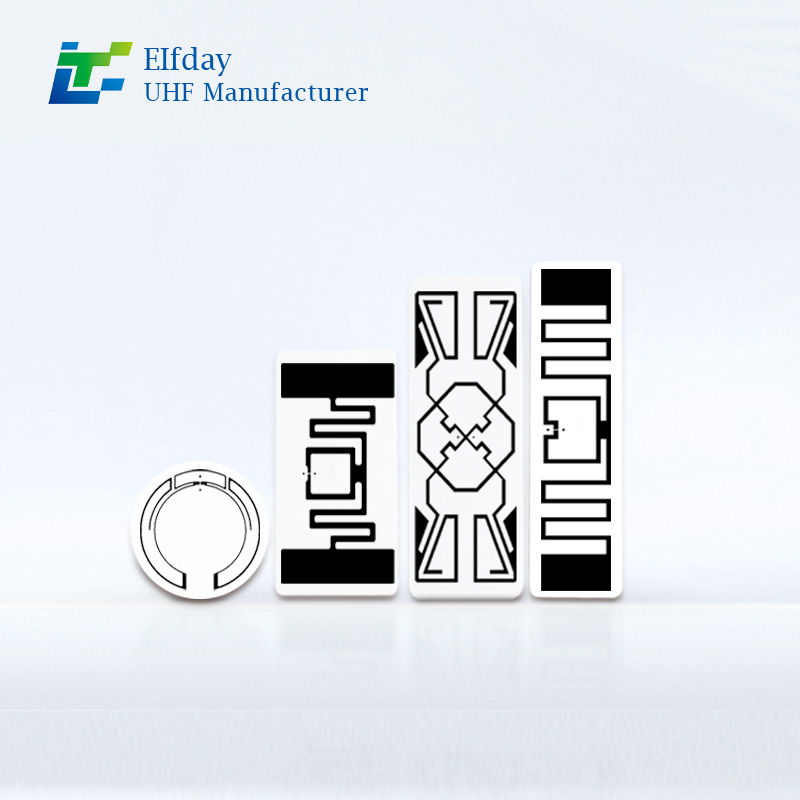
Flat tags for general container use
Flag tags specifically designed for metal surfaces (cylinders, cabinet shelves) and small containers
For extreme cold storage, specialized freezer tags maintain performance at -20°C and below .
Real Results: What Happens When RFID Prevents Shrinkage
Theory is useful. Real-world outcomes are better. Let's examine what happens when RFID tags for chemicals move from concept to implementation.
The Chemical Plant Case Study
A chemical facility operating with over 3,500 Intermediate Bulk Containers (IBCs) faced the classic shrinkage problem: containers regularly went missing, were returned late, or returned damaged. Industry benchmarks suggested 2-10% annual shrinkage affecting valuable assets .
After implementing an RFID tracking system with tags on every container and readers at all four facility entry/exit points, the transformation was immediate:
Before RFID:
Container searches consumed hours of staff time weekly
Production delays occurred when critical chemicals couldn't be located
Return rates from customers were inconsistent and difficult to enforce
Year-end inventory counts revealed significant unexplained gaps
After RFID:
Container location became instantly available via central dashboard
Automated exit detection captured every container movement
Return compliance improved through data-backed accountability
Complete inventory visibility eliminated surprise shortages
The study noted that the operational improvements alone justified the implementation, without considering the avoided disruption from missing assets .
The Laboratory Efficiency Benchmark
At the FDA's own laboratories, the Integrated Digital Asset System (IDAS) now tracks chemicals, solvents, lab supplies, and samples using passive RFID technology. The system delivers :
Real-time asset visibility without manual data entry
Auto-association of materials with experiment records
Automatic alerting for expiring chemicals
Streamlined audit documentation
The result: laboratory staff spend less time on inventory management and more time on mission-critical work, while compliance confidence increases dramatically .
The Process Manufacturing Example
Evonik, a world-leading supplier of specialty chemicals, faced a different shrinkage challenge. Their filtration process used approximately 100 filter plates per compression cycle, each representing a critical production component. When plates failed—and they did fail—production halted. Without tracking data, they couldn't identify problem suppliers or predict failures .
Their solution: embedding RFID "pills" directly into the plastic filter plate material, sealed with silicone against chemical attack. Workers now scan plates with handheld readers, downloading data to a central database. The statistical analysis reveals exactly which suppliers deliver quality products and which don't .
The operational benefits include :
Reduced unplanned downtime
Supplier quality enforcement through data
Predictive maintenance scheduling
Extended asset life through better care
Seven Ways RFID Tags Prevent Chemical Inventory Shrinkage

1. Automated Arrival/Departure Detection
When RFID readers at facility entry points automatically detect containers entering or leaving, shrinkage from undocumented movement stops. No more "it must have left on Tuesday's truck" mysteries .
2. Real-Time Location Visibility
The ability to query a system and immediately know where every chemical container resides eliminates "lost" inventory. Staff spend time using chemicals, not hunting for them .
3. Theft Deterrence and Detection
RFID-enabled exits paired with surveillance create powerful theft deterrence. When tagged items pass through exit readers, systems can trigger alerts and capture images of the person moving the item . The knowledge that every container announces its departure changes behavior.
4. Expiration Management
Chemicals have finite lives. RFID systems track expiration dates and alert personnel before materials become unusable. This prevents the "shrinkage" of expired chemicals that must be disposed of through costly, time-consuming waste procedures .
5. Cycle Count Elimination
Manual cycle counts are time-consuming, error-prone, and inherently incomplete. With RFID, complete inventory visibility is continuous. One medical device company reduced annual inventory counting from a major operational burden to a fully automated process after implementing RFID .
6. Partner Accountability
When containers leave your facility and don't return, is it theft or partner negligence? RFID tracking through the supply chain provides data to enforce return policies and maintain healthy business relationships .
7. Regulatory Compliance Automation
Regulatory bodies increasingly expect robust chemical tracking. RFID automates compliance reporting, reducing the risk of findings from audit inspections . The FDA's own adoption of RFID for chemical tracking signals the regulatory direction .
Implementation Strategy: Getting RFID Right
Success with RFID tags for chemicals requires more than purchasing hardware. Follow these best practices to maximize operational impact.
Phase 1: Needs Assessment
Begin by understanding exactly what you're tracking and under what conditions :
What chemical classes will be tagged? (Acids, solvents, bases, oxidizers?)
What temperature extremes will tags face?
Are containers metal, plastic, or mixed?
What read ranges are required?
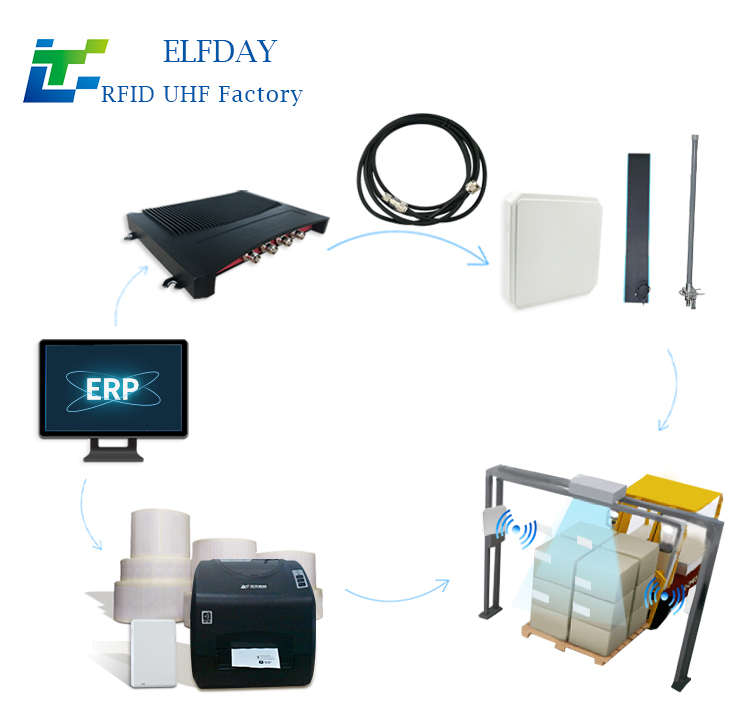
What integration with existing systems (ERP, CMMS, LIMS) is needed?
Phase 2: Tag Selection
Not all RFID tags are created equal. For chemical environments, standard tags fail. Select tags specifically engineered for chemical resistance :
PEEK-encapsulated tags for extreme chemical exposure (pH 0-14 tolerance)
Ceramic tags for highest temperature applications
Flag-style tags for metal surfaces where signal interference would otherwise occur
Embeddable tags for assets where surface mounting is impractical
Phase 3: Strategic Deployment
Consider a phased approach :
Pilot program with one product line or facility section
High-value assets first where operational impact is most dramatic
Critical control points (receiving, shipping, high-use areas)
Full facility rollout based on pilot learnings
Phase 4: Integration and Training
RFID generates data. That data must flow into systems your team already uses :
Integrate with existing ERP or CMMS platforms
Ensure mobile readers are intuitive for field staff
Train personnel on both technology use and process changes
Establish clear protocols for exception handling
The Operational Case: Why Waiting Creates Risk
Some facility managers hesitate at the upfront investment in RFID infrastructure. This perspective misses the ongoing operational cost of not acting.
Consider a facility with thousands of chemical containers facing the industry-average 2% annual shrinkage. That's hundreds of valuable assets becoming unavailable every year—not as a one-time event, but as an operational drain that repeats annually.
Even a modest reduction in shrinkage combined with labor efficiency gains often delivers compelling operational returns. And that's before considering the avoided disruption of:
Production delays from missing materials
Supply chain strain from emergency reordering
Compliance findings from incomplete records
Safety concerns from improperly tracked hazardous materials
As the AXCESS case study concluded: "Further reductions in 'lost' assets dramatically improved operations" . The more shrinkage you prevent, the smoother your operations become.
Beyond Shrinkage Prevention: The Strategic Advantage
While this article focuses on preventing inventory shrinkage, organizations implementing RFID tags for chemicals discover additional benefits that compound the operational value:
Safety Enhancement: In emergencies, knowing exactly where hazardous materials are located improves response times and protects personnel .
Waste Reduction: Better inventory visibility means using chemicals before they expire and ordering only what's needed .
Sustainability: Reduced waste and more efficient logistics lower environmental impact .
Data-Driven Decisions: Usage pattern analysis enables optimized reorder cycles and vendor selection .
Audit Readiness: Complete, accurate records available instantly for any inspection .
The Bottom Line
Chemical inventory shrinkage isn't inevitable. It's not "the cost of doing business." It's a measurable, preventable drain on your organization's operational efficiency—and RFID tags for chemicals provide the proven solution.
From chemical plants transforming container tracking to FDA laboratories ensuring compliance through automated visibility to process manufacturers extending asset life through data-driven maintenance , organizations across the chemical industry are discovering that RFID isn't just a tracking technology—it's an operational excellence system.
The technology exists. The results are documented. The implementation path is clear.
The only remaining question: How much longer can your operation afford the disruption of chemical inventory shrinkage?
Ready to Stop Chemical Inventory Shrinkage?
RFIDTag.com offers a full range of chemical-resistant RFID solutions engineered for the harshest environments. Our Chemical Resistant NXP UCODE® 8 PEEK RFID On-Metal Tag provides the durability and performance chemical facilities demand, with:
pH 0-14 chemical resistance
-40°C to +150°C operating range
IP68 and IP69K protection
Optimized on-metal performance
128-bit EPC memory with advanced chip features
Contact our chemical industry specialists today for a consultation on your specific tracking challenges. We'll help you assess your operational needs and design a solution that delivers measurable results.
Call: [+86 15362889329]
Email: [us@qyswf.com]
Visit: [www.rfid.top]
Don't let another container disappear. Stop chemical inventory shrinkage with RFID.
Frequently Asked Questions
Q: How long do chemical-resistant RFID tags last in harsh environments?
A: High-quality tags made with PEEK encapsulation typically last 5-10+ years even with continuous chemical exposure, dramatically outperforming standard tags .
Q: Will RFID work on metal chemical drums?
A: Yes, but you need tags specifically engineered for on-metal use, such as flag tags or PEEK-encapsulated on-metal tags. Standard RFID tags fail on metal surfaces .
Q: Can RFID track both fixed assets and consumable chemicals?
A: Absolutely. Modern RFID systems track everything from reactor vessels to chemical drums to sample containers, all within a single integrated platform .
Q: How does RFID integrate with our existing ERP system?
A: Leading RFID solutions offer standard integration interfaces with major ERP, EAM, and CMMS platforms, ensuring RFID data flows directly into your central business systems .
Q: What kind of operational improvements can we expect from RFID implementation?
A: Documented case studies show dramatic reductions in search time, elimination of manual cycle counts, improved return compliance, and enhanced audit readiness .
This article was published on [Current Date]. For the latest information on RFID tags for chemicals and chemical inventory management solutions, visit our website or contact our team.