








How RFID Tags for Food Tracking Prevent Costly Product Recalls
Every year, the food industry faces a silent threat that can unravel years of brand reputation in a matter of hours. A single contaminated shipment, a mislabeled allergen, or a breakdown in the cold chain can trigger a recall that costs millions—not just in logistics and legal fees, but in consumer trust.
For food producers, distributors, and retailers, the question is no longer if a recall might happen, but how quickly they can respond when it does. In this high-stakes environment, RFID tags for food tracking have emerged as one of the most effective tools for shifting from reactive damage control to proactive supply chain visibility.
The High Cost of a Slow Response
To understand why RFID technology is so critical, it helps to look at what happens during a typical recall. When a contamination issue is discovered—say, a batch of leafy greens linked to a pathogen—the first hours are the most critical. Yet many food businesses still rely on manual logs, spreadsheets, or barcode systems that were never designed for speed.
With traditional systems, identifying the exact location of a compromised batch can take days. During that time, contaminated products continue moving through the supply chain, reaching store shelves and, ultimately, consumers’ homes. The result is a recall that expands far beyond its original scope, affecting more people and triggering regulatory scrutiny, lawsuits, and long-term reputational damage.
By contrast, RFID tags for food tracking provide a level of granularity and speed that transforms recall management. Instead of guessing which pallets or cases might be affected, food safety teams can pinpoint the exact inventory that needs to be pulled—and leave the rest untouched.
From Batch-Level to Item-Level Precision
One of the most significant limitations of barcode systems is that they operate at the batch or pallet level. While a barcode can tell you what a product is, it typically cannot tell you exactly where that specific unit has been throughout its journey.
RFID changes this entirely. When RFID tags for food tracking are applied to individual cases or even individual items, each tag carries a unique electronic product code. This means that every unit can be tracked independently as it moves through the supply chain—from the processing facility to the distribution center, and finally to the retail shelf.
In a recall scenario, this precision is invaluable. Instead of pulling an entire day’s production or every shipment from a specific supplier, a food company can identify and isolate only the units that fall within a specific date range, facility line, or temperature excursion event. This targeted approach drastically reduces the scope of a recall, saving millions in wasted product and protecting the company’s bottom line.
Real-Time Visibility Across the Cold Chain
Perishable foods present a unique challenge because safety and quality are so tightly linked to temperature control. A broken refrigerator door or a delayed truck crossing state lines can render an entire shipment unsafe, even if no pathogen is present.
RFID tags for food tracking that incorporate temperature sensors add another layer of protection. These smart tags continuously record temperature data throughout the supply chain and transmit it in real time. If a shipment experiences a temperature excursion—meaning the product rose above or fell below a safe threshold—the system flags it immediately.
When a recall is triggered due to a temperature failure, having this data allows food safety managers to trace exactly which shipments were affected and which remained within safe parameters. Without this level of detail, companies often err on the side of extreme caution, recalling far more product than necessary. With RFID-enabled tracking, they can make precise, data-driven decisions that protect consumers without unnecessarily disrupting operations.
Streamlining Traceability for Regulatory Compliance
Regulatory bodies around the world are raising the bar for food traceability. In the United States, the Food Safety Modernization Act’s Section 204—commonly known as the Food Traceability Rule—requires companies handling certain high-risk foods to maintain detailed records that can be shared with the FDA within hours of a request.
Meeting these requirements with manual systems is a heavy administrative burden. Paper logs must be kept, organized, and made accessible, often across multiple facilities. Even with digital spreadsheets, the process of assembling traceability data from disparate sources is time-consuming and prone to human error.
RFID tags for food tracking automate this process. When every movement of a tagged item is automatically recorded, traceability becomes a byproduct of daily operations rather than a separate compliance exercise. In the event of an investigation, companies can retrieve complete chain-of-custody records in minutes, demonstrating their compliance and reinforcing the safety of unaffected products.
Reducing the Risk of Cross-Contamination
Recalls are often triggered not by a single point of failure, but by complex cross-contamination events that span multiple facilities. A supplier’s ingredient may test positive for a contaminant, but that ingredient may have been used in dozens of different products across several production lines.
When RFID tags for food tracking are used at the ingredient and sub-assembly level, manufacturers gain the ability to trace forward and backward with equal ease. If a raw material is flagged, they can immediately see which finished goods contain that ingredient, where those finished goods were shipped, and which retailers received them.
This bidirectional traceability is essential for containing recalls quickly. It prevents the contamination from spreading further while allowing unaffected products—those made from different batches or ingredients—to continue moving to market. The result is a more resilient supply chain that can absorb shocks without grinding to a halt.
Building Consumer Trust Through Transparency
While the operational benefits of RFID are compelling, the reputational impact may be even more significant. In today’s market, consumers expect to know where their food comes from and whether it is safe. A recall that is handled poorly can permanently damage a brand’s image, while a recall that is managed swiftly and transparently can actually strengthen consumer confidence.
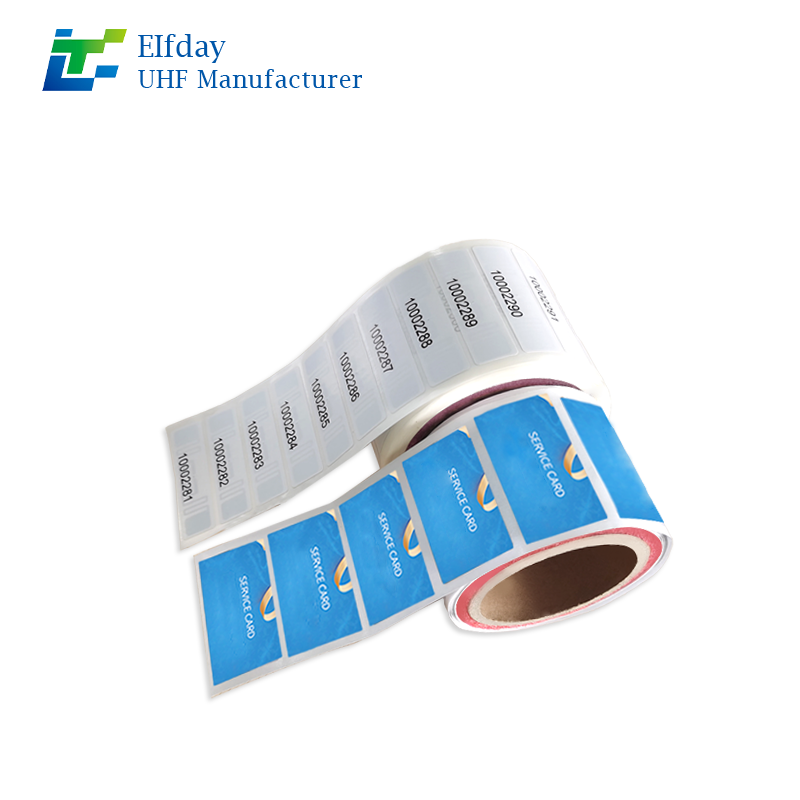
RFID tags for food tracking enable a level of transparency that goes beyond regulatory compliance. Some food companies are beginning to share traceability data directly with consumers, allowing them to scan a code and see the journey their food took from farm to table. When a recall does occur, this same infrastructure allows the company to communicate precisely which products are affected—and which are not—reassuring customers that the rest of their offerings remain safe.
This transparency signals that a company takes food safety seriously and has invested in the systems necessary to protect its customers. In an industry where trust is a fragile commodity, that investment pays dividends long after a recall crisis has passed
How RFID Tags for Food Tracking Work in Practice
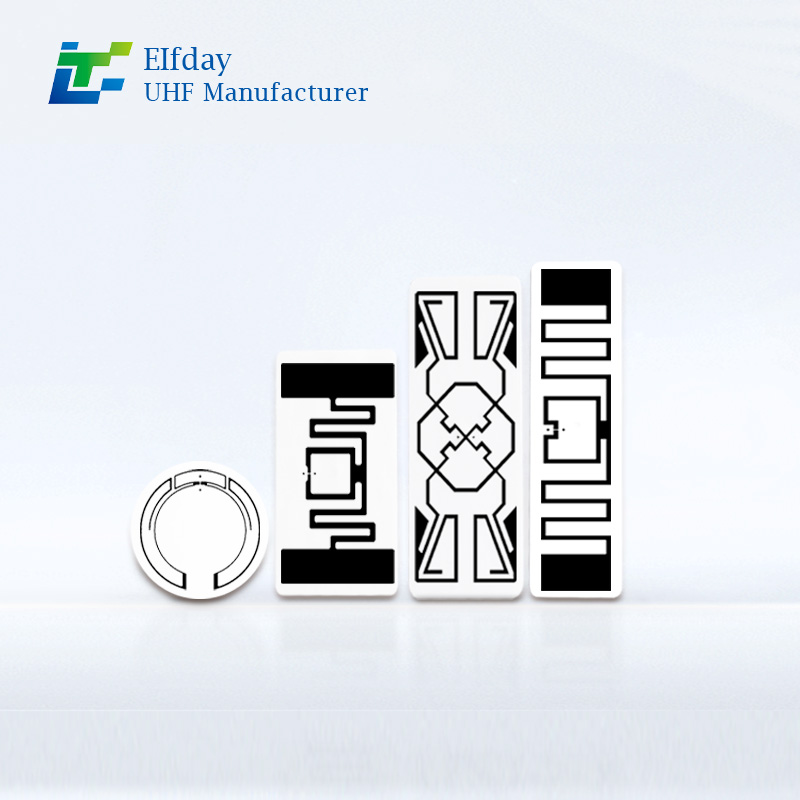
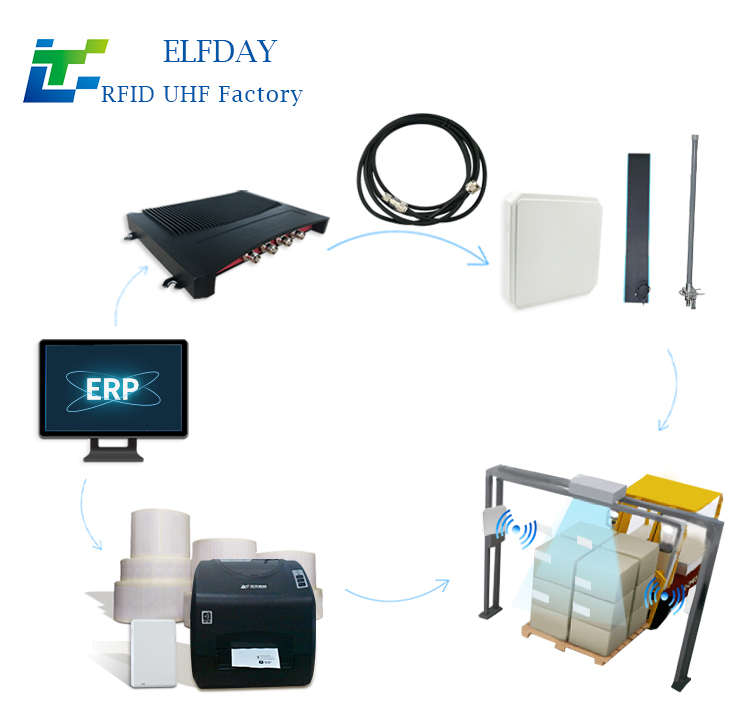
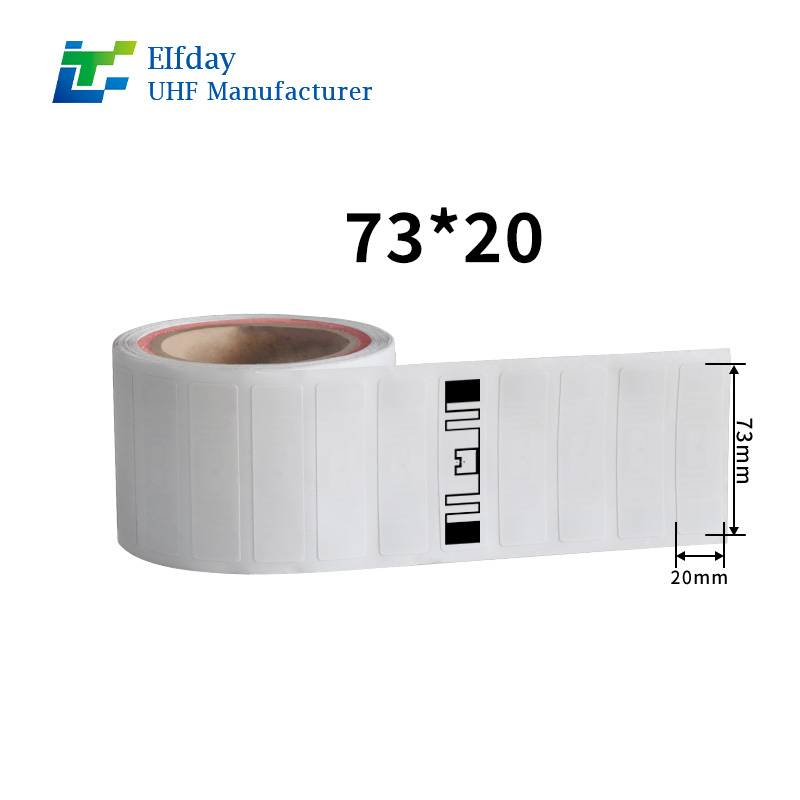
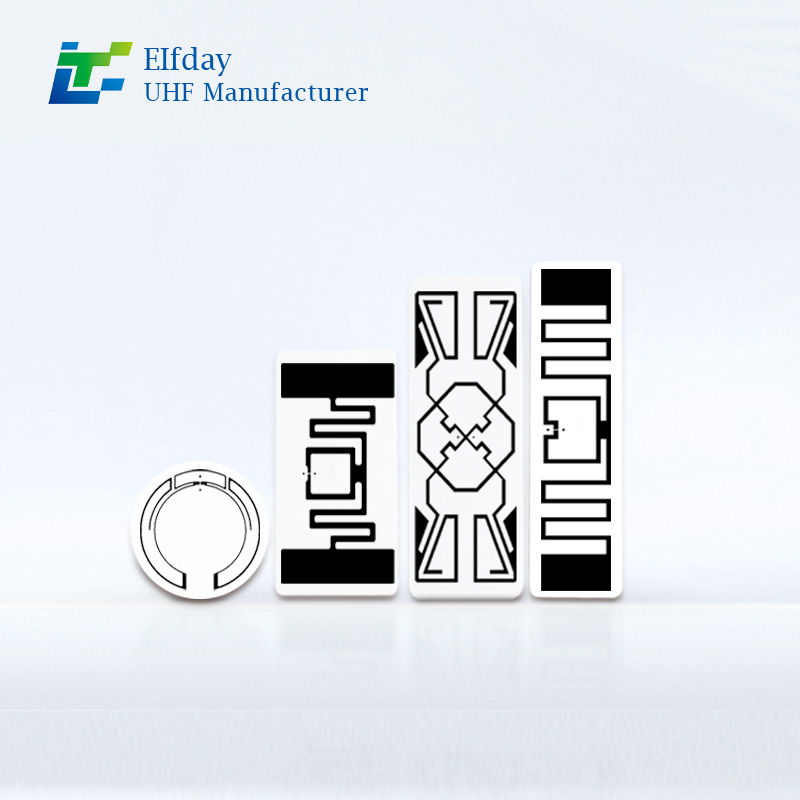
For businesses considering this technology, it is helpful to understand how RFID tags for food tracking fit into existing operations. The system typically consists of three components: the tags themselves, fixed or handheld readers, and a software platform that aggregates and analyzes the data.
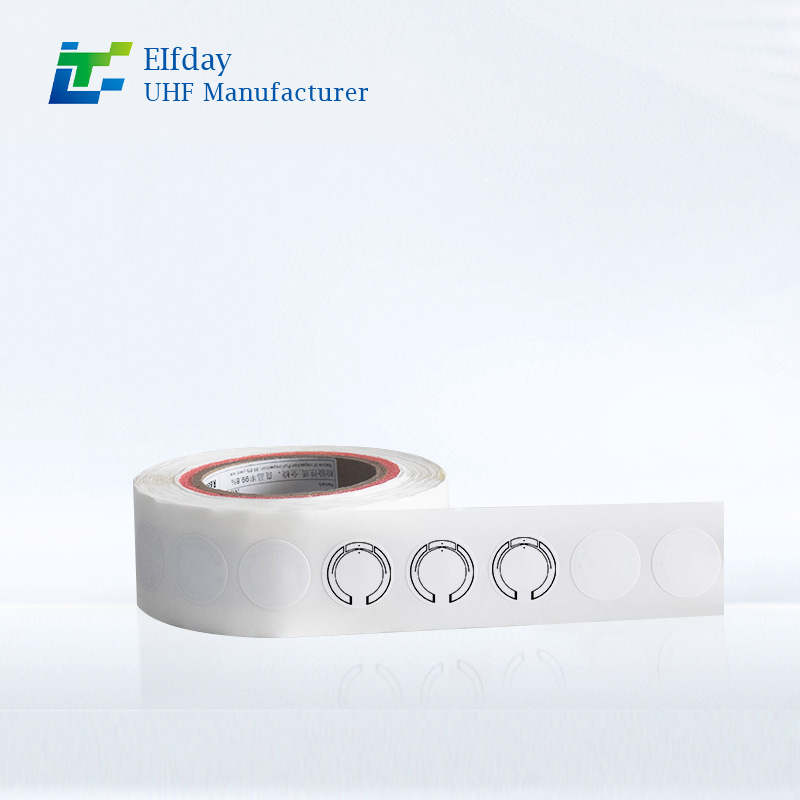
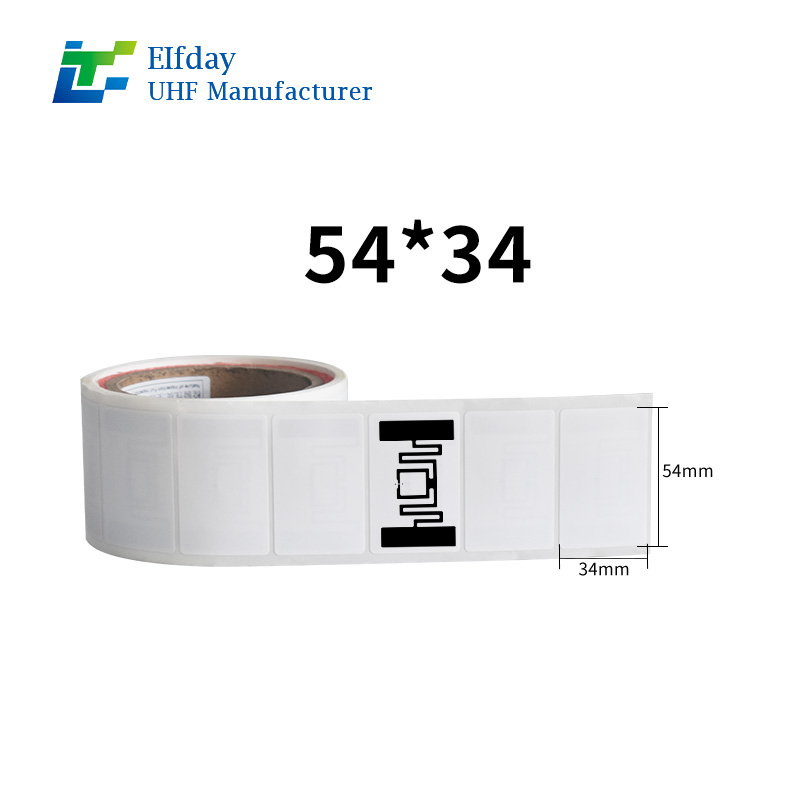
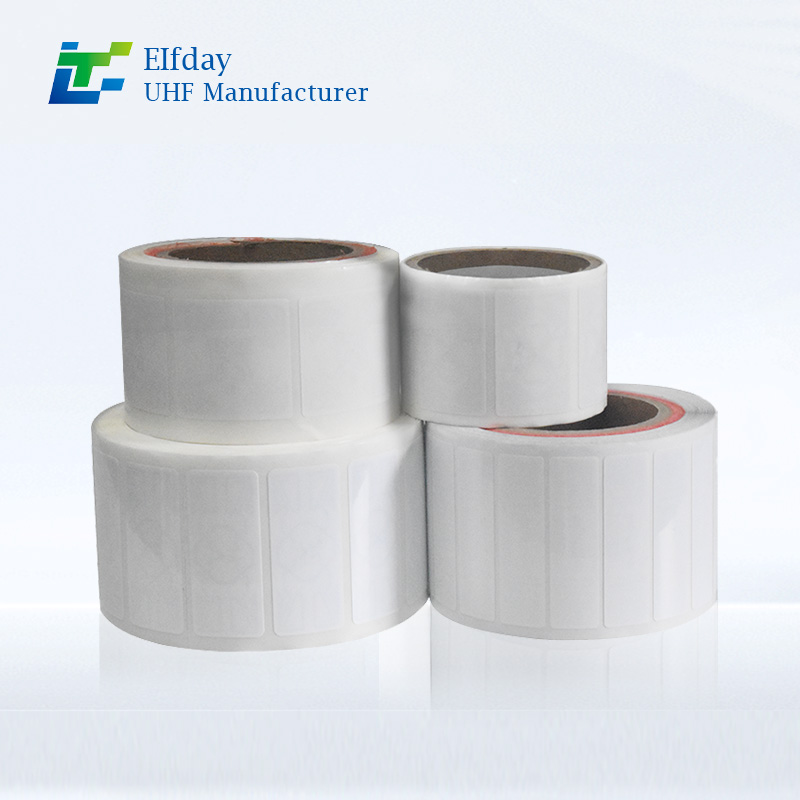
Tags are applied to cases, pallets, or individual items at the point of production or packing. As these tagged units move through the supply chain, they pass through portal readers at key checkpoints—loading docks, warehouse doors, and receiving areas. These readers capture data automatically, eliminating the need for manual scanning.
The software platform translates that data into a visual map of inventory movement. Managers can see not only where products are located, but also how long they have been there, whether they have been stored at the correct temperature, and when they need to be shipped to maintain freshness.
When a recall is necessary, the same software allows users to search by batch number, date range, or facility and instantly retrieve a list of all affected units. From there, they can generate recall notices, coordinate with logistics partners, and communicate with retailers—all from a single dashboard.
A Proactive Approach to Food Safety
Perhaps the most important shift enabled by RFID technology is the move from reactive to proactive food safety. Traditional recall strategies focus on responding after a problem has been identified. RFID allows companies to identify potential issues before they escalate.
For example, if temperature data shows that a specific cooler is consistently running warmer than its set point, the facility can investigate and repair the equipment before any product is compromised. If a pallet of perishable goods is sitting in a warehouse longer than its recommended dwell time, the system can flag it for priority shipping. These small interventions add up, reducing the likelihood that a recall will be needed in the first place.
In this sense, RFID tags for food tracking do more than just mitigate the damage of a recall—they actively prevent many recalls from occurring at all.
Making the Business Case
For food industry professionals evaluating this technology, the return on investment often becomes clear when they consider the full cost of a single recall. The direct costs—product destruction, logistics, legal fees, regulatory fines—are only part of the picture. The indirect costs, including lost sales, damaged brand equity, and increased insurance premiums, often exceed the direct costs by a wide margin.
Investing in RFID tags for food tracking is ultimately an investment in risk reduction. The technology pays for itself not only in operational efficiencies—reduced labor, lower inventory shrinkage, improved inventory accuracy—but also in the peace of mind that comes from knowing that if something goes wrong, the business is prepared to respond with speed and precision.
In a landscape where food safety regulations are tightening and consumer expectations are higher than ever, the ability to trace products with certainty is no longer a competitive advantage. It is a baseline requirement for doing business.
The food supply chain has grown more complex, more global, and more vulnerable to disruption. A recall that once affected a single city can now span multiple countries within days. In this environment, speed and accuracy are everything.
RFID tags for food tracking offer a solution that is both practical and transformative. By providing real-time visibility, item-level precision, and automated record-keeping, they allow food companies to contain recalls quickly, protect their customers, and preserve the trust they have worked so hard to build.
For any business that handles perishable food, the question is not whether they can afford to implement RFID tracking, but whether they can afford not to. The cost of a single, poorly managed recall is often more than enough to justify the investment. And in an industry where safety is paramount, the peace of mind that comes from knowing your supply chain is fully traceable is simply priceless.