








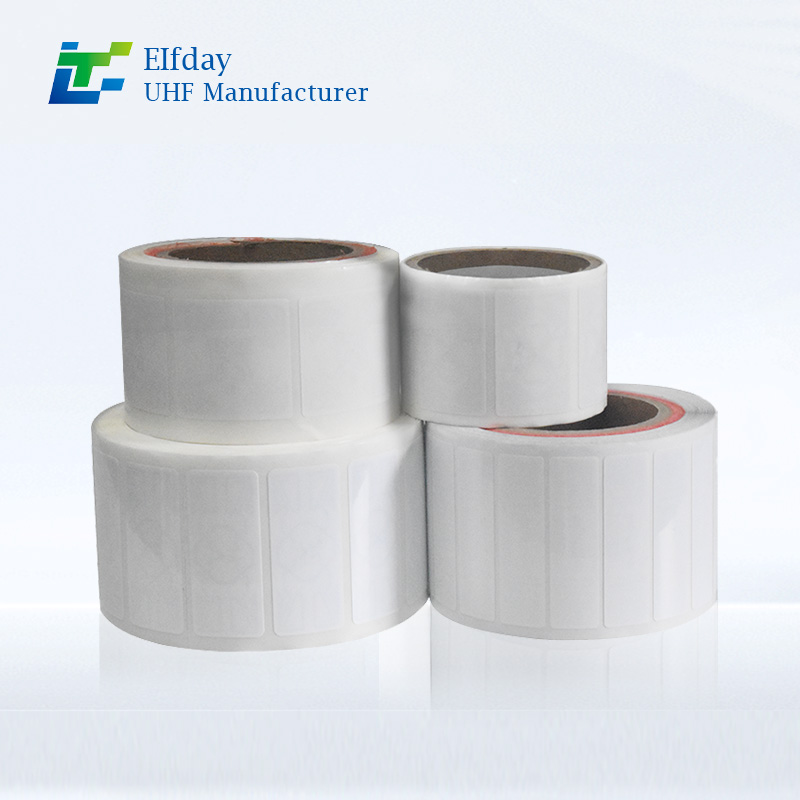
How RFID Tags for Manufacturing Help with Batch Traceability
Let’s be honest. When a customer calls about a defective part, your heart sinks. Not because of the complaint itself, but because of what comes next: “Which batch was it from? Where did the raw material come from? Who ran that press on Tuesday afternoon?”
If you’re still using paper logs or spreadsheets, finding those answers takes hours. Sometimes days. By then, more bad parts might have shipped. The problem snowballs.
This is exactly why batch traceability matters. And why more production managers are turning to RFID tags for manufacturing to fix it.
The old way is killing your response time
Think about a typical batch recall scenario. You discover a material defect in a shipment of finished goods. Now you need to pull every product made from that specific lot of raw material. But your current system? Maybe you have handwritten shift reports. Maybe a barcode scan at the start of the line. That tells you when a batch started, but not what happened to it along the way.
Did that batch get rerouted to a different machine? Did it sit in a work-in-progress bin overnight? Was it split across two different curing ovens?
Without granular tracking, you have two ugly choices: recall way more than you need to (expensive and embarrassing), or hope the problem is isolated (risky and irresponsible).
RFID tags for manufacturing eliminate that guessing game.
How RFID builds a digital chain for every batch
Here’s how it works in practice.
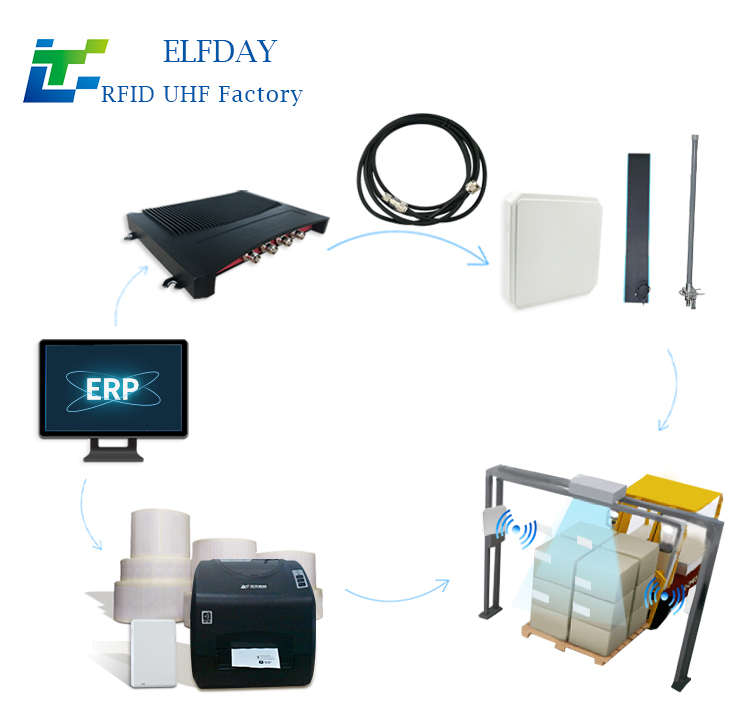
You attach an RFID tag to a pallet, tote, or even individual product carriers at the start of a production run. That tag gets linked in your system to a specific batch number, including raw material lot codes, production date, shift, and operator.
As the batch moves through each station, fixed or handheld readers automatically capture the tag ID. Every step gets logged: when it entered the oven, how long it stayed, who performed the quality check, which testing equipment was used.
By the time that batch reaches final packaging, you have a complete, unbreakable digital trail. No gaps. No “I think this is what happened.”
And here’s the beautiful part. If a problem shows up later, you simply look up that batch number in your system. Instantly you see every machine, operator, and material lot that touched it. You know exactly which finished goods are affected. Nothing more, nothing less.
Why batch traceability fails without real-time data
Paper logs have a fundamental problem: people fill them out after the fact. A operator runs thirty parts, then walks to a clipboard and writes down the counts. But if they get interrupted, they might forget to record a material change. Or they write the wrong time. Or the log gets smeared with grease.
Barcodes improve things, but they still require someone to stop and scan at each step. On a busy line, that scanning gets skipped when things get hectic. And barcodes on paper labels? They tear, fade, or get covered in grime.
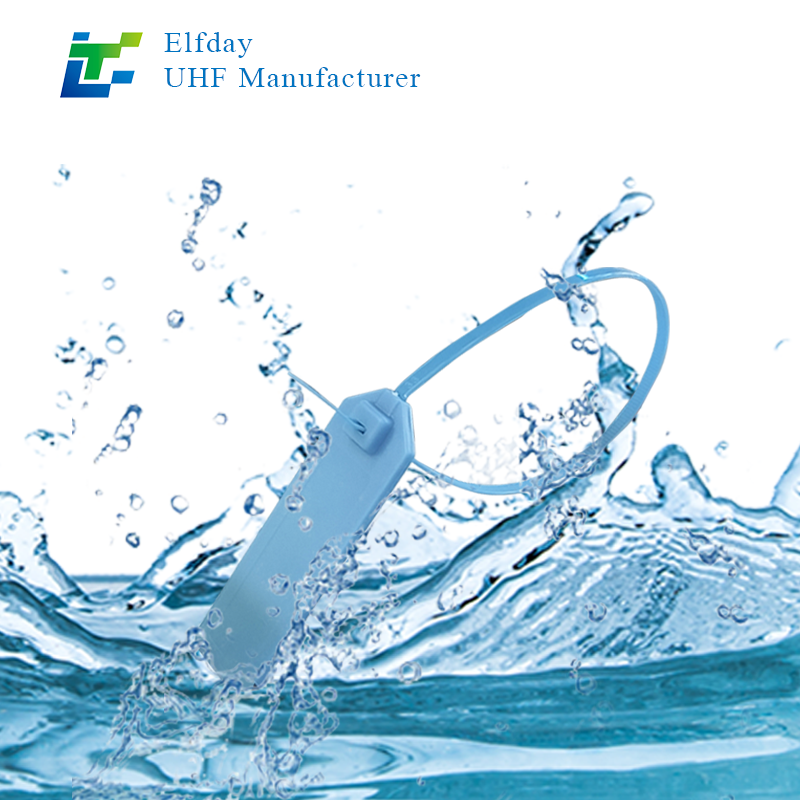
RFID tags for manufacturing work differently. The scan happens automatically. The operator doesn’t have to remember anything. The tag can be embedded in a durable plastic or metal housing that shrugs off oil, heat, and impact. You don’t even need line of sight. A reader mounted over a conveyor captures every tag that passes underneath, no matter the orientation.
A real example you can relate to
Imagine you run a plastics molding shop. You receive a shipment of resin pellets that later turns out to be contaminated. Without good traceability, you’d have to track down every part made in the last two weeks and retest them. That’s thousands of parts.
With RFID tags for manufacturing on your material totes, your system knows exactly which batches of resin went into which molds on which shifts. You pull up the data, identify the affected part numbers and date ranges, and contact only the customers who received those specific units. Everyone else gets left out of the recall. Your reputation stays intact. Your costs stay controlled.
That’s the power of knowing exactly what happened, not guessing.
Beyond recalls: everyday benefits you’ll love
Batch traceability isn’t just for disasters. It helps every single day.
Your quality team can spot trends. If a certain machine starts producing more defects during the afternoon shift, the traceability data shows you exactly when it began. Maybe a raw material lot changed at that time. Maybe a different operator started. You find the root cause in minutes instead of weeks.
Your customers will also start asking for traceability data. Large buyers, especially in automotive, medical, and electronics, now require full batch genealogy from their suppliers. If you can provide detailed RFID-based traceability reports, you win contracts that competitors without that capability simply can’t touch.
And your own production planning improves. When you can see exactly how long each batch spends at each station, you spot bottlenecks you never knew existed.
What you need to make it work
The hardware is simpler than you think. You need three things:
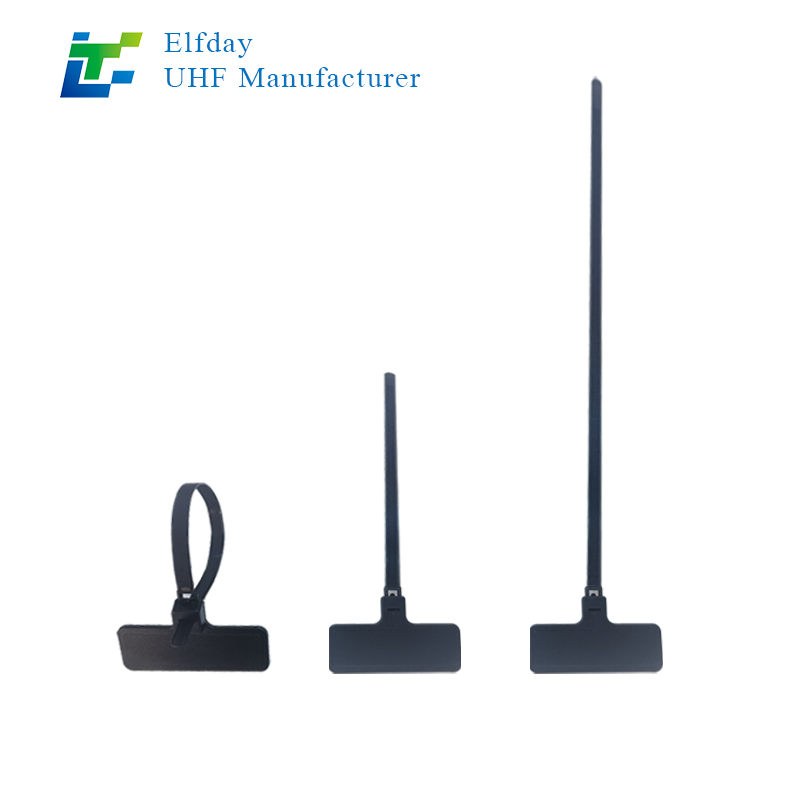
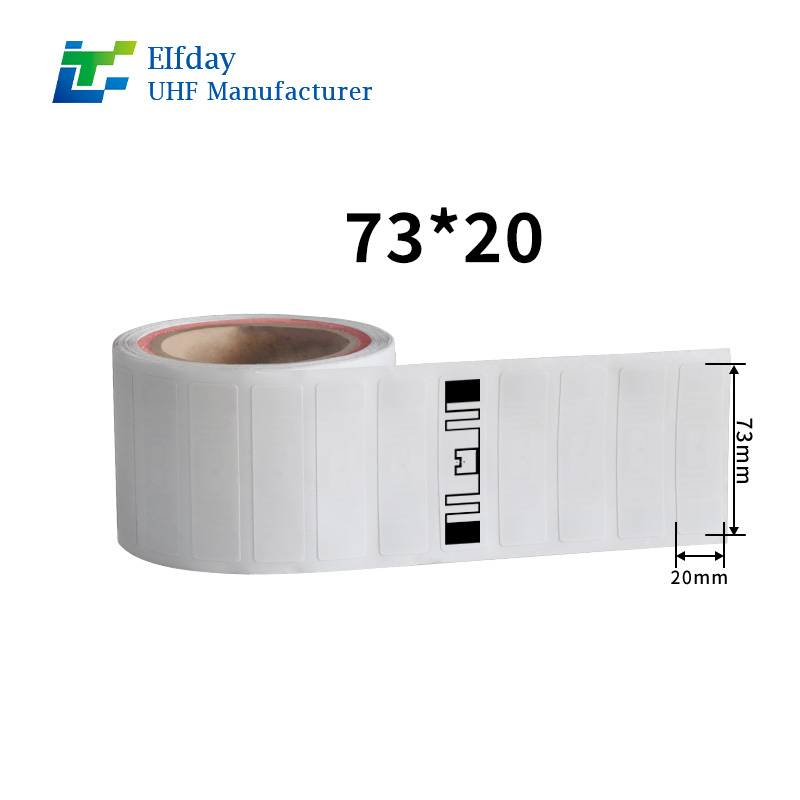
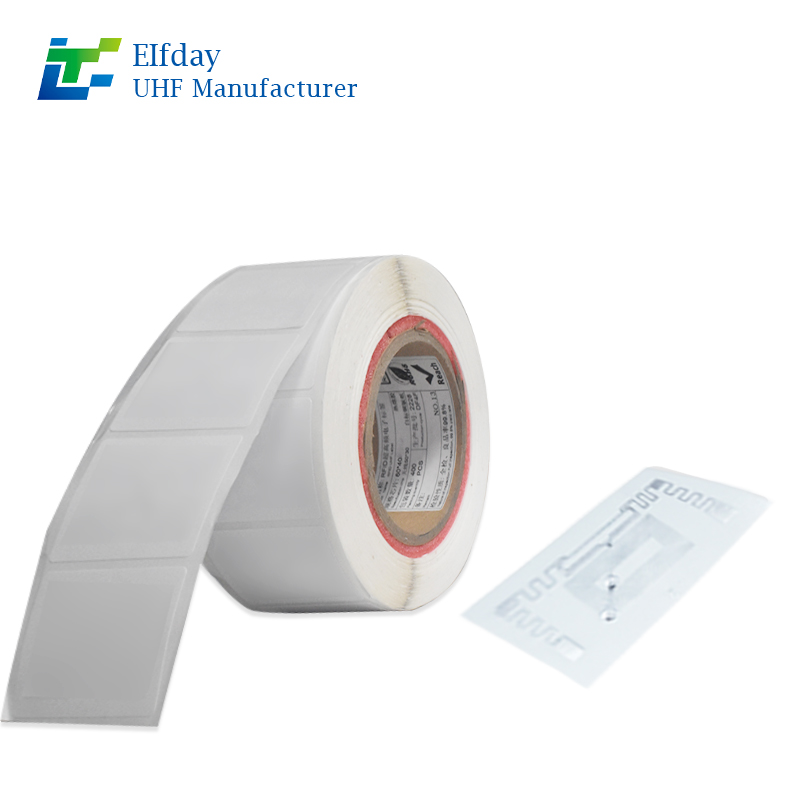
Durable RFID tags for manufacturing that can handle your environment. If you’re tracking metal parts, get on-metal tags. If you have high heat, get high-temperature tags. If you wash down equipment daily, get sealed IP-rated tags.
You need readers. Fixed readers over conveyor belts or at doorway checkpoints work well for high-volume lines. Handheld readers are fine for lower volumes or for spot-checking.
And you need software that links tag reads to batch numbers. Many manufacturing execution systems (MES) already have RFID integration. If yours doesn’t, plenty of affordable middleware options exist.
Getting started without a massive project
You don’t need to RFID-enable your entire plant on day one. Start with one product line. The one that gives you the most traceability headaches. Tag the totes or pallets. Set up a single reader at a key transition point. Run it alongside your existing system for a week.
You’ll immediately notice the gaps in your old method. The moments where a batch got split without being recorded. The times an operator forgot to scan. The RFID system catches all of it, silently and reliably.
After that first line proves itself, expand to the next. Within a few months, you’ll have full batch visibility across your entire operation.
The one mistake to avoid
Don’t just slap tags on things and assume the software will magically organize everything. Plan your tag data structure first. Decide what information you want captured at each step. Train your team on what the system does and why it helps them. If they understand that RFID saves them from painful recall investigations, they’ll support it.
Also, test your tag placement. A tag mounted directly on a metal tote handle might read perfectly. The same tag on a flat metal surface might fail. Run small tests before committing to hundreds of tags.
Is this just for big manufacturers?
Not at all. Small shops benefit just as much, sometimes more. When you have fewer people, every hour spent hunting down batch information is an hour not spent making product. RFID tags for manufacturing are affordable enough for a ten-person job shop. And the software has scaled way down in both price and complexity.
If you’ve ever lost a customer because you couldn’t provide traceability data, you already know the cost of not having this capability.
Wrapping it up
Batch traceability isn’t a nice-to-have anymore. It’s becoming a requirement. And the old methods—paper, memory, even barcodes—just don’t cut it when things go wrong or customers demand proof.
RFID tags for manufacturing give you something better: automatic, tamper-proof, real-time traceability from raw material to finished product. You’ll sleep better knowing you can answer any “which batch” question in seconds. Your customers will trust you more. And your team will stop dreading recall investigations.
Take a look at your most problematic production line today. Ask yourself: if a customer called right now with a quality complaint, could you trace that batch back to its origins in under five minutes?
If the answer is no, you know what to do next.