








How RFID Tags for Manufacturing Streamline Tool and Die Tracking
Every production floor has one. That drawer, shelf, or corner where expensive tools and dies vanish for hours—sometimes days. You need a specific die for a stamping press. Nobody logged it out. Three people go looking. Fifteen minutes later, the line stalls.
Frustrating? Absolutely. But more than that, it’s expensive.
The good news is that manufacturers are finally moving past this chaos. How? By using RFID tags for manufacturing to track tools and dies in real time. No more clipboards. No more “I thought Dave had it.” Just instant visibility.
Let’s walk through how this works, why it matters for your shop floor, and what you should know before getting started.
The real cost of losing a die (hint: it’s not just the die)
A missing die doesn’t just cost the replacement price. It costs downtime. Overtime. Expedited shipping if you need a rush replacement. And sometimes, it costs a customer because you miss a delivery window.
I’ve seen plants where operators spend an average of 45 minutes per shift searching for tooling. Multiply that by dozens of people across hundreds of shifts per year. The math is painful.
Now flip the scenario. What if every tool, die, and fixture could tell you exactly where it is—instantly?
That’s what RFID tags for manufacturing bring to the table.
How RFID changes tool and die tracking on a busy floor
You’ve probably seen barcode labels on tooling before. They work… until they get covered in grease, scratched off, or you have to scan each one individually from two inches away.
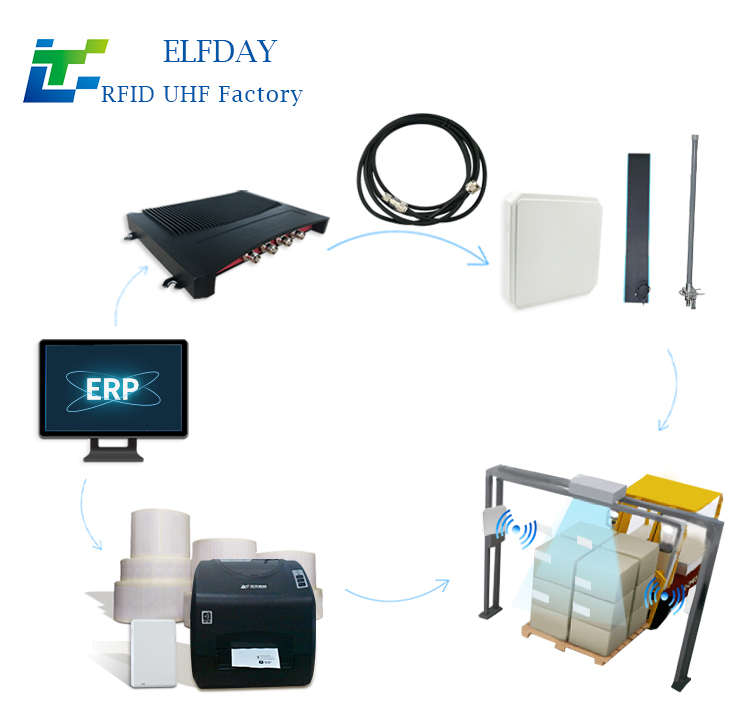
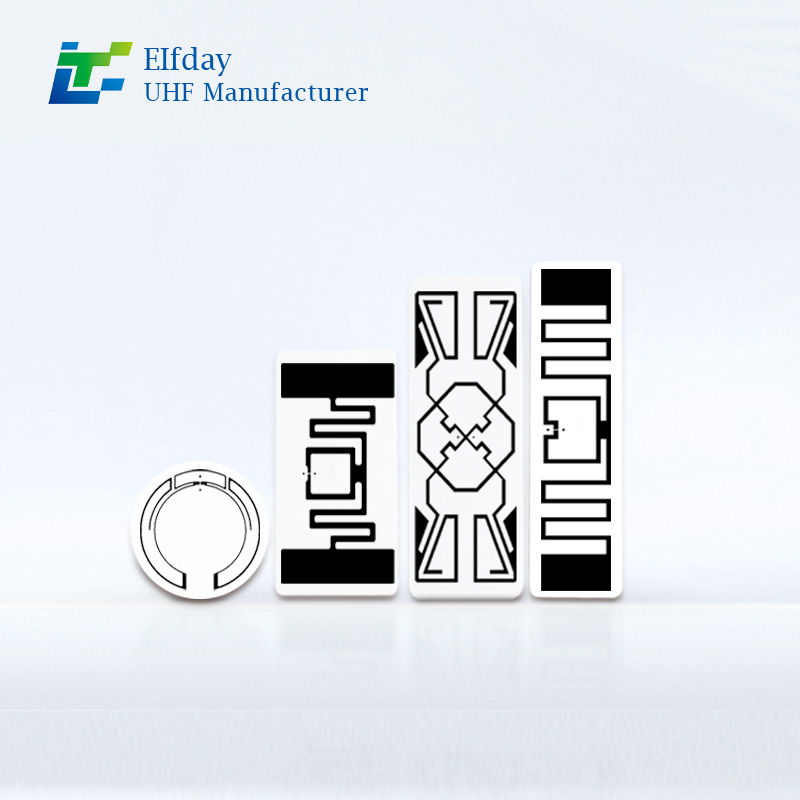
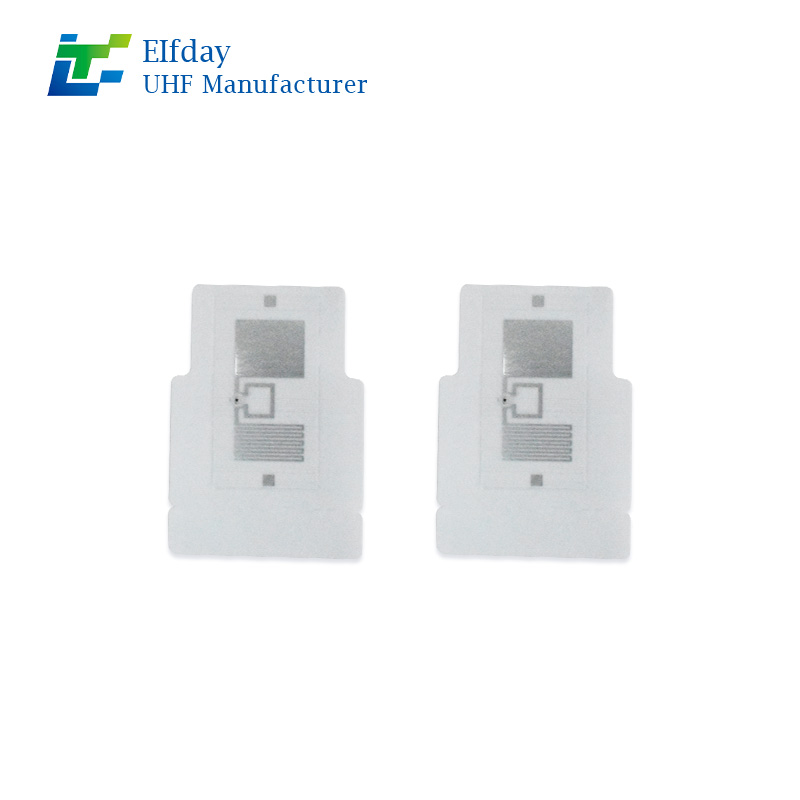
RFID works differently. A small tag attached to a die can be read from several feet away, without line of sight. You walk past a rack with a handheld reader, and it silently logs every tagged item in that rack. Or you install fixed readers at tool crib entrances, and the system automatically checks tools in and out.
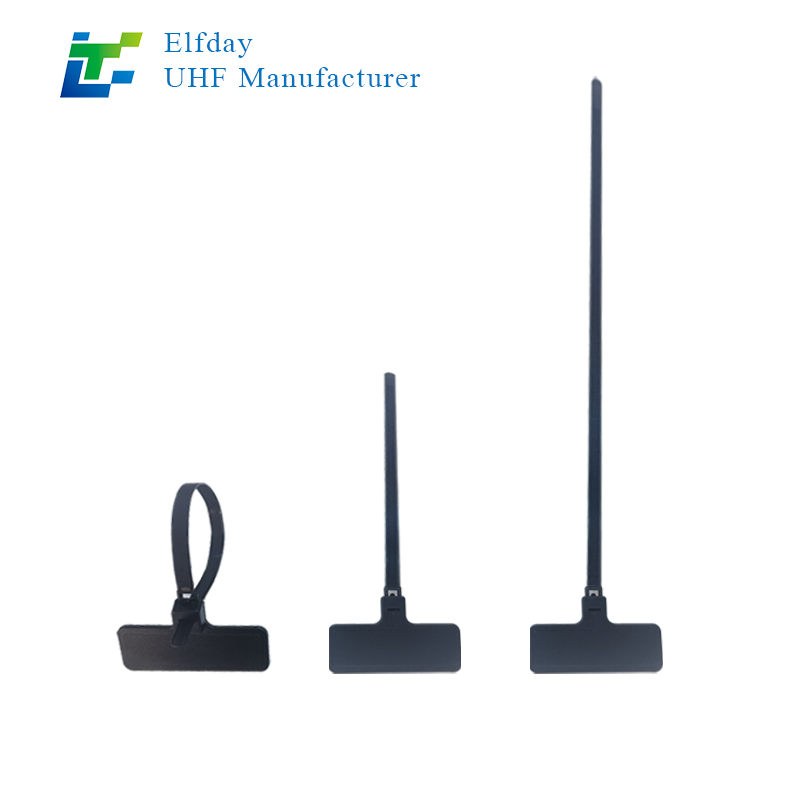
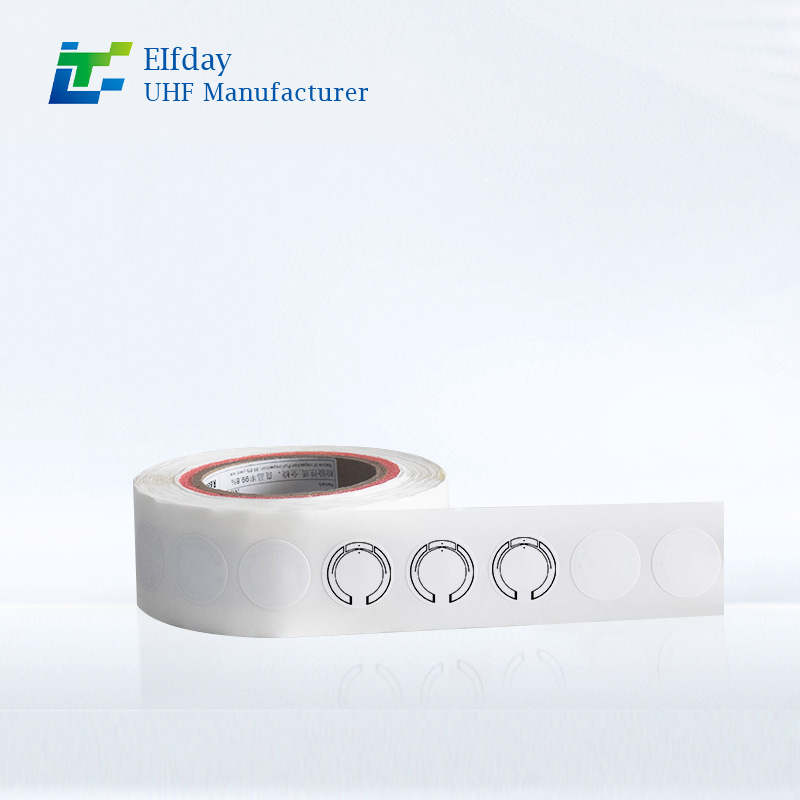
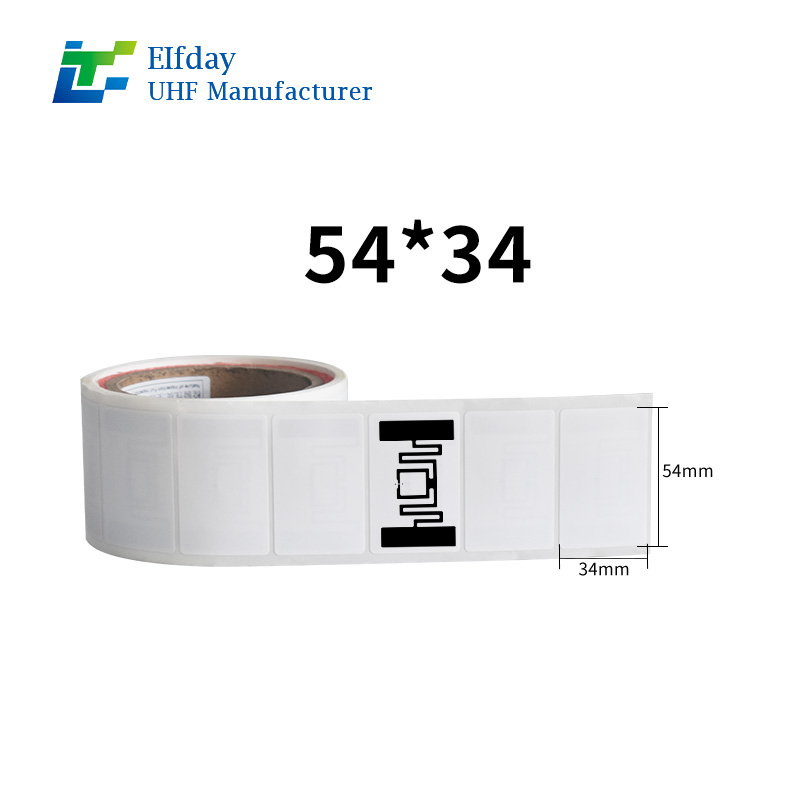
The tags themselves are surprisingly tough. Many are designed specifically for harsh manufacturing environments—resistant to oil, extreme heat, vibration, and even direct metal contact. On-metal RFID tags for manufacturing are a thing, and they work beautifully on dies and heavy tooling.
What a streamlined tracking process actually looks like
Let me paint a picture.
It’s 7:45 AM. A setup technician walks into the tool crib. They pick up a die that’s already tagged. As they pass through the doorway, a fixed reader captures the tag ID. The system marks that die as “checked out” to that technician, with a timestamp.
They take it to Press 4. Install it. Run the job. When they finish, they bring the die back. Walk through the same doorway—checked back in automatically. No forms. No handwriting. No “where did I leave that thing?”
If a different operator needs that die later, they open a simple dashboard on a tablet or PC. Search for the die by name or part number. See instantly that it’s available in the crib. Go grab it.
If it’s still out on the floor, they can even walk around with a handheld reader and locate it within a few feet. Some systems add LED or buzzer features on the tag itself to help you find it behind a pile of scrap.
Why this matters more for dies than for standard tools
Dies are heavy, expensive, and often shared across multiple production cells. They also need regular maintenance. A die that’s used beyond its cycle limit starts producing bad parts.
With RFID tags for manufacturing, you can store more than just location on that tag. You can store usage count, last maintenance date, next service due, and even setup instructions. When the die comes back from a run, the system can automatically increment its cycle counter. When it hits the limit, the system flags it for sharpening or repair before it causes quality issues.
That’s not just tracking. That’s intelligent tool management.
What kind of results do shops actually see?
I’ll skip dollar figures, but the operational improvements are well documented. Search time for tooling often drops by 70-90 percent. Tool crib staffing can sometimes be reduced because people aren’t manually logging items. And most importantly, unplanned downtime caused by “missing dies” practically disappears.
One automotive stamping plant I read about cut their die changeover time by nearly 30 percent simply because technicians no longer walked back and forth looking for the right tooling. Everything was exactly where the system said it would be.
Getting started without disrupting production
If you’re thinking, “This sounds great, but I can’t shut down my line to install some fancy system,” take a breath. You don’t have to.
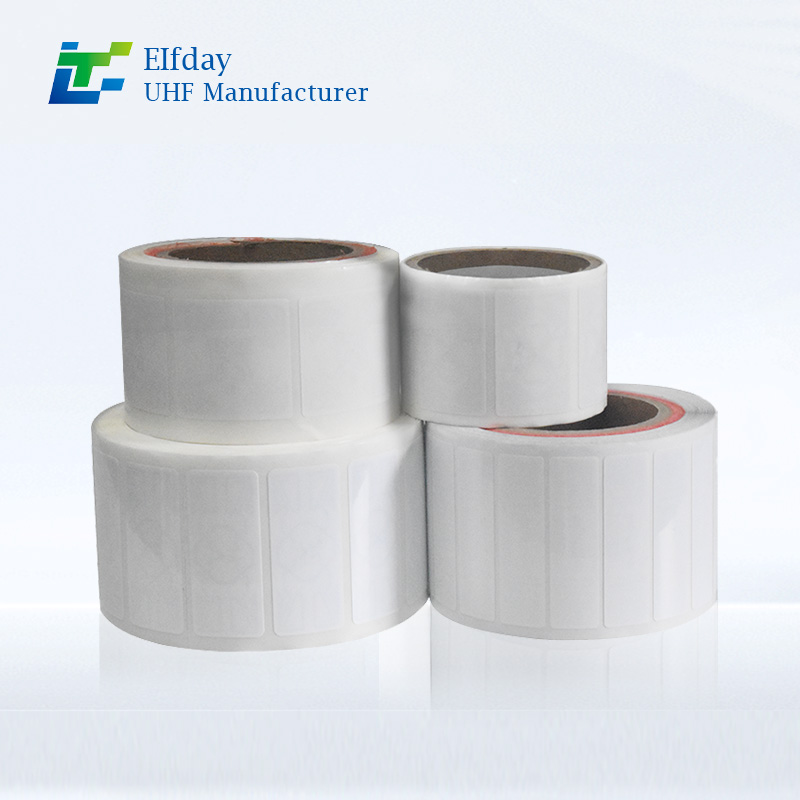
Most manufacturers start small. Pick one production cell or one tool crib. Buy a batch of rugged RFID tags for manufacturing designed for metal surfaces. Get one or two handheld readers, and a simple software package that runs on a tablet.
Tag your most critical dies first—the ones that cause the biggest headaches when missing. Train one shift. See how it goes. Within a week, the technicians will wonder how they ever lived without it.
From there, you expand. Add fixed readers at doorways. Integrate with your existing ERP or maintenance software. Eventually, you have a plant-wide system that knows where every single tool is, who has it, and when it needs service.
A few practical tips to avoid rookie mistakes
Don’t just slap any tag on a die. Make sure you choose tags rated for metal mounting if your dies are all steel. A standard tag will detune on a metal surface and give you terrible read range.
Also, think about where you place the tag. On a die that gets hammered or clamped, put the tag in a recessed pocket or a protected corner. Some shops weld a small bracket to hold the tag away from direct impact.
And train your people on the “why.” If operators see RFID as big brother tracking their every move, they’ll find ways to work around it. Show them how it makes their own jobs easier—less searching, less paperwork, less blame when something goes missing. Most will embrace it quickly.
Is RFID worth it for smaller shops?
Absolutely. You don’t need a million-dollar budget. Even a two-person tool room can benefit from knowing exactly which die is on which shelf. The same RFID tags for manufacturing that work for a giant auto plant work just as well for a twenty-person job shop.
The only real question is whether the pain of lost tooling is big enough for you to do something about it. If you’ve ever had a production line sit idle because a die grew legs, you already know the answer.
Next steps
Look at your most problematic tools. The ones that disappear every Tuesday. The dies that always seem to be “somewhere near Press 3.” Start there.
Get a small sample of on-metal tags. Test them on your dirtiest, greasiest die. Walk around with a reader. See the magic happen.
And when you’re ready to go further, build a simple rollout plan. One cell. One week. One happy production team.
Because at the end of the day, RFID tags for manufacturing aren’t about technology. They’re about giving your people one less thing to chase—so they can spend more time actually building things.
Now, go find that missing die. Or better yet, make sure you never have to look for it again.